News
TVS launches the Apache RTR 310 at ₹2.72 lakh with cornering ABS
TVS's new flagship single brings a 312 cc engine, four riding modes, a bi-directional quickshifter and a five-inch TFT display to the sub-350 segment.
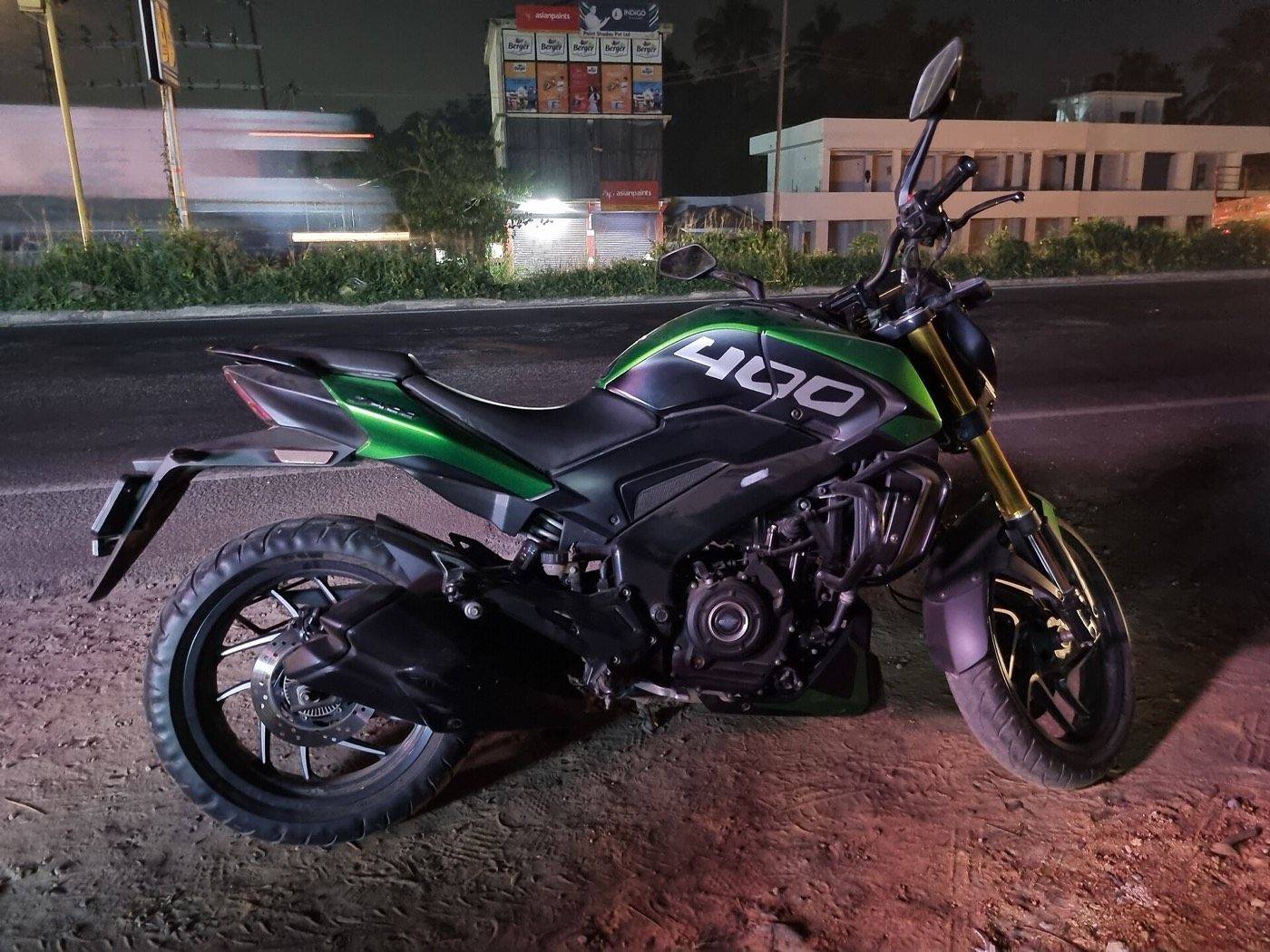
- Bajaj Dominar 400 ₹2.18 lakh
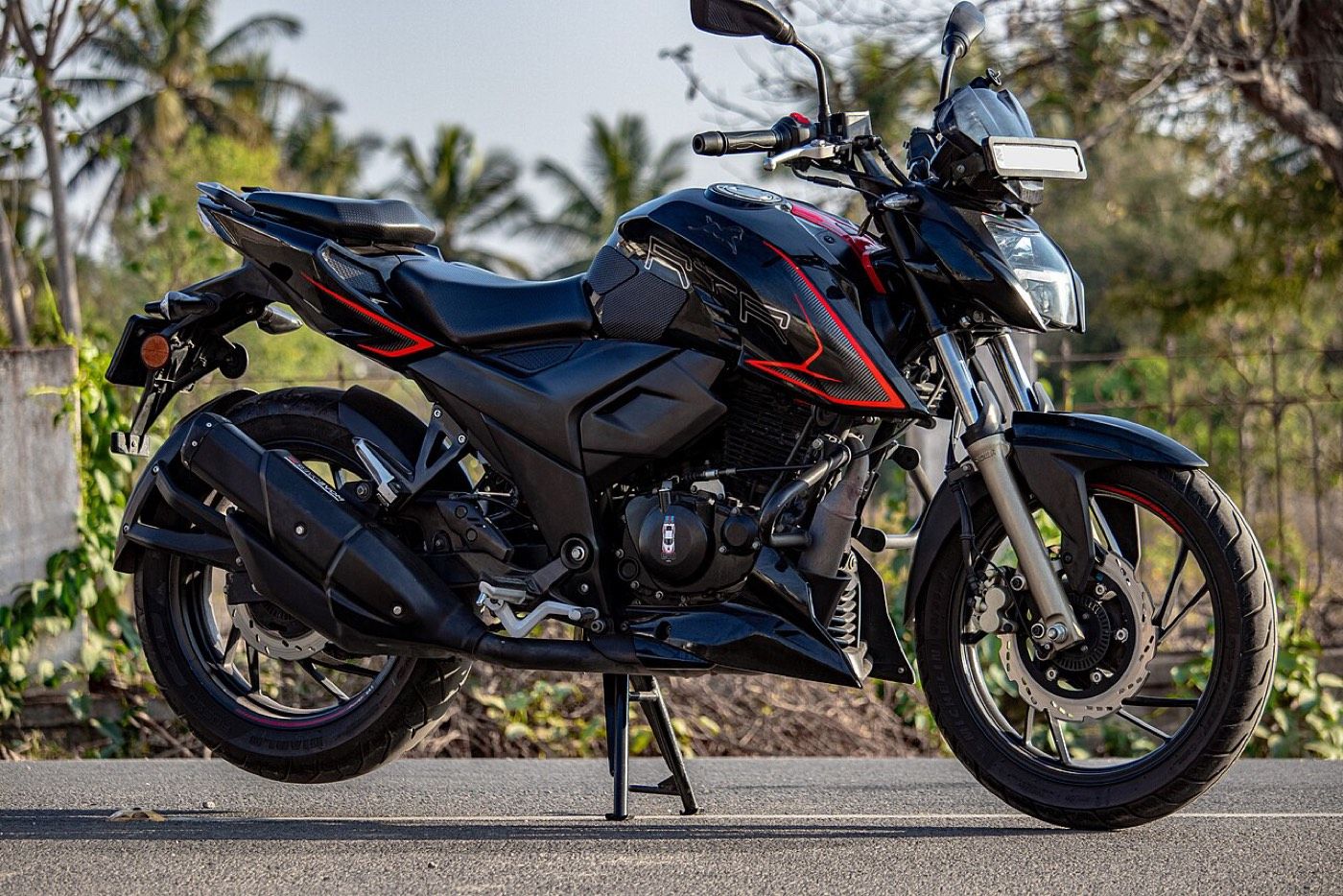
- TVS Apache RTR 310 ₹2.72 lakh
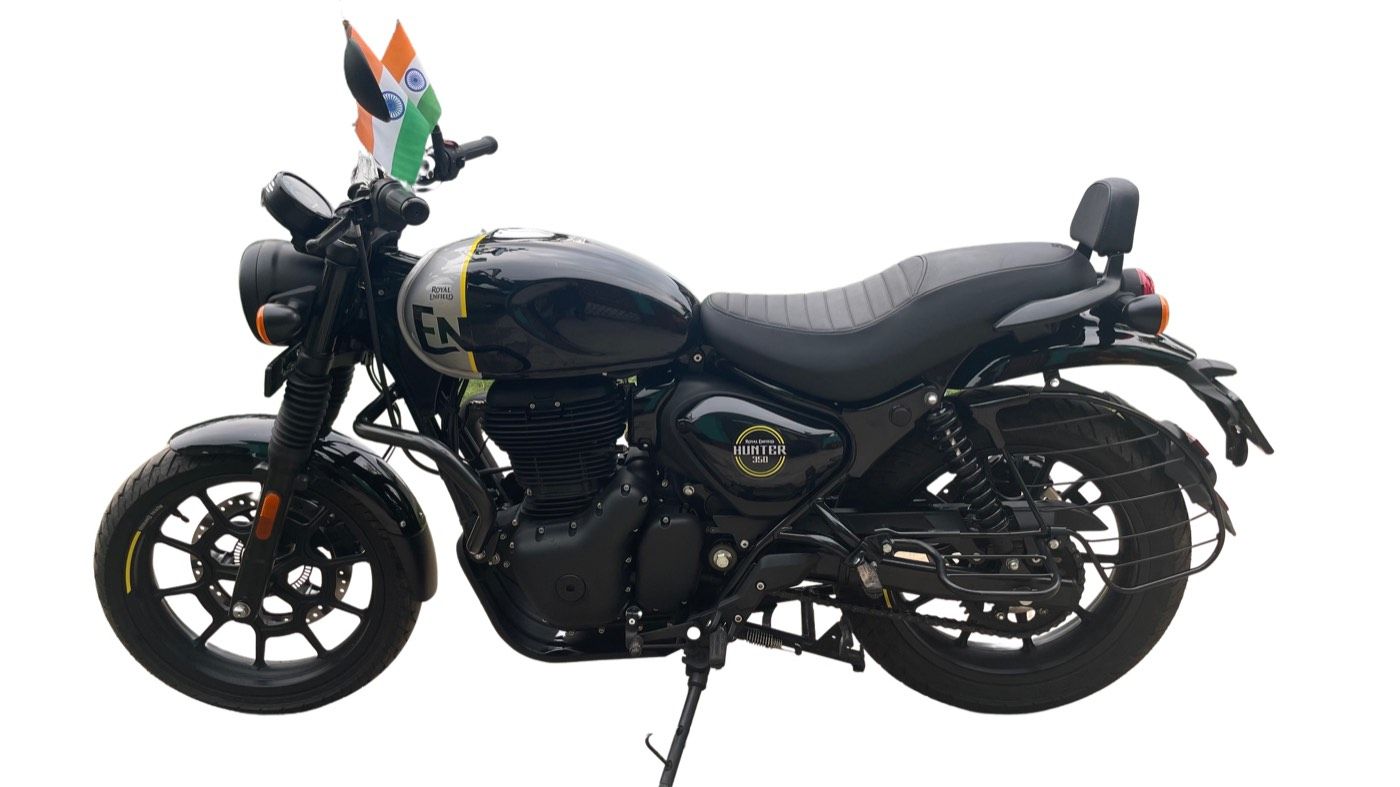
- Royal Enfield Hunter 350 ₹1.49 lakh

Editor & Publisher
TVS has launched the Apache RTR 310 at ₹2.72 lakh ex-showroom, slotting it above the RTR 200 4V as the company’s performance flagship and, more importantly for TVS, as the motorcycle that has to justify the Apex platform’s existence in volume rather than on a podium. The specification is aggressive for the money: a 312 cc single-cylinder engine, four riding modes, cornering ABS, a bi-directional quickshifter and a five-inch TFT display with turn-by-turn navigation.
What changed TVS’s calculation is that the sub-350 cc class in India is no longer an enthusiast backwater. It is where the first serious motorcycle is bought, and the electronics package on offer here reflects a company that has decided to compete on content rather than on heritage or on cruisier ergonomics.
The numbers that matter
TVS quotes 36 bhp and 28.7 Nm, with a claimed kerb weight of 174 kg. That power figure is short of the class of 40 bhp singles, and TVS is not pretending otherwise; what it is arguing is that a light motorcycle with a short final drive and an assist-and-slipper clutch will feel sharper in the places an Indian rider actually uses, which is 40-90 kmph on surface roads and broken national highway, not at a terminal velocity the tyres will not support.
The company’s claimed mileage of around 28 kmpl is the number to treat with scepticism, since it will only arrive with the throttle restrained and the ride mode in Rain. MotoSutra’s estimate for the RTR 200 4V, with similar electronics, is a wider spread, and fuel economy should never be the reason to buy this class of motorcycle.
Electronics as standard equipment, not as an option
Four modes, Rain, Urban, Sport and Track, alter throttle mapping and traction control intervention, and the cornering ABS modulates braking pressure according to lean angle. This is the part of the launch worth taking seriously, because the practical safety gain on Indian roads is not crash avoidance at speed but threshold braking on diesel-covered tarmac in the rain, which is exactly where a leaned-over motorcycle with a single front disc goes wrong.
TVS frames the electronics as an outcome of its racing programme rather than a marketing exercise, arguing in its launch brief that chassis geometry and brake control had to be developed together, because a slippery surface teaches the rider nothing that a track does not.
The chassis uses adjustable suspension and the styling carries the flyscreen and beak TVS has kept from its concept showings. Fit and finish on the pre-production machines in TVS’s launch imagery reads as tidy, with no visible fasteners in the tail section, though switchgear feel is the area where the German rivals still set the standard.
How it lands against the alternatives
Bajaj’s Dominar 400 asks less money at ₹2.18 lakh, makes 40 bhp and 35 Nm from 373 cc, and is the better expressway machine because it has the torque to stay in sixth and a longer wheelbase to keep the bars still. Royal Enfield’s Hunter 350 is cheaper again, gentler and friendlier to a new rider, and hopeless as a track tool. The RTR 310 splits those two arguments: it is not the fast cruiser and not the easy retro, it is the sharp one.
For a buyer stepping up from a 160 cc motorcycle, the honest recommendation is that the RTR 310 rewards a rider who will use the quickshifter and ride to a track day occasionally. For everyone else, the cheaper options keep more money in the helmet and tyre budget.
Frequently asked questions
What does the RTR 310 cost?
₹2.72 lakh ex-showroom in MotoSutra's unverified catalogue.
How much power does it make?
TVS quotes 36 bhp and 28.7 Nm from the 312 cc single-cylinder engine, in a motorcycle with a claimed 174 kg kerb weight.
Which rivals should be test-ridden against it?
Bajaj's Dominar 400 makes more torque and covers ground more comfortably for less money, while Royal Enfield's Hunter 350 is cheaper and easier but slower. The RTR 310 is the only one of the three with a quickshifter and cornering ABS as standard equipment.