Explainer
What is the difference between HP, BHP and PS?
One engine, three headline numbers, and none of them is wrong. Where horsepower came from, why the metric PS is a slightly smaller unit than the imperial one, what the brake in brake horsepower actually refers to, and how to read an Indian spec sheet without being fooled by the abbreviation.
- Tata Motors Punch ₹5.75 lakh
- Royal Enfield Classic 350 ₹1.93 lakh
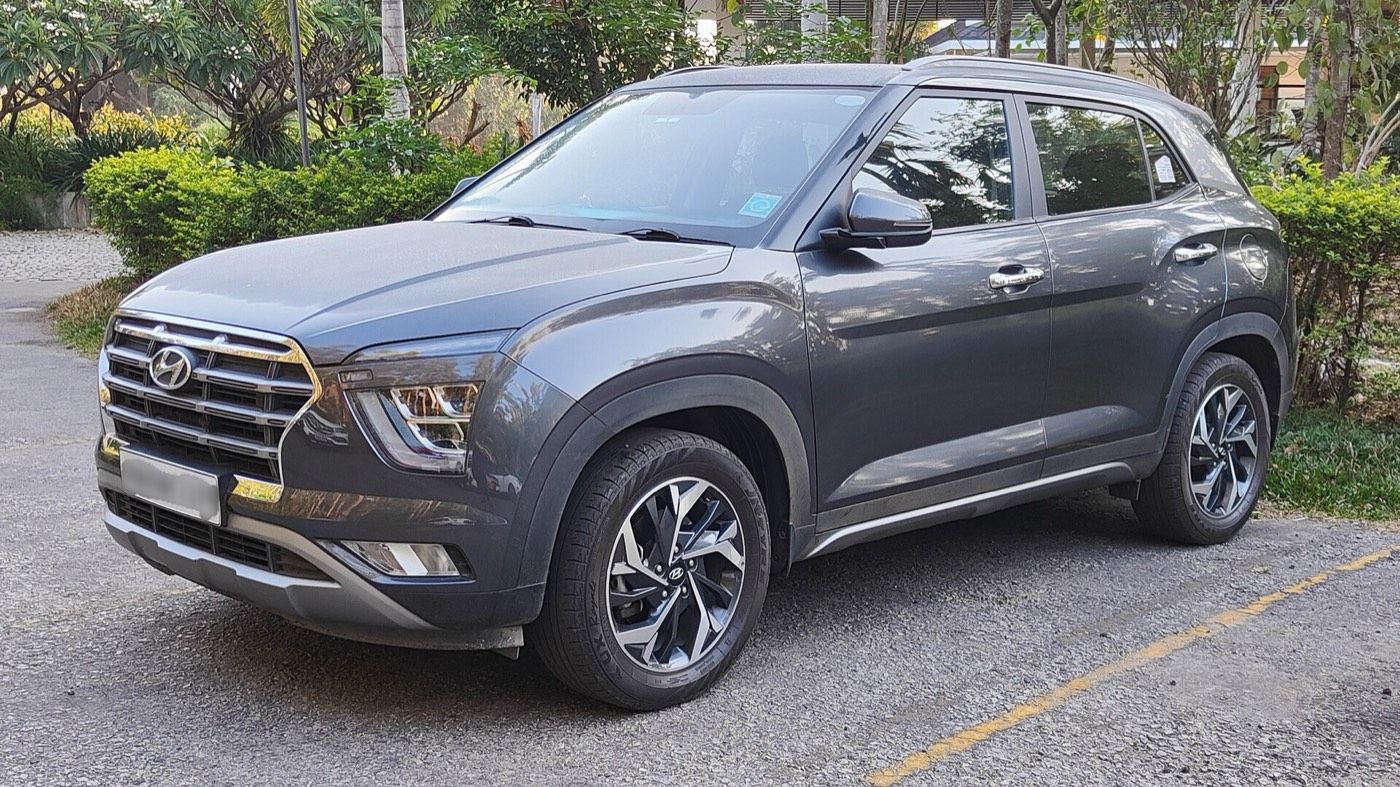
- Hyundai Creta ₹10.91 lakh
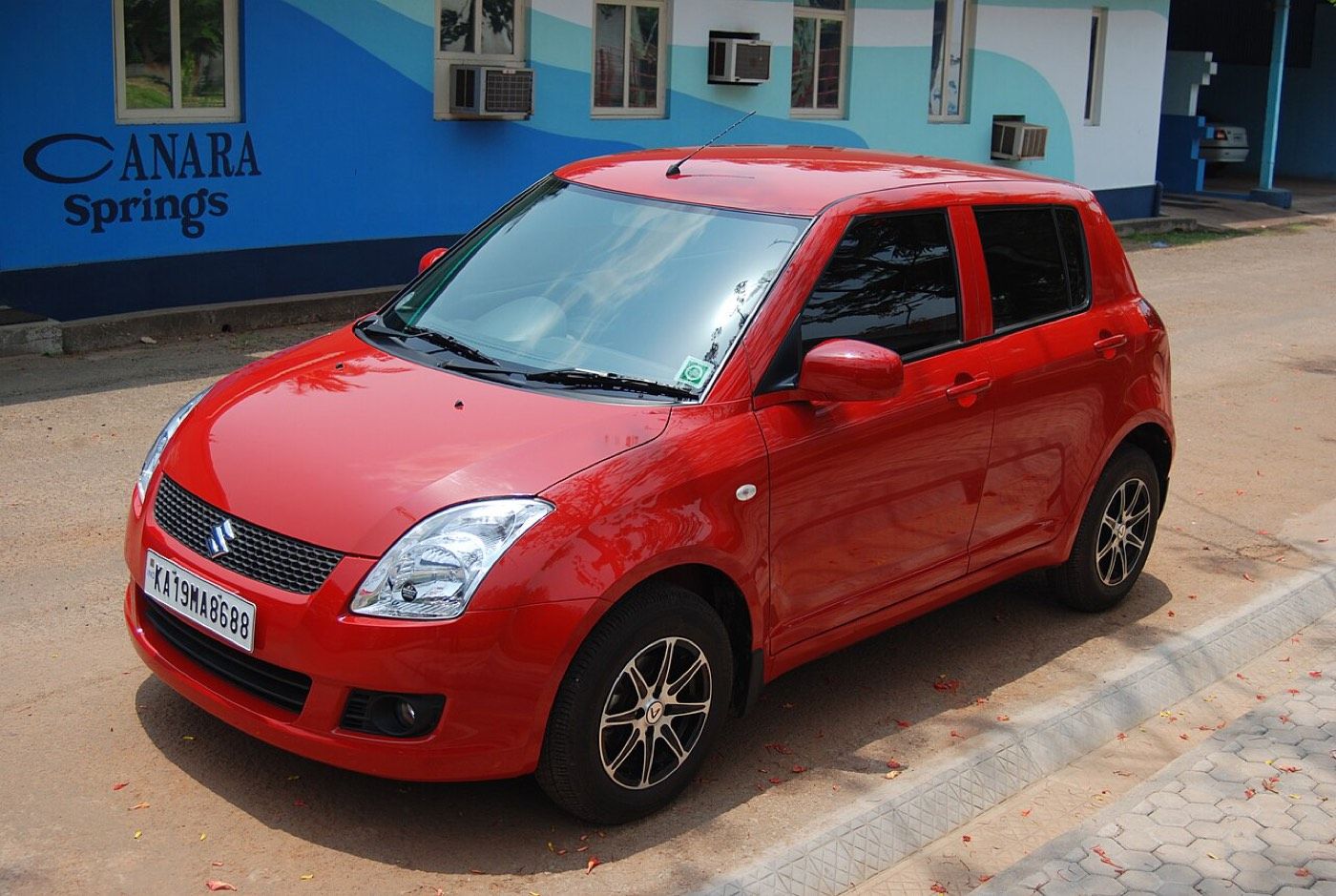
- Maruti Suzuki Swift ₹5.84 lakh
- Triumph Street Triple R ₹8.84 lakh


Editor & Publisher
Open any two car brochures and you will find engine power written four different ways: a hatchback at 121 PS, its rival at 119 bhp, a motorcycle at 45 kW, and a press release that calls all three horsepower. These are not four measurements. They are one measurement — how fast the engine delivers energy — written in three units and from two positions, and the abbreviations are used loosely enough that the letters on the page tell you less than the number does.
The quantity all four names describe
Power is a rate. Work is a force moving something through a distance; power is how quickly that work gets done, and the watt is one joule per second. An engine’s power figure says how fast it can keep supplying energy to the drivetrain, which is why it, and not torque, sets the ceiling on how hard the car can push at 110 km/h. The four names in this article’s title are all units of that same rate. None of them measures anything the others do not.
Horsepower: Watt’s sales figure
The imperial unit came from James Watt in the eighteenth century, who needed a way to sell his steam engine to mine owners already paying for horse-wound coal lifts. What he settled on was the rate at which a horse could lift coal: 33,000 foot-pounds of work per minute, which is the same as 550 foot-pounds in one second. One mechanical horsepower is that rate, and in SI it is 745.699872 watts — the figure you will see rounded to 745.7.
It is a comparison to a working animal, not a measurement of one. No horse delivers 1 hp steadily, and a strong one briefly exceeds it comfortably. That is not a flaw in the unit, since every unit of power measures the same rate whatever its name, but it is why the number has no physical privilege: it is a historical accident that survived.
The formula that ties it to an engine is the one you see quoted in forums. Torque multiplied by engine speed gives the rate of work, and a constant absorbs the unit conversion:
hp = torque in lb-ft × rpm ÷ 5,252
The 5,252 comes straight out of Watt’s definition — 33,000 divided by 2π — and it is also the rpm at which a torque figure in lb-ft and a power figure in hp are numerically equal.
PS: the same idea in metric units
Continental Europe reached for the same comparison and measured it with kilograms and metres instead of pounds and feet. The Pferdestärke, horse-strength, is 75 kilogram-force metres per second, which works out at 735.49875 watts. The French cheval-vapeur and the Dutch pk are the same unit under different names.
Because 735.5 is smaller than 745.7, the PS is the smaller unit, and the same engine therefore reports a bigger number in PS than in horsepower: one horsepower is 1.0139 PS, and one PS is 0.9863 horsepower. That is the entire difference — about 1.4 per cent — and it is the reason a manufacturer selling into France or Germany is habitually quoted with a power figure roughly 1.4 per cent higher than the identical car described in imperial units. Nothing about the engine moved. The unit got smaller.
The metric equivalents of Watt’s formula follow the same arithmetic:
kW = torque in Nm × rpm ÷ 9,549 PS = torque in Nm × rpm ÷ 7,024
And the kilowatt
The kilowatt is the SI unit and the one engineering documents use, because it is built from the second, the joule, the kilogram and the metre rather than from a horse. One kilowatt is 1,000 watts, which is 1.341 horsepower or 1.360 PS. European type-approval certificates state power in kW, which is why a car’s Indian brochure and its European one so often disagree: one is a conversion, and conversions get rounded in whichever direction reads better.
What the brake in brake horsepower means
“Brake” does not refer to the stopping kind, and it does not refer to where the figure was taken. A dynamometer measures an engine by bolting it to a device that resists the crankshaft — historically a prony brake, an arm pressed against a rotating drum, later a water brake or eddy-current brake — and reading the twisting force the engine has to produce to keep turning against that resistance. Power is that force times rotational speed. The brake is the instrument that absorbed the output, and brake horsepower is simply horsepower measured that way, at the crankshaft, as opposed to the older indicator method that integrated cylinder pressure over the stroke.
So bhp and hp are not two different quantities, and the claim that “HP is the input and BHP the output” is not a thing any measurement standard says. What does change the number is not the unit but the conditions and the position.
Crank or wheels. A crank figure is the engine’s output before the gearbox, shaft, differential and tyres take their share. A figure read at the wheels on a roller dyno is lower for the same engine, and the gap — drivetrain loss — is not a constant. It differs between a front-wheel-drive hatchback and a chain-drive motorcycle, and between two cars. Treat any percentage someone quotes for it as their drivetrain’s number, not a universal one.
Bolted or running. An engine measured on a stand with no exhaust system, no radiator fan, no alternator and no air filter attached breathes easier and makes more power than the same engine wearing everything. United States manufacturers quoted that way — SAE gross — until the early 1970s, and the switch to SAE net, with the ancillaries fitted, dropped published figures by large margins without a single engineering change to the engines. Indian homologation measures net power with the standard ancillaries fitted, which is why the bhp on an Indian sheet is a net crank figure. It is also why comparing an older car’s advertised power with a modern one’s is not a fair fight: the old number was flattered by the measurement, not by the engine.
Where India actually sits
Indian spec sheets say bhp, and the figure behind it is the manufacturer’s net crank power — the same physical quantity as the kW and PS figures on the European version of the sheet, expressed in the imperial unit. So a car listed at 121 bhp here and 121 PS in Europe is not the same engine measured twice. It is one engine whose 89.0 kW has been written down as 121 PS correctly and as 121 bhp incorrectly; the honest bhp figure is 119.
Our own catalogue shows the arithmetic doing what it should. The Z1000 record carries 104.5 kW, which is 142 PS and 140 bhp — three numbers, one engine, and the bhp figure the lower of the two because the imperial unit is the larger. The Street Triple R review quotes Triumph India’s 86.8 kW as 118 PS, which is the same engine at 116 bhp. Where a manufacturer document states a unit, this site prints that unit rather than relabelling it, which is why some records on the site read PS and most read bhp.
What to compare, then
Three rules cover almost every brochure argument. Convert everything to kilowatts before comparing two vehicles, because kW is the unit the approval documents use and the one least likely to have been rounded upward. Check whether the figure is a crank number or a wheel number before comparing a dyno run to a brochure. And once the units agree, stop reading the peak: the number that decides how a vehicle feels at 80 km/h in the gear you are already in is where in the rev range that power arrives, which is the subject of the horsepower explainer and the torque explainer rather than of this one.
Frequently asked questions
Is BHP the same as horsepower?
As used on an Indian spec sheet, yes — close enough that the difference is rounding. Both abbreviate the same imperial unit of 745.7 watts, and both describe power measured at the crankshaft. The word “brake” describes the instrument that absorbed the engine’s output while it was measured, not a different quantity. This is why our [horsepower explainer](/guides/what-is-horsepower/) treats the bhp figure on a brochure as a horsepower figure and spends its attention on the rev band instead.
Is BHP measured at the wheels and HP at the crank?
No, and this is the most common version of the confusion. Crank and wheel are measurement positions, not units: a figure is either taken at the crankshaft or read off a roller dyno at the wheels, and it can be expressed in hp, PS, bhp or kW from either position. A wheel figure is lower than the crank figure for the same engine because the drivetrain burns some of it, and how much it burns varies enough between a front-road car and a chain-drive motorcycle that no single percentage is honest to quote.
How many PS is one horsepower?
One imperial horsepower is 1.0139 PS, and one PS is 0.9863 horsepower. The metric unit is the smaller of the two, by about 1.4 per cent, so the same engine always shows a slightly larger number in PS than in hp. That gap is small enough to hide in a brochure and large enough to matter when two sheets are compared without checking which unit each one used.
Why does the same car show 121 bhp in India and 121 PS in Europe?
Because the number was copied rather than converted. 121 PS is 89.0 kW, which is 119.4 hp — so an honest bhp figure for that engine is 119, not 121. Manufacturers and marketing teams routinely lift the metric figure across markets and relabel it, which inflates the Indian number by roughly 1.4 per cent. It is not a large error in absolute terms, and it always falls in the same direction.
Which unit should I compare cars on?
Kilowatts. It is the only SI unit of the four, it is what European type-approval documents state, and it cannot be quietly relabelled the way bhp and PS get confused with each other. Convert the others to kW before comparing two cars or bikes, then read the rpm at which the peak arrives — which is the part of the sentence that actually describes how the vehicle will feel.