Buying guide
Best electric cars from ₹7 lakh to ₹20 lakh in 2026
Our catalogue carries exactly two electric cars in this band, and one of them has not been launched. That is a short list, and it is also the most honest picture of what an EV budget buys in India right now.
- Tata Motors Punch EV ₹9.79 lakh
- Tata Motors Nexon EV ₹12.49 lakh

Editor & Publisher
In order, on the numbers
The ranked picks
-
₹12.49 lakh - ₹15.99 lakh
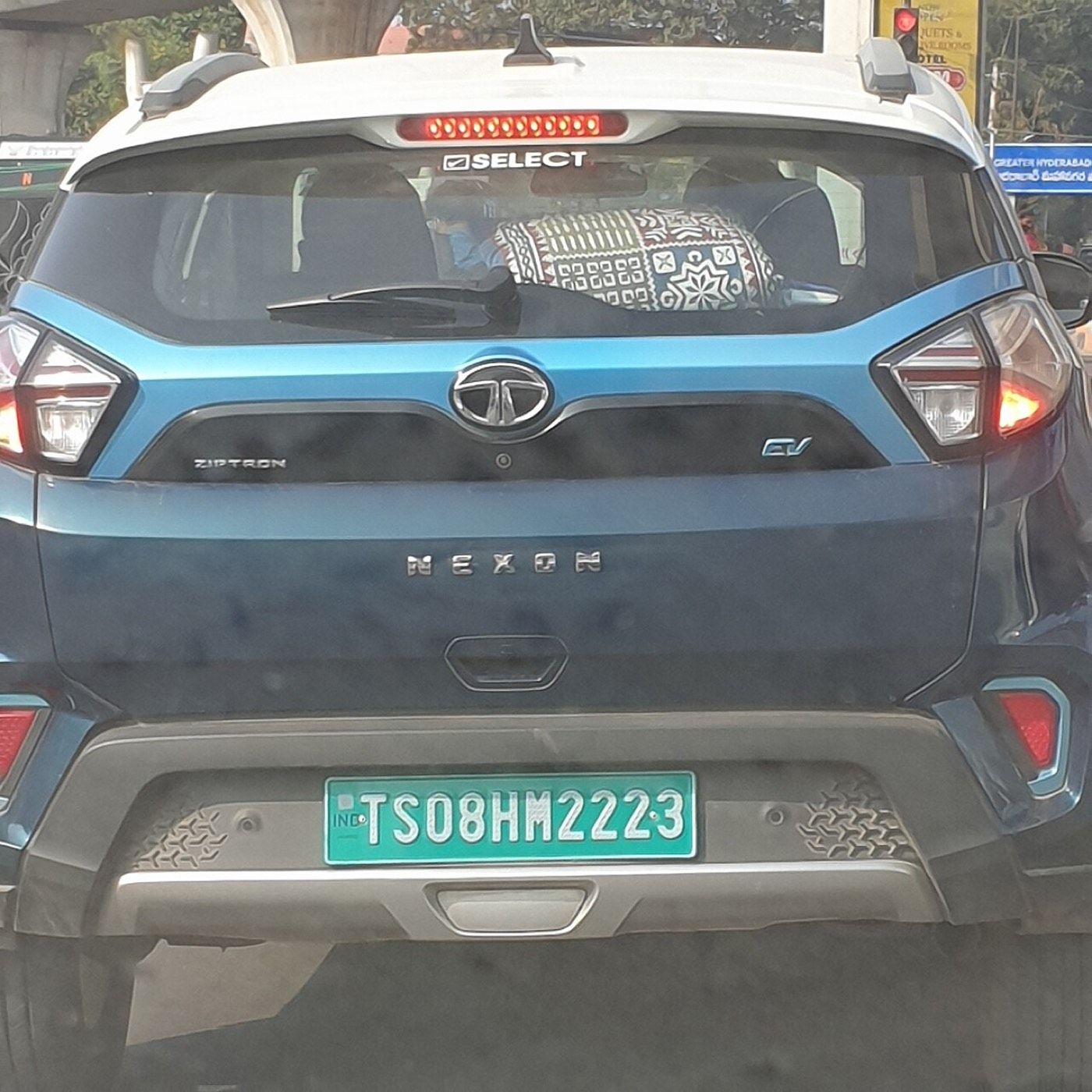
The only car here you can order, drive and service today: a 46.08 kWh battery, a claimed 489 km, 141 bhp and 215 Nm, a five-star structure with six airbags, from ₹12.49 lakh. Its 140 km/h ceiling is the one real highway compromise.
- Range 489 km
- Power 141 bhp
- Seats 5
-
₹9.79 lakh - ₹12.49 lakh
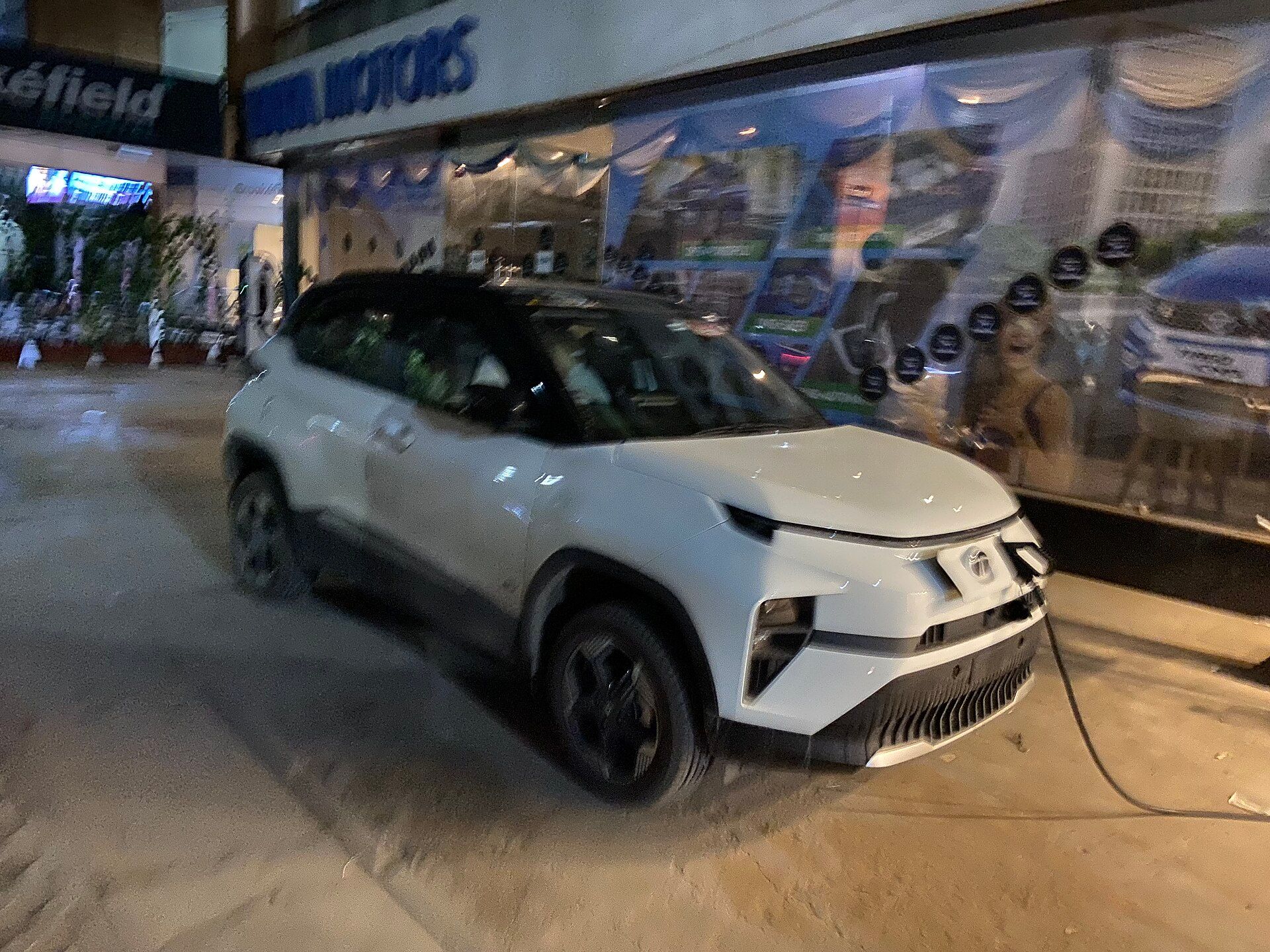
Our estimate puts it at ₹9.79-12.49 lakh with a 25 kWh pack, 121 bhp and 170 Nm inside the Punch’s five-star shell and 187 mm of clearance. Every figure is a projection until Tata announces the car, which is why it ranks second.
- Range 350 km
- Power 121 bhp
- Seats 5
An honest buying guide has to start by admitting what it does not have. Of the thirteen cars in our catalogue, two are electric. One of them has been on sale for two years and has been measured on our own route; the other is a projection with an expected launch date in late 2026, published here with prices and specifications that Tata has not announced. So this is a list of two, in a band from ₹7 lakh to ₹20 lakh, and the useful part of the article is going to be the framework rather than the ranking.
1. Tata Nexon EV — the benchmark, warts and all
₹12.49 lakh buys the Smart, ₹14.49 lakh the Accomplished and ₹15.99 lakh the Accomplished + A with a sunroof, all ex-showroom Delhi NCR and all with the same drivetrain: a single-speed electric motor turning out 141 bhp and 215 Nm through the front wheels of a 1,549 kg five-seat SUV on a 46.08 kWh battery.
The claimed range is 489 km. Ignore it in the showroom and use the number that survives contact with an Indian summer: 300-350 km with the air conditioning running, and our own six-week test came out at 322 km on a mixed route with the climate control working the whole time. That is a 40 km commute with margin, a weekend trip to a hill town with one charge stop of about an hour — DC fast charging takes it from empty to 80 per cent in roughly 60 minutes — and a highway cruise at a speed the car does not want to hold.
That last sentence is the honest limitation. The ceiling is 140 km/h, torque falls away as the battery does, and above 100 km/h this is a car being persuaded rather than a car performing. Everything below 100 km/h, which is 95 per cent of Indian driving, is a different story: 215 Nm delivered from zero means nothing else at this money clears a queued junction as cleanly, and the regeneration modes mean most of a city journey is spent recovering energy rather than spending it.
The structure is the underrated part of the case. The Nexon EV keeps the petrol car’s five-star Global NCAP adult score with six airbags, stability control and tyre-pressure monitoring standard. On a segment where electric cars are still being sold as gadgets, a crash rating you can read on a spec sheet matters.
Buy it if: you have a parking place with a socket, your daily distance is under 100 km, and you do most of your driving inside a city. Our full review has the running-cost maths; the short version is that at our metered home tariff this car cost us ₹0.85 a kilometre to drive, against ₹5.60 for the petrol Nexon on the same route.
2. Tata Punch EV — the car the market is waiting for, on our estimates
Everything in this entry is a projection and we label it as such in the catalogue: an expected ₹9.79-12.49 lakh band, a 25 kWh battery, 121 bhp and 170 Nm, a claimed 350 km, and the petrol Punch’s five-star shell with 187 mm of ground clearance intact.
If those numbers land, this is the most important electric car in India, because it moves the argument from “is an EV viable” to “is an EV cheaper”. A 25 kWh pack at roughly ₹10 lakh would undercut the Nexon EV’s entry price by ₹2.70 lakh and take volume from hatchbacks rather than from other electric cars. Our own reading of that range figure is a usable 240-280 km with the air conditioning in summer, which is a city car with a weekend capability, not a road-trip car.
The risks are the ones every pre-launch listing carries. Battery packaging usually eats boot space — the petrol Punch has 366 litres and we would not assume all of it survives. Pricing is a guess until a director stands in front of a camera and says a number. And an expected launch date is a plan, not a product.
Buy it if: your driving is city-only, you can wait, and the difference between ₹10 lakh and ₹12.49 lakh is the difference between buying now and buying in two years.
The framework, because the list is short
Since there are only two cars to rank, here is what we would rank them on if there were ten.
Battery, not range. Kilowatt-hours are comparable between cars; claimed range is a function of a test cycle and a manufacturer’s optimism. Divide the claimed range by the pack and you get the efficiency, and the efficiency tells you how much of the specification is marketing.
The charging pattern you will actually live with. A car that does 0-80 per cent in an hour is only convenient if an hour is what you can spend. DC fast charging is a cost per unit several times home electricity, and the numbers only work in your favour if the overnight charge is at home. Anyone who tells you public charging has made home charging optional is selling you either a charging network or a car.
What the warranty says about capacity, not about defects. Battery warranties are quoted in years and kilometres; the useful clause is the state-of-health floor at the end of the term.
The 100 km/h question. Electric cars are effortless to 90 km/h and suddenly expensive above it, in performance and in range both. If a large part of your driving is a good expressway at a legal and steady speed, the trade-off between a bigger battery and a cheaper car is not close.
Resale, which nobody has measured yet. Two years of ownership data is not enough to price an eight-year battery, and the honest answer is that the depreciation curve is unknown. Buy the car you can afford to be wrong about.
Frequently asked questions
Which electric car is best under ₹20 lakh?
The Nexon EV, on the strength of being the only one of the two that exists as a car you can buy, with a measured real-world range and a charging story we have tested rather than projected.
Is there no other electric car in this budget?
Not in our catalogue. Two of the thirteen cars we list run on electricity, and both are Tatas. Any other answer you read will be from a wider dataset than the one we publish, and we would rather show the gap than paper over it.
What should a first-time EV buyer check before paying a booking amount?
Three things, in this order: where the car will be parked and plugged in overnight, what the maker’s warranty says about battery capacity retention after eight years, and how far your nearest fast charger actually is from your route rather than from your home.