Explainer
How does an EV work? The drivetrain, explained for a first-time buyer
No clutch, no gearbox, no exhaust. Here is what actually sits between the charging socket and the wheel in the electric cars and scooters on our catalogue, where the single-speed drivetrain runs out of leverage, and which parts genuinely fail.
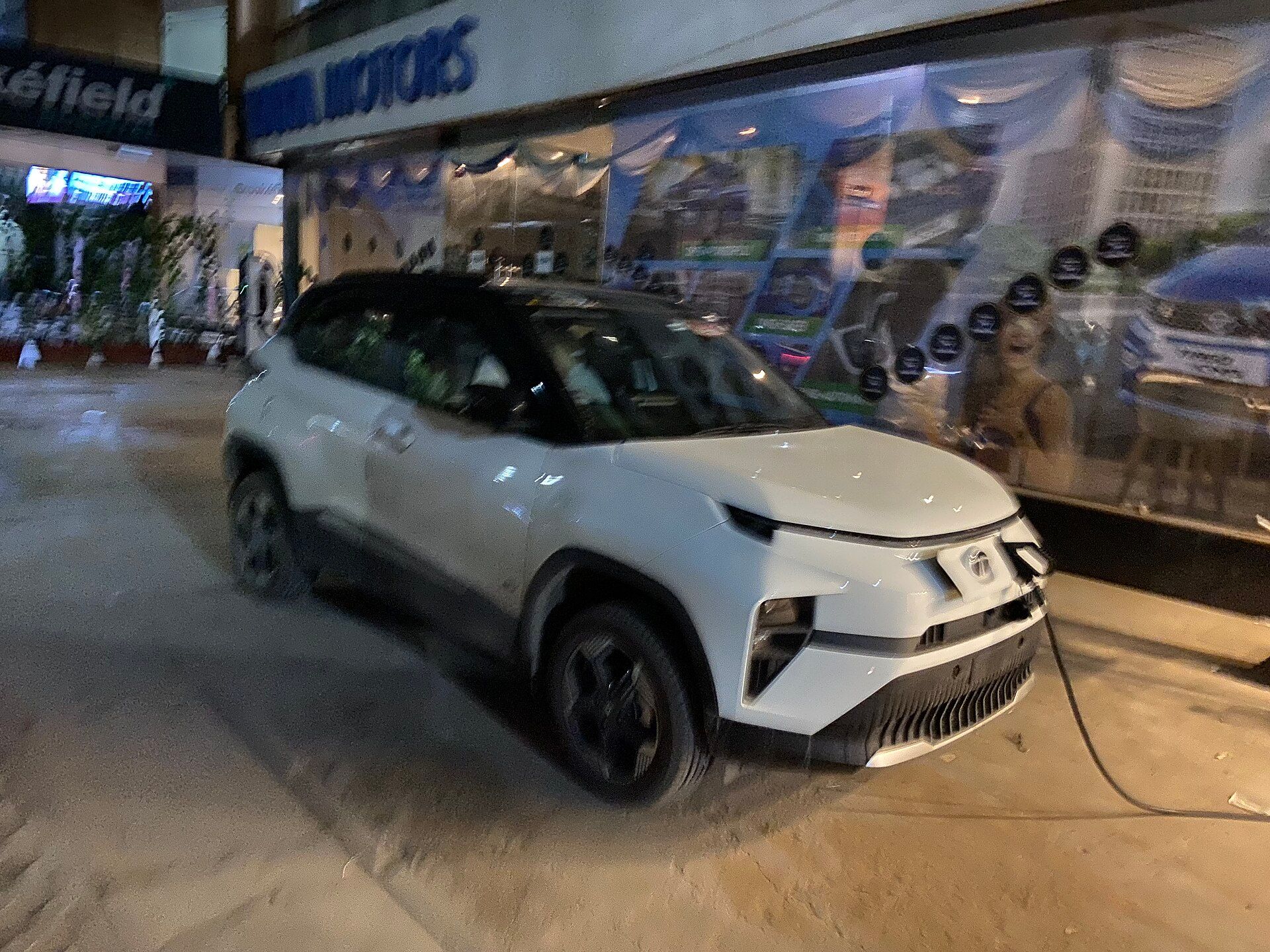
- Tata Motors Punch EV ₹9.79 lakh
- Ather Energy 450X ₹1.48 lakh
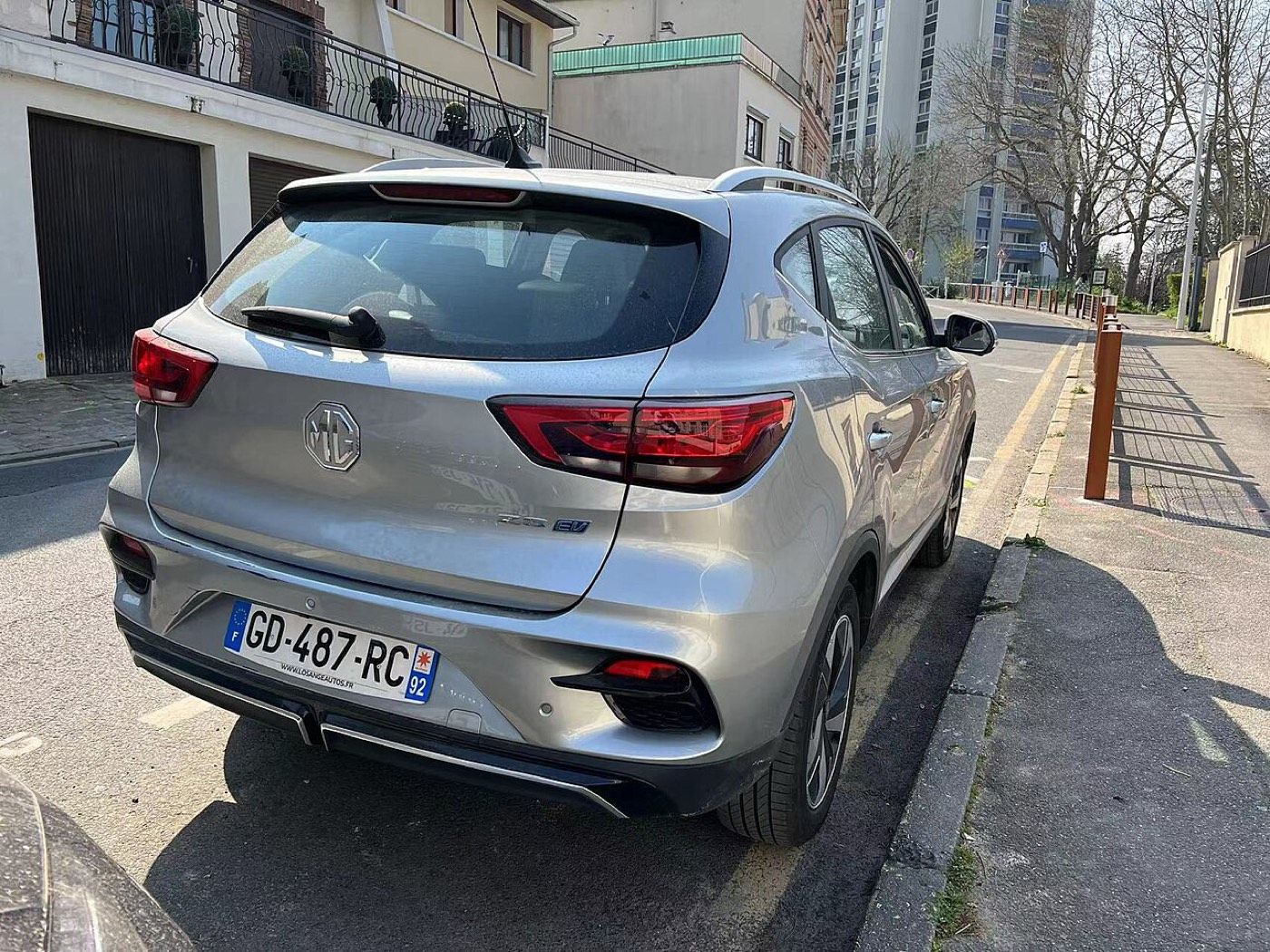
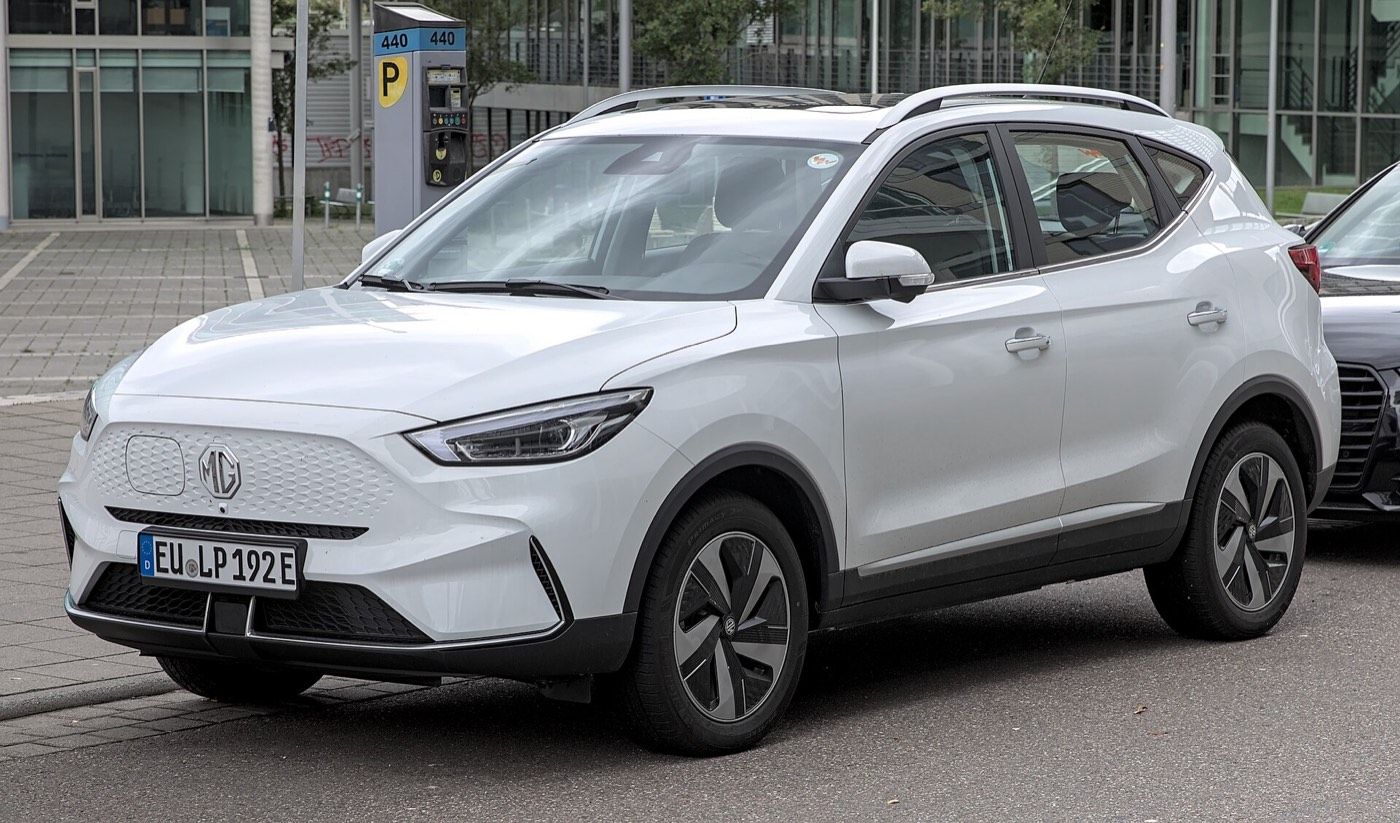
- MG Motor ZS EV ₹17.99 lakh
- TVS iQube 125 ₹1.19 lakh
- Hero Vida VX1X ₹1.54 lakh

Editor & Publisher
An electric car has maybe twenty parts in its drivetrain. The petrol car it replaced has hundreds. That difference is the entire purchase decision in disguise: it explains the shove, the silence, the 140 km/h ceiling, the charging anxiety and most of what will ever go wrong. Yet first-time buyers are handed a vocabulary — kWh, inverter, regen, single-speed — that hides how simple the machine actually is.
From the socket to the wheel
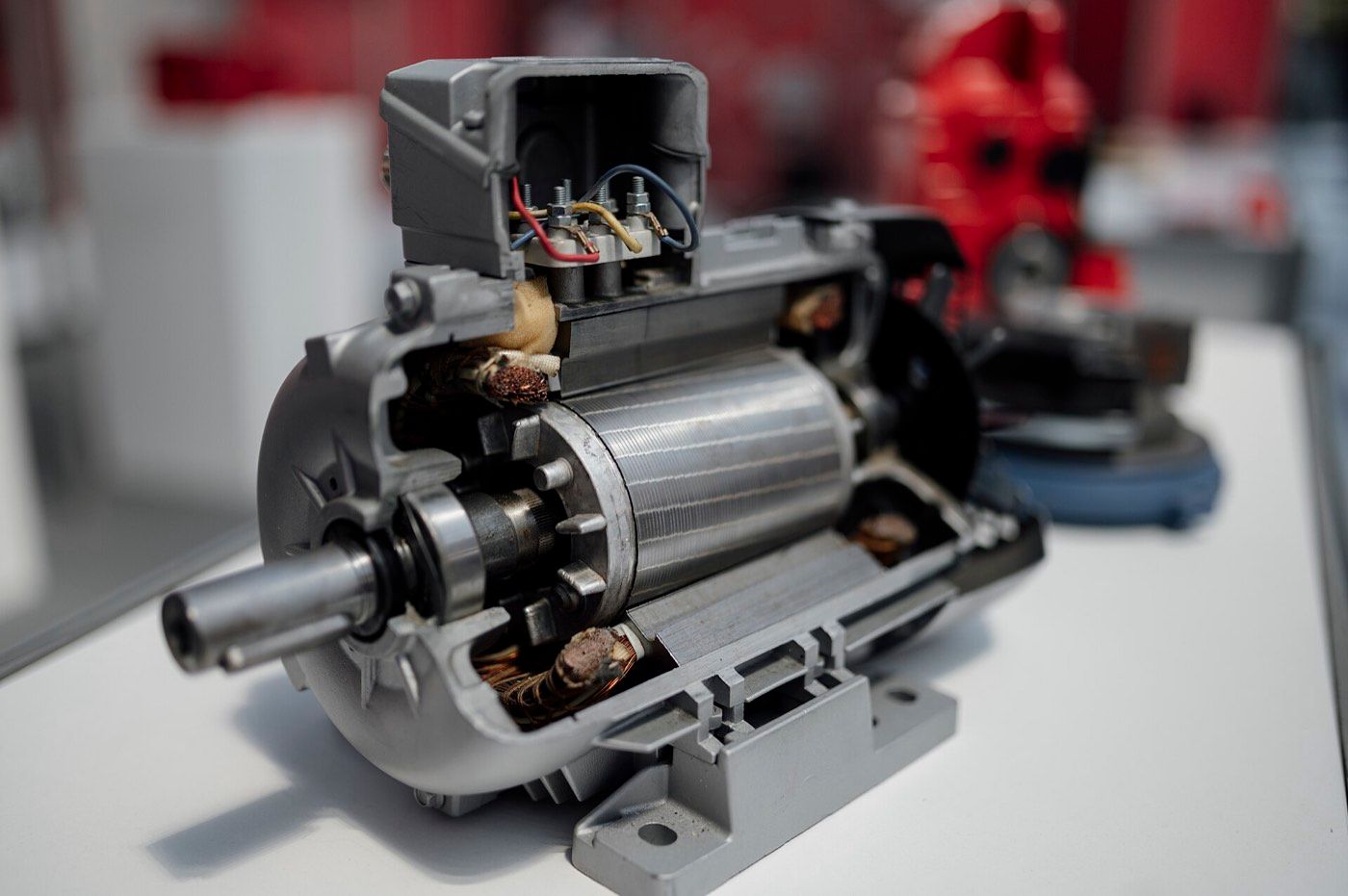
Four components do the work. A battery pack stores energy as direct current: the Nexon EV record carries 46.08 kWh, the ZS EV 50.3, the upcoming Punch EV an estimated 25, and a scooter like the Ather 450X gets by on 3.7. An inverter converts that direct current into the alternating current the motor runs on, and it is the smartest component in the system, deciding thousands of times a second how much of the pack reaches the motor. The motor itself does the pulling: our records list 141 bhp and 215 Nm in the Nexon EV, 177 bhp and 280 Nm in the ZS EV. And between motor and wheel sits a single-speed reduction gearbox — one fixed gear ratio, nothing to shift.
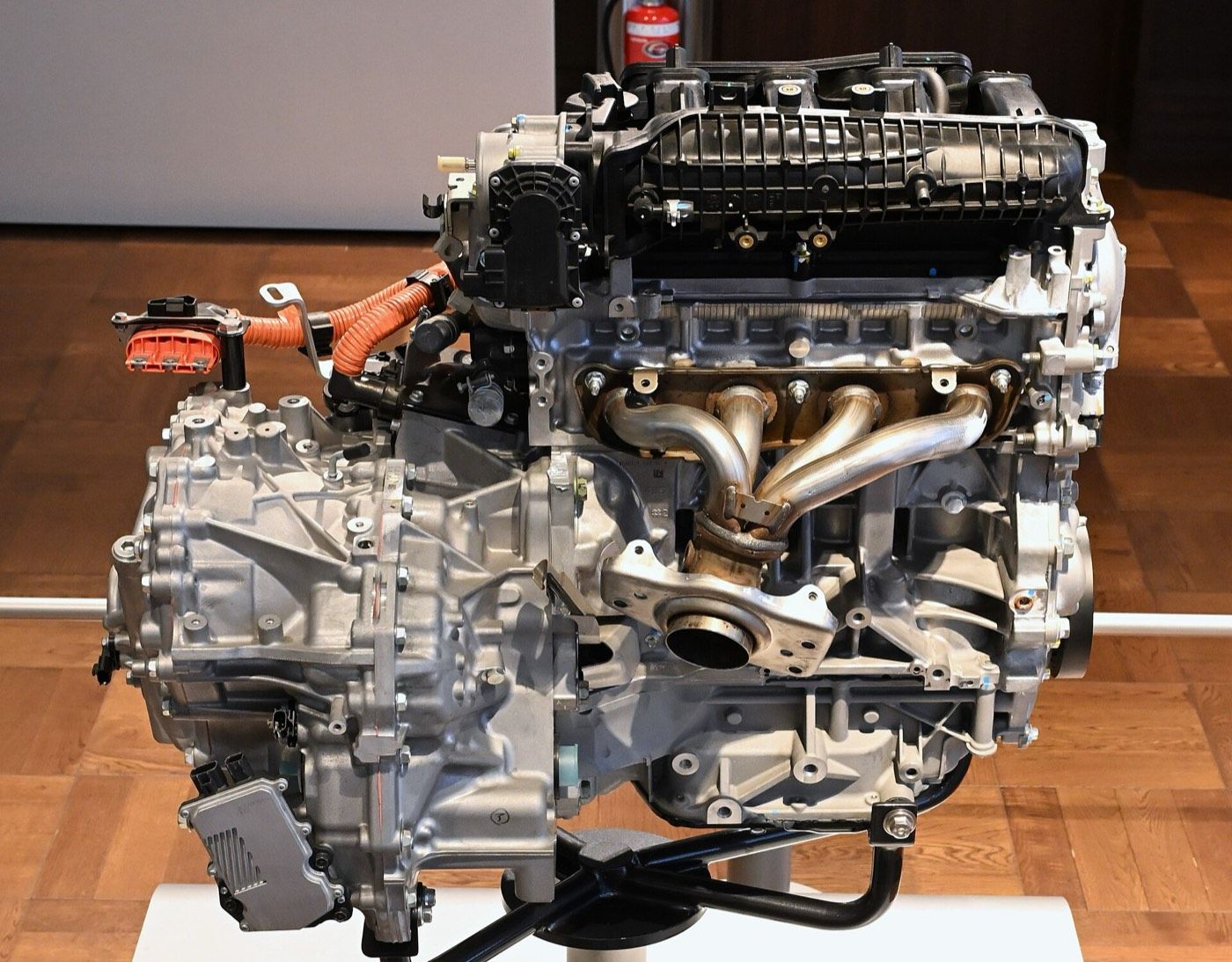
That is the whole traction chain. There is no clutch, no torque converter, no exhaust, no fuel tank, no radiator complex. The iQube 125 adds a small engineering flourish, driving the rear wheel through a belt instead of a chain, and the Vida does it through a hub motor, but the parts list stays the same length.
Why there is no clutch and no gears
An engine makes power in a narrow band near its redline and almost none at idle, so a gearbox exists to keep it in that band while the car runs from 0 to 160 km/h. An electric motor does not need the favour. Our catalogue records the ZS EV’s 280 Nm arriving from 0 rpm, flat, while the Creta’s petrol engine waits until 4,500 rpm to see its 144 Nm. A motor makes its best torque the instant you ask, across a rev range an engine could not survive.
One fixed ratio is therefore enough for everything except the extremes. From it comes the shape of every electric performance page here: violent off the line, uninteresting past 100 km/h. The ZS EV listing says it politely — the single-speed drivetrain is effortless to 100 km/h and then politely declines to be quick — and the Nexon EV record repeats it word for word in its cons. The scooters make the arithmetic visible: the 450X lists 6.4 bhp, less peak power than the Activa 6G’s 7.8 bhp petrol engine, and beats it up every signal with 26 Nm from zero, then stops dead at its 90 km/h ceiling while the petrol scooter keeps going.
Charging: AC is slow because the car is doing the work
The charging field in our records splits two ways. AC — a home socket or wall box — arrives as alternating current, and the car’s onboard charger converts it; that is why iQube 125 listing says 0-80% in about four hours and the Punch EV estimate says overnight on a 15-amp socket, and why the 450X takes just under five hours to full at home. DC fast charging skips the onboard unit and feeds the pack directly, which is how the Nexon EV record gets 0-80% in 60 minutes and the ZS EV in about 50. Both stop being fast at the last 20 per cent to protect the pack. Hero’s Vida hedges differently: a fixed-swap station replaces the empty pack with a full one in under two minutes, which is charging traded for logistics.
An EV is a heater, an air conditioner and a computer that also drives. Everything about the ownership experience follows from what those three things cost the pack.
Regen is a driving mode, not a brake
Lift off the throttle and the motor runs backwards as a generator, feeding energy to the pack and slowing the car. The ZS EV record gives the rider paddle-selected regeneration levels; the Nexon EV and Punch EV list modes; the 450X recovers enough on Bengaluru’s hills, per its listing, to make the range estimate trustworthy rather than aspirational. Strong enough, on the gentlest setting of the Vida’s three ride modes, that the throttle alone governs most city deceleration. The honest size of the effect — what a 60-to-0 km/h stop actually returns — is its own subject, and we have a separate guide to it.
What actually fails
Because the parts list is short, the failure list is too, and it is not the headlines. The traction battery’s real degradation curve moves the range on our listing slowly over years; the catalogue already prices that in by printing claimed and expected figures side by side. The likelier headaches are the inverter and onboard charger (the hottest, most-worked electronics), the 12-volt auxiliary battery (a conventional part doing unconventional duty, and the one failure that can leave a full-pack car dead), and software that decides a warning light is worth your morning. Against that, stand the things that cannot fail because they were never fitted: a clutch plate, a torque converter, timing belts, gear synchronisers.
The honest summary is the Punch EV listing making it plainly: buy one as the second car with somewhere to plug in overnight, and the mechanics argue in your favour. Buy it as the only car with no socket, and the single-speed simplicity never gets the chance to pay.
Frequently asked questions
Why do electric cars not have gears?
Because a single-speed reduction is enough. Our catalogue records the ZS EV making 280 Nm from 0 rpm and the Nexon EV 215 Nm from standstill; an engine needs a gearbox to build torque up through revs, a motor already has it at zero. The cost is a low top speed: every electric car listed here is capped, at 140 km/h, and the 450X scooter at 90.
Does an EV need servicing if there is no engine oil?
Less, not none. Tyres wear faster under the mass of a battery car, brake fluid and cabin filters still have schedules, and the 12-volt battery that boots the electronics is a consumable. What disappears from the bill is the engine side: oil, filters, clutch plates, gearbox servicing.
What is the difference between AC and DC charging?
AC charging uses the car’s own onboard charger and is what a home socket or wall box delivers: our Punch EV listing expects an overnight fill on a 15-amp socket. DC charging bypasses the onboard charger and feeds the pack directly: that is how the Nexon EV record manages 0-80% in 60 minutes and the ZS EV in about 50.
Is the battery the part that fails?
It is the part that ages, which is different. The catalogue’s own numbers admit the drift: against the ZS EV’s claimed 461 km, the listing plans for real-world use in the low-to-mid 300s with air conditioning. Electronics, chargers and 12-volt systems throw more early failures than a healthy traction pack.