Price update
Tata cuts Nexon EV prices without touching the range or the battery
Ex-showroom pricing now runs from ₹12.49 lakh to ₹15.99 lakh, with the company tying the reduction to battery cost economics rather than content changes.
- Tata Motors Punch EV ₹9.79 lakh
- Tata Motors Nexon ₹7.4 lakh
- Tata Motors Nexon EV ₹12.49 lakh

Editor & Publisher
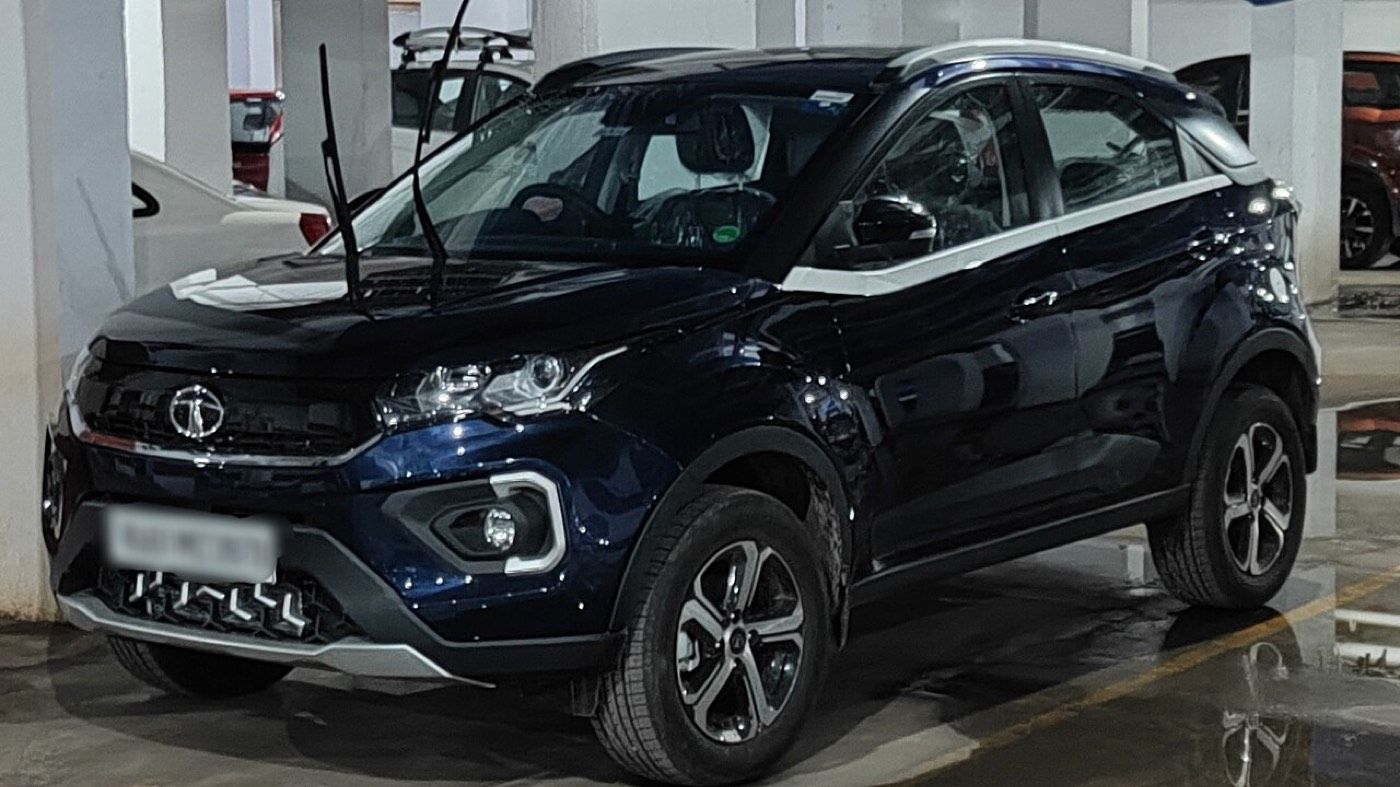
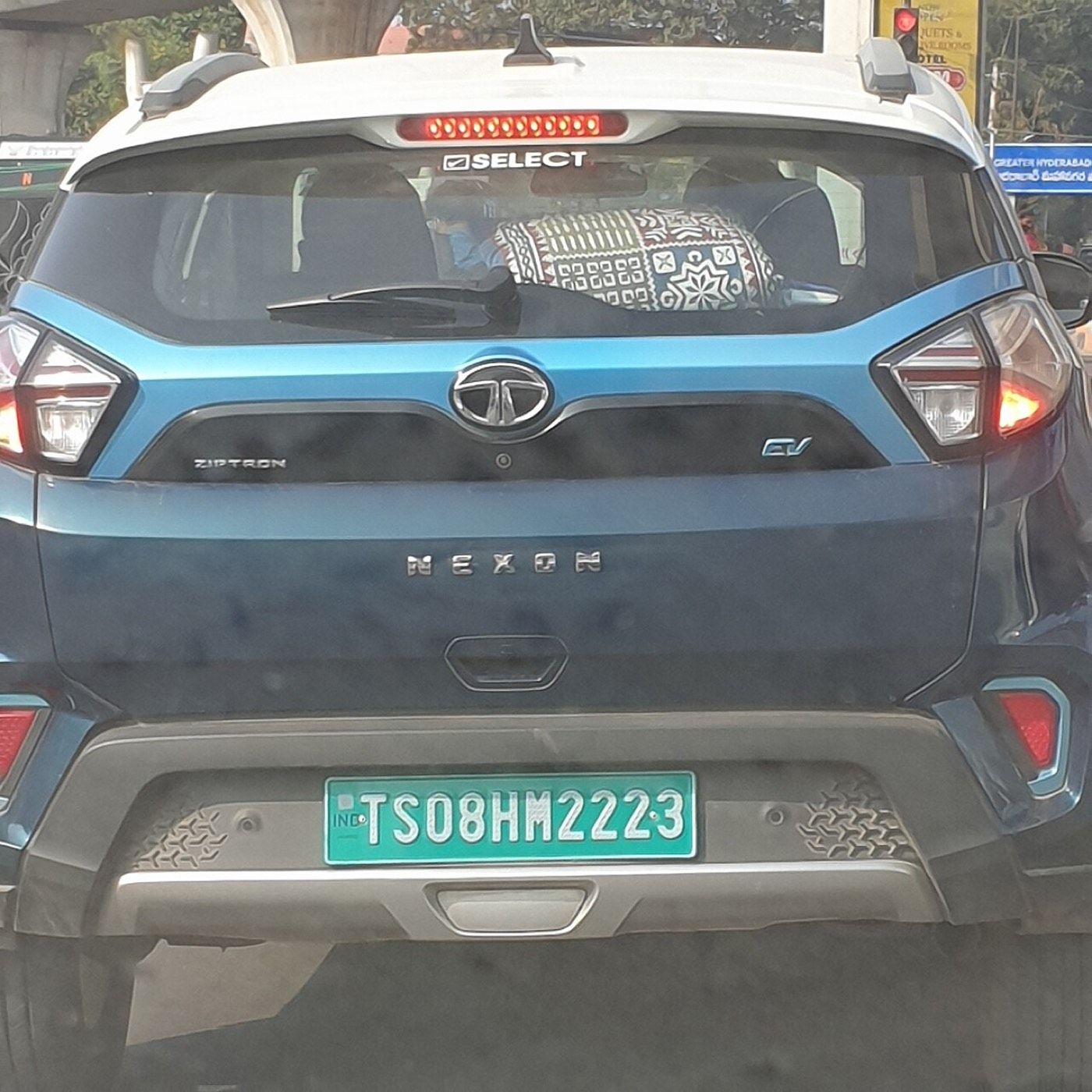
Tata has revised the ex-showroom price list for the Nexon EV, and the revision is a straight reduction rather than a re-shuffling of trims. The Smart trim now opens at ₹12.49 lakh, Accomplished sits at ₹14.49 lakh and the flagship Accomplished + A closes the range at ₹15.99 lakh. The 46.08 kWh battery pack, the 489 km claimed range and the 141 bhp, 215 Nm motor are unchanged, and Tata is explicit that equipment has not been trimmed to fund the cut.
For the market, the significance is psychological as much as arithmetic. The Nexon EV has spent its life arguing that an electric SUV can be a family’s only car; a lower entry price moves that argument into the consideration set of buyers who would otherwise have defaulted to a petrol SUV.
What actually came down
Battery cost is the honest answer. Cell prices have fallen steadily across the supply chain, and Tata has been localising pack assembly and component sourcing for long enough that the savings are now structural rather than one-off. The company’s position is that this is what scale is supposed to deliver.
Tata’s price-revision note attributed the reduction to the cost of the energy storage itself rather than to removing features, framing the change as the expected outcome of localising packs at Pune volume rather than as a promotional move.
That distinction matters to a buyer. A discount that is funded by deleting a heat pump or downgrading a tyre is a bad trade three years later on the resale block. A reduction funded by cheaper cells is permanent and does not change what the car is.
What it does to the running equation
The Nexon EV’s real-world range with air conditioning running sits in the 300-350 km band on MotoSutra’s estimate, well short of the 489 km certificate, and DC fast charging takes the pack from empty to 80 per cent in about 60 minutes. None of that improved with the price cut, and it should not be presented as if it did. What improved is the payback period: the same electricity cost per kilometre is now amortised over a smaller outlay, which is the only variable a price cut can move.
Set against the petrol Nexon, which starts a long way below this car and returns a claimed 17 kmpl, the electric version still needs meaningful monthly distance plus a home charging point to close the ownership gap. Below roughly 1,500 km a month, and with no overnight charging at home, the cut does not change the recommendation; above it, the arithmetic has never been closer.
How rivals are positioned now
Tata’s own Punch EV is the first casualty of the price discipline, because the gap between the two cars has narrowed and the smaller SUV’s practical advantage was never large: a claimed 350 km and a 121 bhp motor for less money still leaves the Punch EV as the sensible city choice, but the case for spending up is now better. Any rival that has priced its electric SUV against the old Nexon EV sheet has to restate its own number, which is the more important effect: this is still the segment’s reference price, and the reference price has moved down.
For a buyer who has been waiting, the case for waiting further is now thinner. Test one with the air conditioning on, over a route you actually drive, and buy it if the real-world range fits that route with margin.
Frequently asked questions
What is the Nexon EV priced at now?
MotoSutra's unverified catalogue lists the revised sheet at ₹12.49 lakh for the Smart trim, ₹14.49 lakh for Accomplished and ₹15.99 lakh for Accomplished + A, all ex-showroom.
Did the specification change with the price?
Tata says no. The 46.08 kWh battery, the 489 km claimed range and the 141 bhp motor carry over unchanged, as do the six airbags and stability control.
Does the price cut apply across India?
Not equally. Ex-showroom reductions translate differently on-road state by state, because road tax and registration charges are calculated on the new, lower base.