Buying guide
Best electric cars in India in 2026: all five EVs in our catalogue, ranked
Two Tatas, an MG, a BYD and a Volvo — from a ₹9.79 lakh projection to a ₹57.90 lakh centre airbag. The complete electric shelf, ranked on the range you can actually live with.
- Tata Motors Punch EV ₹9.79 lakh
- MG Motor ZS EV ₹17.99 lakh
- BYD Atto 3 ₹24.99 lakh
- Volvo EX30 ₹41.9 lakh
- Tata Motors Nexon EV ₹12.49 lakh


Editor & Publisher
In order, on the numbers
The ranked picks
-
₹12.49 lakh - ₹15.99 lakh
A claimed 489 km from the 46.08 kWh battery, 141 bhp and 215 Nm from zero, a five-star Global NCAP structure with six airbags, and the charging-and-service story that makes it a daily car rather than a second one, from ₹12.49 lakh. Real life with air conditioning is MotoSutra’s estimated 300-350 km, and the 140 km/h ceiling caps the fun on a fast highway.
- Range 489 km
- Power 141 bhp
- Seats 5
-
₹9.79 lakh - ₹12.49 lakh
Our pre-launch estimates put it at ₹9.79-12.49 lakh with a 25 kWh pack, 121 bhp and 170 Nm and a claimed 350 km inside the petrol Punch’s five-star shell and 187 mm of clearance. Every one of those numbers is a projection until Tata announces the car, which is exactly why it ranks second rather than first.
- Range 350 km
- Power 121 bhp
- Seats 5
-
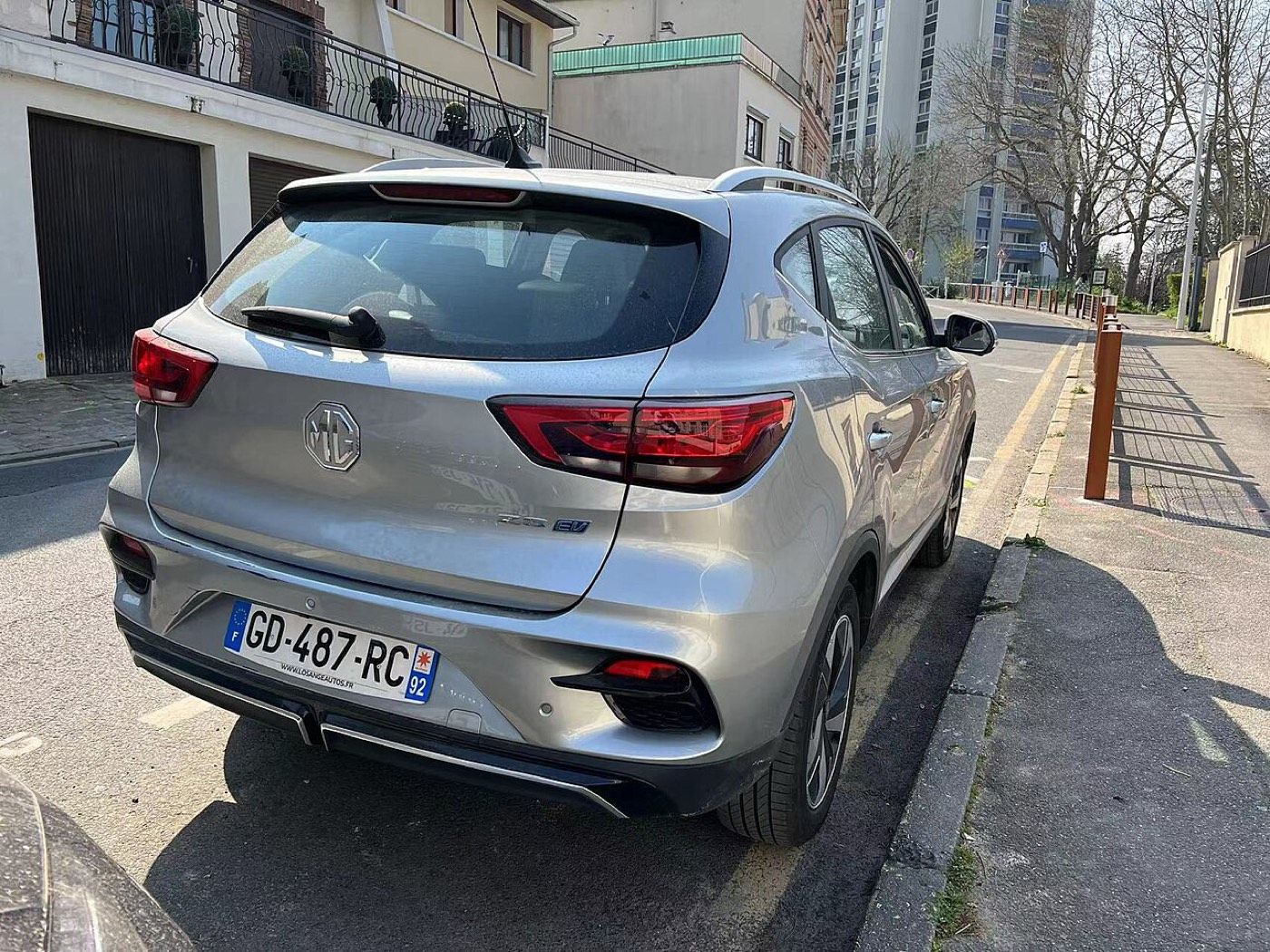
₹17.99 lakh - ₹22.49 lakh
177 bhp and 280 Nm off the line, a claimed 461 km from 50.3 kWh, a five-star GNCAP adult score with six airbags standard, from ₹17.99 lakh. Acceleration fades past 100 km/h, the suspension spec is soft, and MotoSutra expects highway range to fall faster than the badge suggests.
- Range 461 km
- Power 177 bhp
- Seats 5
-
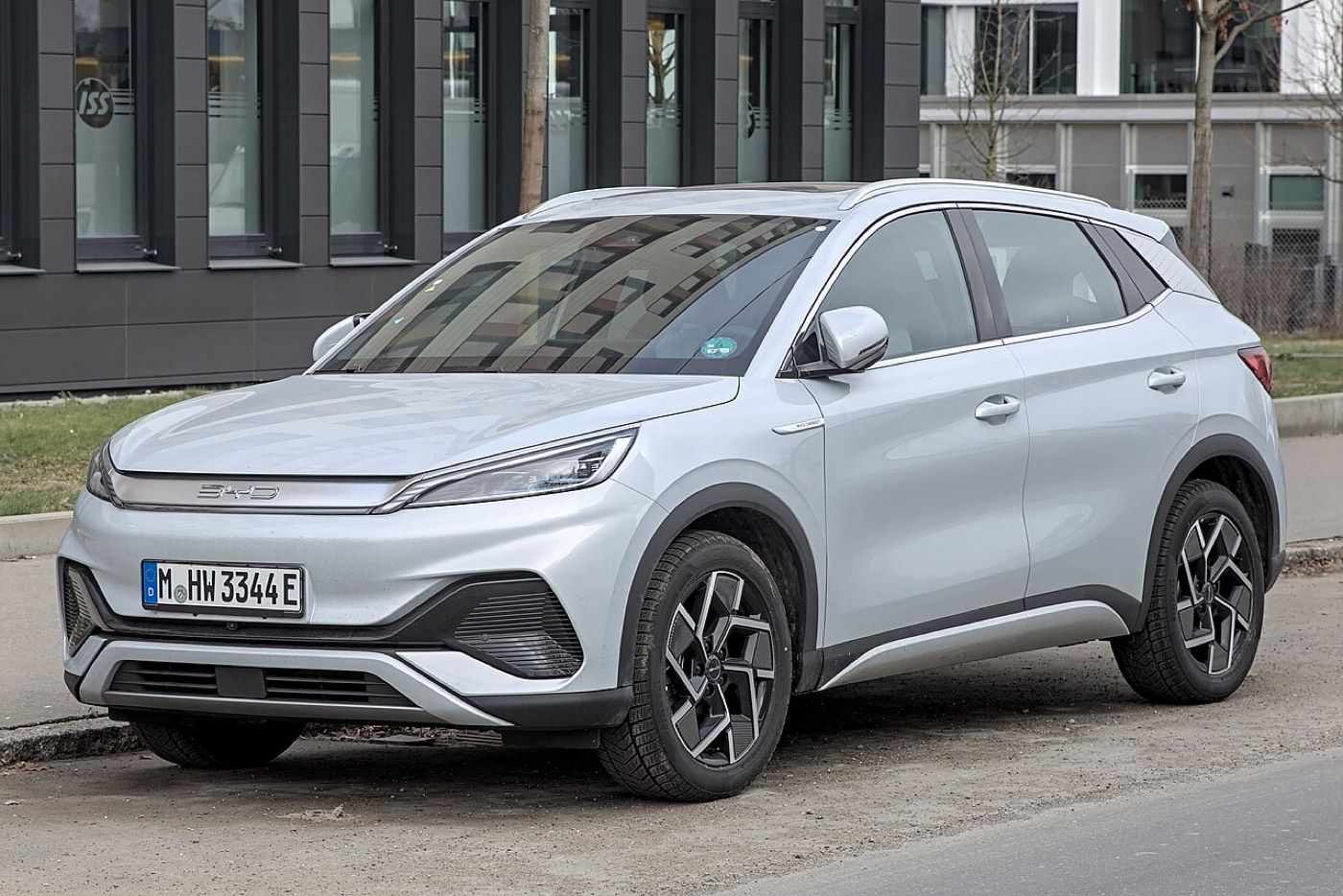
₹24.99 lakh - ₹26.99 lakh
The biggest battery here at 60.5 kWh for a claimed 521 km, 0-80 per cent in around 29 minutes on a 140 kW DC charger, 201 bhp and 310 Nm, seven airbags and a five-star adult score, from ₹24.99 lakh. Service-network depth and resale are open questions this catalogue cannot price, and 175 mm of clearance is the lowest among these five.
- Range 521 km
- Power 201 bhp
- Seats 5
-
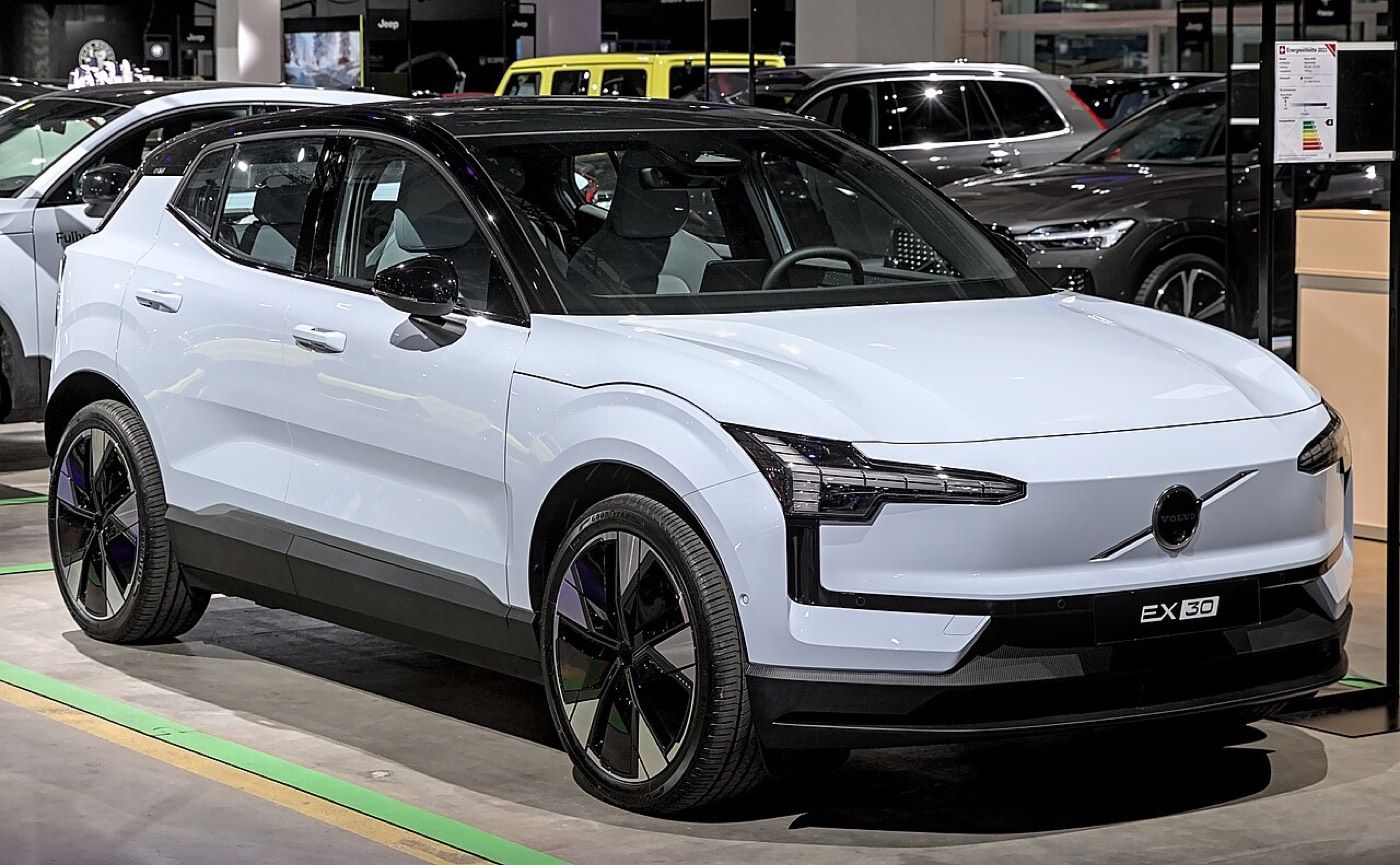
₹41.9 lakh - ₹57.9 lakh
A claimed 476 km on the 69 kWh extended-range battery, 10-80 per cent charging in about 26 minutes, a centre airbag and the full assistance suite standard on every variant, and 272 bhp with all-wheel drive at the ₹57.90 lakh top. The minimalist cabin — no driver display, no frunk, two adults in back — is a philosophy you have to want before you pay for it.
- Range 476 km
- Power 272 bhp
- Seats 5
India’s electric market in this catalogue is five cars deep, and the list is more interesting for its shape than its length: a micro-SUV that has not launched yet, the SUV that built the segment, a performance bargain, the road-trip machine, and a luxury object that argues minimalism is the new maximalism. The list ranks all five on the only question an EV purchase really asks — not how far it claims to go, but how much of that claim survives air conditioning, a full load, and a charger you do not own.
Three caveats up front. Every price is ex-showroom Delhi NCR. Every range figure is a laboratory claim, and MotoSutra’s planning number across this catalogue is roughly 60-70 per cent of it in everyday Indian use; no car here has been driven for this page, and the order is a reading of the documented specification. And the Punch EV has not been announced by Tata — its battery, range and price are our estimates, and the car is marked upcoming in the catalogue for exactly that reason.
1. Tata Nexon EV — the daily driver
The Nexon EV is the only electric car here whose ownership is documented like an appliance: order it, drive it, service it, and the numbers are all on the record. The 46.08 kWh battery claims 489 km and the record’s realistic-use band is 300-350 km with the climate on, which is a week of commuting for most households and a 0-80 per cent coffee stop of about 60 minutes on DC when it is not. The motor’s 215 Nm from zero makes it more than match its 141 bhp in traffic, and the five-star structure with six airbags is the same argument the petrol Nexon has been making for years.
The compromises are top speed and horizon. Above 100 km/h the single-speed motor loses its opinion, and the 140 km/h ceiling is the number to respect on a fast highway. Without a place to plug in overnight, part of the case disappears with the charging bill.
2. Tata Punch EV — the forecast
If the estimates land, this is the most important electric car in India: the cheapest five-star shell, 187 mm of clearance and an SUV seat at a projected ₹9.79 lakh, with 121 bhp and 170 Nm that should make the petrol Punch feel like a different era. A claimed 350 km translates to something like 240-280 km in summer with the AC working, which is comfortable for city weeks and needs planning for festival weekends.
It ranks second because none of those words have been confirmed by Tata. Battery packaging may eat the petrol car’s 366-litre boot, and the launch window is our late-2026 projection. It is the cheapest route into electric that does not exist yet — which is a reason to wait, not a reason to buy.
3. MG ZS EV — the enthusiast’s bargain
At ₹17.99 lakh the ZS EV is the most power per rupee on this list by a wide margin: 177 bhp and 280 Nm from standstill — launch torque a performance badge twice the price would claim as its own — on a five-star GNCAP structure with six airbags standard and a claimed 461 km from 50.3 kWh. MG’s connected-car suite is the segment benchmark on this listing, and 0-80 in about 50 minutes covers the unexpected trip.
The price of the deal is an older platform. Past 100 km/h a single-speed drivetrain of this size politely declines to be quick, the suspension spec favours town corners over highway ones, and MotoSutra expects highway range to fall faster than the claim suggests. On paper it is a city SUV first and a hobby second.
4. BYD Atto 3 — the road-trip EV
The Atto 3 is the one car here that changes long-distance arithmetic. The 60.5 kWh blade battery claims 521 km, the highest in this catalogue, and a 29-minute 0-80 per cent stop on a suitable 140 kW charger is what turns an electric SUV from a city car with pretensions into a festival-distance machine with planning. Inside there are 2720 mm of wheelbase worth of tunnel-less space, 410 litres of boot, seven airbags and a five-star adult score.
The fine print is ownership-shaped: service-network depth, spares lead times and used-value confidence are all open questions this listing cannot answer with numbers, and the 175 mm of clearance is town-slick where the Tatas are kerb-climbing.
5. Volvo EX30 — the argument
The EX30 asks what you actually need from a car and answers with performance and protection and noticeably little else: a claimed 476 km on the 69 kWh extended-range battery, 10-80 charging in about 26 minutes, 272 bhp twin-motor at the top of a ₹41.90-57.90 lakh ladder, and the most comprehensive standard safety package in this catalogue, including a centre airbag between the front seats. What you give up is pockets, an instrument cluster, a frunk, and any suggestion that three adults belong in the back. It ranks fifth because it is a different purchase — the one to take if the first four feel too reasonable.
Frequently asked questions
Which electric car is the best buy in India right now?
The Nexon EV, on this catalogue’s numbers. It is the one car here that is priced like a mainstream SUV, carries a proven five-star structure, and whose 300-350 km real-world estimate belongs to a car already on the road rather than to a projection. Everything above it buys more with more caveats; everything below it does not exist yet.
Do I need a home charging point?
Treat it as the decision, not an accessory. Every running-cost advantage in this listing assumes overnight charging on a home socket; on public DC alone the ZS EV’s and Atto 3’s economics start to look like premium petrol, and the Nexon EV’s advantage narrows to convenience rather than cost.
Which of these has the longest range?
On the claimed number, the Atto 3 at 521 km, then the Nexon EV at 489 km, the EX30 at 476 km, the ZS EV at 461 km, and the Punch EV at an estimated 350 km. Every one of those is a laboratory figure; with air conditioning and Indian traffic this catalogue plans around roughly 60-70 per cent of the claim, which is where the ordering can change.
Should I wait for the Punch EV?
If your need is a city second car and ₹9.79 lakh projected is the ceiling, yes — nothing launched undercuts an estimated 25 kWh pack in a five-star shell. If this would be the household’s only car, the Nexon EV’s battery and charging story are on the road today and the wait is not worth stranding yourself for.