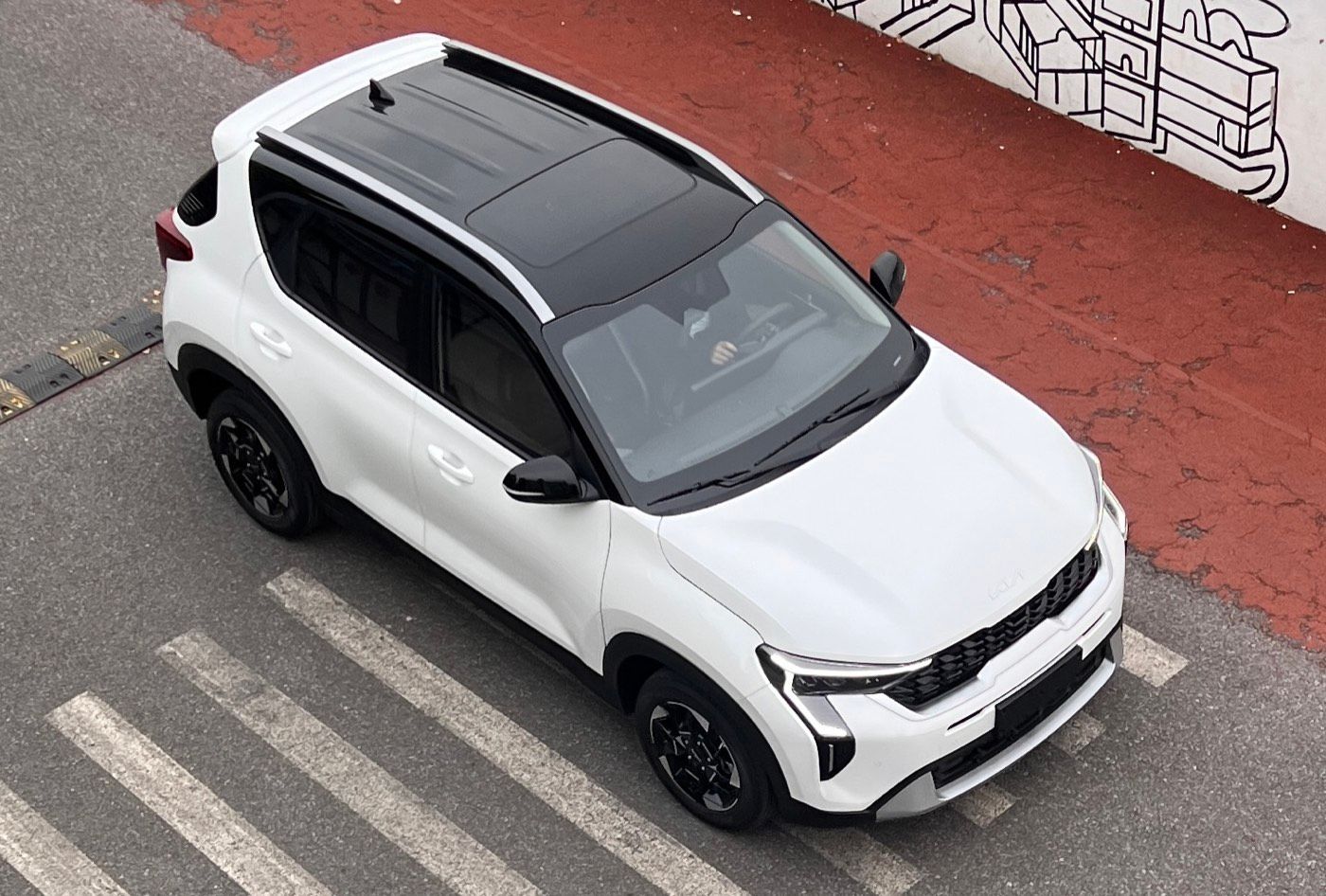
Car comparison
Mahindra XUV 3XO vs Tata Nexon: five stars against five stars, and a ₹2.49 lakh entry gap
Both compact SUVs on MotoSutra’s unverified catalogue carry a five-star adult crash score, both sit on a 2600 mm wheelbase, and both claim 17 kmpl. Then the price ladders, the engines and the philosophies diverge hard.
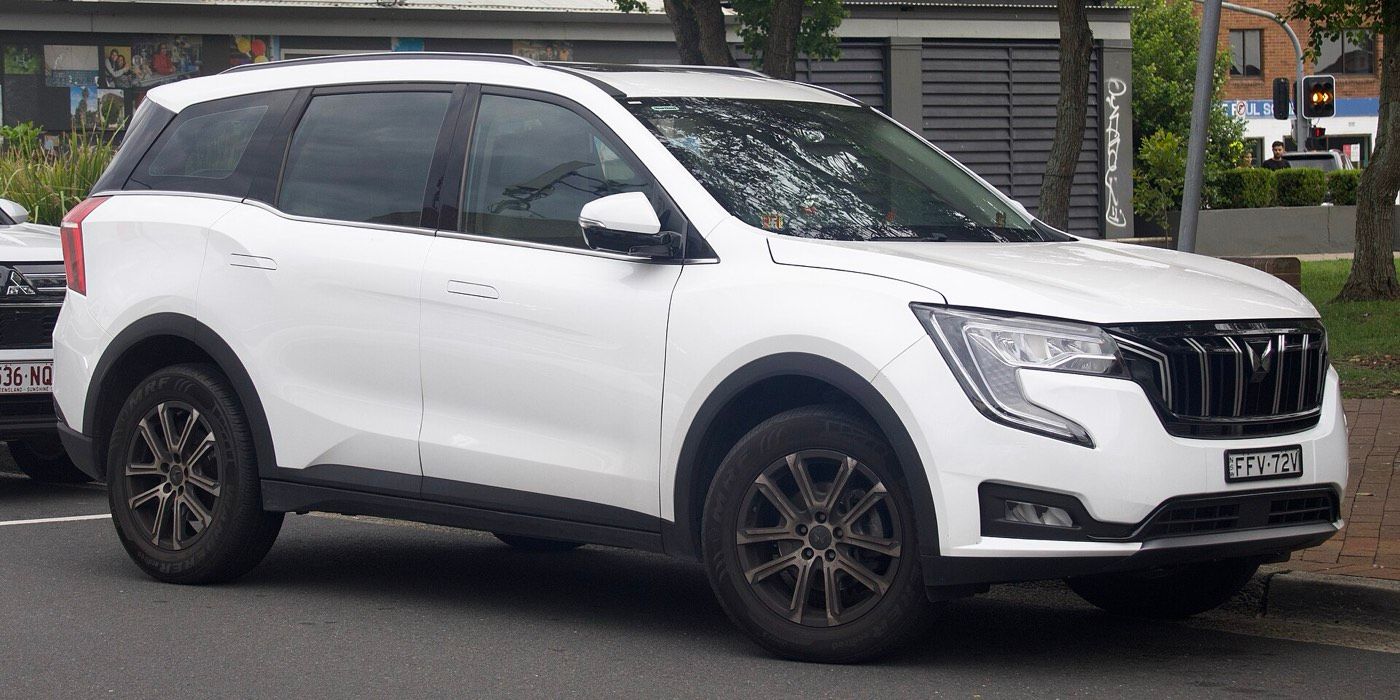
- Mahindra XUV 3XO ₹9.89 lakh
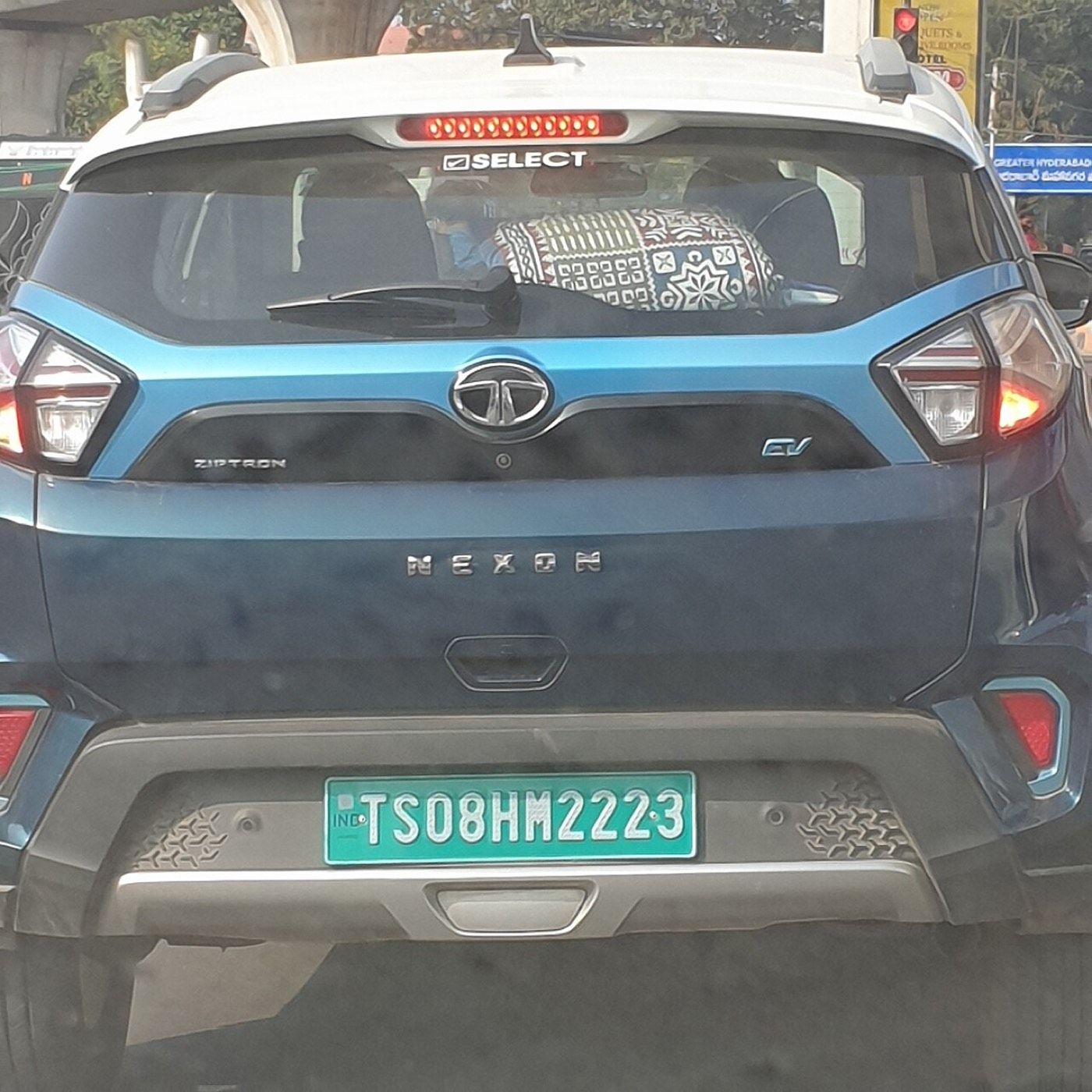
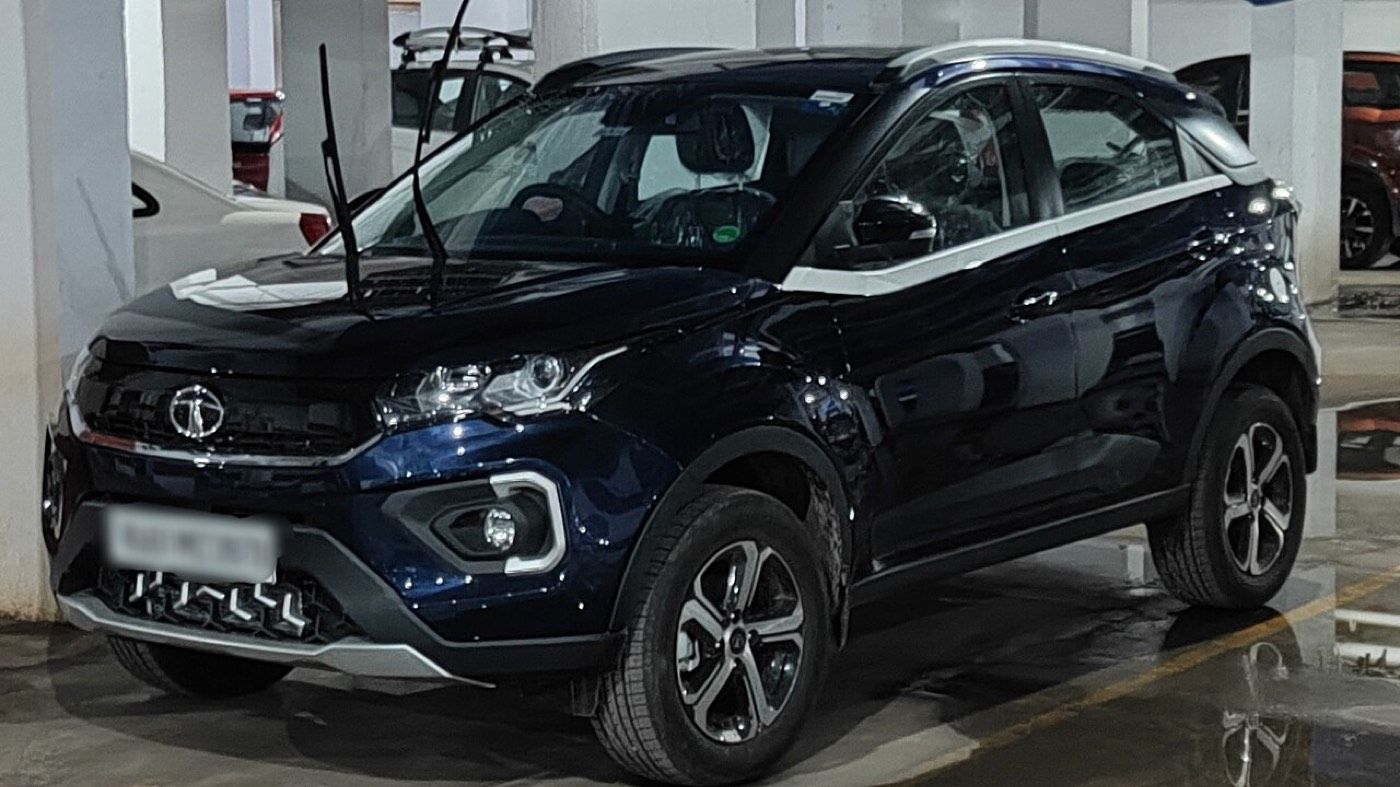
- Tata Motors Nexon ₹7.4 lakh
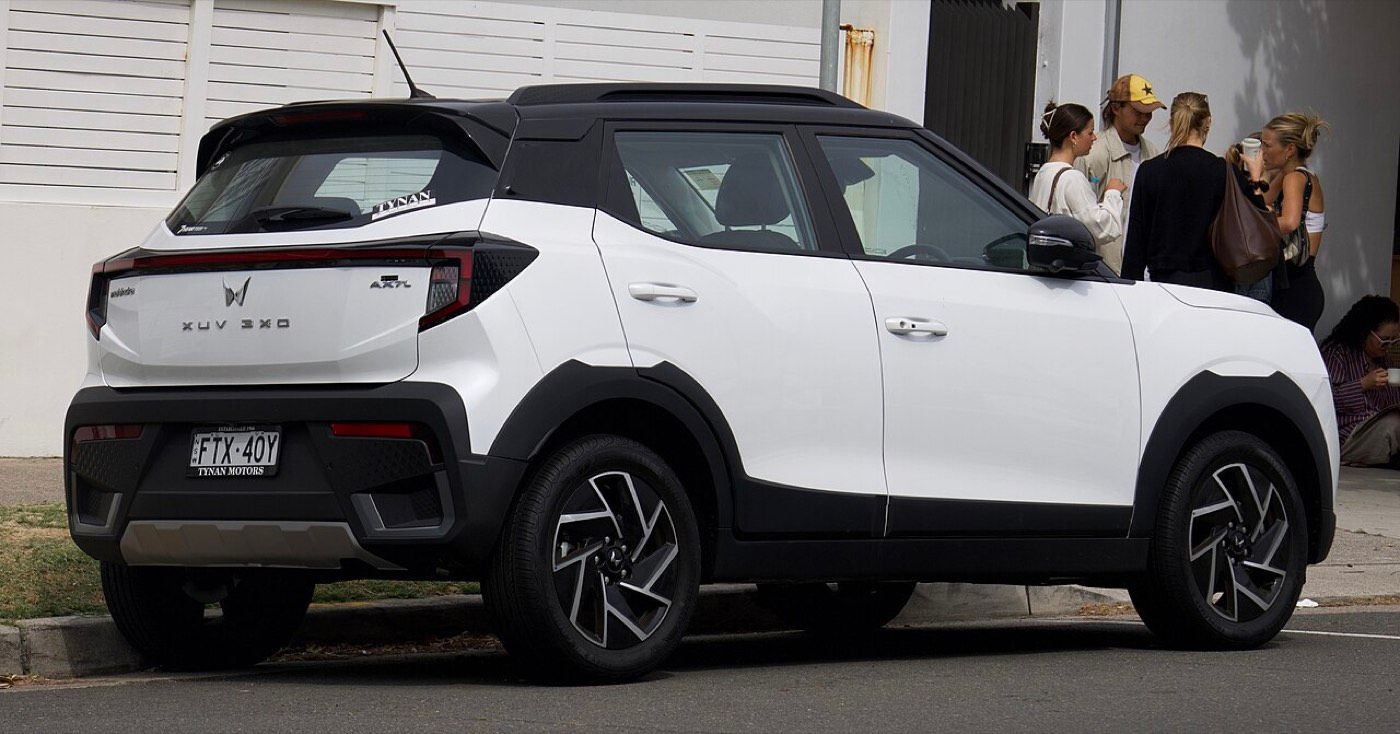

Editor & Publisher
Head to head
- Entry price Tata Motors Nexon The Nexon Smart lists at ₹7.40 lakh against the XUV 3XO MX at ₹9.89 lakh, ex-showroom Delhi NCR — nearly two and a half lakh for the badge of screens.
- Top-spec price Tata Motors Nexon ₹10.49 lakh for the Nexon Accomplished + DCT against ₹14.90 lakh for the 3XO AX7 L AT; Tata’s ladder is shorter and cheaper at every rung.
- Engine performance Tata Motors Nexon The Nexon turbo: 118 bhp and 170 Nm from 1750 rpm. The 3XO’s 1.5 four: 110 bhp and 140 Nm, smooth, willing, and candidly "never fast" in its own listing.
- Crash protection Mahindra XUV 3XO A draw on stars — five each — but the 3XO lists up to seven airbags on the top variant against the Nexon’s six, with both fitting stability control as standard.
- Boot space Mahindra XUV 3XO 376 litres for the 3XO against 350 for the Nexon, behind a taller, squarer tailgate.
- Road clearance Mahindra XUV 3XO 205 mm of ground clearance for the Mahindra against 187 mm for the Tata, and the 3XO is 35 mm wider.
- Claimed efficiency Even Both listed at 17 kmpl, and both catalogue records concede roughly 11-12 kmpl in a city that sits on the clutch.
| Specification | Mahindra XUV 3XO ₹9.89 lakh | Tata Motors Nexon ₹7.4 lakh |
|---|---|---|
| Ex-showroom price | ₹9.89 lakh | ₹7.4 lakh |
| Engine | 1497 cc | 1199 cc |
| Power | 110 bhp | 118 bhp |
| Torque | 140 Nm | 170 Nm |
| Mileage | 17 kmpl | 17 kmpl |
| Top speed | 170 kmph | — |
| Gearbox | Manual / Automatic | Manual / DCT |
| Kerb weight | 1400 kg | — |
| Seating | 5 | 5 |
| Boot space | 376 litres | 350 litres |
| Safety | 5 stars | 5 stars |
| Body type | Compact SUV | SUV |
| Status | Available | Available |
| Categories won | Mahindra XUV 3XO wins 2 of 13 | Tata Motors Nexon wins 3 of 13 |
Only specifications present in both records are listed. figures without a named source document are unverified motosutra catalogue estimates, not official specifications. confirm current numbers with the manufacturer.
There is a version of this comparison that is entirely about numbers, and the numbers say the Nexon is ₹2.49 lakh cheaper at entry, ₹4.41 lakh cheaper at the top, and quicker by 30 Nm. Then there is the version that involves sitting in both cars, where the XUV 3XO has a bigger boot, taller clearance, a wider body, a screen for every occasion and up to seven airbags, and where the question stops being “why is the Tata cheaper” and becomes “what exactly is Mahindra selling for the extra.” Both are five-star compact SUVs in this catalogue’s listings — the Nexon on a Global NCAP adult score, the 3XO on Bharat NCAP — which removes the easiest argument from the showroom and leaves engine, packaging and money to decide it.
How they drive, and the kind of quick each one is
MotoSutra has driven neither car, so this section weighs documented outputs and suspension specifications rather than a shared highway. The Nexon’s 1.2 turbo is the better engine full stop. 118 bhp and a 170 Nm plateau from 1750 to 5500 rpm means the car should leave signals ahead of the 3XO, take an overtake at 90 km/h without a speech, and climb a ghat road without the three-cylinder falling back on its lungs. Its costs are the known ones: gruffness at idle, cabin noise expected early above 100 km/h, and a seven-speed dual-clutch at the ₹10.49 lakh top of the ladder that is quick on a highway and the kind that judders at a bumper.
The 3XO answers with a different kind of competence. Its 1.5-litre four is smooth, quiet at walking pace and pulls its 140 Nm without complaint, but its own listing is honest about the character: “smooth but never fast,” with a top speed of 170 km/h against the Nexon’s highway-friendly spread. Move a fully loaded 1,400 kg — this catalogue’s heaviest kerb figure between these two — and the Mahindra should ask for the downshift the Tata manages without. What the 3XO does own is the ride, on its measurements: 205 mm of clearance, taller sidewalls and a suspension set-up that treats a badly built speed breaker as a rumour. The Nexon has 187 mm and a firmer brief; both shrug, the Mahindra soaks — or the spec sheets say so.
There is one more everyday difference the spec sheets underplay: the 3XO’s touch-first cabin buries the fan control in a menu. The Nexon keeps more physical logic within reach, which sounds like a trivium until you’ve adjusted an air vent at 70 km/h for the ninth time.
Space and packaging, where the extra lakhs actually went
The wheelbases are identical — 2600 mm each, which is the open secret of the segment and why both give adults real knee room — so the separation happens elsewhere. The 3XO is 35 mm wider (1,780 against 1,745) and taller (1,626 against 1,611), and it spends the advantage on a 376-litre boot against the Nexon’s 350, plus a load area the Mahindra’s boxier tail shapes more usefully. Both cars’ catalogues concede the boot is merely decent for the footprint rather than class-leading, and both rear benches are genuinely good for two, narrow-padded for a third.
Outside, both squeeze past four metres by 2 and 7 mm respectively — you will notice neither — but the 3XO’s mirror-to-mirror width and its 205 mm of clearance make it the better bad-road vehicle and the worse parking-lot one.
Equipment and safety, five stars each and a long list apiece
This is the comparison’s truce. Both fit six airbags, ABS with EBD and stability control across the range; both carry five-star adult scores in this catalogue. The 3XO’s top variant adds a seventh airbag and the Level-2 driver-assistance suite — features the Nexon ladder in this listing does not carry at any price — while the Tata’s answer is that everything a ₹14.90 lakh 3XO has standard, a ₹9.60 lakh Accomplished Nexon largely matches at two-thirds the money.
Above that equipment war, the cabins diverge by philosophy. The Mahindra is the gadget car: big central screen flanked by digital cluster, ventilated and powered front seats, panoramic roof, 360-degree camera on the upper rungs. The Tata is the sensible one: 10.25-inch touchscreen, connected-car app, ventilated seats near the top, and materials its own listing admits are hard-wearing rather than lavish. If the screen-first life sounds like the future to you, buy the 3XO and learn its menus; if it sounds like Tuesday’s inconvenience, the Nexon keeps its knobs.
Running costs, the quiet chapter
Both claim 17 kmpl; both catalogues tell you, almost word for word, that the city will hand back 11-12. Fuel ledgers are therefore a draw, and the differences are elsewhere: Tata’s parts prices are the fleet-friendly ones, Mahindra’s service experience still varies more by outlet than by schedule, and the 3XO’s 1,400 kg kerb weight asks its tyres and brakes to work a little harder than the lighter, shorter-geared Nexon ever does. Resale on both is strong while the segment stays hot; neither has the Maruti cushion, and neither needs it at this money.
Who should buy which
Buy the Nexon if the car will spend real time carrying more than one person at highway speed, if the budget lives under ₹11 lakh, or if you want five-star safety and a turbo for the money a 3XO spends on its sunroof. It is the driving purchase and the value purchase.
Buy the XUV 3XO if you are at ₹13 lakh or above anyway, if the bad-road ride height and the bigger boot are usage rather than wishfulness, and if a big-screen cabin is something you’ll enjoy daily instead of resenting. It is the packaging purchase and the equipment purchase. What it is not is the faster one — the engine, of all things, is where Mahindra asks for the premium and the Tata keeps the answer.
The two models
Frequently asked questions
Is the XUV 3XO or the Nexon safer?
On structure, a stalemate: on MotoSutra’s unverified catalogue the Nexon carries a five-star Global NCAP adult score with six airbags standard from the base variant, and the 3XO carries a five-star Bharat NCAP adult score with six airbags standard and up to seven on the top AX7 L AT. The only meaningful separation is that the Tata puts its full crash kit on a ₹7.40 lakh car while the seventh airbag needs a ₹14.90 lakh one.
The 3XO costs so much more. What does the money buy?
Packaging and gadgets. A bigger boot (376 against 350 litres), more ground clearance (205 against 187 mm), a wider body, the big-screen dual-display cabin, ventilated and powered seats, a panoramic roof, a 360-degree camera and, at the very top, a driver-assistance suite the Nexon list does not carry. Mechanically, it does not buy speed — the Nexon’s turbo is the quicker engine by a clear 30 Nm.
Which is the better highway car?
The Nexon, on engines. The 3XO’s naturally aspirated 1.5 is relaxed at a steady 100 km/h but its own listing says a loaded overtake wants planning; the Nexon’s 170 Nm makes the same manoeuvre a decision rather than a project, and its dual-clutch holds a gear when the Mahindra’s automated box gives its best arguments to the rev counter. MotoSutra expects wind noise to be the Tata’s atonement — the louder cabin above 100 on the size and glass area.