Explainer
What is regenerative braking? The energy your EV gets back, sized honestly
Every electric listing promises you charge for free by braking. Here is the arithmetic behind the promise, why the recovery figure on the brochure and the one in Bengaluru traffic are different numbers, and what the one-pedal habit is actually worth.
- Tata Motors Punch EV ₹9.79 lakh
- Ather Energy 450X ₹1.48 lakh
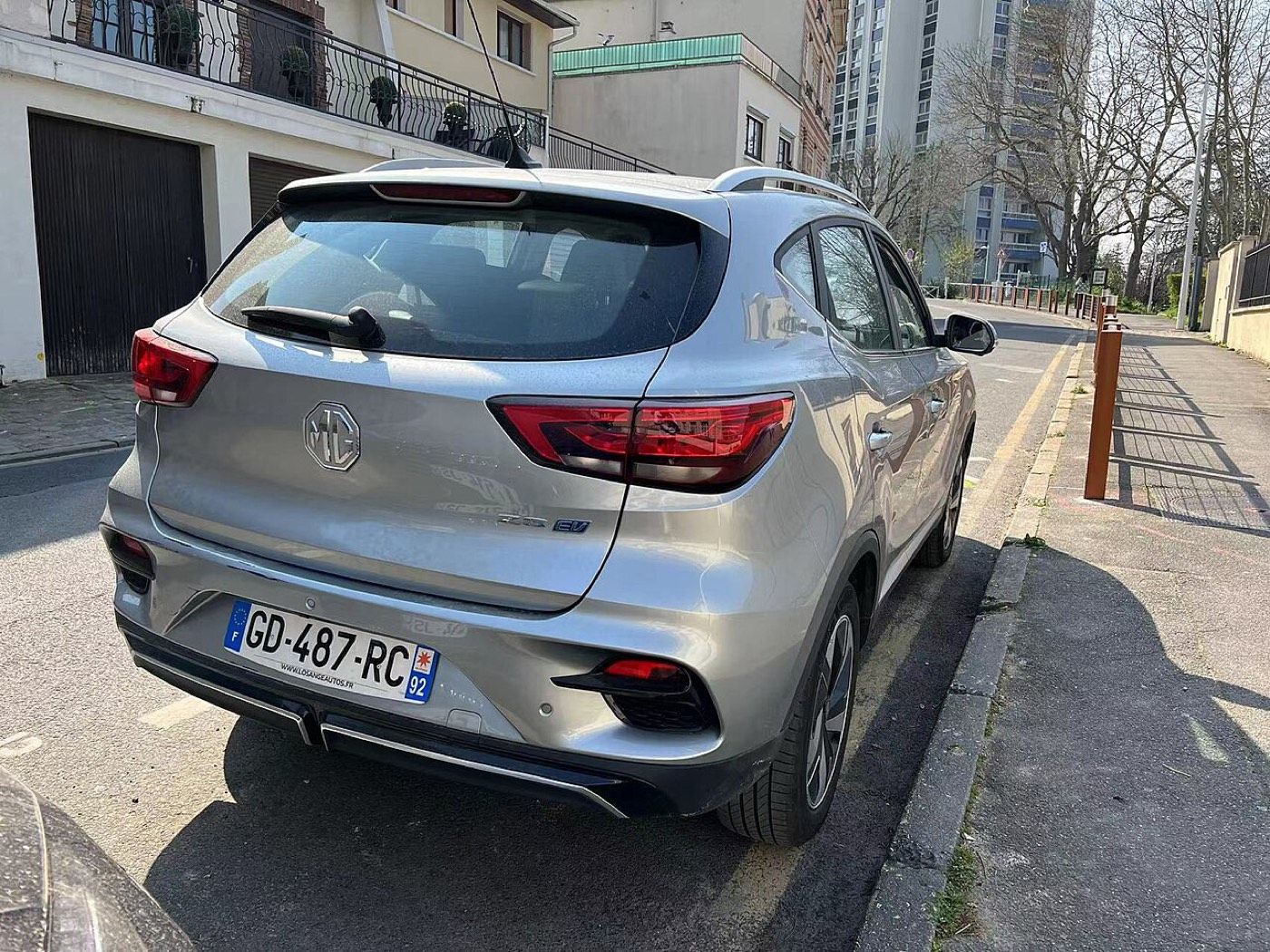
- MG Motor ZS EV ₹17.99 lakh
- TVS iQube 125 ₹1.19 lakh
- Hero Vida VX1X ₹1.54 lakh


Editor & Publisher
The brochure says you get energy back every time you brake. The dash says the range still collapses in traffic with the air conditioning on. Both are true, and the gap between them is arithmetic, not deception — it fits inside one line of school-physics and a few figures from our own listings, which record MotoSutra’s estimates, not measured rides; none of these vehicles has been driven for this page.
The physics of one stop
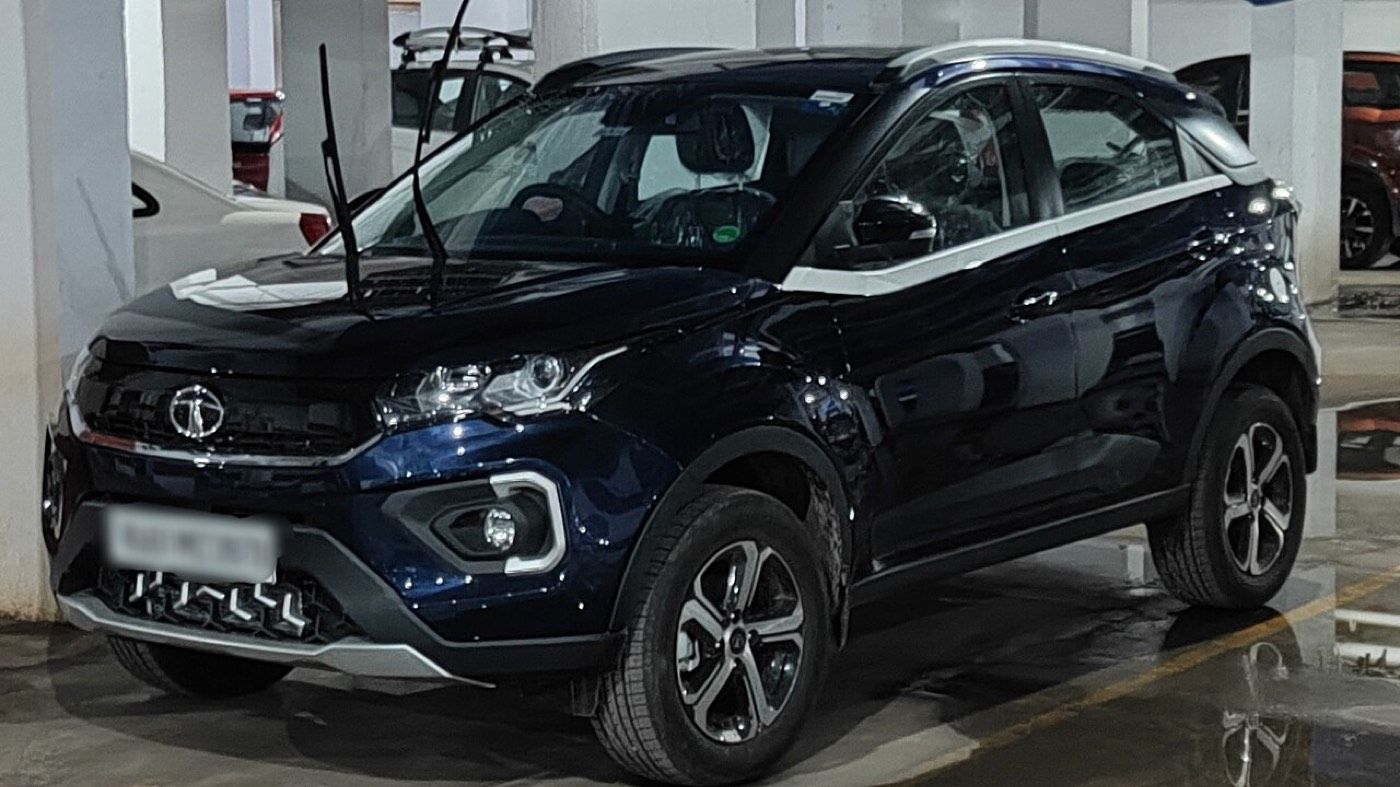
What regen recovers is the kinetic energy the car already spent getting up to speed: mass times velocity squared, halved. Our Nexon EV record lists 1,549 kg, and stopping that from 60 km/h puts roughly two-tenths of a kilowatt-hour in front of the wheels — a third of one per cent of its 46.08 kWh pack. The motor, now a generator, captures a share of that: the drivetrain loses some to heat, the pack takes some, and the friction brakes still finish the job on anything firm. Call it a fraction of two-tenths recovered per full stop from 60. The same stop from 30 km/h is worth four times less, because speed enters the equation squared — which is the whole reason Indian city speeds matter so much to what is and is not on offer.
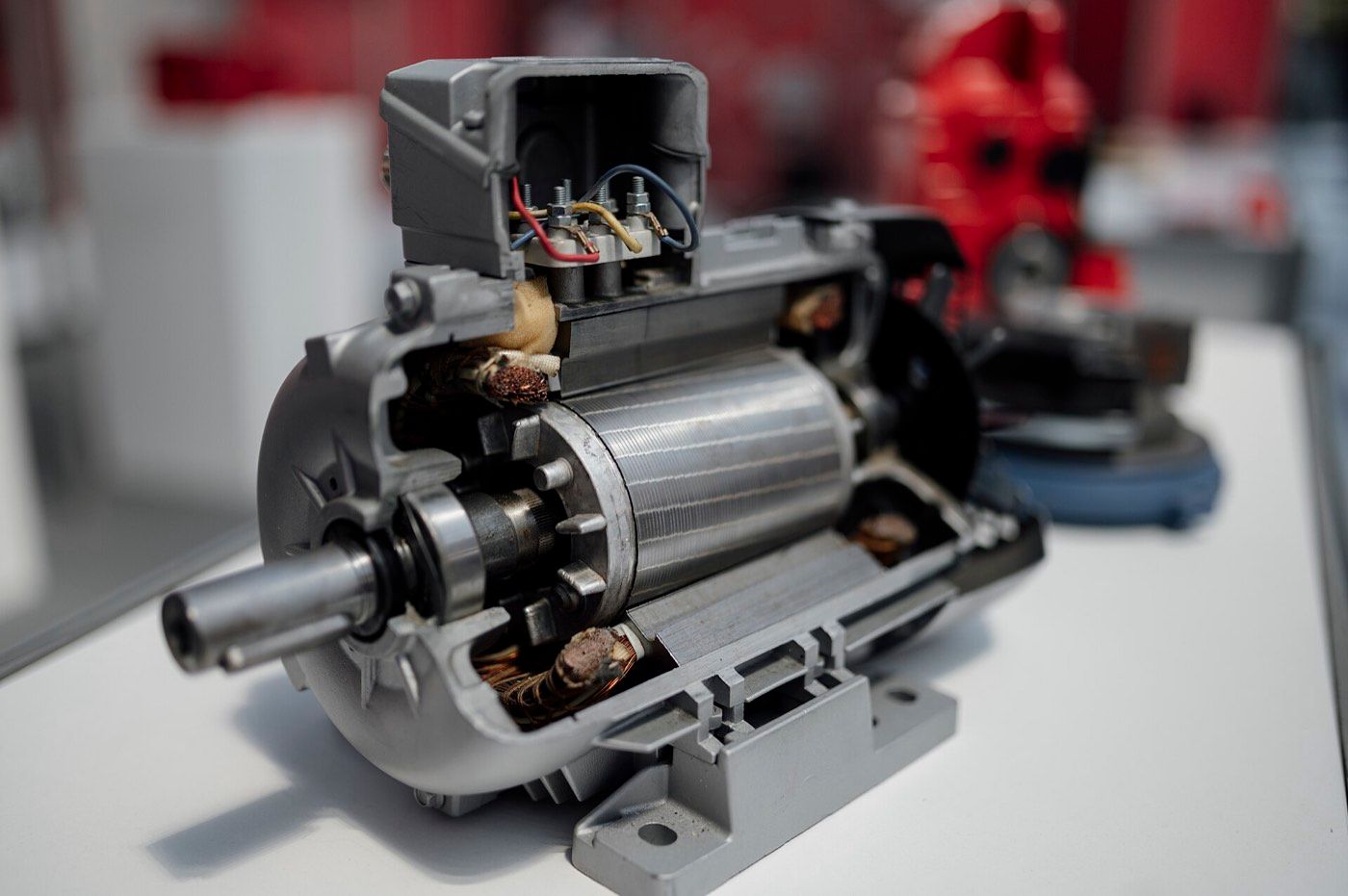
Accelerating back to 60 costs more than the stop returned, because drawing from the pack passes through the inverter and the motor on the way out. Regeneration is not free energy. It is a rebate on the energy bill, and the rebate rate falls off a cliff the faster the round trip.
Why the claim and the commute are different numbers
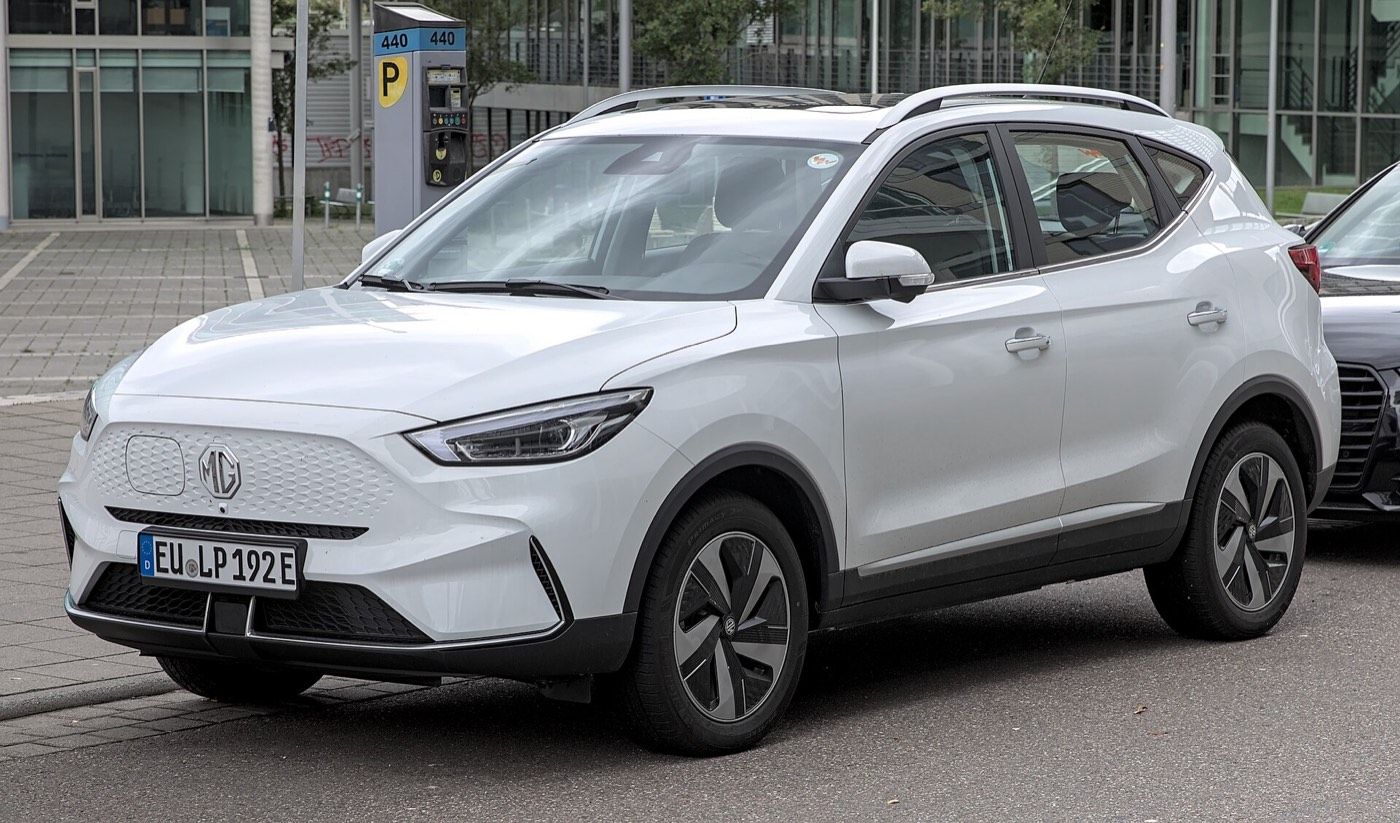
This is where buyers feel cheated, so look closely at what is actually being compared. Every electric record in our catalogue prints a claimed figure and an expected one, and the spread is systematic: the ZS EV’s claimed 461 km against its expected low-to-mid 300s with air conditioning; the Nexon EV’s 489 against 300-350; the Vida’s 165 against 130-155; the 450X’s claimed 115 against 85-95 with a pillion and lights. Regen cannot close those gaps because the gaps are mostly not about braking. The claim measures a gentle, predictable cycle; a real Indian day spends its energy on the compressor, on second-lane launches to beat the bus, and on 90 km/h where aerodynamic drag — which regen never recovers, because at constant speed you are never braking — eats the budget.
Where the effect genuinely shows is in stop-heavy, moderate-speed use. Our iQube 125 listing credits its 170 km claim partly to the belt drive wasting little at low speeds, and the 450X record says the plainly honest thing: regeneration recovers enough in a hilly city to make the range estimate worth trusting rather than arguing with. Hills are the regen multiplier — a descent is a long, gentle braking event at exactly the speeds where the system works best.
Regenerative braking is worth the most in precisely the driving that makes a petrol car thirstiest: dense, stop-start, moderate-speed traffic. It just cannot pay for the driving that makes an EV lose range: fast, steady, air-conditioned highway.
The one-pedal habit
Set the regeneration to its strongest — the ZS EV record gives paddles on the steering wheel, the Nexon EV and Punch EV listings offer modes, the Vida maps its three ride modes to trade acceleration against range — and lifting off becomes deceleration enough that a city commute needs the brake pedal only for the last few km/h and for anything hard. The habit takes about a week to form, and then it changes how you drive in a second, subtler way: you start planning stops far enough ahead that the lift does the decelerating, which is the efficient way to drive a combustion car too. The friction brakes, used a tenth as often, last multiple charges — and in a damp climate the surviving drum hardware needs occasional use to clear its rust, which is one reason no manufacturer lets regen do all the stopping.
What the brochures measure, and what you get
The recovery percentage printed in a spec tab is measured over a homologation cycle full of exactly the events regen loves: low-speed accelerations followed by full stops. City traffic has the stops but also the idling compressor, the 40-to-10 km/h crawls where almost nothing is on offer, and the aggressive launches where the pack is spending faster than the rebate returns. Our records handle this the sensible way: the 450X listing puts MotoSutra’s usable-distance estimate near 85 km rather than the claimed 115, and the combined-braking systems on the iQube and the Vida cut regeneration out when the friction hardware takes over, so the recovery figure and the stopping figure stay independent.
Buy the regen for the way it changes the driving — one foot, fewer brake jobs, a range estimate you can plan around — and treat the extra kilometres as the small print rather than the headline. On a hilly city route, the numbers in our listings say it earns its keep. On the expressway, the only thing recovering is silence.
Frequently asked questions
Does regenerative braking replace the friction brakes?
It replaces most of their daily use, not their legal role. Every electric record in our catalogue still lists discs and drums — the Nexon EV runs ventilated discs front and drums rear — because regen cannot deliver a hard stop on a slippery surface or a fade-free descent. What regen does is take the small decelerations, which is where most brake wear actually accumulates.
How much range does regen really add?
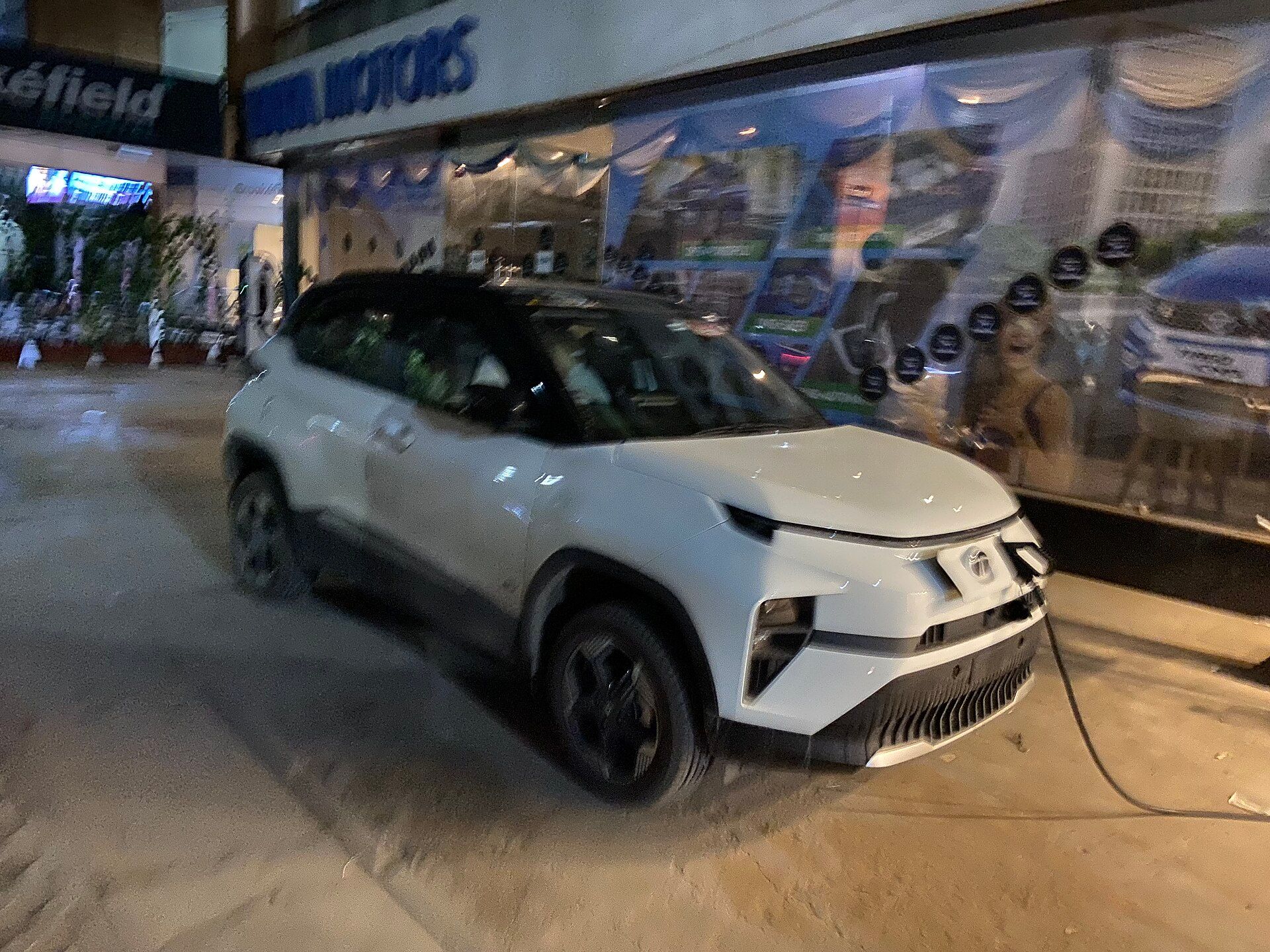
Run the arithmetic on our own listings and a full stop from 60 km/h in a 1.5-tonne car returns tenths of a kilowatt-hour, not whole ones. A city day with forty signal stops might recover a few per cent of a 46 kWh pack. The bigger effect is indirect: the energy you did not spend accelerating back up the next hill is energy saved twice.
Can you bring an EV to a complete stop without touching the brake pedal?
Some, not all. The habit forms because regeneration slows the car the moment you lift off, and on the gentlest settings in our listings it is strong enough to drive most city traffic with one foot. But nothing in this catalogue stops and stays stopped on throttle lift alone without the friction brakes finishing the job or holding it.
Why does the recovered-energy figure on the dash look so high?
Because it is measured against what you put in over the same stretch, not against the brochure range. A downhill glide into a city stop will show a triumphant number and hide the air-conditioning compressor that spent more than the stop recovered.