News
Renault Duster E-Tech strong hybrid launched at ₹16.99 lakh: what 29 kmpl really means
Renault has priced the Duster E-Tech strong hybrid from ₹16.99 lakh ex-showroom, claiming 29 kmpl and 1,400+ km. What those figures are measured under, and what survives real traffic.
- Renault Duster ₹10.49 lakh

Editor & Publisher
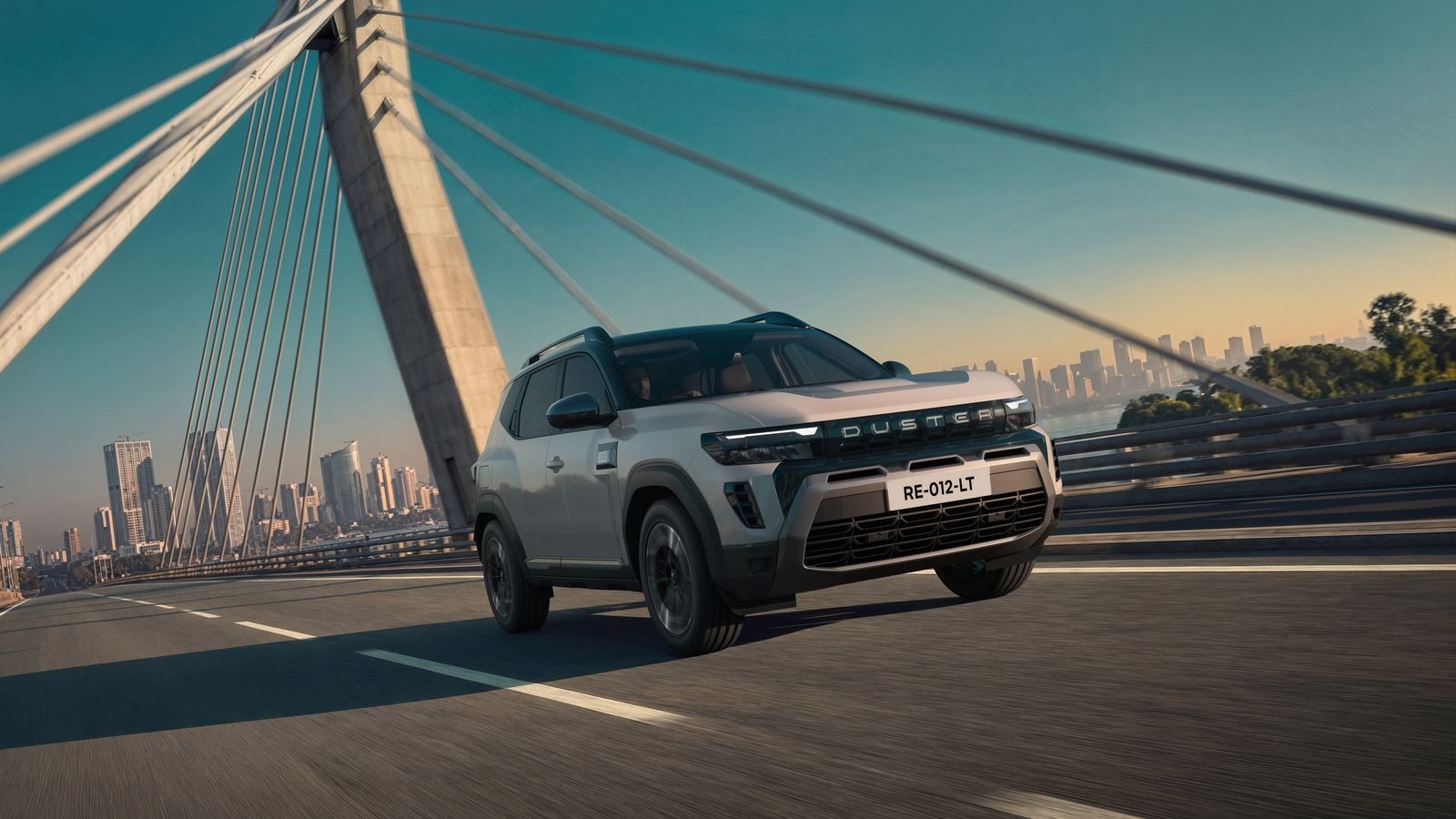
Renault has put a strong hybrid powertrain into the new Duster and priced it from ₹16.99 lakh, ex-showroom. The manufacturer’s own page for the car leads with three numbers — 29 kmpl, 1,400-plus kilometres of range, 160 PS — and each of them arrives with a different qualification in the small print. That small print matters more here than usual, because the Duster hybrid costs roughly ₹6.5 lakh more than the ₹10.49 lakh at which the model starts, and a claimed mileage figure is the one number a buyer is being asked to trust.
What Renault has actually launched
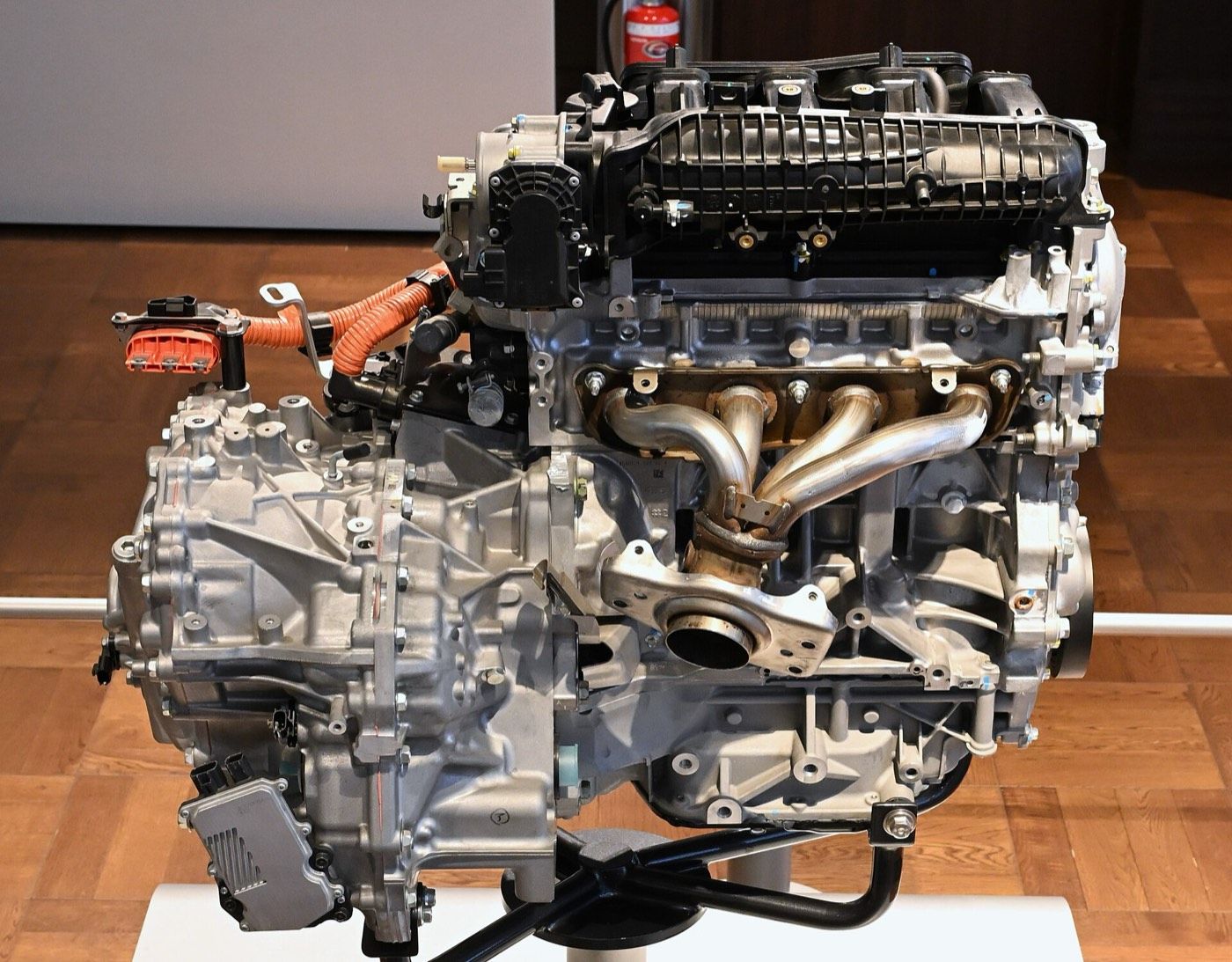
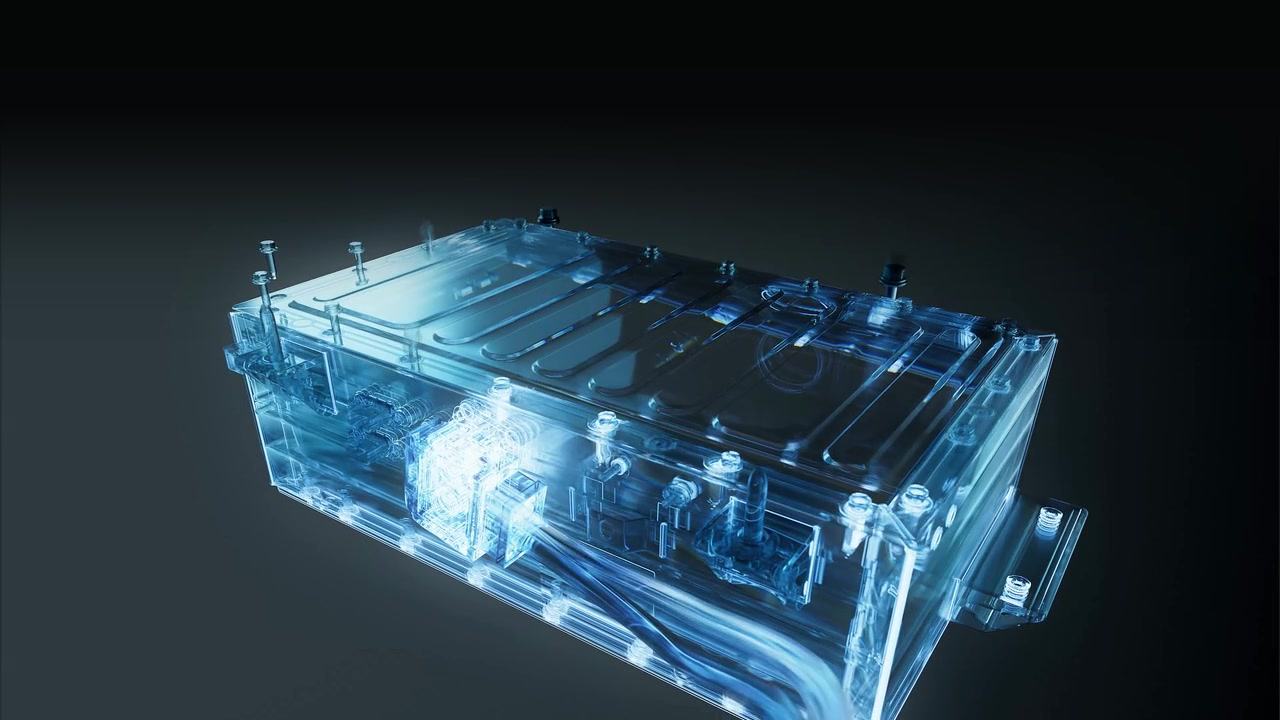
The powertrain is called E-Tech 160 and it is a strong hybrid rather than a mild one: a 1.8-litre petrol engine working with two electric motors and a 1.4 kWh battery, through what Renault describes as a multi-mode intelligent hybrid transmission. Combined output is stated as 160 PS. The 208 Nm figure published alongside it is described by Renault as electric torque, and the petrol engine’s own torque is not given on these pages.
The first thing to get straight is the name, because Renault sells two cars in the same price list with 160 in the badge and neither of them is a 1.6-litre.
| Powertrain | Output | Gearbox |
|---|---|---|
| TCe 100 — 1.0-litre turbo petrol | 100 PS, 160 Nm | Not stated per trim |
| TCe 160 — 1.3-litre turbo petrol | 163 PS, 280 Nm | 6-speed manual or 6-speed DCT |
| E-Tech 160 — 1.8-litre strong hybrid | 160 PS combined, 208 Nm stated as electric torque | Multi-mode hybrid transmission |
So the TCe 160 is a 1.3 and makes 163, while the E-Tech 160 is an 1.8 and makes 160. The number in the name is neither the capacity nor, in one case, the power. It is worth knowing before a showroom conversation turns on which 160 is on the order.
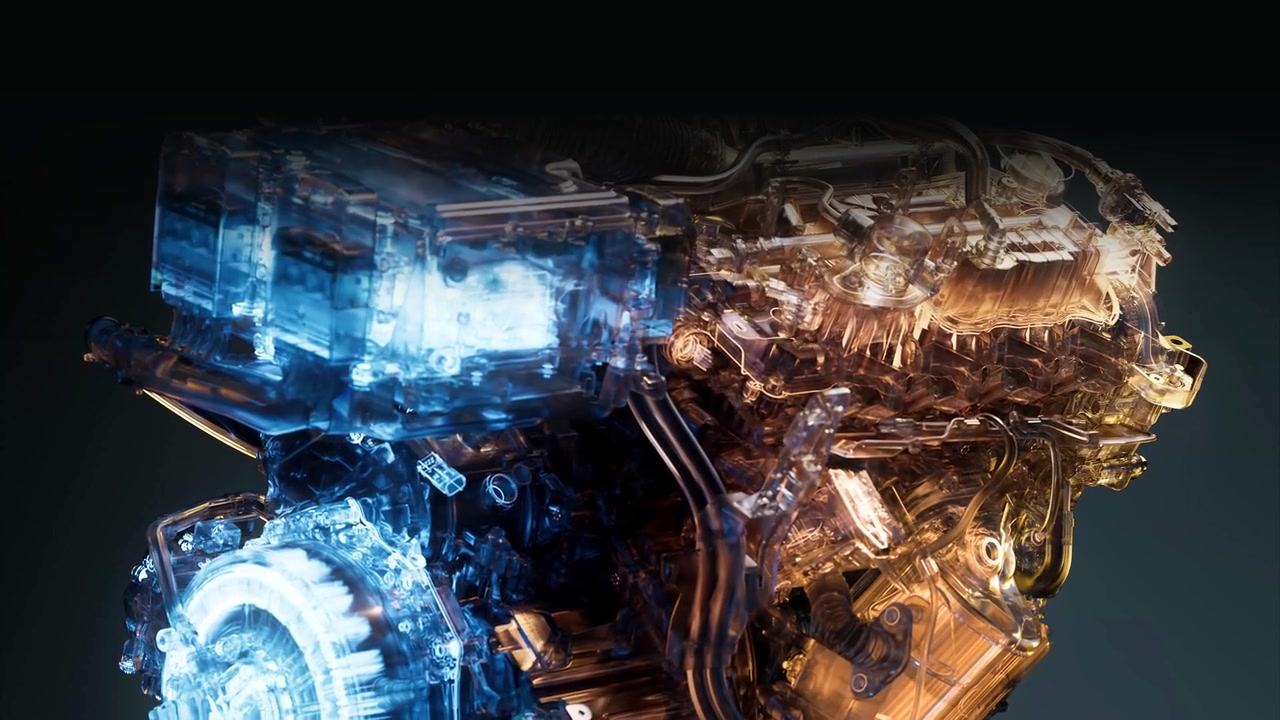
Where the 29 kmpl is made
Renault documents six ways this car can move, and reading them is the quickest way to understand why the number is 29 and not something closer to the petrol car’s.
- All electric — engine off, motor driving the wheels, at start-up and in smooth city driving.
- Petrol only — engine driving, motor resting, at steady cruising speeds.
- Series-parallel — engine and motor together, under hard acceleration or when overtaking.
- Series — engine generating electricity to drive the motor, in smooth driving below 80 km/h.
- Regen — the motor turning momentum back into charge on braking and lift-off.
- Charging via engine — the engine running at its most efficient speed to top the battery up, including at traffic lights.
Four of those six are about the city. That is where a strong hybrid earns its money, and it is also what Renault’s headline about the Duster spending up to 80 per cent of city driving time in EV mode is describing. Read the footnote, though: that figure is given as the result of in-house tests depicting share of travel time, varying with road type, driving style and weather. It is a claim about how much of a city trip is spent electric, not a distance, not a fuel figure, and not a certified number.
The 1,400 km claim, worked through
The range figure is the one that reads best and means least, so it is worth doing the arithmetic in the open.
Renault states 29 kmpl as certified by a test agency under Rule 115(G) of the Central Motor Vehicles Rules. It states 1,400-plus kilometres of range, and separately qualifies that as an urban-conditions comparison against a petrol engine. Renault publishes no fuel tank capacity for this car on the pages reviewed here; listings put it at 50 litres.
Fifty litres at 29 kmpl is 1,450 km. That is the whole of the 1,400-plus claim: the certified efficiency multiplied by a full tank. It is not a driven distance, it is not measured in traffic that exists, and it will not repeat itself.
Where that leaves a real tank, as this desk’s arithmetic rather than any measurement:
| If the car returns | Fuel for 1,000 km | Distance from a 50-litre tank |
|---|---|---|
| 29 kmpl — the certified figure | 34.5 litres | 1,450 km |
| 24 kmpl | 41.7 litres | 1,200 km |
| 20 kmpl | 50 litres | 1,000 km |
| 16 kmpl | 62.5 litres | 800 km |
The lower three rows are a discount applied to a manufacturer figure, not observations of this car. They are here because a headline range number is only useful if you know how much of it survives contact with an Indian commute, and the answer is: a lot, if the commute is stop-start, and far less on a highway where the petrol engine is doing the work anyway.
There is a more portable claim buried in the same page, and it is the one this desk would keep. Renault states up to 29 per cent fuel savings in urban conditions and up to 20 per cent lower fuel consumption against a petrol engine. A percentage saved against the car you would otherwise buy travels much better than an absolute mileage figure measured by a test agency, and it is the number to put against your own annual distance.
What the trims cost and what they include
Three hybrid trims are reported: Evolution at ₹16.99 lakh, Techno at ₹18.99 lakh and Emotion at ₹19.49 lakh, ex-showroom. Renault’s own hybrid page states the starting figure of ₹16,99,000 and stops there, and its Duster price page still answers its own question about hybrid pricing by saying the variant is expected around Diwali 2026 with details to follow — a document that has not caught up with the launch. Treat the upper two rungs as reported until Renault publishes the ladder. Dual-tone paint is priced by Renault at ₹20,000 extra, which is how a ₹19.49 lakh figure becomes a ₹19.69 lakh one on listings that show both.
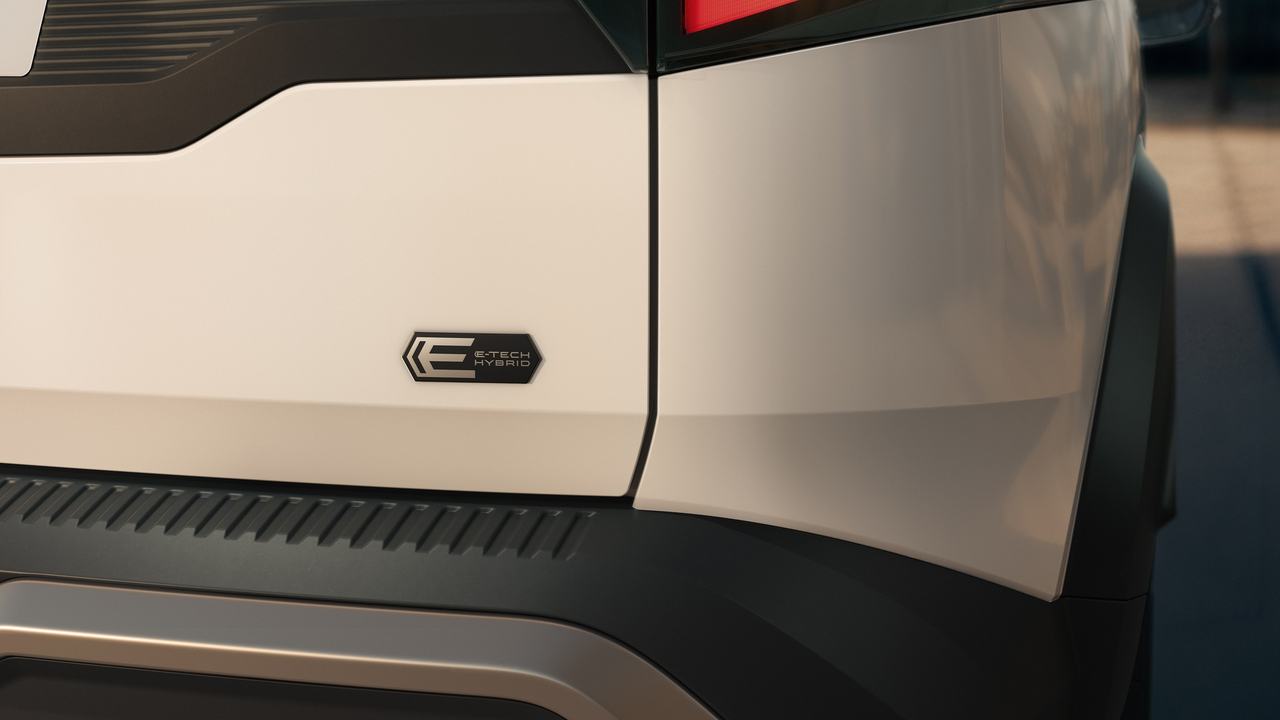
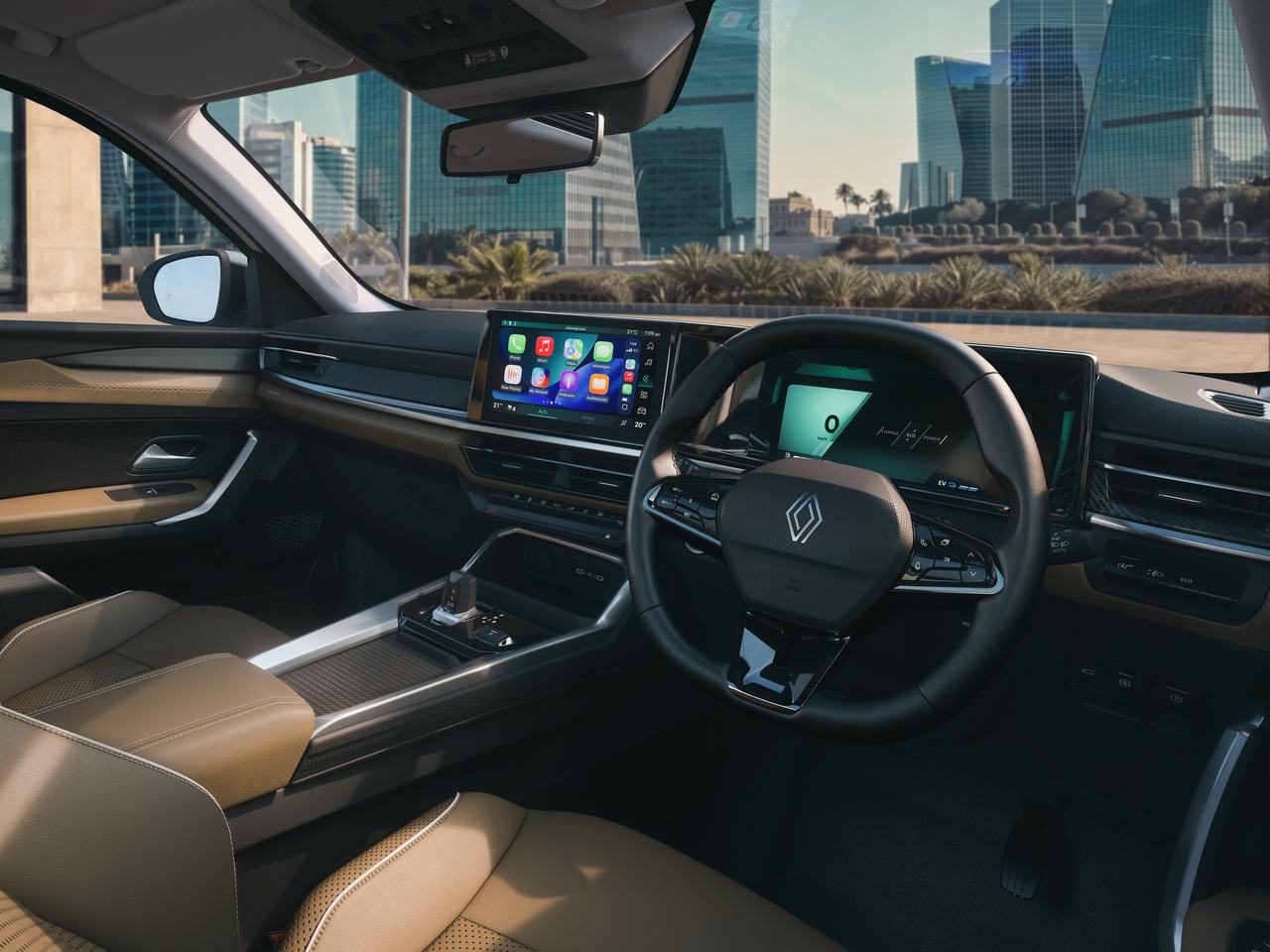
On equipment, Renault’s page for the hybrid states six airbags, hill start assist, cruise control with speed limiter, rear park assist, a rear view camera, an electric panoramic sunroof, dual OpenR Link screens and dune brown leatherette upholstery, plus an illuminated Duster grille and E-Tech badging. Listings go further and credit the top trim with a Level 2 driver-assistance suite, ventilated front seats and wireless phone projection; the manufacturer’s hybrid page does not claim an ADAS suite in the text reviewed here, so read what ADAS actually means before treating a listing as a specification.
The crash rating does not name the hybrid
This is the finding a buyer of this specific car should know about, and it is not in the launch coverage.
Bharat NCAP publishes 30.49 of 32.00 points for adult occupant protection and 45.00 of 49.00 for child occupant protection against the Duster, tested at 1,621 kg, with ratings applicability stated from April 2026 onwards. Press coverage describes that as a five-star result. MotoSutra’s catalogue records the points and publishes no star figure, because the document publishes points.
The part that matters here is the applicability table. It covers the 1.0L turbo, the 1.3L turbo and the 1.3L turbo DCT, and the tested vehicles are listed as Evolution (1.3L MT), Techno (1.3L DCT) and Iconic (1.3L MT). No strong hybrid variant is named anywhere in it. The body structure is shared, so a similar result is the reasonable expectation — and expectation is not what a rating is for. Until the hybrid appears in an applicability list, the honest position is that the Duster has a documented Bharat NCAP result for its petrol variants and no documented result for the hybrid. See how crash ratings actually work for why applicability, not the star count, is the field worth reading.
The boot, which nobody agrees on
Renault’s own Duster comfort page states 518 litres to the parcel shelf and 700 litres to the roof, with a powered tailgate. Listings for the hybrid carry 544 litres, and one report of the launch gives 372 litres. Renault publishes no boot figure specific to the hybrid, and no image or statement on the pages reviewed here says where the 1.4 kWh pack sits.
That gap is the difference between 518 and 372 both being plausible readings of the same car, and it is the kind of thing a buyer with a pram and a dog should settle with a tape measure in a showroom rather than from a website — including this one. The catalogue record for the Duster carries all three numbers and says which document each came from.
Who should buy it, and who should not
The high-mileage city driver. This is the buyer the car is built for. A strong hybrid’s advantage is concentrated in stop-start traffic, which is precisely where Renault places its 80 per cent electric-time and 29 per cent urban-saving claims, and a ₹6.5 lakh premium is at least arguable against a fuel bill that never gets a break.
The expressway commuter. On steady cruising the engine is driving the wheels and the hybrid is carrying a battery it does not need. The TCe 160 makes more power, costs less, and will not be punished for the difference.
Anyone for whom the crash rating is decisive. Petrol Duster, today, on the published record. The hybrid is very likely the same car around its passenger cell, and very likely is not a rating.
Anyone who needs seven seats. Not offered on this generation.
MotoSutra has not driven this car, and nothing above is a measurement. What it is: every figure traced to the document that states it, the conditions attached to each claim kept next to the claim, and the arithmetic done where a headline number turns out to be multiplication.
The useful question about the Duster hybrid is not whether 29 kmpl is achievable. It is how much of that number survives the specific traffic you sit in, and whether the answer pays for the difference in price before you sell the car.
Frequently asked questions
What is the price of the Renault Duster strong hybrid?
Renault’s own page for the car states the strong hybrid E-Tech 160 from ₹16,99,000 ex-showroom. Launch coverage prices the three hybrid trims at ₹16.99 lakh for Evolution, ₹18.99 lakh for Techno and ₹19.49 lakh for Emotion. Renault’s Duster price page has not yet been updated with that hybrid ladder, so the two upper figures are reports rather than a manufacturer document, and dual-tone paint costs ₹20,000 more on any trim.
Does the Duster hybrid need to be plugged in?
No. It is a self-charging strong hybrid: a 1.4 kWh battery that the petrol engine and the brakes keep topped up. There is no charging point on the car, which means no charging routine and also no electric range to speak of in the way a plug-in car has one.
What mileage will the Duster hybrid give in real traffic?
The certified figure is 29 kmpl, measured under Rule 115(G) of the Central Motor Vehicles Rules, which is an ideal-condition number. MotoSutra has not driven this car and publishes no measured figure for it. As a labelled estimate rather than a measurement: a strong hybrid of this size and weight is likely to return somewhere in the low-to-mid twenties on a mixed Indian cycle and materially less than 29 on open expressway cruising, where a hybrid has least to work with.
Is the Duster hybrid covered by the Bharat NCAP rating?
Not on the published record. Bharat NCAP lists 30.49 of 32.00 points for adult occupant protection and 45.00 of 49.00 for child occupant protection against the Duster, with ratings applicability from April 2026, but its applicability table names the 1.0L turbo, 1.3L turbo and 1.3L turbo DCT variants and no strong hybrid. The shared structure makes a similar result likely; it does not make it rated.
What is the difference between the TCe 160 and the E-Tech 160?
They are different engines that share a number in their name. The TCe 160 is a 1.3-litre turbocharged petrol making 163 PS and 280 Nm with a six-speed manual or a six-speed dual-clutch. The E-Tech 160 is a 1.8-litre petrol working with two electric motors and a 1.4 kWh battery through a multi-mode hybrid transmission, and Renault states its combined output as 160 PS.
Is a seven-seat Duster hybrid available?
No. Renault titles the page for this car “the five-seater SUV” and Bharat NCAP records the tested body as a two-row SUV. The seven-seat question does not arise on this generation.