Car comparison
Hyundai Creta vs Kia Seltos: the same car, twice, and one real decision
Shared platform, shared engine, divergent characters. We grade the two mid-size SUVs that split most Indian family shortlists, category by category.
- Hyundai Creta ₹10.91 lakh
- Kia Seltos ₹10.9 lakh

Editor & Publisher
Head to head
- Price and value Kia Seltos The Seltos tops out at ₹16.40 lakh with the CVT against the Creta’s ₹17.20 lakh, for broadly similar equipment.
- Automatic gearbox Hyundai Creta Hyundai’s IVT is the smoother of the two at parking-lot speeds on its own tuning brief; Kia’s unit is mapped to rev more willingly, at some cost to low-speed refinement.
- Cabin comfort Hyundai Creta Wider seats, a softer cushion and a more forgiving second row. The Creta scores 4.3 on interior and 4.2 on comfort against the Seltos’s 4.2 and 4.0.
- Boot and practicality Kia Seltos 535 litres against 433, and a squarer opening that makes the volume usable rather than theoretical.
- Ride and handling Kia Seltos On its firmer damping spec the Kia holds its line better over broken tarmac and changes direction with less body movement. The cost lands in the second row.
- Claimed efficiency Hyundai Creta 17 kmpl against 16 for the same 1.5-litre petrol, and MotoSutra expects the ordering to hold in real use.
- Safety hardware Even Identical position: six airbags and stability control on the upper trims, a three-star Global NCAP adult score — and the cheaper Tata alternatives score higher.
- Service network and resale Hyundai Creta Hyundai’s forecourt count and parts supply remain well ahead of Kia’s outside the metros.
| Specification | Hyundai Creta ₹10.91 lakh | Kia Seltos ₹10.9 lakh |
|---|---|---|
| Ex-showroom price | ₹10.91 lakh | ₹10.9 lakh |
| Engine | 1497 cc | 1497 cc |
| Power | 113 bhp | 113 bhp |
| Torque | 144 Nm | 144 Nm |
| Mileage | 17 kmpl | 16 kmpl |
| Gearbox | Manual / CVT | Manual / CVT |
| Seating | 5 | 5 |
| Boot space | 433 litres | 535 litres |
| Safety | 3 stars | 3 stars |
| Body type | SUV | SUV |
| Status | Available | Available |
| Categories won | Hyundai Creta wins 1 of 11 | Kia Seltos wins 2 of 11 |
Only specifications present in both records are listed. figures without a named source document are unverified motosutra catalogue estimates, not official specifications. confirm current numbers with the manufacturer.
Two cars, one engineering budget. The Creta and the Seltos share a platform, a wheelbase, a wheel-and-tyre size and the same 1,497cc four-cylinder petrol engine with 113 bhp and 144 Nm. Hyundai and Kia have spent years making them feel different anyway, and that difference is the only thing worth arguing about. MotoSutra has driven neither car, so the argument here is conducted from the documented tuning rather than a week of borrowed tarmac: engine mapping, suspension intent, packaging and the price ladder, category by category.
How they drive, separately
The Creta is built around the idea of not being noticed. Its IVT automatic has no shifts to feel by design, so the engine sits at whatever rpm the wrist asks for, and a CVT mapped this way should move off more smoothly than any torque converter at this money. The speed-sensitive steering is light at parking speed and gains weight as you add it, exactly as the brief describes it. The suspension is compliant in a way that suits Indian surfaces: soft enough, on paper, to absorb the sharp edges rather than pass them on.
The Seltos is the same hardware with different priorities. Kia has trimmed the suspension tighter, so the car should arrive at a corner flatter, hold its line better over broken tarmac at 80 km/h, and lose the floaty delay between wheel and body that makes soft SUVs feel vague on a ghat road. The trade is paid for by whoever sits behind the driver: firmer damping sends every joint in a flyover toward the second row as a distinct knock, and on the ghat climb the geometry suggests a busier rear end where the Creta stays merely firm.
Neither is fast. Both are 113 bhp with no turbo to lean on, and both need a downshift to pass a truck at 90 km/h on a two-lane road. The Seltos’s gearbox revs more willingly when asked; the Creta’s is smoother when you never ask.
Space, and where the shape of the car matters
Wheelbase is identical at 2,610 mm, so legroom is a wash and both carry three adults across the rear bench without the shoulder compression of a smaller SUV. The difference is above the belt line and behind it. The Seltos is 65 mm longer and 10 mm wider on paper, but its squared-off tail means the load area is 535 litres against the Creta’s 433 — and, more importantly, it is 535 usable litres with a wide, square mouth. A pram and a week of shopping go in without a planning session. The Creta’s boot is deeper than it looks from outside and shallower than a family with a stroller wants it to be.
Head room favours the Creta, whose taller roof line (1,660 mm against 1,645 mm) keeps the second row airier for adults over six feet. The Hyundai also wins on the small things — bigger door bins, a wide centre armrest cubby, controls where hands expect them — which is the reason it is the easiest car here for a first-time owner or a shared household car.
Equipment for money
Both are generous, and the difference is mostly in how the money is spread. Kia loads the mid and upper trims aggressively — a panoramic roof, powered front seats, a 10.25-inch touchscreen, a 12.3-inch instrument display — and asks you to spend less to get them. Hyundai’s SX(O) IVT at ₹17.20 lakh adds dual 10.25-inch screens, ventilated seats, a 360-degree camera and vehicle-to-all connectivity, and it is at that price that the value case starts to thin: the Seltos HTX CVT gives you most of the same experience for ₹80,000 less.
Our advice applies to both: buy the middle-upper trim, not the range-topper. The Seltos HTX at ₹15.40 lakh and the Creta SX(O) at ₹15.90 lakh are the two cars in this comparison where the value line bends in the buyer’s favour, and both include the six airbags that the base trims do not.
Running costs and the network
Hyundai’s advantage here is unglamorous but real: a deeper dealer and service footprint in tier-two and tier-three towns, faster parts, and a 10,000 km annual service MotoSutra estimates at roughly ₹6,500-7,500 on this engine. Kia’s network is thinner outside the metros and its service booking is less predictable.
On fuel, the claimed gap is small — 17 kmpl against 16 — and MotoSutra expects it to narrow but survive in real use, with the CVT and the Seltos’s marginally heavier kerb the likely reasons. Estimate 10-12 kmpl in the city and 14-15 kmpl on an expressway from either, and treat the claimed numbers as a highway-only best case.
The safety question both showrooms will dodge
Six airbags and electronic stability control on the upper trims; a three-star Global NCAP adult score on the structure. That is the identical position of both cars, and it is behind the five-star Tata Nexon and Punch, which are cheaper and smaller. Neither brand has an answer beyond the correct one — that the score comes from an older test protocol — which is defensible in an engineering meeting and useless across a negotiation table.
If six airbags and stability control are the ceiling of your requirements, either car is fine. If a five-star structure is the floor, neither is, and the decision has to move to the other side of the segment.
The buyer-by-buyer call
Choose the Creta if the car is driven in traffic by someone who values smoothness over feedback, if a trusted service outlet is on your route, and if your boot load stays under 433 litres.
Choose the Seltos if the boot is the deciding constraint, if you would rather the car felt tied-down than soft, and if your nearest Kia is closer than your nearest Hyundai. It is also, on the tighter suspension spec, the better motorway car at a steady 110 km/h.
And choose neither if the crash score is the first question you ask: both cars made their structural decisions years ago, and the segment has moved on.
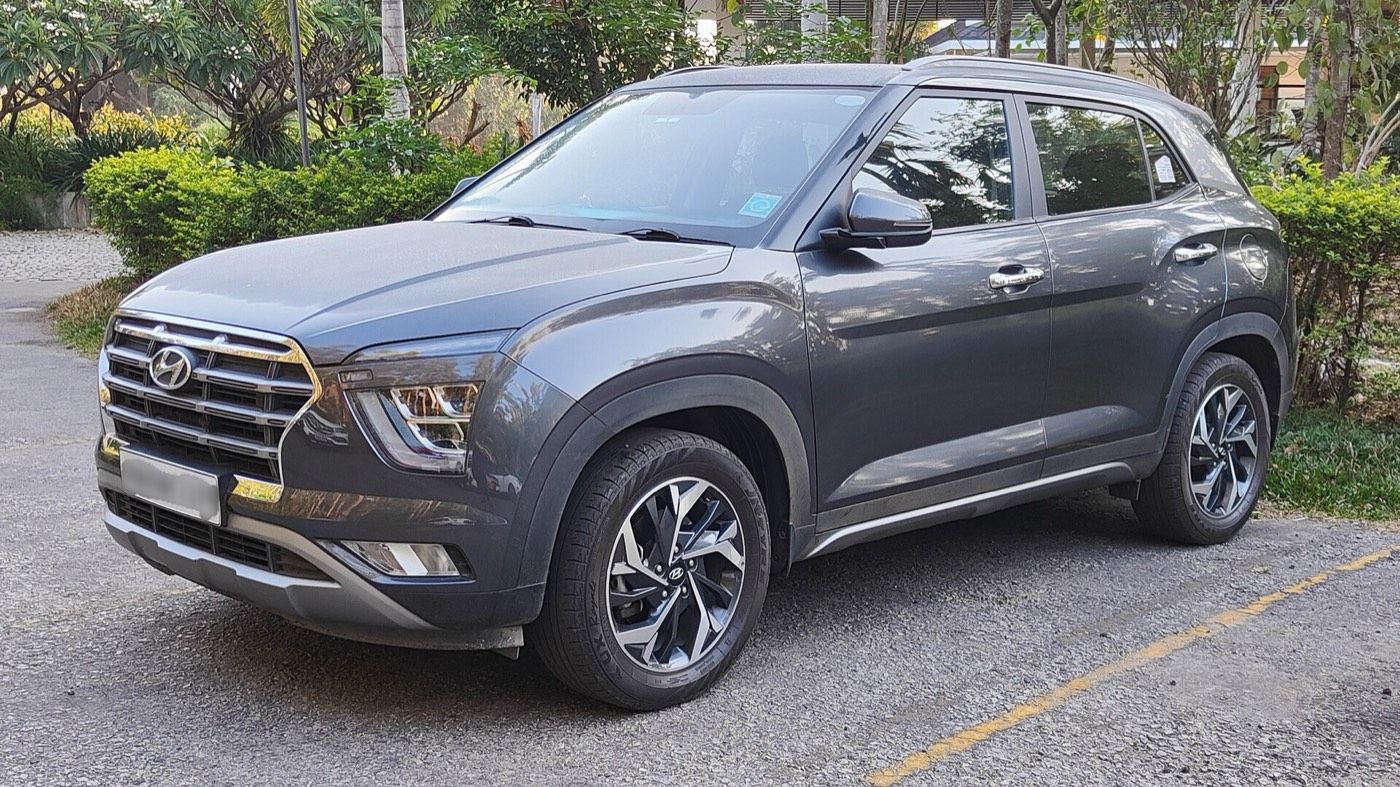
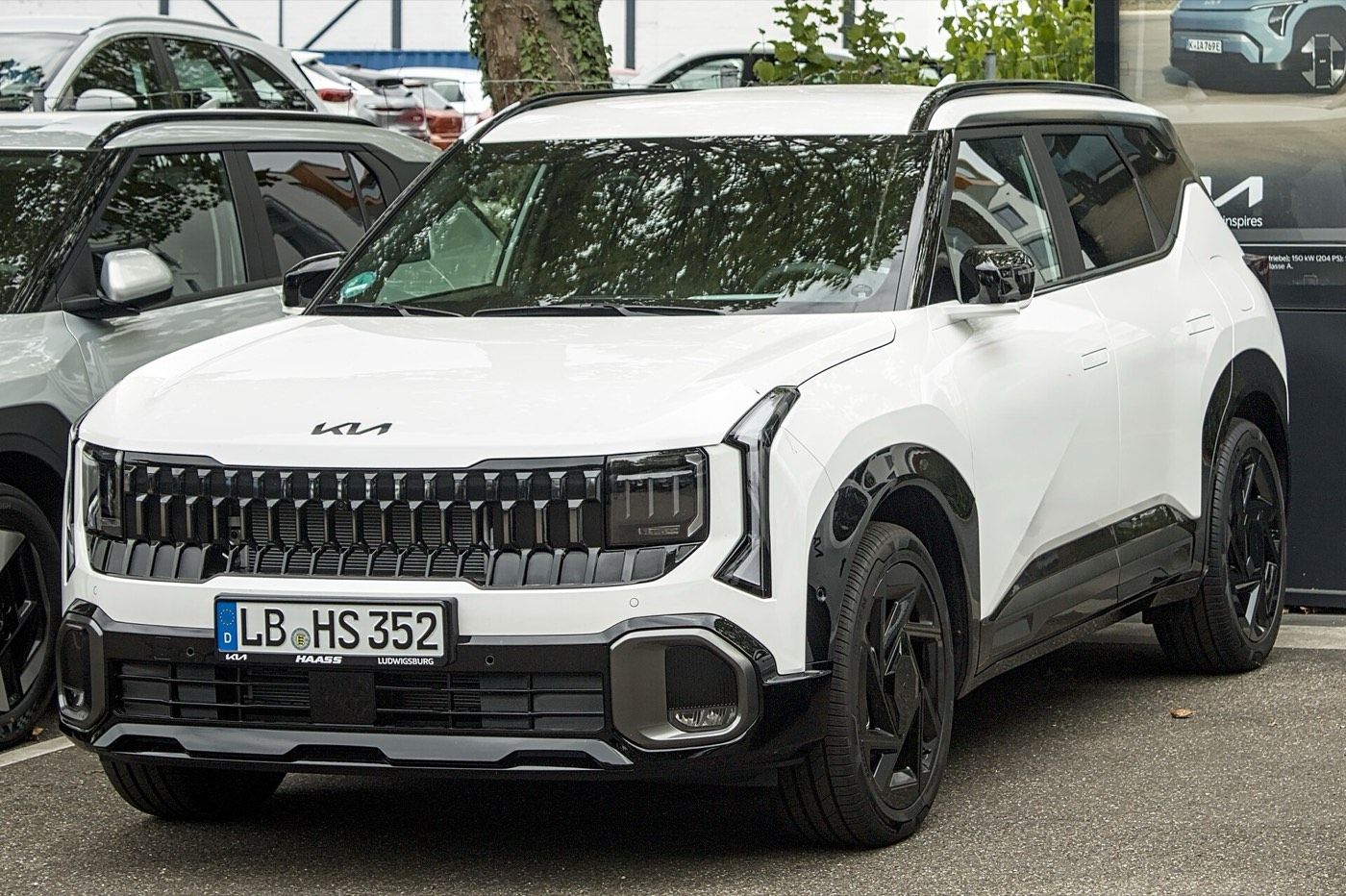
The two models
Frequently asked questions
Which is cheaper, the Creta or the Seltos?
Entry prices are effectively identical — ₹10.91 lakh for the Creta against ₹10.90 lakh for the Seltos, ex-showroom Delhi NCR. The gap opens at the top: ₹17.20 lakh for the Creta SX(O) IVT against ₹16.40 lakh for the Seltos HTX CVT.
Is the Seltos safer than the Creta?
No. Both carry the same three-star Global NCAP adult score in this catalogue and both fit six airbags and stability control on upper trims. Neither leads the segment on structure; the Tata alternatives do.
Which one should my family buy?
The Creta, unless you regularly carry luggage that would fill its 433-litre boot to the roof line, or you find the Hyundai’s softer ride too floaty on your own roads. Those two needs are the only honest reasons to choose the Kia.