Car comparison
Tata Nexon EV vs Punch EV: a certain car against an estimated one
The Nexon EV is on sale and measured. The Punch EV is a projection with a plausible shape. Here is what each ₹1 lakh of the gap between them actually buys.
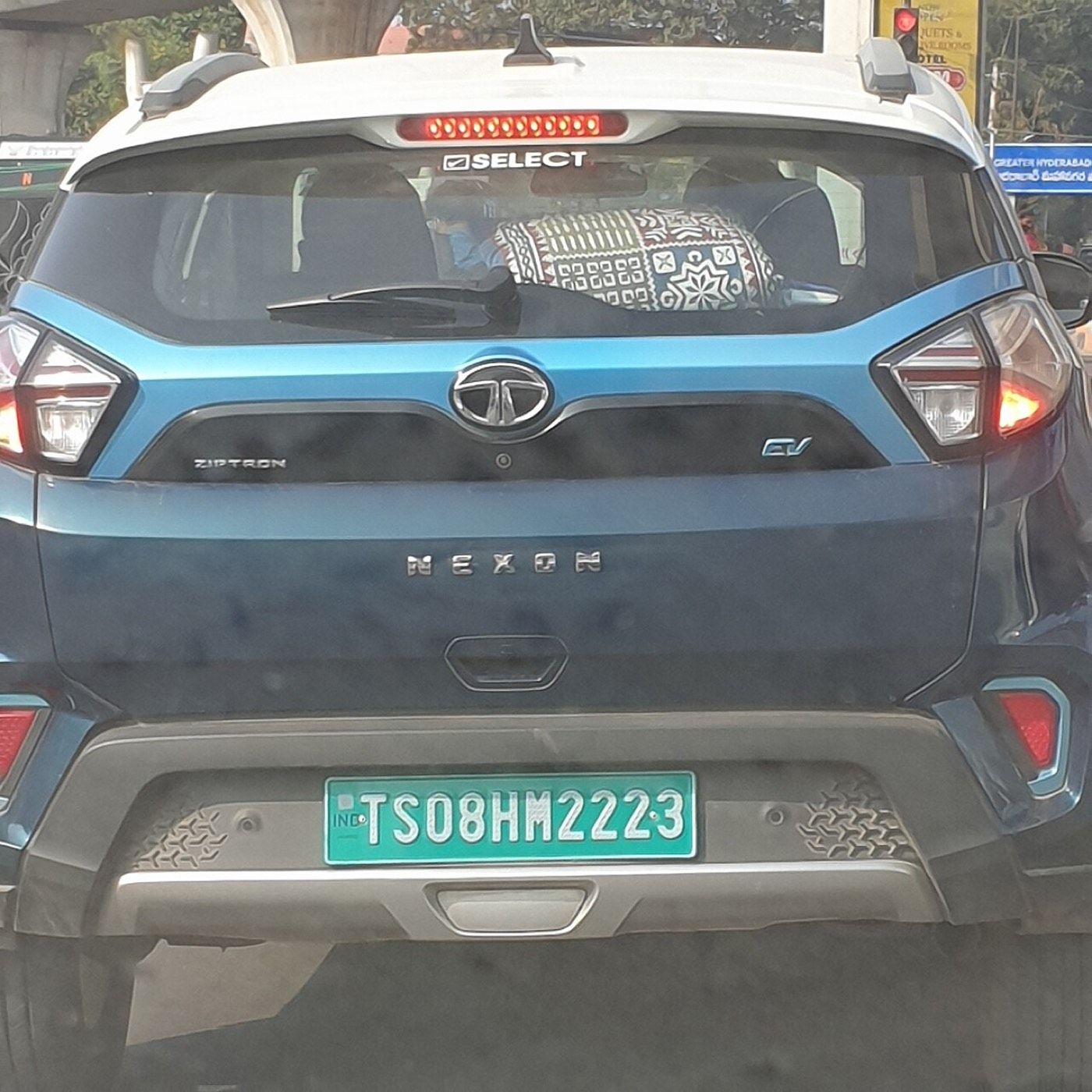
- Tata Motors Nexon EV ₹12.49 lakh
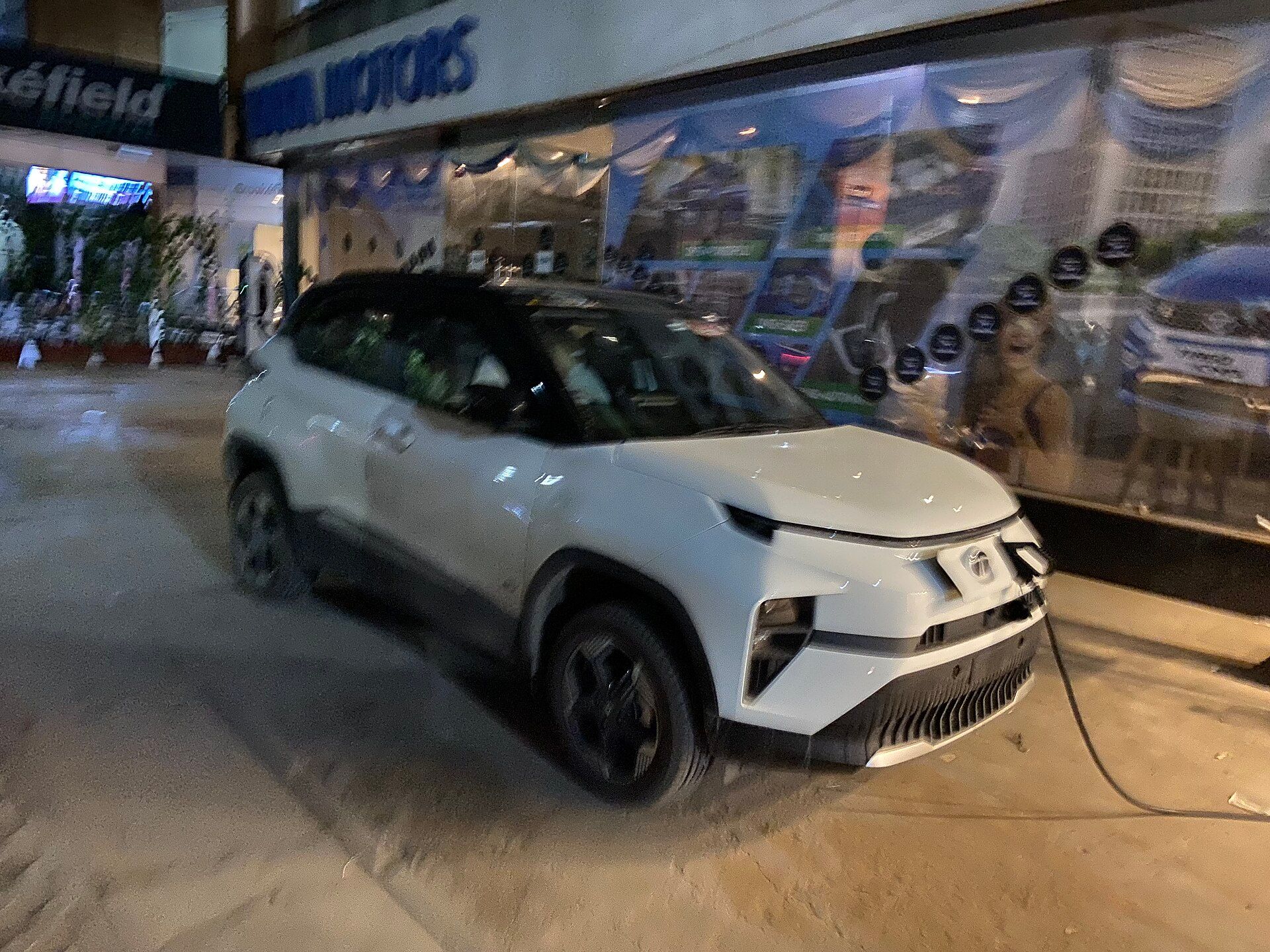
- Tata Motors Punch EV ₹9.79 lakh

Editor & Publisher
Head to head
- Price Tata Motors Punch EV The estimated ₹9.79-12.49 lakh band against a live ₹12.49-15.99 lakh one. The Punch’s projected top trim sits exactly at the Nexon’s entry price.
- Battery and claimed range Tata Motors Nexon EV 46.08 kWh and 489 km against 25 kWh and a claimed 350 km. Nearly double the stored energy.
- Range you can plan around Tata Motors Nexon EV Tata’s own guidance puts the Nexon at 300-350 km with the air conditioning on; the Punch, on our estimate, is a 240-280 km car in the same summer conditions.
- Performance Tata Motors Nexon EV 141 bhp and 215 Nm against 121 bhp and 170 Nm. Both deliver instantly, but only the Nexon has reserve above 100 km/h.
- Cabin and luggage space Tata Motors Nexon EV A 2,600 mm wheelbase and 1,811 mm width against 2,445 mm and 1,703 mm, plus 350 litres of measured boot. The Punch EV’s boot figure is not yet published.
- Footprint in traffic and parking Tata Motors Punch EV 137 mm shorter and 108 mm narrower, on 16-inch wheels rather than 17-inch. In a dense city that difference is felt every day.
- Certainty of the offer Tata Motors Nexon EV The Nexon EV can be ordered, driven and serviced today. Every Punch EV number here is our estimate ahead of a launch Tata has not confirmed.
- Ground clearance Even 187 mm for both, which is the point: the electric Punch gives up nothing over the petrol car in the way Indian roads read it.
| Specification | Tata Motors Nexon EV ₹12.49 lakh | Tata Motors Punch EV ₹9.79 lakh |
|---|---|---|
| Ex-showroom price | ₹12.49 lakh | ₹9.79 lakh |
| Power | 141 bhp | 121 bhp |
| Torque | 215 Nm | 170 Nm |
| Range | 489 km | 350 km |
| Battery | 46.08 kWh | 25 kWh |
| Top speed | 140 kmph | — |
| Gearbox | Single-speed | Single-speed |
| Kerb weight | 1549 kg | — |
| Seating | 5 | 5 |
| Boot space | 350 litres | — |
| Safety | 5 stars | 5 stars |
| Body type | SUV | SUV |
| Status | Available | Upcoming |
| Categories won | Tata Motors Nexon EV wins 4 of 13 | Tata Motors Punch EV wins 1 of 13 |
Only specifications present in both records are listed. figures without a named source document are unverified motosutra catalogue estimates, not official specifications. confirm current numbers with the manufacturer.
There is something slightly absurd about comparing a car you can buy with a car that has not been announced. And yet this is the decision sitting in front of a large number of Indian buyers in 2026: pay ₹12.49 lakh now for the Nexon EV, or hold out for a Punch EV that may start near ₹9.79 lakh and may not arrive on the date anyone expects. The honest way to run it is to separate what has been measured from what has been estimated, and to keep them in different columns in your head.
What each car is for
The Nexon EV is a family’s only car that happens to run on electricity. It carries five, it has a 350-litre boot, it will do 300 km with the air conditioning working at full in May, and its 46.08 kWh pack means a Delhi-to-Chandigarh run is a stop-and-coffee affair rather than an overnight decision.
The Punch EV is a household’s second car, or a first car for someone whose driving is mostly inside a city. The petrol Punch is 3,856 mm long and 1,613 mm tall with 187 mm of clearance, and the electric version is listed at the same footprint and the same clearance. That is the whole appeal: a small outside dimension, a high seating position and a car that does not read a speed breaker as an obstacle.
The energy question, which is the real one
Nexon EV: 46.08 kWh, 489 km claimed, 300-350 km in our mixed driving with the climate on, 0-80 per cent in about 60 minutes on DC. Those figures are on the car and repeatable.
Punch EV: 25 kWh, 350 km claimed, both estimated. Run the same discount for air conditioning and summer that we apply to the Nexon and the useful number lands somewhere between 240 and 280 km. Our estimated charging picture is around an hour to 80 per cent on a 50 kW DC charger and overnight on a 15-amp socket.
For a 40 km daily commute, both cars end the week with charge to spare, and the Punch’s smaller pack is actually the kinder thing to own: less energy to buy, less time on a public charger when you are caught out. The difference only becomes real on the two or three occasions a year when a car has to go further than planned. At that point a 25 kWh car is asking you to restructure the trip, and a 46 kWh car is asking you to stop for an hour and have lunch.
Below roughly 80 km of daily riding, the bigger battery is not an advantage. It is a cost you have already paid for.
Space, and what the motor can hold back
Nexon EV puts out 141 bhp and 215 Nm. Punch EV: 121 bhp and 170 Nm. Off the line in a city, the gap is much smaller than those numbers suggest, because both cars deliver everything from zero rpm and neither has a gearbox to think about. Where it shows is the second the speedometer passes 90 km/h. The Nexon still has torque in hand for a lorry-overtake on a service road. The Punch, on the same stretch, will be working at a rev band it was not designed to live in, and its range will pay for the effort.
Inside, the Nexon is the more car by any measurement that matters to a family: 155 mm more wheelbase, 108 mm more width, a published boot of 350 litres, and a 12.3-inch touchscreen with ventilated seats on the Accomplished trim. The Punch has a 7-inch screen, a digital cluster and a remote climate pre-set on the estimated upper trim, and it gives up its boot to the pack in a way we have flagged as an open question rather than a fact.
The case for waiting
Money, mostly, and a city footprint that stops shrinking. The Nexon EV is the better car on evidence, and there is no version of this comparison in which it is not. But ₹2.70 lakh of price is a lot of electricity, and the Punch EV would put a five-star shell, 187 mm of clearance and instant torque into the budget that currently buys a small petrol hatchback. If those estimates survive contact with Tata’s pricing team, the Nexon’s lead is going to look academic to most buyers, which is precisely why it is worth being honest about how much of this article is a forecast.
The two models
Frequently asked questions
Is the Punch EV actually cheaper than the Nexon EV?
On our estimate, yes, and materially: ₹9.79 lakh at the low end against ₹12.49 lakh for the Nexon Smart. The caveat is that Tata has announced neither price nor specification, so treat the gap as a projection until a showroom quotes it.
Should I wait for the Punch EV or buy the Nexon EV now?
Wait if your usage is a city commute under 100 km a day and the ₹2-3 lakh saving matters. Buy the Nexon if you take highway trips, carry four adults regularly, or want a car with a tested structure and a measured charging story rather than an expected one.
Are both cars safe?
The Nexon EV holds a five-star Global NCAP score and six airbags. The Punch EV is expected to carry the petrol Punch’s five-star shell, with six airbags on upper trims, which is exactly the kind of sentence that needs a crash-test result behind it rather than an inference.