Specs & analysis
Land Rover Defender 2020 review: the India listing, corrected
What Land Rover India launched in October 2020 was a 300 PS petrol four, not a diesel six. The corrected listing, its capability figures and the gaps.
- Land Rover Defender ₹79.94 lakh

Editor & Publisher
MotoSutra editorial rating
4.2/5
Overall score across 6 rated dimensions
MotoSutra editorial rating: 4.2 out of 5
Lowest rated
Performance
3.8/5
Power, acceleration & driving dynamics
- Performance Power, acceleration & driving dynamics 3.8/5 Good
- Features Tech, convenience & equipment 4.5/5 Excellent
- Design Looks, presence & styling 4.4/5 Very strong
- Safety Build quality, safety features & ratings 4.0/5 Very strong
- Interior Space, materials & practicality 4.3/5 Very strong
- Comfort Ride quality & long-drive comfort 4.4/5 Very strong
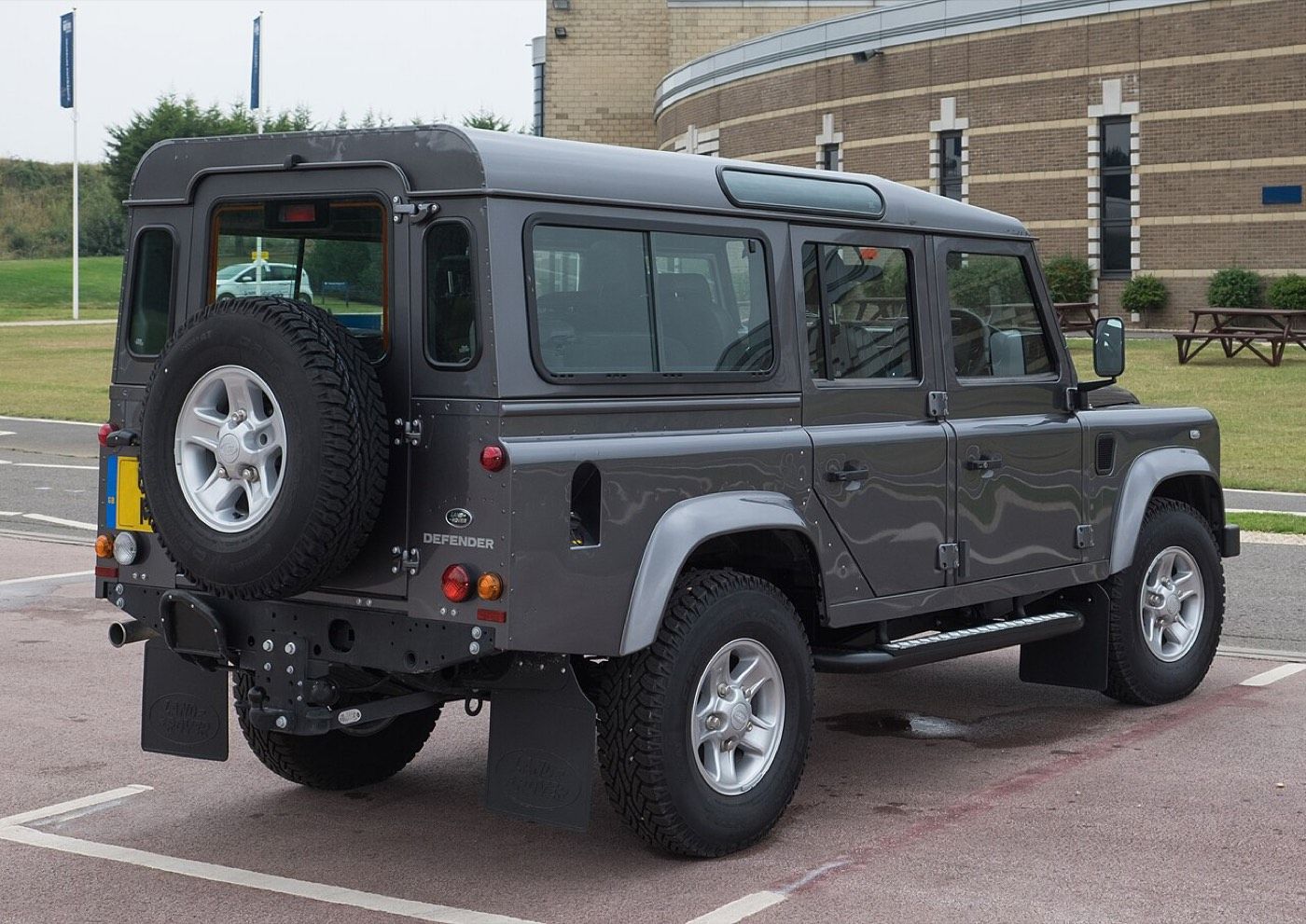
The most important thing on this page is a correction. The Defender Land Rover India launched on 15 October 2020 is a 2.0-litre turbocharged four-cylinder petrol car with 221 kW (300 PS) and 400 Nm, priced from ₹79.94 lakh ex-showroom for the 110 — not the 2,997cc inline-six mild-hybrid diesel with 650 Nm that this listing previously specified at ₹89 lakh to ₹1.05 crore. That single change invalidates most of the earlier argument, because the case for a heavy diesel six and the case for a petrol four in India are different cases. What survives verification is a car documented almost entirely through capability: 291 mm of clearance, 900 mm of wading, 3,720 kg of towing and a monocoque Land Rover claims is three times stiffer than a comparable body-on-frame vehicle. What does not survive is a running-cost argument, because the manufacturer’s own documents publish no mass and no economy figure for it.
MotoSutra editorial rating on a 5-point scale. Rated across 6 dimensions; unscored dimensions are omitted.
The correction first
This URL served a Defender review on an earlier MotoSutra deployment, and the page recovered in its place carried a catalogue record whose numbers had been invented. Checking that record against Land Rover India’s own announcement did not refine the figures. It replaced the car.
The Defender Land Rover India launched on 15 October 2020, in Mumbai, was offered with a 2.0-litre turbocharged four-cylinder petrol engine producing 221 kW — 300 PS — and 400 Nm of torque, in two body styles: the three-door 90 from ₹73.98 lakh and the five-door 110 from ₹79.94 lakh, both ex-showroom India, with deliveries of the 110 already begun and those of the 90 scheduled from the first quarter of FY 2021. The record on this page previously described a 2,997cc inline six in mild-hybrid diesel form with 296 bhp, 650 Nm across a 1,500-2,500 rpm plateau, 2,363 kg of kerb weight, an 857-litre boot and 10 kmpl. None of those figures appears in either of the manufacturer documents MotoSutra used, and the India launch car is not a diesel six. An accompanying claim that the structure was body-on-frame-derived was also wrong: the announcement describes the D7x all-aluminium monocoque, which Land Rover states is up to three times stiffer than a comparable body-on-frame vehicle.
Everything that depended on the earlier description has been deleted rather than softened: the mass-and-mileage running-cost argument, the torque-plateau reasoning, the width-and-parking argument, and the two invented variants with their invented prices. What follows is what the documents do support.
What the India listing specifies
The engine row is short by this catalogue’s standards because the source is short: four cylinders, a turbocharged petrol four of two litres’ nominal capacity, 300 PS and 400 Nm. The launch announcement gives no cubic-capacity figure, no engine speed for either peak and no gearbox ratio count for the India car, so the listing states none of those either. The drivetrain is documented in the global launch overview for the same generation — permanent all-wheel drive with a twin-speed automatic gearbox, a centre differential and an optional active locking rear differential — and is labelled as that document’s specification rather than the India release’s.
The engine displacement explainer is the honest companion to a 2.0-litre four making 300 PS: this is a small engine working hard rather than a large one idling, which is the opposite of the character the deleted diesel description implied, and it is why this page makes no claim at all about refinement, exhaust note or fuel bills.
The capability case, which survives verification
Where the India announcement is unusually generous is in numbers a buyer can use. Ground clearance is 291 mm, with a maximum approach angle of 38 degrees, a breakover angle of 28 degrees (31 on the 90) and a departure angle of 40 degrees; the wading depth is 900 mm, and the document pairs that figure with Wade Sensing, which shows the water line on the infotainment screen. Configurable Terrain Response and Terrain Response 2, which let the driver personalise the off-road settings, are named in the same passage. Towing is 3,720 kg, with a dynamic roof load of 168 kg, a static roof load of 300 kg and a payload of up to 900 kg on the global overview.
The load-space figures are stated as a range, which is the correct way to describe a car sold with three seating arrangements: 231 litres in the 5+2 layout with all rows in place, rising to 2,380 litres with the second row folded, with 40:20:40 split seatbacks and an optional front-row centre jump seat. The global overview additionally states up to 1,075 litres behind the second row for the European specification, and the two numbers describe different seats-up configurations rather than contradicting each other. Adaptive Dynamics is available with electronic air suspension, and the dampers are documented as monitoring body movement up to 500 times a second.
Inside, the announcement names Pivi Pro with a 10-inch touchscreen and a 12.3-inch interactive driver display, the ClearSight Rear Mirror, ClearSight Ground View as part of the 3D surround camera, software-over-the-air updates on an Electronic Vehicle Architecture, and — as options rather than equipment — a 700 W 14-speaker Meridian system and heated and cooled seats. The release carries its own caveat that features, colours and equipment shown may not be available on vehicles sold in India, so each of those items is attributed to the document above rather than claimed as fitment on a particular car.
Safety: a third party’s findings, attributed
The India launch announcement lists no airbag count, no stability-control claim and no driver-assistance hardware, so this record states none. What MotoSutra can legitimately publish is what a test programme recorded: Euro NCAP assessed a Defender 110 2.0 diesel SE in 2020, found autonomous emergency braking fitted as standard along with lane support with steering intervention, driver drowsiness detection, front and rear seatbelt reminders and a multi-collision braking system, and scored it 85 per cent for adult occupant protection, 85 per cent for child occupant, 71 per cent for vulnerable road users and 79 per cent for safety assist.
Two caveats are load-bearing there. The tested car is a European diesel SE of the same generation, not the India petrol specification, and that attribution is part of the sentence rather than a footnote. And no star value is stored on this record, so none renders on the listing, none on this page and none in the structured data — the percentages are the published findings, and the star graphic on the assessment page is rendered by the programme rather than transcribed here. The ADAS explainer covers what the equipment in that list does and where each system stops working.
What remains undocumented, and where the car sits
The gaps are large and worth naming in one place: no kerb weight, no top speed, no fuel economy, no overall dimensions beyond ground clearance, no tyre or brake specification, no boot figure in the single-number form this catalogue usually carries, no colour names and no India variant ladder. A five-seat, six-seat or 5+2 range is stated instead of a seating number, so the seat row is absent too. Those absences are the manufacturer documents’ own, and this listing reports them rather than filling them — which is the only defensible position for a page that was previously wrong in exactly those fields.
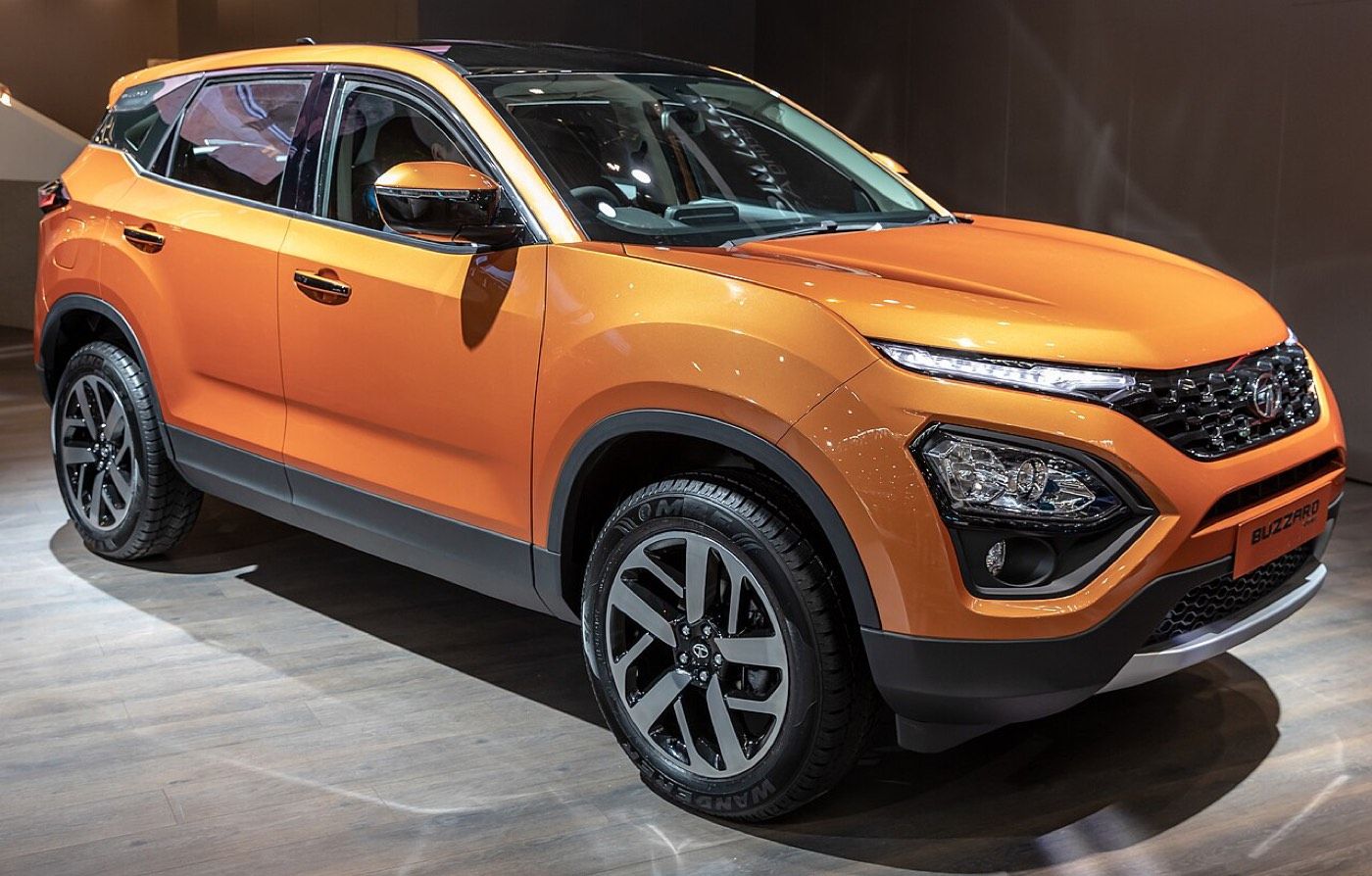
The catalogue holds one Land Rover record, so the marque page at Land Rover carries this listing, and the car appears on the SUV shelf by body type. The uncomfortable arithmetic is unchanged by the correction: at ₹79.94 lakh ex-showroom as announced, the Defender sits above every budget facet in this catalogue, so it has no priced alternative anywhere on this site, and the closest diesel-SUV review MotoSutra holds — the Tata Harrier — is roughly a fifth of the money. That is a gap in the catalogue, not a finding about the car, and it is reported as such. The score above is MotoSutra’s editorial grade of the documented specification: it rewards a capability case stated in usable numbers and a load-space and equipment story that holds together, and it is depressed by the absence of any mass, economy or price-progression data with which to judge ownership.
Pros and cons
What we like
- The capability figures are stated as work numbers rather than as styling claims: 291 mm of clearance, 38/28/40-degree angles, 900 mm of wading with a dedicated Wade programme
- Load space is described as a range from 231 litres with all rows in use to 2,380 litres folded, with 40:20:40 split seats and an optional front-centre jump seat, which is a family-utility specification
- Terrain Response 2, Wade Sensing and a software-over-the-air vehicle architecture are named on the India launch specification, with the air suspension listed under Adaptive Dynamics rather than as standard fitment
What we would change
- Neither launch document states a kerb weight, a top speed or a fuel-consumption figure, so the running cost of a 300 PS petrol SUV cannot be reasoned about from this listing
- The India announcement carries one price point for the 110 and no variant ladder, so a buyer cannot read an equipment progression off this page
- The only crash assessment available to MotoSutra is Euro NCAP’s 2020 test of a European Defender 110 2.0 diesel SE, and no star value is stored for this record
Frequently asked questions
Is this a 2020 road test?
No. MotoSutra publishes no test results, owner surveys or customer ratings in this build. This is an editorial reading of the launch documents Land Rover India published for the Defender, written on 21 September 2026, the same date the listing’s figures were checked against those documents.
Was the earlier version of this page wrong about the engine?
Yes, and not marginally. The previous listing described a 2,997cc inline-six mild-hybrid diesel with 296 bhp and 650 Nm across a 1,500-2,500 rpm plateau, at 2,363 kg. Land Rover India’s launch announcement of 15 October 2020 states a 2.0-litre turbocharged four-cylinder petrol engine producing 221 kW (300 PS) and 400 Nm. The diesel description has been deleted rather than adjusted, because every figure built on it — mass, claimed economy, the torque-plateau argument — depended on the wrong powertrain.
What does the Defender cost in India?
The documented figure is ₹79.94 lakh ex-showroom for the Defender 110 in Land Rover India’s announcement of 15 October 2020, with the Defender 90 from ₹73.98 lakh and 90 deliveries to begin in the first quarter of FY 2021. It is a launch price with a date attached, not a current quotation, and MotoSutra publishes no current India price because no manufacturer document stating one was used here.
Does the Defender have a crash-test score on MotoSutra?
No star value is stored for this record, so none appears on the page or in its structured data. Euro NCAP assessed a Defender 110 2.0 diesel SE in 2020 and published percentage scores of 85 adult occupant, 85 child occupant, 71 vulnerable road users and 79 safety assist; those findings, and the equipment they attribute to that European variant, are quoted with that attribution. The crash-rating explainer in the guides section covers why an equipment list and a test score answer different questions.
Why is there no comparison article for this car?
Because the catalogue holds no other vehicle in its price range. A comparison needs two listings, and MotoSutra has one Land Rover record; pairing a ₹79.94 lakh imported SUV with the diesel-SUV review closest to it on this site — roughly a fifth of the money — would compare a car to the wrong class.