Explainer
NCAP crash ratings explained: the programmes, the stars, and what a rating does not cover
Two stars and five stars now cost nearly the same money in the same showroom rows. What Global NCAP, Euro NCAP and Bharat NCAP actually test, why stars are not a percentage, and the long list of crashes no rating covers.
- Toyota Hyryder ₹11.31 lakh
- Tata Motors Punch ₹5.75 lakh
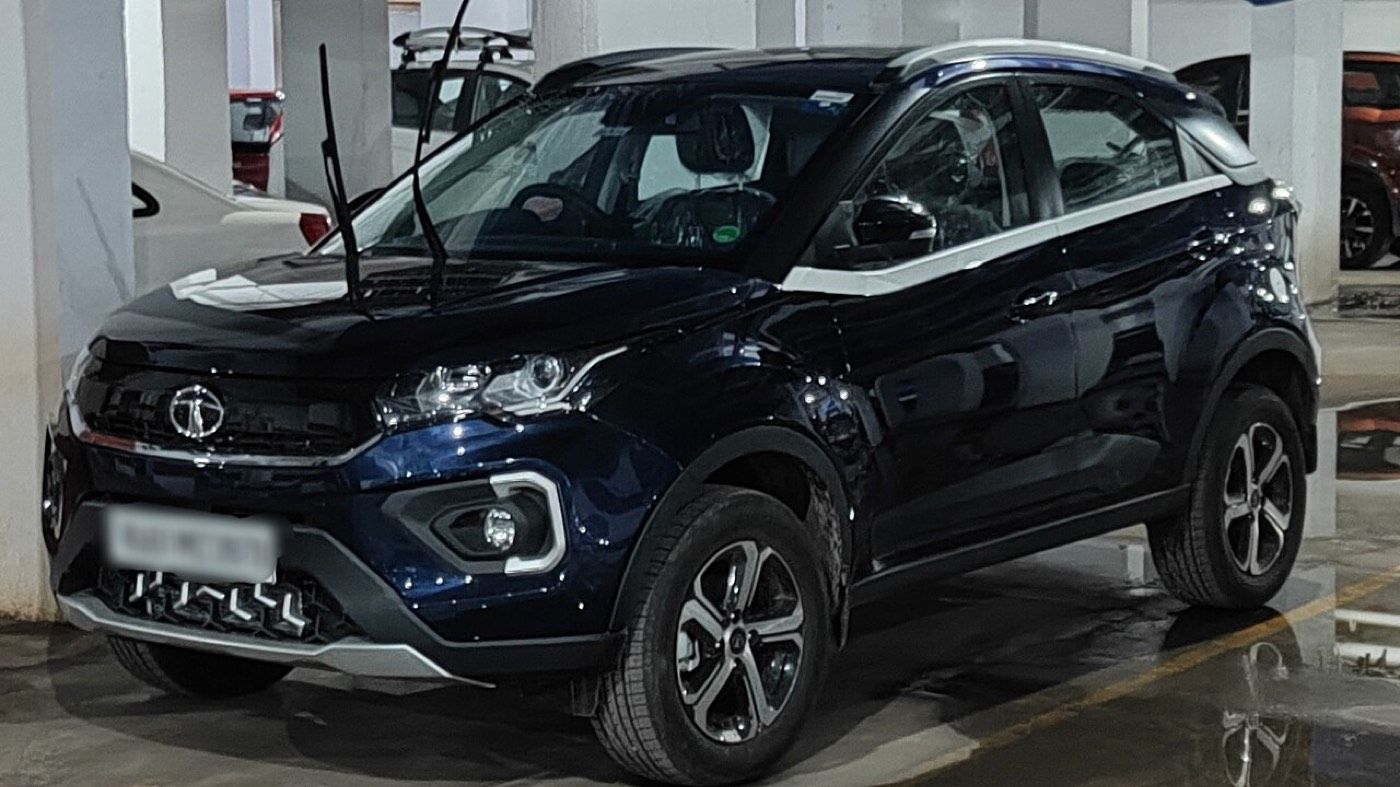
- Tata Motors Nexon ₹7.4 lakh
- Hyundai Verna ₹10.99 lakh
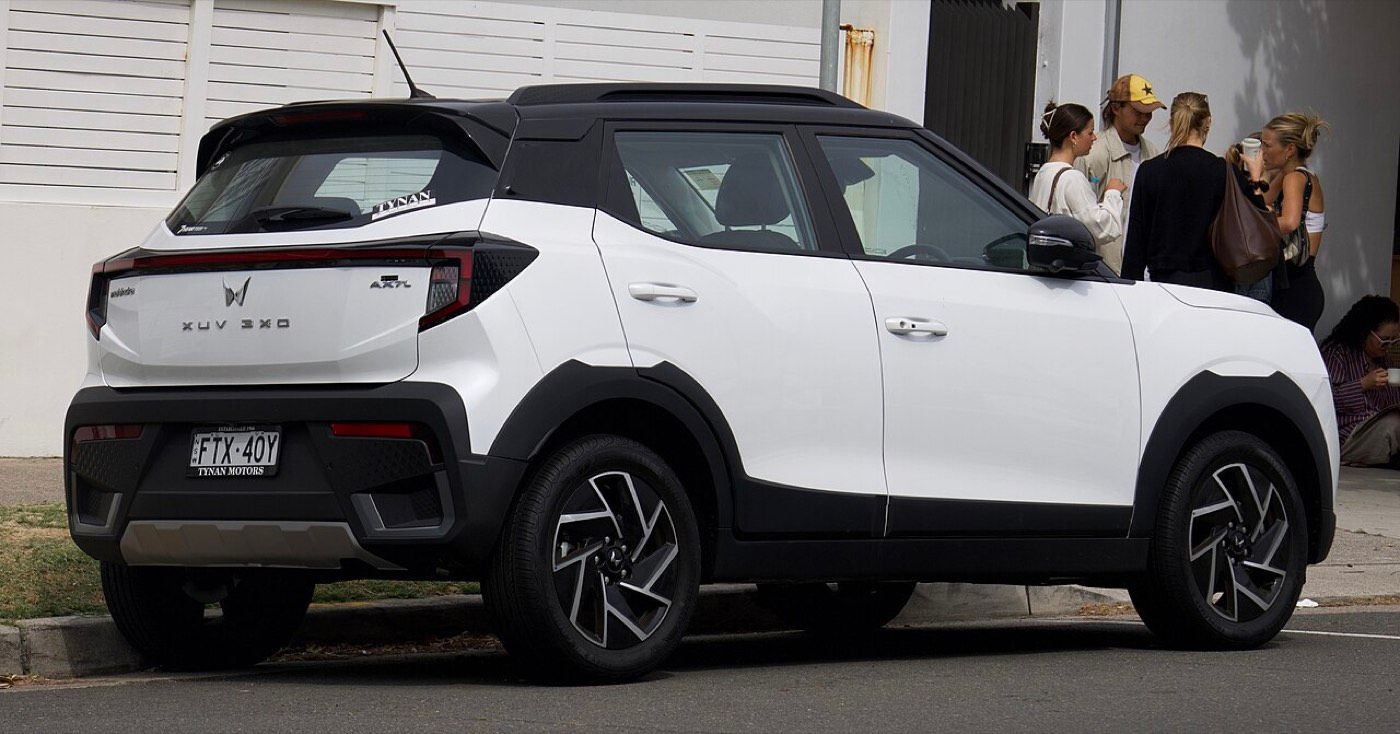
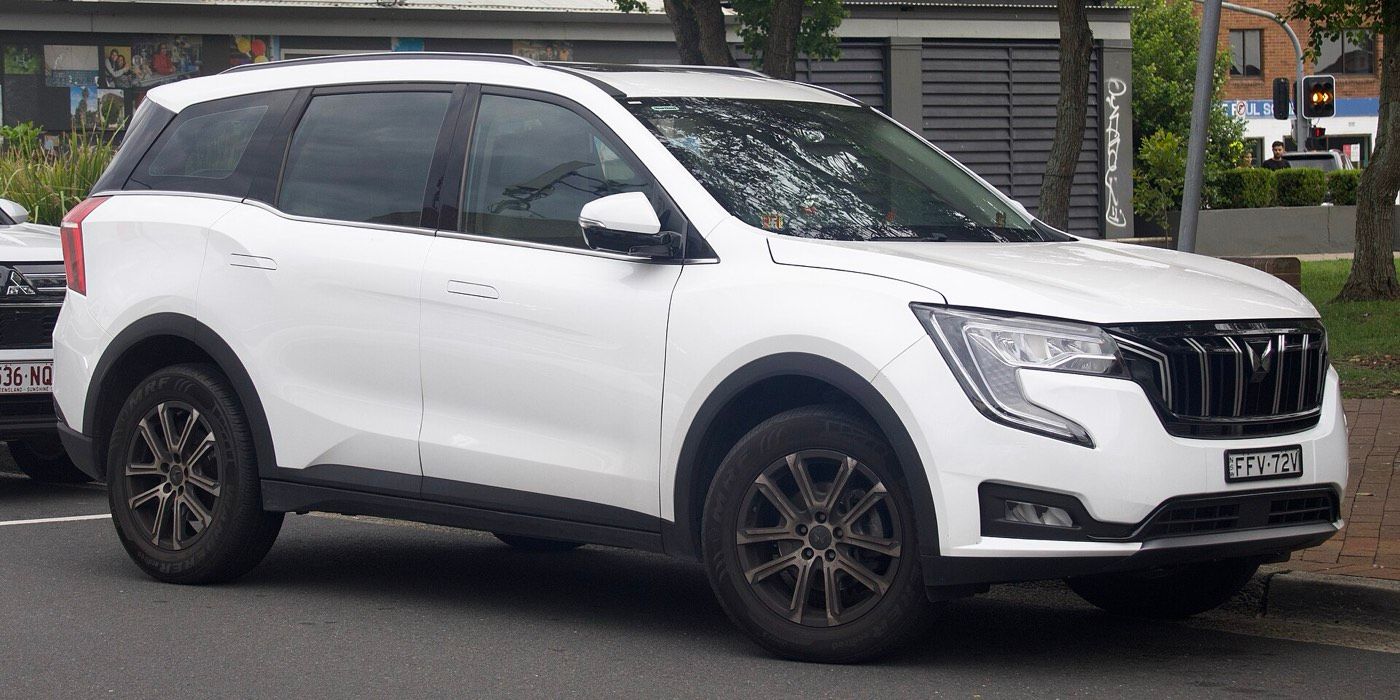
- Mahindra XUV 3XO ₹9.89 lakh

Editor & Publisher
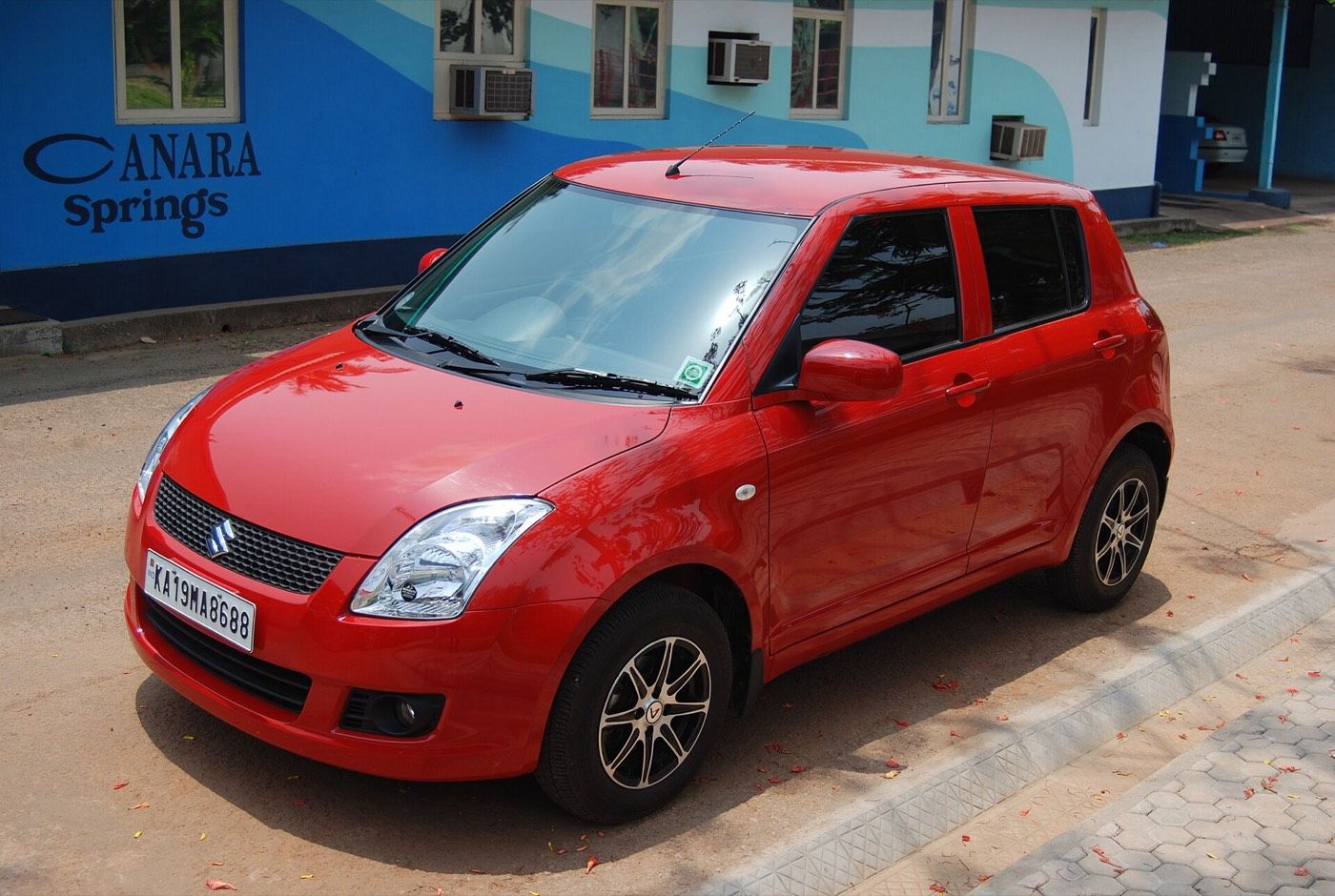
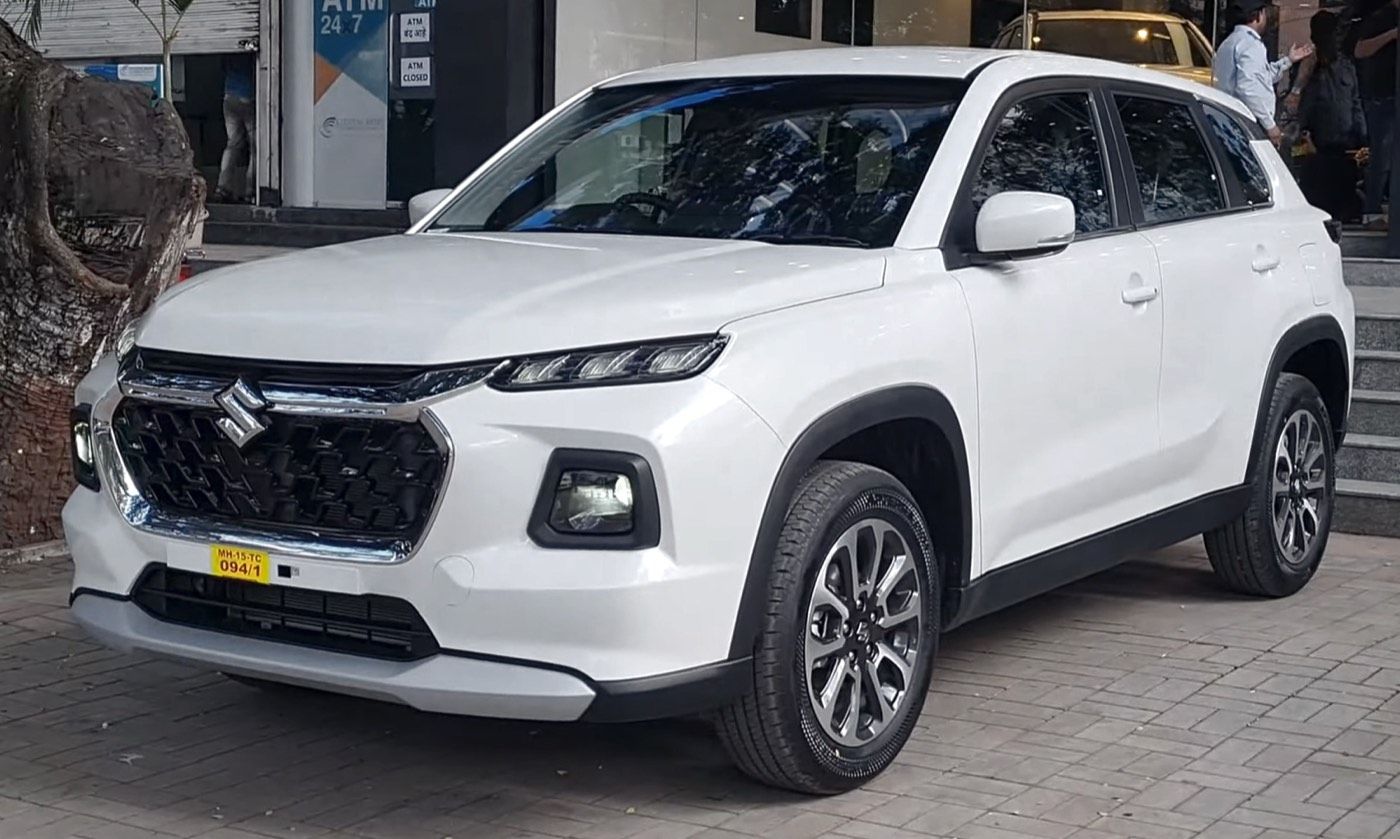
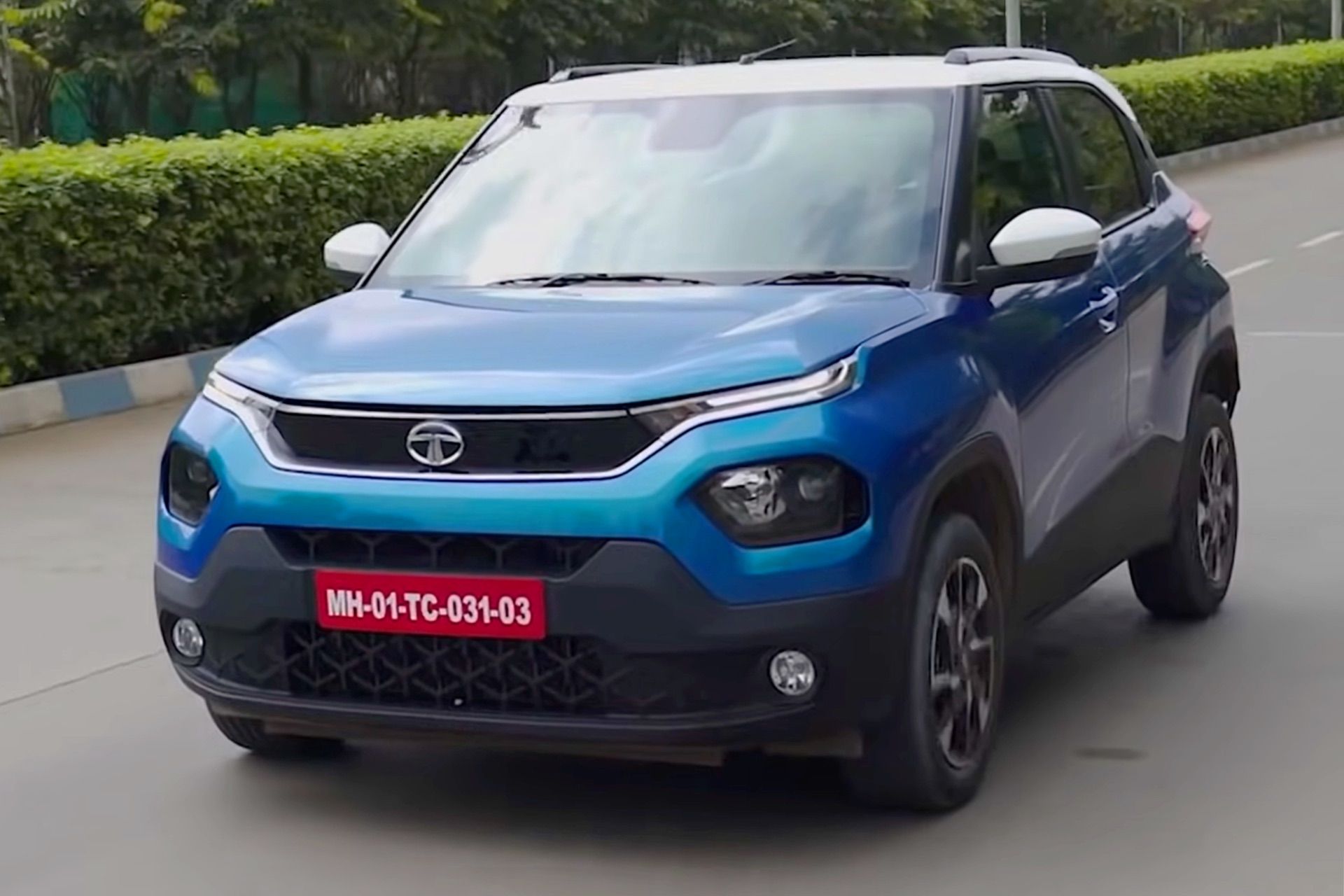
The Wagon R starts at ₹5.55 lakh in our listing and carries a two-star adult crash rating. The Punch starts at ₹5.75 lakh and carries five. The i20 opens at ₹5.99 lakh, two stars; the Altroz at ₹6.19, five. At the top of the affordable bracket the pattern repeats with bigger numbers: a two-star Verna from ₹10.99 lakh lives ten minutes’ drive from a five-star Hyryder at ₹11.31 lakh. For a long time the safety argument was a price argument — you paid more to be protected better. The star columns have stopped agreeing with that, and a great many buyers have not noticed.
What the programmes are
NCAP stands for New Car Assessment Programme, and the first thing to understand is that these are not government approvals. Homologation — the legal minimum to sell a car — is a different, lower bar. NCAPs are assessments: they buy cars on the open market and crash them to a published protocol, and the stars are a consumer label. Three families matter here. Global NCAP, the independent body behind the older India ratings, ran deliberately austere tests — a deformable barrier, no side impact, no pedestrian score — which is why some familiar names score surprisingly low on it and why a good Global NCAP result translates to comfortable safety rather than brochure bragging rights. Euro NCAP is the strictest mainstream protocol in the world and has progressively added side-pole impacts, child-occupant tests, pedestrian protection and safety-assist scoring; our Atto 3 record carries its five-star adult rating. And Bharat NCAP is India’s domestic programme, run through the country’s own testing infrastructure on a protocol closer to the modern European shape, with separate adult and child star ratings.
What the stars measure
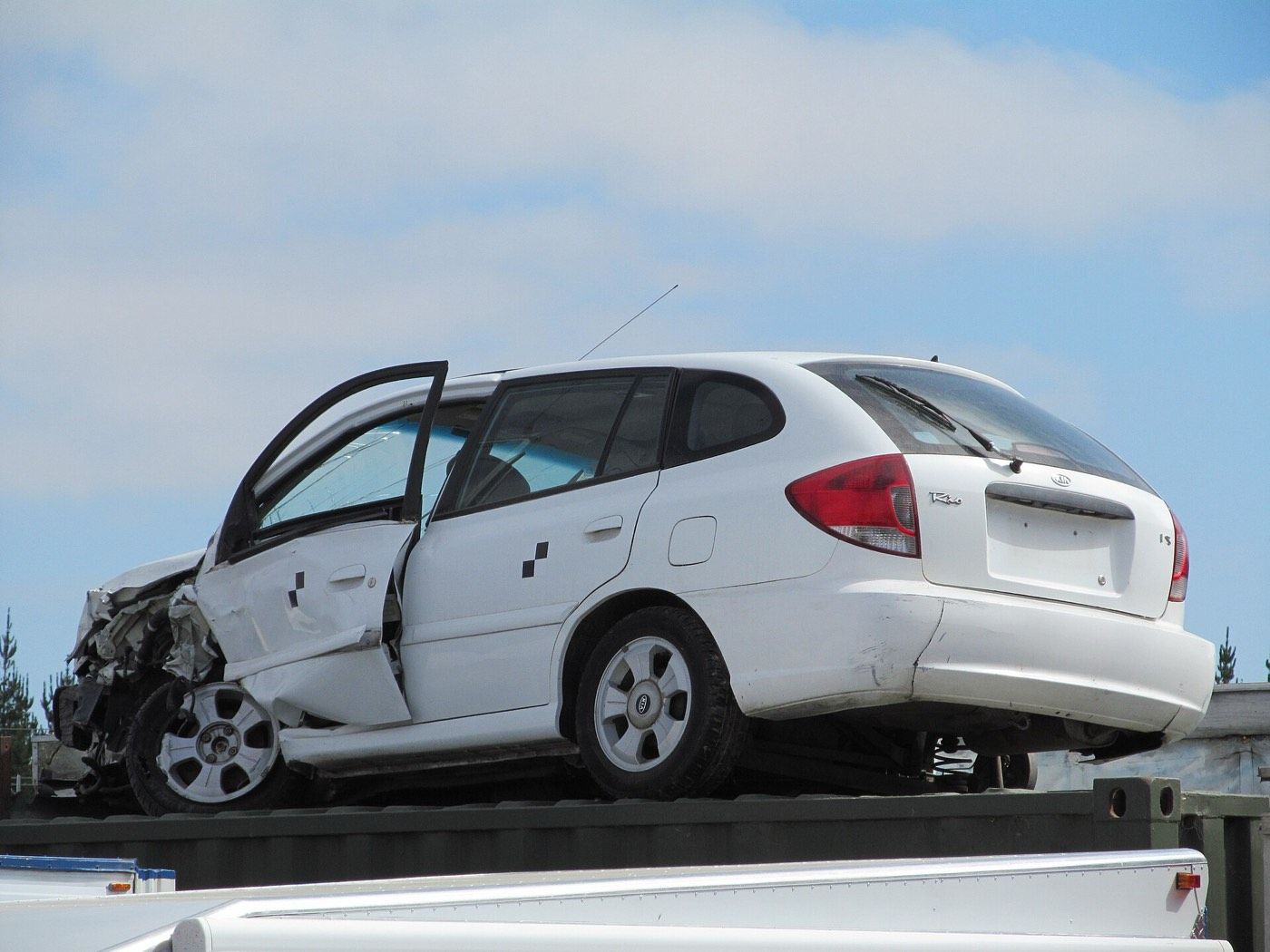
A rated crash is engineering violence conducted on instruments. In the frontal test the car is run at a set speed into a deformable barrier — the classic 64 km/h offset impact, with roughly 40 per cent of the car overlapping, so one corner takes the hit and the structure has to route forces around the cabin. Dummies report back: head acceleration, neck loads, chest compression, femur force, where the steering column and knee went, whether the door stayed shut, whether the belts and airbags kept the occupant on the correct path. Structural stability is scored separately, which is the part of the test a maker cannot bolt on later. Side impacts add a moving deformable barrier, and stricter protocols drop the car onto a rigid pole, which is the nasty one that maps to a tree. Child tests crash seats with dummies; pedestrian tests fire a leg-form and a head-form at the bumper and bonnet. The stars summarise all of it, with adult protection dominating the headline number, and a programme’s star map roughly reads as: two stars means survive, three means well, four means comfortably, five means the protocol ran out of room to punish the car.
Three reading cautions come with that. Stars are an ordinal summary, not a percentage — a four-star car is not “80 per cent as safe”, and the distance between three and four stars varies by protocol year. The test is one geometry at one speed, chosen to be discriminating, not to represent your actual accident. And the car tested is the base specification sold in that market, which is deliberate — testing the worst variant you can buy is the point — but it does mean a top-trim five-star claim attached to a model whose entry variant you are actually quoting is a different object.
How the number flatters
The flattering happens around the rating rather than inside it. A maker with a good adult score may not mention that the child-occupant stars, published on the same certificate, sit one or two lower. A model can carry six airbags in the safety column — and our Exter and i20 records both list them as standard — while the star figure, which is about the structure those bags are mounted in, tells a more modest story; the showroom conversation, understandably, prefers the bags. Older tests against older protocols stay quoted for years after the bar rises, which quietly advantages cars rated when the exam was easier; the honest question is always which version of the protocol produced the number.
Airbags are a line-item the buyer can see from outside. The star rating measures the parts of the car that were designed to be destroyed once.
What the rating does not cover
The list of exclusions is as informative as the score. Crash compatibility between two actual vehicles — a small car against a full-size SUV whose ride height aims its frame at the other’s occupants — is not what a standardised barrier simulates. Rollover is not in any of the three frontal/side protocols. A motorcycle broadsiding your doors is not in them either: two-wheeler safety in India is a helmet, ABS and conspicuity conversation, and no consumer crash label exists for the vehicles themselves, which is exactly why every bike and scooter record in our catalogue leaves the star field empty. ADAS equipment earns points inside the newer protocols but is a separate system with its own failure modes, and the ADAS explainer in this series covers what it does and where it gives up.
Reading the MotoSutra spec sheet
Car records carry two safety fields: a safetyStars number and a text line naming the programme and the equipment — our XUV 3XO and Elevate records read five-star Bharat NCAP, the Nexon and Altroz five-star Global NCAP, the Tiago four, the Swift and Wagon R two. Where the star figure is absent, treat it as “not rated in this listing”, never as neutral. Then hold the two columns against the price line, because that is the buyer-level summary of everything above: in the current catalogue the gap between the least protected and most protected ₹6 lakh-class car is not money. It is a decision.
Frequently asked questions
Is Bharat NCAP the same as Global NCAP?
No. Global NCAP is an independent consumer organisation whose earlier India tests, run through the Safer India programme, set the reference ratings most of our records carry. Bharat NCAP is India’s own government-run protocol, administered through the country’s test agencies, with its own barrier speeds, its own child-occupant and pedestrian assessments and its own star mapping. Stars from the two programmes are similar in spirit and not directly interchangeable, which is why we name the programme next to every rating.
Do six airbags make a car safer than two airbags?
Airbags are one input into a star score, not the score itself. Our i20 and Verna records both list six airbags as standard across the trims in this listing and both carry two-star adult structures in the same listing; the crush of the body around the occupants decides the stars, and bags only earn theirs if the structure leaves them something to work with.
Are the star ratings in this catalogue official?
They are unverified MotoSutra catalogue figures, attributed to the named programme the way a showroom listing would be. MotoSutra has crashed nothing for this page and driven none of these cars. Treat the pattern they show — which cars are recorded at two stars and which at five, and at what price — as the point of the page, and confirm any individual number with the named programme’s published results.
Why do no bike or scooter records in this catalogue have star ratings?
Because the category has no comparable consumer crash programme. Cars are tested in structured frontal and side impacts against standardised barriers; there is no equivalent two-wheeler test regime anywhere in the world, which is why our bike and scooter records deliberately carry no safety-stars field at all. The protective hardware there is a helmet, and nothing printed on a spec sheet substitutes for it.