News
Mahindra gives the 2026 Thar more standard kit and lifts the 4WD flagship past ₹16.5 lakh
A model-year revision puts the digital cluster and all-terrain tyre option lower in the range, holds the ₹9.99 lakh entry price, and asks ₹16.75 lakh for the HT(O) 4WD — above what the catalogue currently records.
- Mahindra Scorpio N ₹13.69 lakh
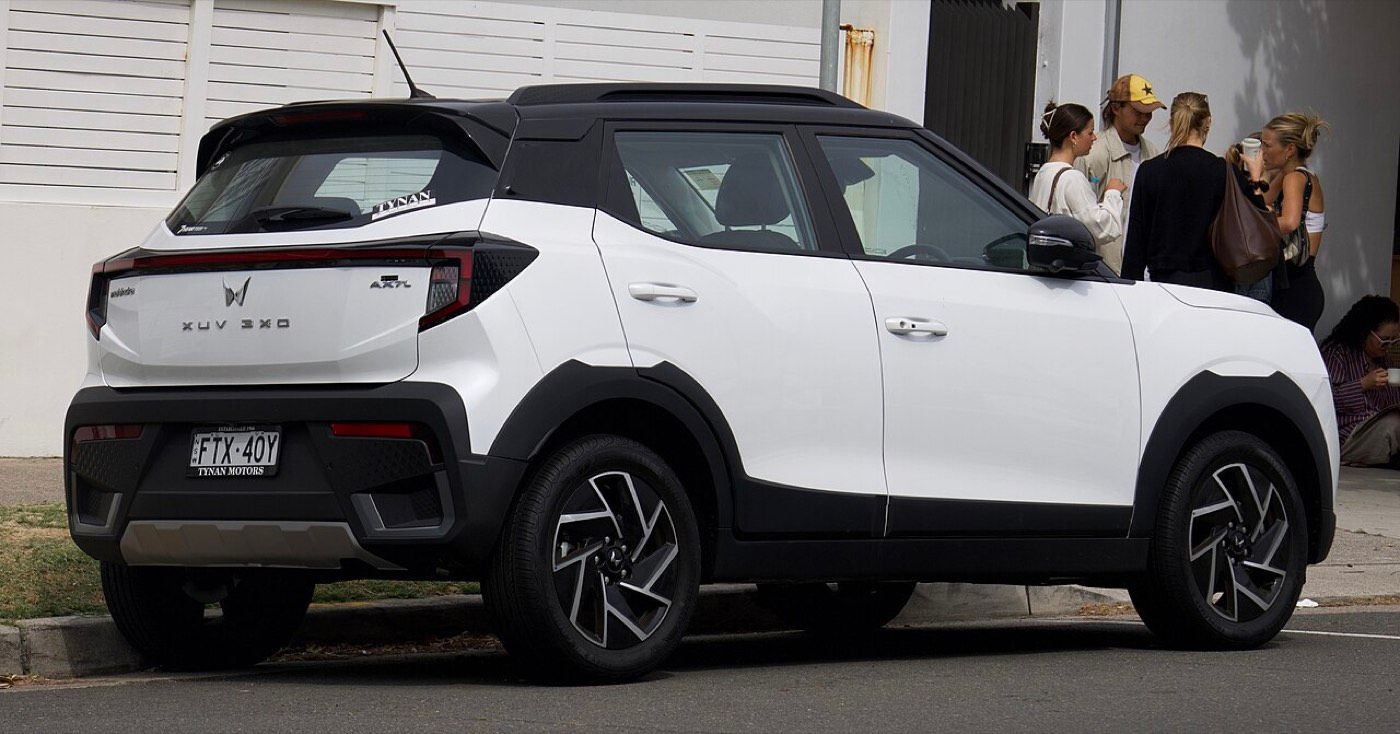
- Mahindra XUV 3XO ₹9.89 lakh
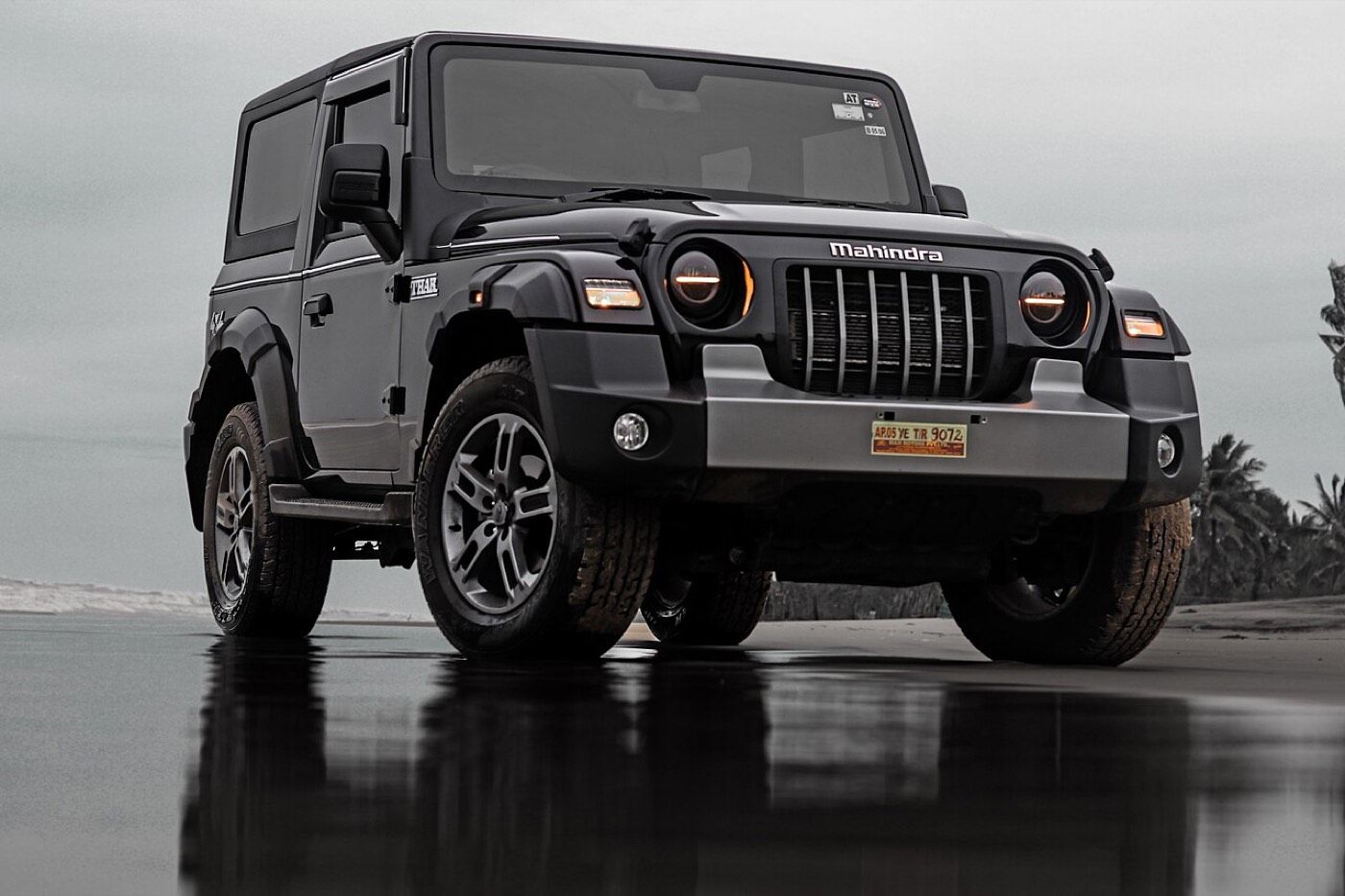
- Mahindra Thar ₹9.99 lakh

Editor & Publisher
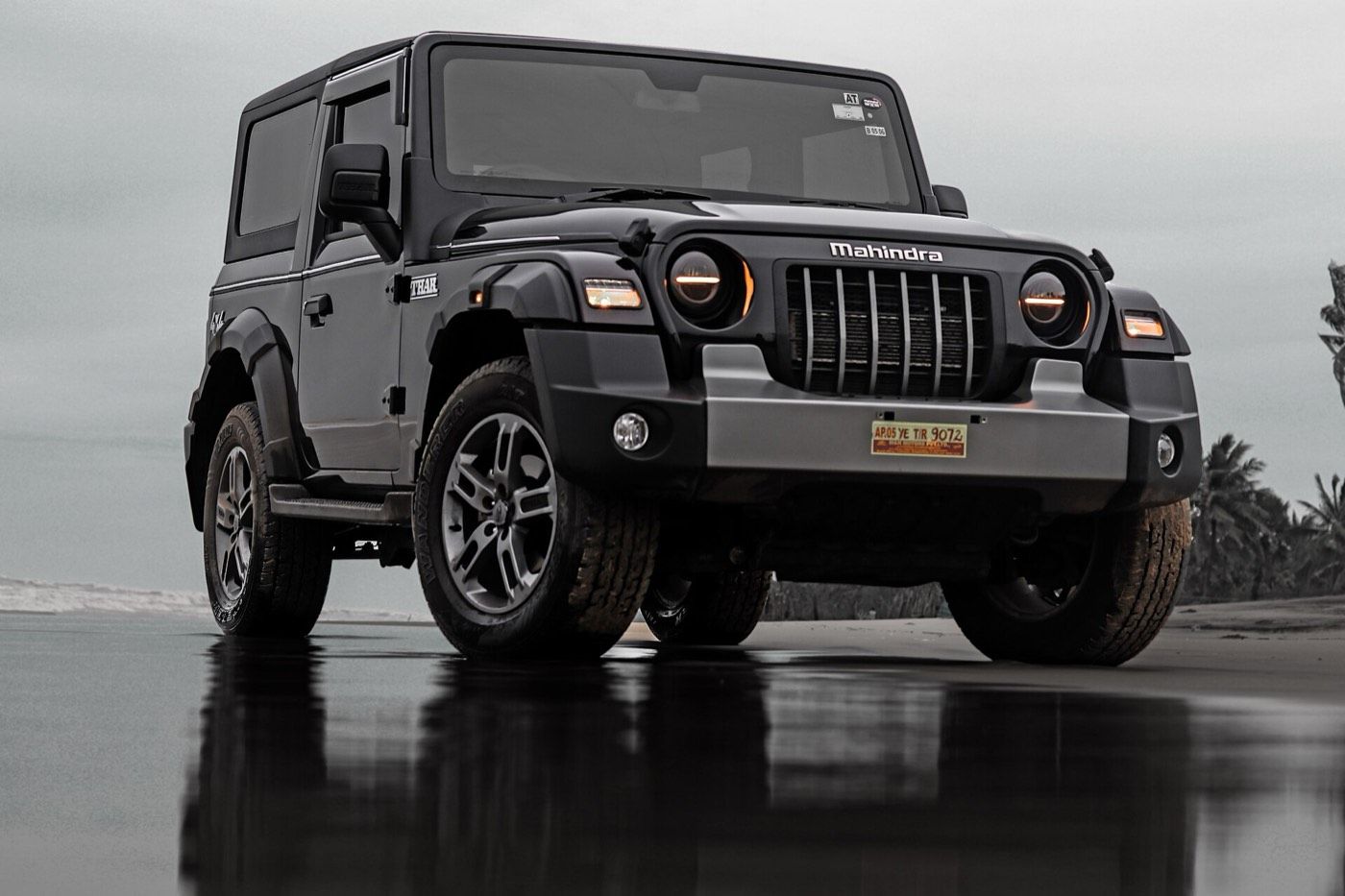
The Thar’s model-year updates have a habit of being about the parts of the car nobody photographs: a calibration here, a trim reshuffle there, the same ladder frame underneath. The 2026 revision holds to that pattern, with one line on the price sheet that breaks it — the HT(O) 4WD diesel automatic now asks ₹16.75 lakh in the revised sheet, ₹25,000 past the ₹16.50 lakh that MotoSutra’s catalogue currently records at the top of the range, and the listing has yet to carry the new number. The entry price stays at ₹9.99 lakh for the MS petrol.
Whether the hike matters depends entirely on which Thar a buyer is shopping. The 4WD flagship is the only variant in the recorded ladder with the low-range transfer case, and for that buyer ₹25,000 is noise inside a purchase already justified by hardware nothing else at this money offers. The petrol variants, which account for most Thar registrations on the recorded ladder’s logic, see smaller steps within the old band and more standard equipment, and that is arguably the better side of the revision.
What the money buys this year
Three changes carry the update. The digital instrument cluster recorded on the AXS diesel drops to the AS petrol trim, so the ₹11.49 lakh bracket — already upgraded to a touchscreen and rear camera in the current listing — gets the screen-in-front-of-you treatment without the diesel tax. The all-terrain tyre option, previously the flagship’s party kit, becomes orderable from the AXS upward. And the rear AC vents with their dedicated blower, a real comfort item in a boxy cabin with a lot of glasshouse, move to standard fitment from the base MS.
A company brief accompanying the revision leans on an enhanced experience without compromising capability, which is marketing-speak for the accurate fact that nothing off-road has changed: the solid axles, the removable top panels and the 226 mm of clearance are exactly the recorded hardware.
The specification that keeps the review honest
What our catalogue scores at 3.9 out of five overall — a 4.4 for design against a 3.2 for safety and a 3.4 for mileage — follows from the recorded hardware: a ladder frame with solid axles, which implies clunk over expansion joints, steering the record notes as loose until you stop noticing, and a claimed 14 kmpl that MotoSutra reads at roughly 10-11 in town on a 2,080 kg diesel. Seating is for four because the 1,818 mm body does not honestly fit three across, and the 570-litre boot number reflects luggage living behind the axle line.
None of that is fixed by a model year, and Mahindra has not pretended otherwise. The thornier question the revision sidesteps is safety: dual airbags and a three-star Global NCAP score in a car whose off-road reputation sells it to families who also drive their children to school on state highways at 90 km/h. The XUV 3XO in our listing records a five-star Bharat NCAP score and up to seven airbags for ₹5 lakh less than this flagship; the Thar’s argument has always been that different hardware solves different problems, and this year it is the same argument at a slightly higher price.
For buyers who want the hardware — and the Thar is still the cheapest way into real crawler gears in India — the revision is close to irrelevant. For everyone else, the AS petrol with the digital cluster at ₹11.49 lakh is quietly the best-equipped version of this hobby car the range has had.
Frequently asked questions
What does the 2026 Thar cost?
The entry MS petrol is unchanged at ₹9.99 lakh in the unverified listing, but the revision takes the HT(O) 4WD diesel automatic to ₹16.75 lakh — above the ₹16.50 lakh top price the catalogue currently records, which means the listing has yet to carry the new sheet. The intermediate AS, AXS and AXS+ AT prices move up in small steps within the old band.
What equipment became standard?
The fully digital instrument cluster moves down from the AXS diesel to the AS petrol trim, the all-terrain tyre option recorded on the 4WD flagship becomes orderable on the AXS and above, and rear AC vents with the dedicated blower are fitted from the MS upward rather than being a higher-trim item.
Did the engines or the hardware change?
No. The recorded package carries over: the 2.0-litre diesel at 150 bhp and 320 Nm from 1,500 rpm, the turbo-petrol on the lower trims, part-time four-wheel drive with a low range on the flagship, 226 mm of ground clearance and the ladder frame with solid axles.
Is the 2026 Thar safer?
Not on the recorded numbers. Dual airbags, ABS with EBD and stability control remain the full list, and the structure still carries the three-star Global NCAP adult score in our catalogue. The update spent its money on equipment, not restraints.