News
Mahindra pushes its assistance suite deeper into the XUV700 range
Level 2 driver assistance moves down the trim ladder on Mahindra's seven-seat SUV, with recalibration focused on speed control and lane centring in Indian traffic.
- Mahindra XUV700 ₹13.99 lakh
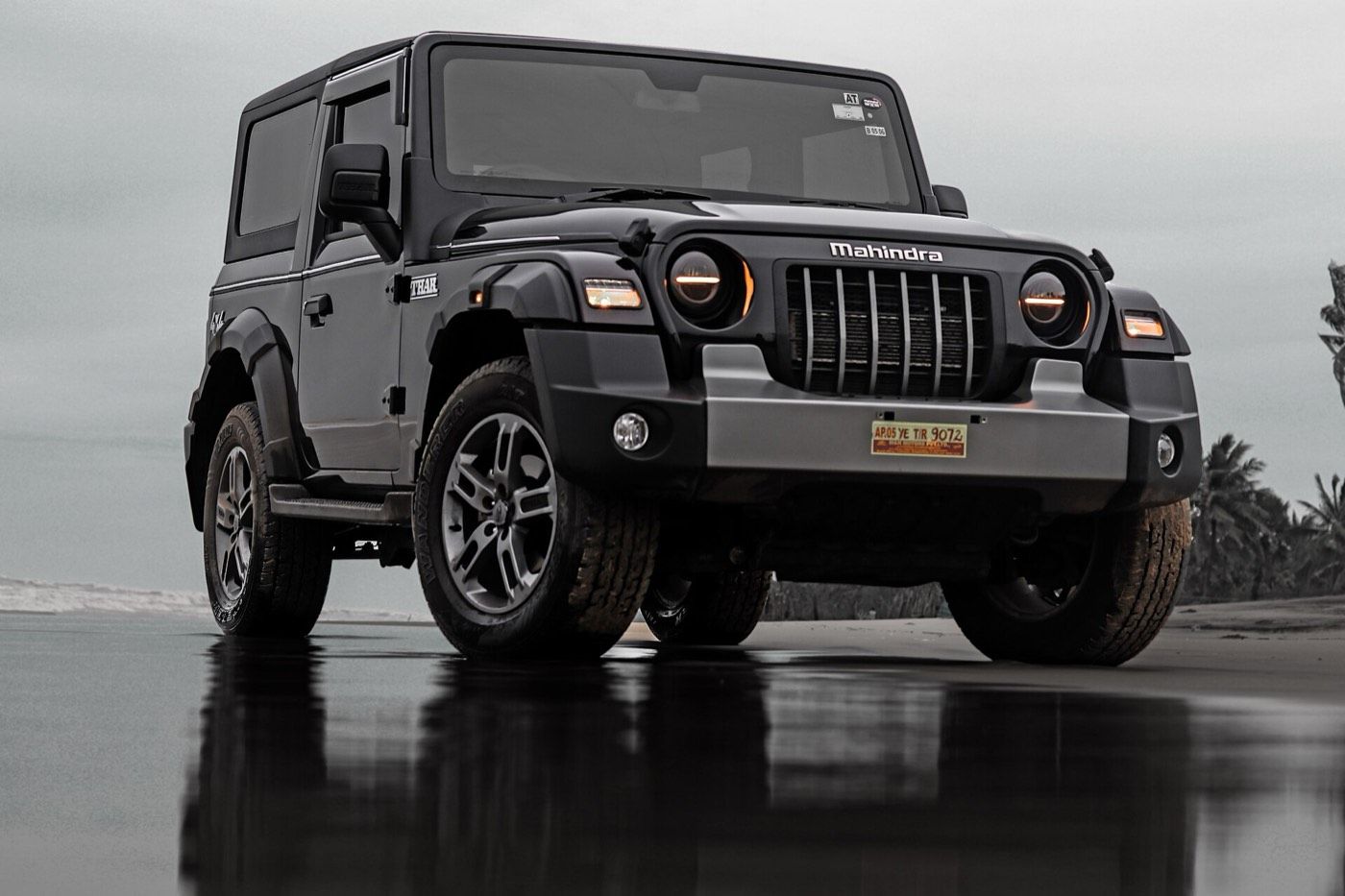
- Mahindra Scorpio N ₹13.69 lakh
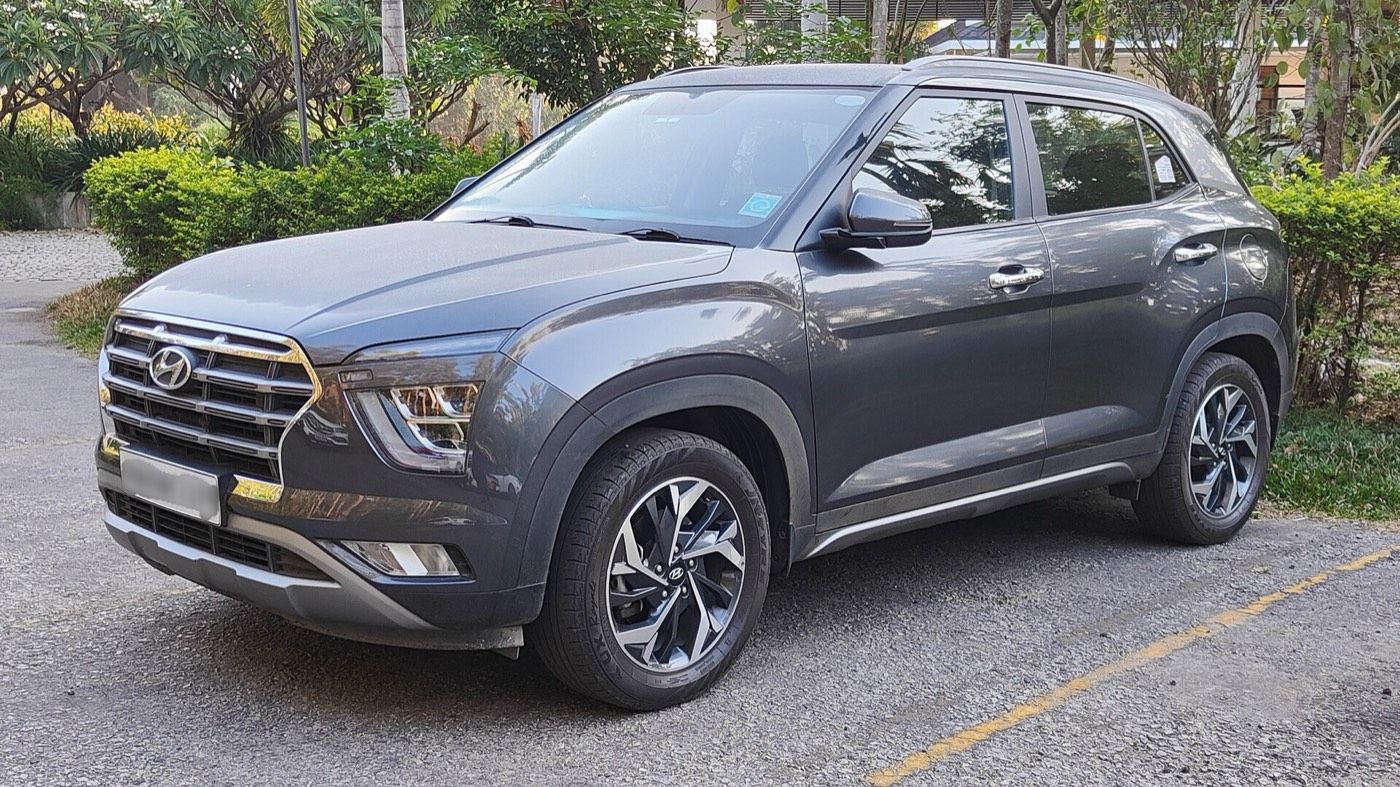
- Hyundai Creta ₹10.91 lakh

Editor & Publisher
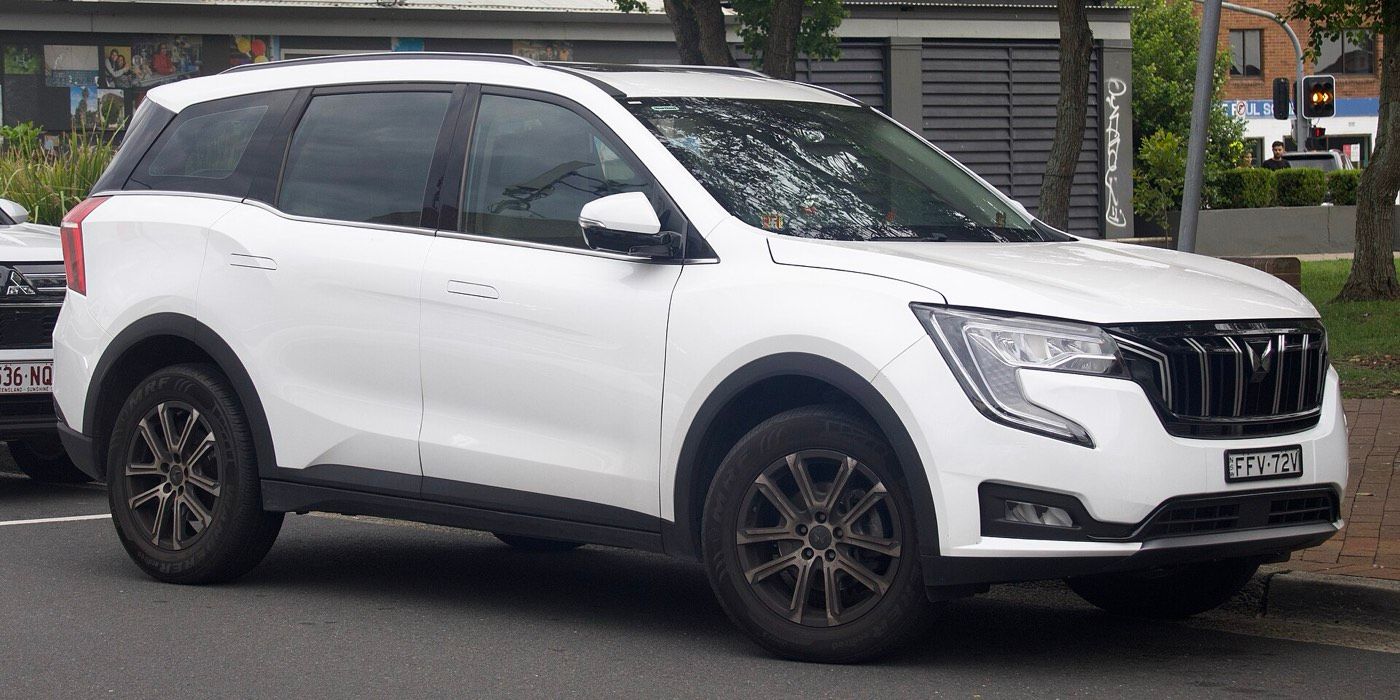
Mahindra has taken the decision its rivals were forced into first, and moved Level 2 driver assistance further down the XUV700 range instead of holding it for the top two variants. The hardware, a forward camera and radar suite, is the same as the flagship cars have carried; what has changed is the trim at which it appears, and, more interestingly, the calibration behind it, which Mahindra says has been reworked for the way Indian traffic actually behaves rather than for the European test cycles the supplier’s software was originally mapped against.
That second part is the substance of the story. Fitment is a pricing decision. Calibration is an engineering one, and it is the reason to look again at a car whose assistance system has, in the record, been judged more capable on empty motorways than in a queue.
What the numbers still say
The XUV700 as priced in MotoSutra’s unverified data opens at ₹13.99 lakh ex-showroom, and the 1,997 cc turbo-petrol is rated at 200 bhp with 380 Nm, for a claimed 16 kmpl in seven-seat form. That is the reference point for any debate about this update: a heavy, fast, genuinely capable SUV in which assistance is a mitigating technology rather than a convenience.
Braking demand from a system carrying 380 Nm of torque and two tonnes of vehicle is not gentle, and the practical quality of an adaptive speed control system in Indian traffic is measured by how predictable its interventions feel to the driver behind you as much as to you. A system that brakes hard and late for a cut-in four vehicles ahead is worse than one that lifts throttle early and lets the gap close.
Mahindra’s technical brief argues that the rework is about intervention character rather than feature count, stating that the objective was to reduce the number of surprises a driver gets in a stop-go queue, because a system that startles its own driver is a system the driver switches off.
That last clause is the whole problem with assistance technology in this market. Everything measured after a driver disables the suite is irrelevant, and Indian road conditions give plenty of reasons to disable it.
Where the recalibration helps and where it does not
Lane centring at 100 kmph on a well-marked expressway is where a reworked system will show its gains, holding the car mid-lane through camber and crosswind instead of sawing between the lines. The scenarios that resist software are the ones with no markings, where camera-based systems default to radar-only behaviour and become less decisive, and unmarked speed breakers, which no current production assistance system detects reliably.
Cut-outs, poorly maintained service roads and cattle on a highway at dusk remain beyond the envelope. The correct expectation from this update is a less irritating motorway car with a better-behaved queue system, not a car you can stop watching.
How it lands against the field
Hyundai and Kia have sold assistance across the Creta and Seltos ranges longer, with materially less vehicle weight and power behind the interventions, and both have argued that their calibration has matured through greater fleet mileage on Indian roads. Mahindra’s counter is that the XUV700’s structure and crash rating, which MotoSutra’s data records at five stars, mean the passive safety case was already settled and this closes the active-safety gap. Within the range, the Scorpio N gets the same argument in a body-on-frame shape and will follow on the same schedule.
For a buyer who does long highway runs with a full car, this makes the mid-grade XUV700 the one worth quoting. For a city user, it changes nothing that justifies moving up a trim.
Frequently asked questions
Which XUV700 variants get the assistance suite now?
Mahindra has extended availability down the range rather than confining it to the flagship grades. Exact trim mapping varies by powertrain and by option package, so confirm the fitment list against the price sheet for your state before assuming a mid-grade car carries the full suite.
What does the update change in day-to-day driving?
Mahindra describes revised calibration for adaptive speed control and lane centring, with the work aimed at low-speed queue behaviour and smoother braking demand rather than motorway use.
Does this affect the XUV700's price?
MotoSutra's data holds the entry XUV700 at ₹13.99 lakh ex-showroom. Treat any equipment-deepening update as a reason to re-quote, since the trim where assistance begins is usually where the price structure shifts.