Explainer
How to improve mileage: what actually works and what is ritual
MotoSutra’s catalogue records pair claimed figures of 25 kmpl with its estimates of 16-19 in the same car. The gap is not a lie, it is a driving pattern — and most of it can be moved with pressure, planning and the right gear, not additives.
- Toyota Hyryder ₹11.31 lakh
- Tata Motors Punch ₹5.75 lakh
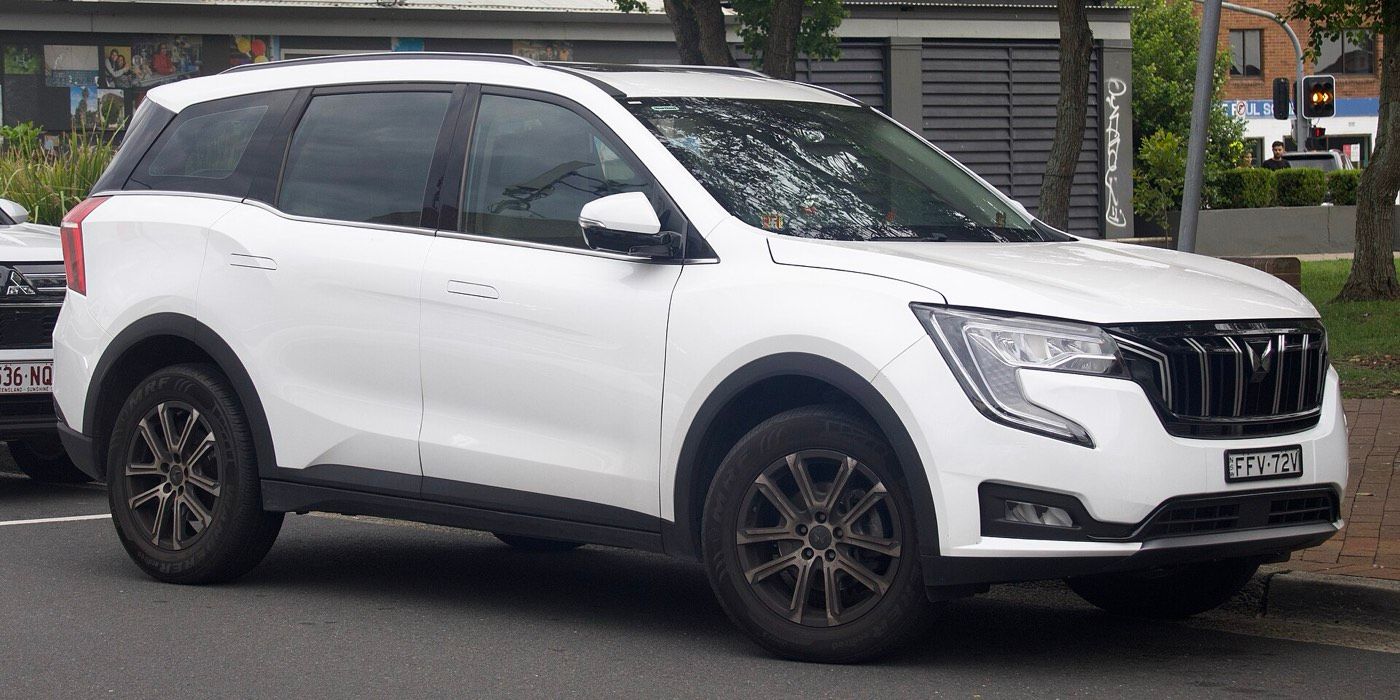
- Mahindra XUV700 ₹13.99 lakh
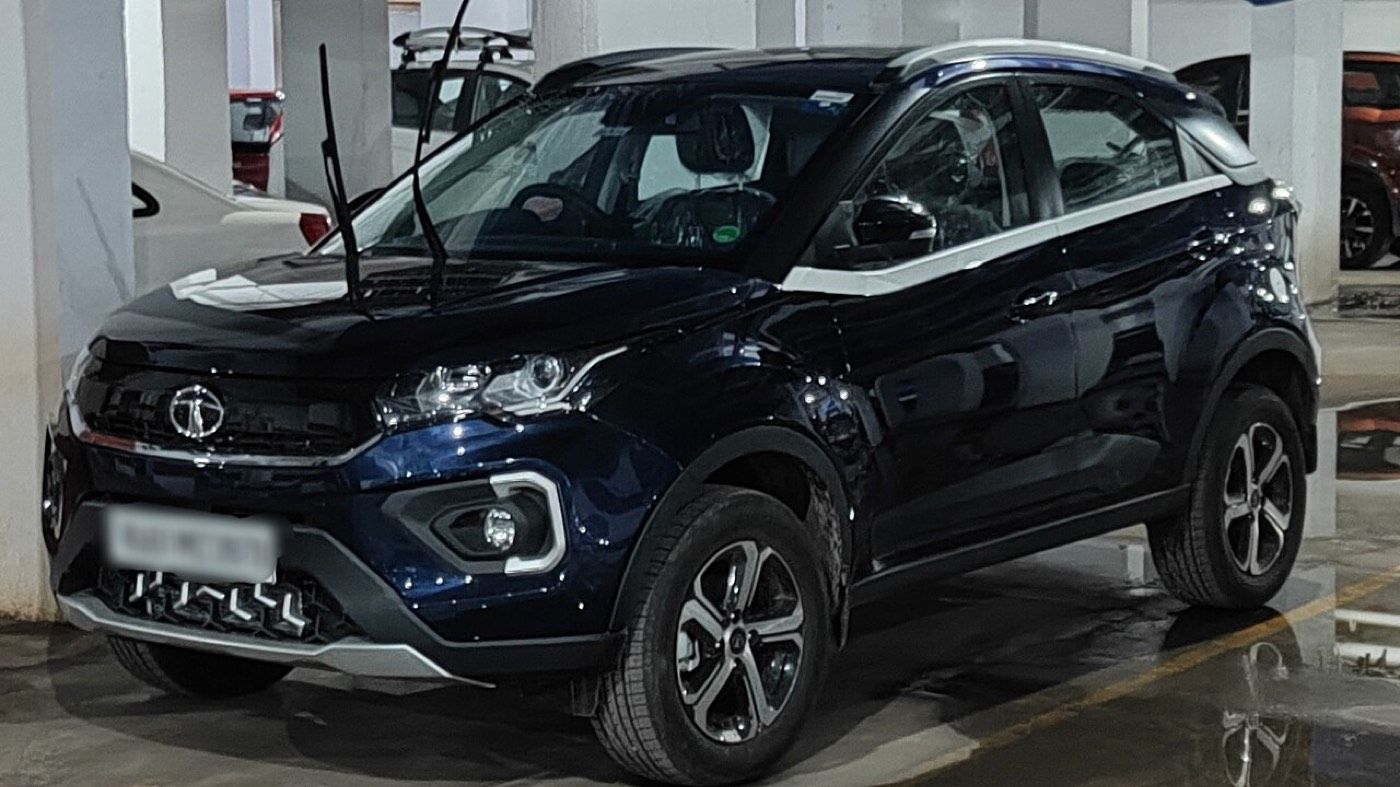
- Tata Motors Nexon ₹7.4 lakh
- Maruti Suzuki Dzire ₹6.31 lakh

Editor & Publisher
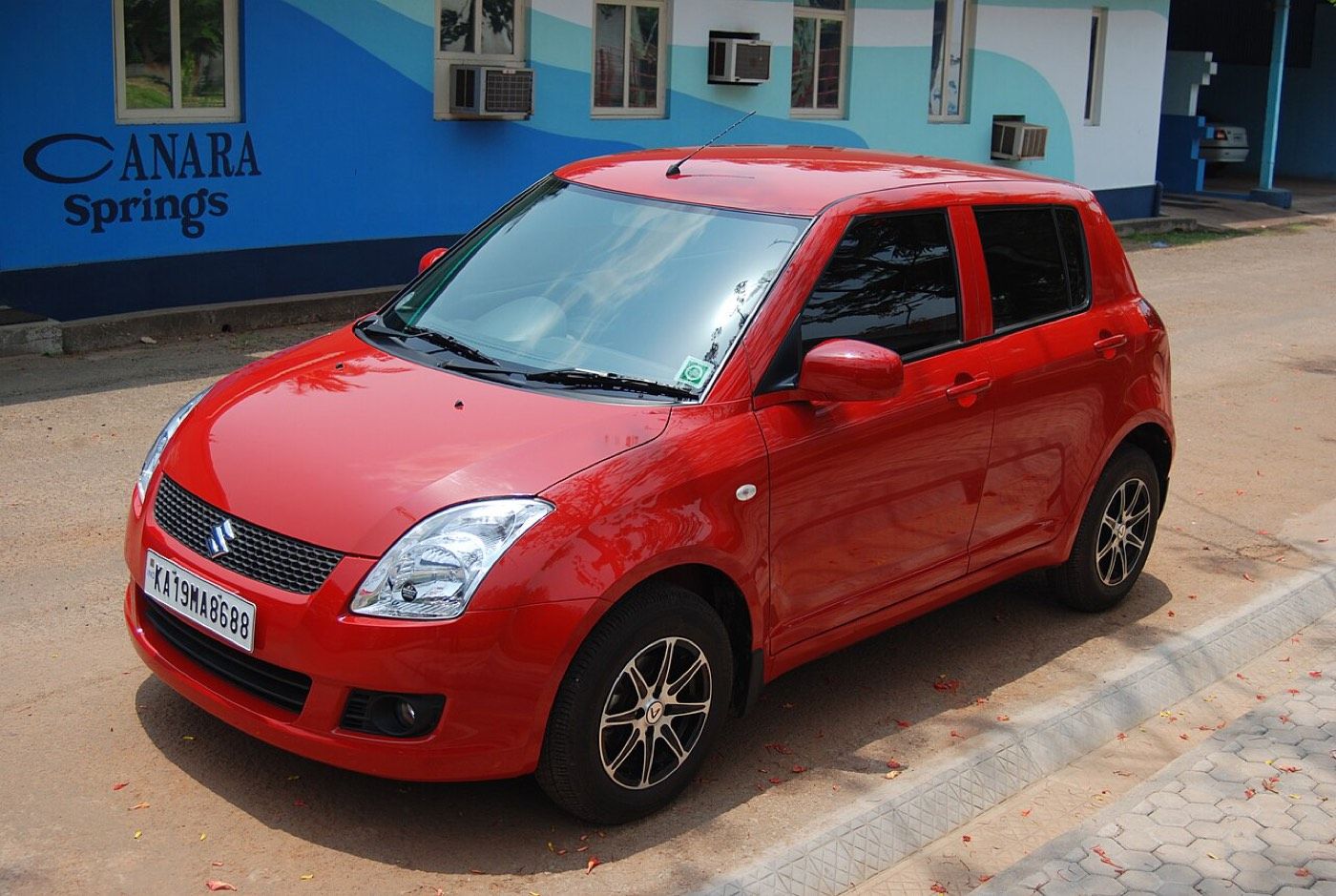
The most useful mileage numbers in this catalogue are the uncomfortable ones. Our Swift record lists a claimed 25 kmpl and, in its own FAQ, MotoSutra’s estimate of 16-19 in mixed use — nobody has measured the second number; MotoSutra has driven none of the cars here, and its estimates read the specification against how Indian traffic spends fuel. The Baleno: 23 claimed, 16-18 estimated. The Nexon: 17 against 11-12 in the city. The XUV700: 16 against 9-10 in traffic. That gap — call it the Indian discount, thirty to forty per cent — is where this article lives, because nothing on a showroom sticker moves the car as much as how it is driven and what is bolted to it.
Tyre pressure: the free lever with a real delta
Start where the car touches the road. Our records list what those contact patches are: 185/65 R15 on the Swift and Dzire, 195/60 R16 on the Punch, 215/60 R17 on the Creta, 245/55 R19 on the XUV700 — and the sizing tells you the engine is being asked to drag those widths along, with a soft-sided, under-inflated tyre deforming more at every revolution and returning some of your fuel as heat. The penalty for a few psi low runs to the low single digits, which sounds small and is not: it compounds with load, with Indian road temperatures and with the extra effort of a blunt body, and it is paid across whatever rubber the listing records — the tall-tyred Citroen C3’s 185/75 R15 fitment is no exception to the 19 kmpl its own figures claim. Check cold, once a month, against the placard on the driver’s door — not the number on the tyre bead, which is a maximum, not a setting.
Weight and the thing on the roof
Mass is the most honest arithmetic in driving: the engine pays to accelerate every kilogram on every pull-away from every junction. That is a large part of why our Wagon R record — 840 kg kerb, claimed 24 kmpl — and our Thar record — 2,080 kg, claimed 14 — are not the same argument about engines. You cannot unbuy a heavy car, but you can stop volunteering: the boot full of gym kit and stroller is yours to tax. The roof is worse than the weight suggests, because a box puts mass on the widest face of the car, in the airflow, where the body was never shaped for it. Several variants here list roof rails as a highlight — the Nexon Adventure at ₹8.70 lakh, the Punch Adventure at ₹7.90 lakh, the Elevate’s top CVT trim — and rails invite exactly the accessory that will show up in your fuel bill. Take it off when the trip is over.
AC or windows, honestly
The compressor is a direct load on a small engine, and at a standstill or in first and second gear that load is a visible share of what the engine makes: our Baleno record lists 113 Nm at 4,400 rpm and the Swift 108 at 4,200, and a queue with the AC on asks either engine for a larger slice of that. So in traffic, AC costs real fuel — but it costs a percentage, not the 30-40 per cent claimed-versus-city gap. That gap is the driving, and blaming the compressor is the ritual this article exists to name. At speed the trade flips: windows down on a hatchback at 100 km/h replaces a compressor load with a parachute. The efficient answer is the boring one — AC at highway speed, windows or vent below city speed, and the recirculation button, which cools the air you already cooled instead of the whole next block of it.
The band you are driving in
Our what-is-torque piece makes the mechanical case; the mileage consequence is this. An engine spends fuel best at low revs with light throttle, and the catalogue shows which cars let you stay there. The Nexon’s 170 Nm is recorded across 1,750-5,500 rpm and the Sonet’s 172 Nm from 1,500-4,000, which means fifth gear at 2,000 rpm still answers when you press; the Baleno needs 4,400 to see its peak, which is the same car asking to be downshifted — noisier and thirstier — into the same overtaking manoeuvre. The habit on any car: shift up as early as the engine stops complaining and accelerate to a target speed once, smoothly, rather than chasing it through the gears every time traffic ebbs. On the plateau cars you can be lazy about this; on the point-torque cars the lazy version is keeping the revs a thousand higher than you think you need.
Servicing, idling, and the aftermarket theatre
A neglected car loses economy quietly: a clogged air filter, fouled plugs and tired clutch plates all show up as the pedal going deeper for the same acceleration. The work is cheap — our Splendor Plus record describes a regular service as a few hundred rupees of labour and oil — and long-interval engines like the Unicorn’s listed service schedule only save money if you keep to it. At the other end of the day, the engine off at a long signal is not controversial physics; the hybrid reasoning in our Hyryder record — idling and creeping on battery alone — is that same conclusion with better engineering behind it.
What is ritual is anything you buy after the showroom. Magnetic fuel-line clamps, coil-grounding wires, “efficiency chips” spliced into sensor lines, additives that promise to restore factory power: the engine meters fuel against measured air, and none of these products change either input. The only proven modifications to what a car burns are the boring fuel decisions — what you fill it with and how you drive it — and, if the annual kilometres are truly enormous, a properly certified factory conversion, which is a different article. Spend the ₹2,000 you were about to hand a mileage-booster vendor on a pressure gauge and the service the car is due for. The claimed-to-real gap in our own listings is thirty per cent; the additives are none of it.
Frequently asked questions
How much does tyre pressure really affect mileage?
Enough to be the cheapest lever on this list. A wheel rolling on an under-inflated tyre deforms more and gives some of your fuel back as heat; workshops and tyre makers quote penalties in the low single-digit percentages for a few psi, and the penalty compounds with load and Indian road temperatures. It is also the only item here you can fix for free at any pump.
Is AC worse than opening windows?
At walking pace and below about 60 km/h, yes — the compressor is a direct load on a small engine, and our XUV700 record’s city numbers (9-10 kmpl against a claimed 16) are the shape of that problem in traffic. Above highway speed the open windows cost more, because a hatchback pushing a wall of disturbed air through its cabin is now fighting aerodynamics the air conditioning never touched.
Do mileage booster products work?
The ones sold as retrofit hardware do not. Power is metered by the engine computer against the air it measures; nothing downstream of the throttle — a coil, a “ground wire”, a magnetic fuel-line clamp — changes what gets injected. The one conversion with an honest case in this catalogue is fuel selection itself, and that is what our petrol-vs-cng piece covers.
Does a roof box pay for itself against the AC question?
No — it is on the wrong side of the trade. Our Nexon and Punch Adventure variants list roof rails as a highlight, and a loaded box on a tall, blunt body is drag plus mass at the worst possible place. If the box lives on the car for mileage reasons, it is costing the mileage it was bought to enable.