Explainer
Petrol vs diesel: the arithmetic, not the argument
Diesel costs more to buy and earns it back per kilometre, so the decision is an odometer question with a crossover point. The engine premium, the real mileage gap and the torque character, worked through the figures our catalogue actually records.
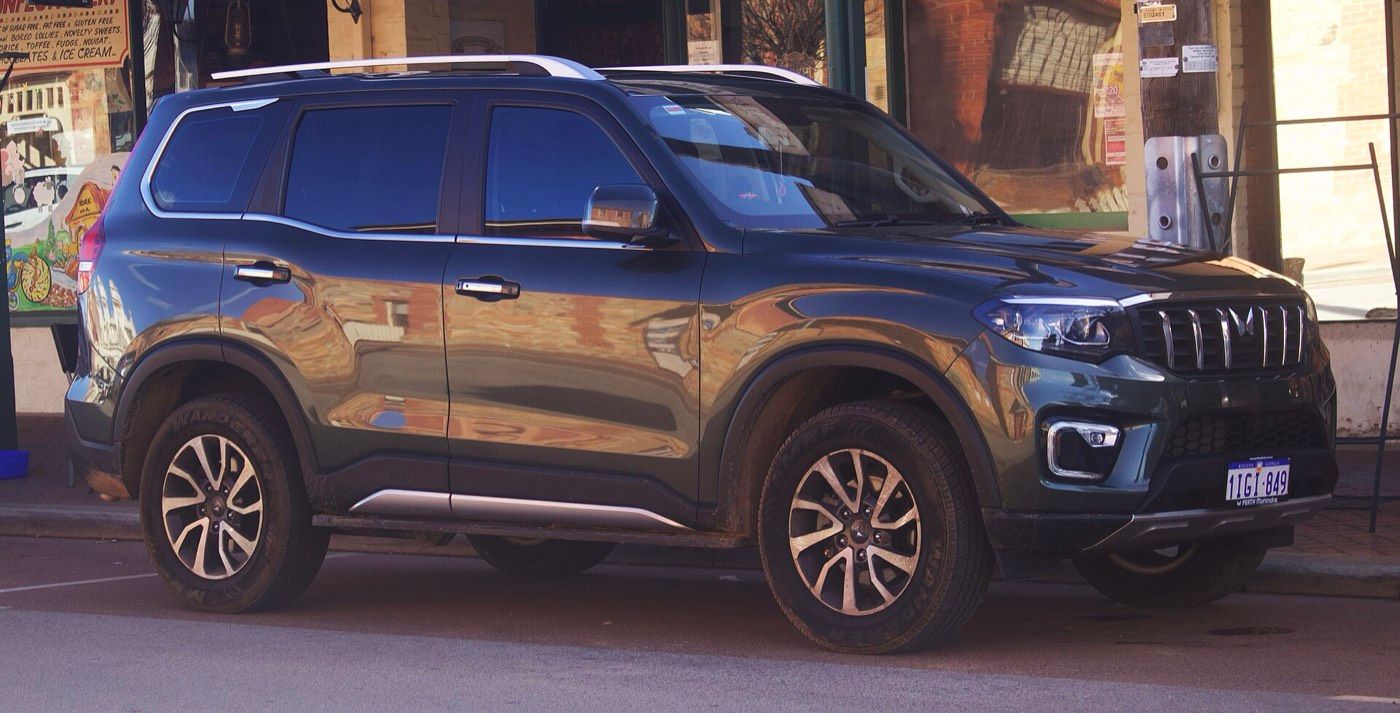
- Mahindra Scorpio N ₹13.69 lakh
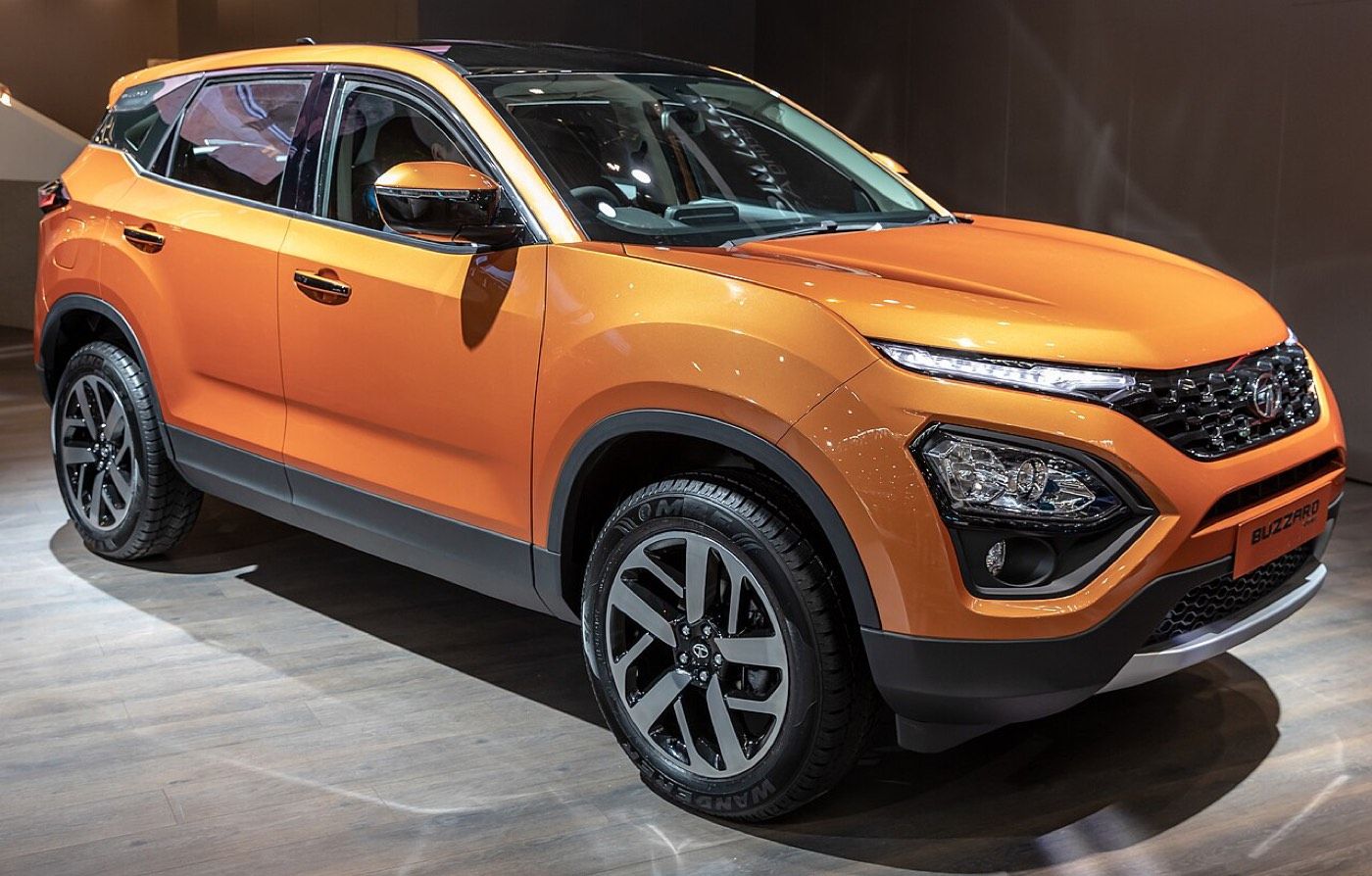
- Tata Motors Harrier ₹14.49 lakh
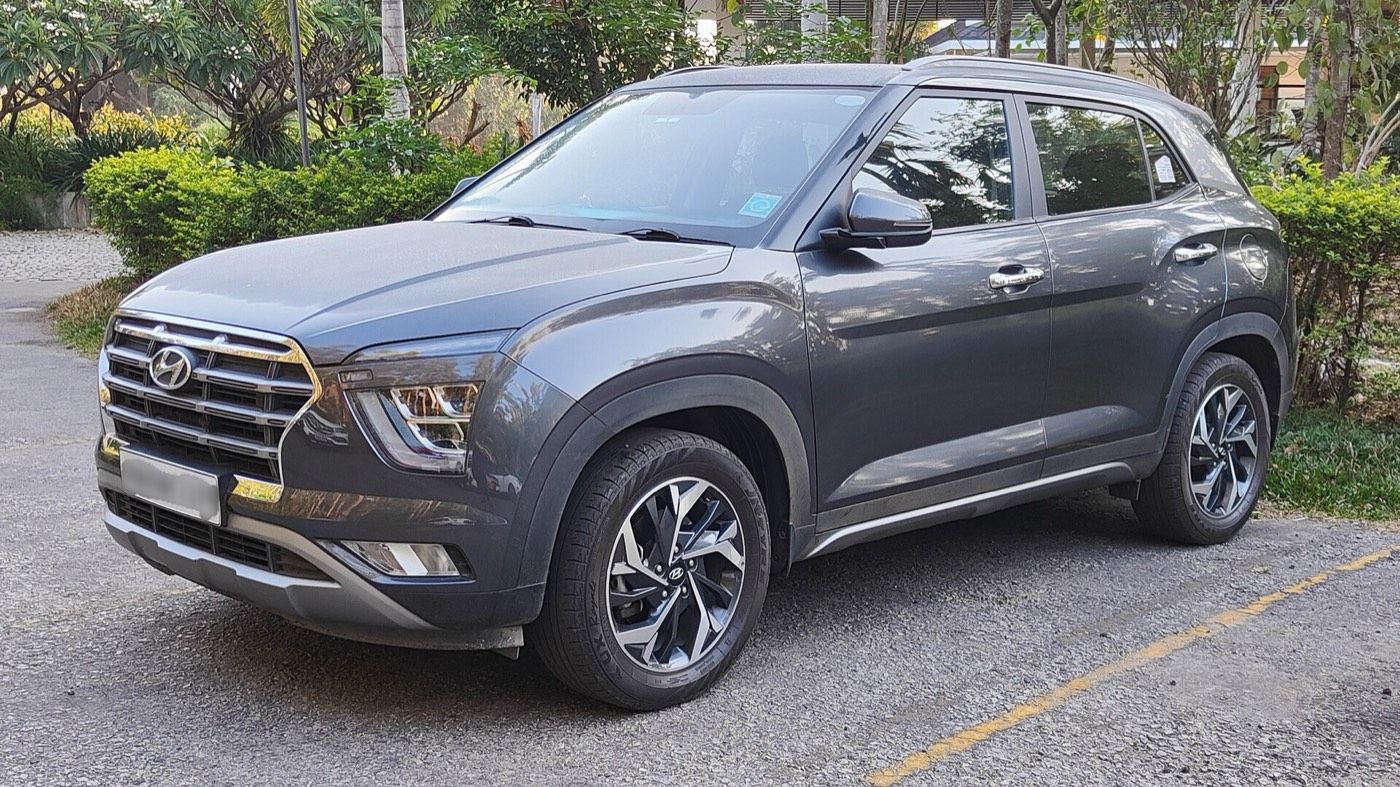
- Hyundai Creta ₹10.91 lakh
- Mahindra Thar ₹9.99 lakh
- Skoda Kushaq ₹10.34 lakh

Editor & Publisher
For two decades the answer to petrol versus diesel in India was a distance question with a predictable shape: drive far, buy diesel, thank the accountant. That answer is getting old without quite being wrong, and the way to see where it still stands is to work the arithmetic on a single catalogue rather than on folklore. Four numbers decide it: the premium on the engine, the mileage you actually get, what a litre of each costs, and how many kilometres a year cross your path.
The premium, measured on one car
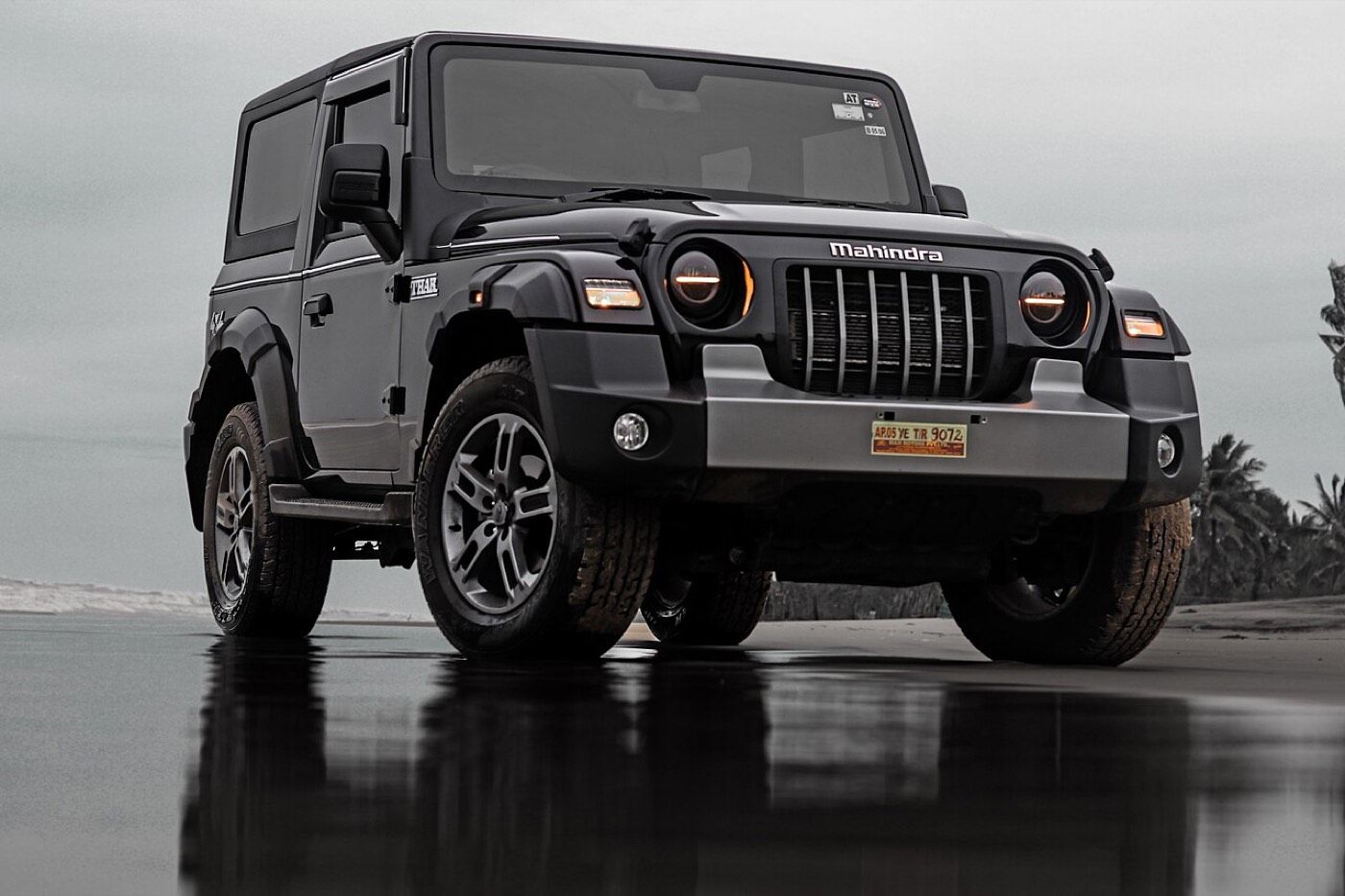
Our Thar record lists both fuels on the same body, which is as clean an experiment as the catalogue offers. The petrol AS variant sits at ₹11.49 lakh ex-showroom; the diesel AXS, with a screen and a digital cluster in the box, at ₹12.99 lakh; the diesel automatic climbs to ₹14.49 lakh and the four-wheel-drive diesel to ₹16.50 lakh against a ₹9.99 lakh entry petrol. Call the honest engine premium roughly ₹1.5 lakh on the like-for-like rung. Somewhere between a Nexon and a Harrier, between a Creta and a Scorpio N, the same ₹1-2 lakh delta recurs across this catalogue — real money that has to be earned back, litre by litre, or it was never spent on savings at all.
The mileage gap, honestly stated
The old claim that a diesel always wins on the economy sheet does not survive our own listings. The Creta’s 1.5-litre petrol is recorded at a claimed 17 kmpl, expecting 10-12 in city traffic and 14-15 on an expressway. The Harrier diesel is claimed at 16, shrinks to 11-12 driven the way its torque invites, and reaches 14-15 on a restrained highway run. On paper the petrol SUV now matches or beats the diesel one, because the diesel’s advantage has narrowed at the pump while its structural strengths — compression, energy per litre, behaviour under load — have not moved.
Those strengths show up where the petrol engine pays for its size. Pull five adults and the air conditioning up a state highway incline and a 1,497-cc petrol is at 4,500 rpm making noise; the Harrier’s 2.0-litre is loafing at 1,800 with 350 Nm behind the throttle, and the gap between claimed and achieved economy is smaller, because the diesel is barely working. The Scorpio N record says the same thing with different numbers: 172 bhp and 370 Nm across a plateau from 1,500 to 3,000 rpm, and 15 kmpl claimed. The Meridian listing is the purest statement of the case in the catalogue — gearing long enough that 120 km/h passes at barely above idle murmur, which it notes is the entire argument for a big diesel SUV in the first place.
What torque character costs the petrol buyer
On our records the diesels carry 320 Nm from 1,500 rpm (Thar), 350 from 1,500 (Harrier), 370 from 1,500 (Scorpio N). The petrols answer with the Creta’s 144 at 4,500, the Wagon R’s 90 at 3,500, and one important asterisk: the Kushaq’s 1.0-litre turbo laying down 175 Nm from 1,750 and keeping them to 4,500. That asterisk is the trend. A small turbo on a plateau mimics the diesel’s city manners — no downshift at the flyover slip, no rev-hunting on the ghat — and it costs less premium to bolt on. The naturally aspirated petrol, the Wagon R and the base Creta of this world, are the configurations where the diesel comparison still stings, because their torque arrives so late that traffic is a transmission workout.
The crossover point
The arithmetic from our figures: roughly ₹1.5 lakh of premium, against the fuel saving a diesel actually makes on your kind of kilometres — call it one to one-and-a-half litres per hundred against a similar-payload petrol once loads and grades enter, assuming sensible pump prices where diesel costs a little less per litre and burns noticeably less. That pays the premium back at something in the region of 18,000-20,000 km a year over a five-to-seven-year hold. Above that annual distance, or below that petrol-engine size carrying real weight, the diesel wins — and the Harrier record says so as plainly as a cons list ever does: for a family that actually uses highways, none of the costs are deal-breakers. Below it, you have financed someone else’s fuel bill with your down payment.
The question was never petrol or diesel. It is whether your odometer has already answered it.
Whose roads are left
The city-first buyer with a 12 km commute and a basement parking slot is being overserved by a diesel — our own Harrier listing tells them the petrol alternatives will serve better — and increasingly outcompeted on outright economy. The 25,000 km-a-year family with one long festival drive a year is buying exactly what the Meridian record describes, and nothing in the petrol column replicates it. Between them sits the whole modern market: the turbo-petrols with the fake-diesel torque graph, and, on the pages next to this one, the hybrids, which steal the diesel’s traffic-jam economics without asking the pump to cooperate.
Frequently asked questions
How many kilometres a year do I need to drive for diesel to pay off?
Work it from the premium, not from a rule of thumb. On our records the diesel version of the same car costs roughly ₹1.5 lakh more than the petrol, and the fuel gap at the pump is worth a few paise per kilometre; that combination puts the crossover around 18,000-20,000 km a year for most buyers. Drive 8,000 km a year and the diesel never repays the premium inside a normal ownership period.
Is diesel mileage always better than petrol?
Not any more, and our listings show it. The Creta petrol is recorded at a claimed 17 kmpl and the Harrier diesel at 16 — the diesel loses on paper to a smaller petrol SUV because efficiency gains and price convergence have been meeting in the middle. Where diesel still wins is per-litre energy content and load: the Harrier record expects 14-15 kmpl on a restrained expressway run, which a 1.5-litre petrol under load will not match.
Why do diesels feel stronger in the city if they are slower at high rpm?
Because the feeling is torque, delivered early. Our diesel records put 320-370 Nm on tap from 1,500 rpm, while the Creta petrol waits until 4,500 rpm for its 144 Nm. From a signal, the diesel is in its plateau and the petrol is still commuting to work.
Does the servicing difference matter?
It moves the crossover, it does not replace it. Diesel engines carry more oil, heavier rotating parts and fuel-injection hardware that costs more when it does fail, but they are built for distance and tend to space the big services wider. Neither effect is printed in our catalogue, so treat any dealer’s figure as a quotation, not a fact from this site.