Buying guide
Best family cars in India in 2026: six picks where the second row wins the argument
Space, safety and cost per school run, in that order — the three things a family car is actually judged on. Six cars from hatchback to MPV that pass all three, ranked on what they do for the passengers rather than the driver.
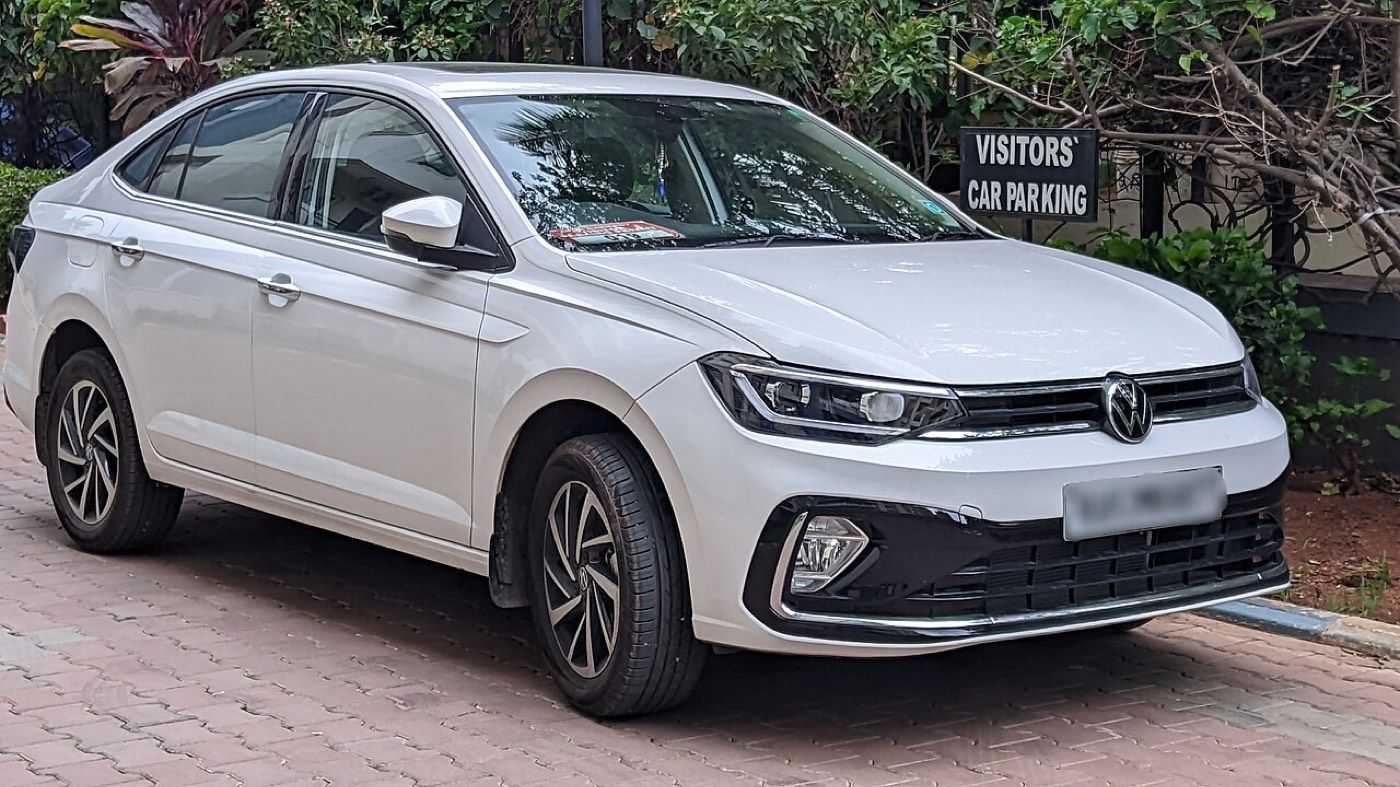
- Volkswagen Virtus ₹11.44 lakh
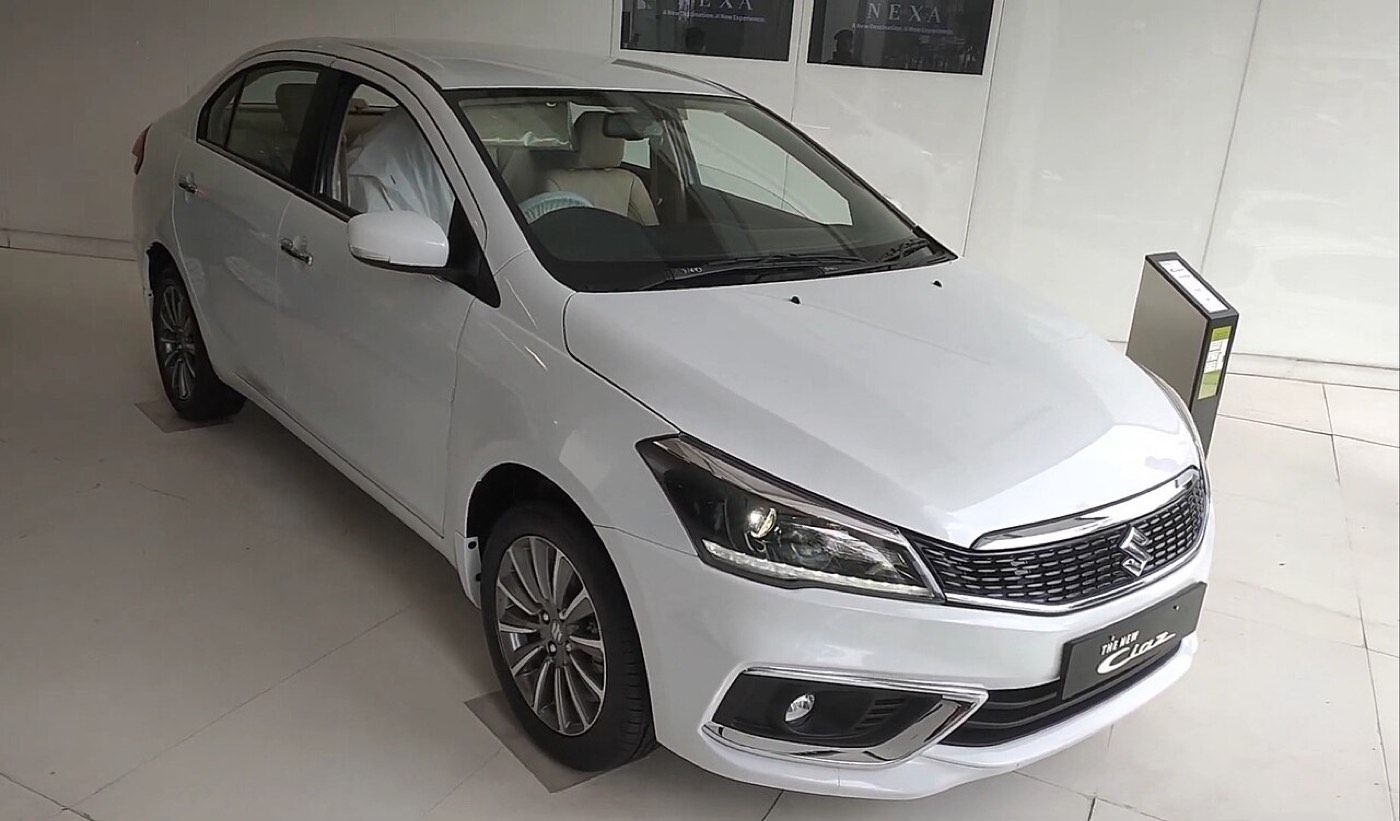
- Maruti Suzuki Ciaz ₹6.11 lakh
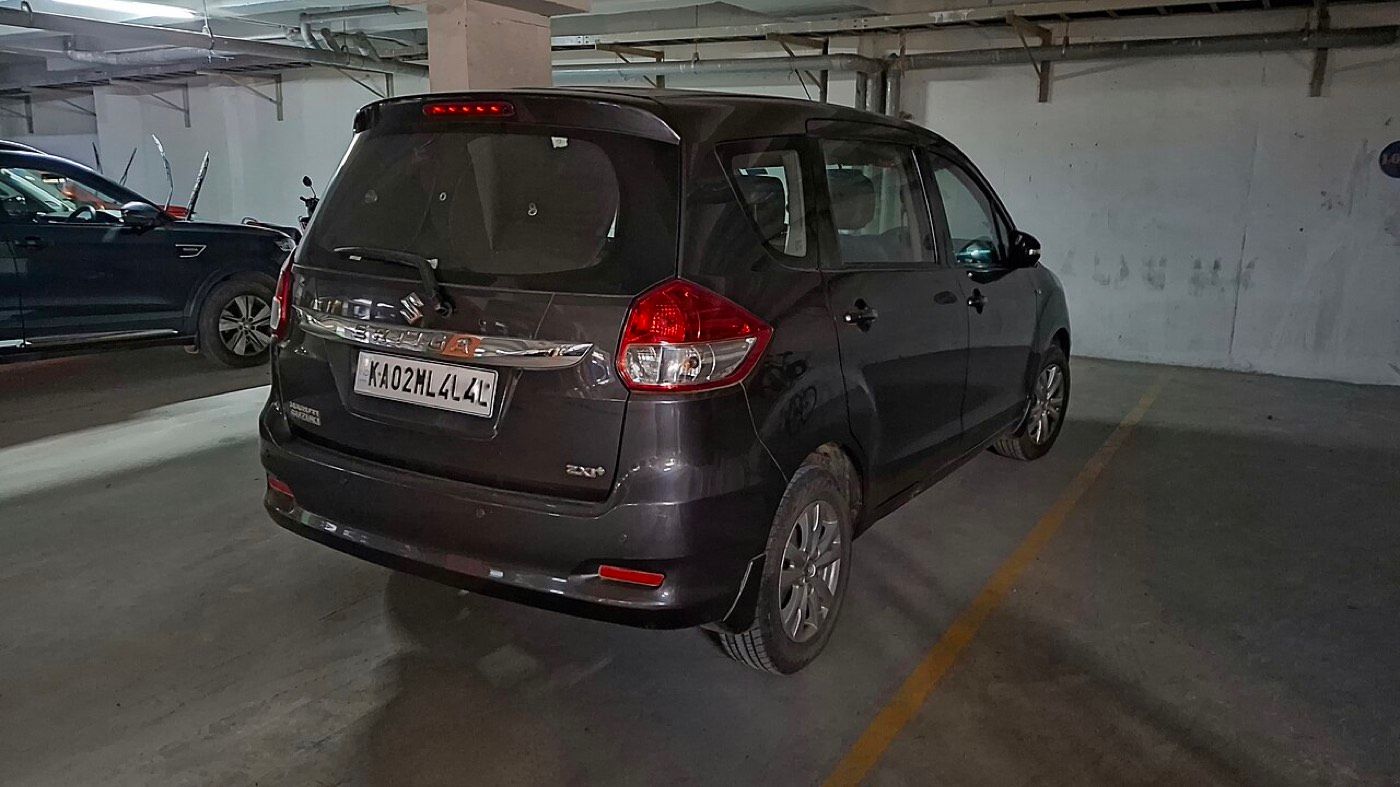
- Maruti Suzuki Ertiga ₹8.9 lakh
- Tata Motors Altroz ₹6.19 lakh
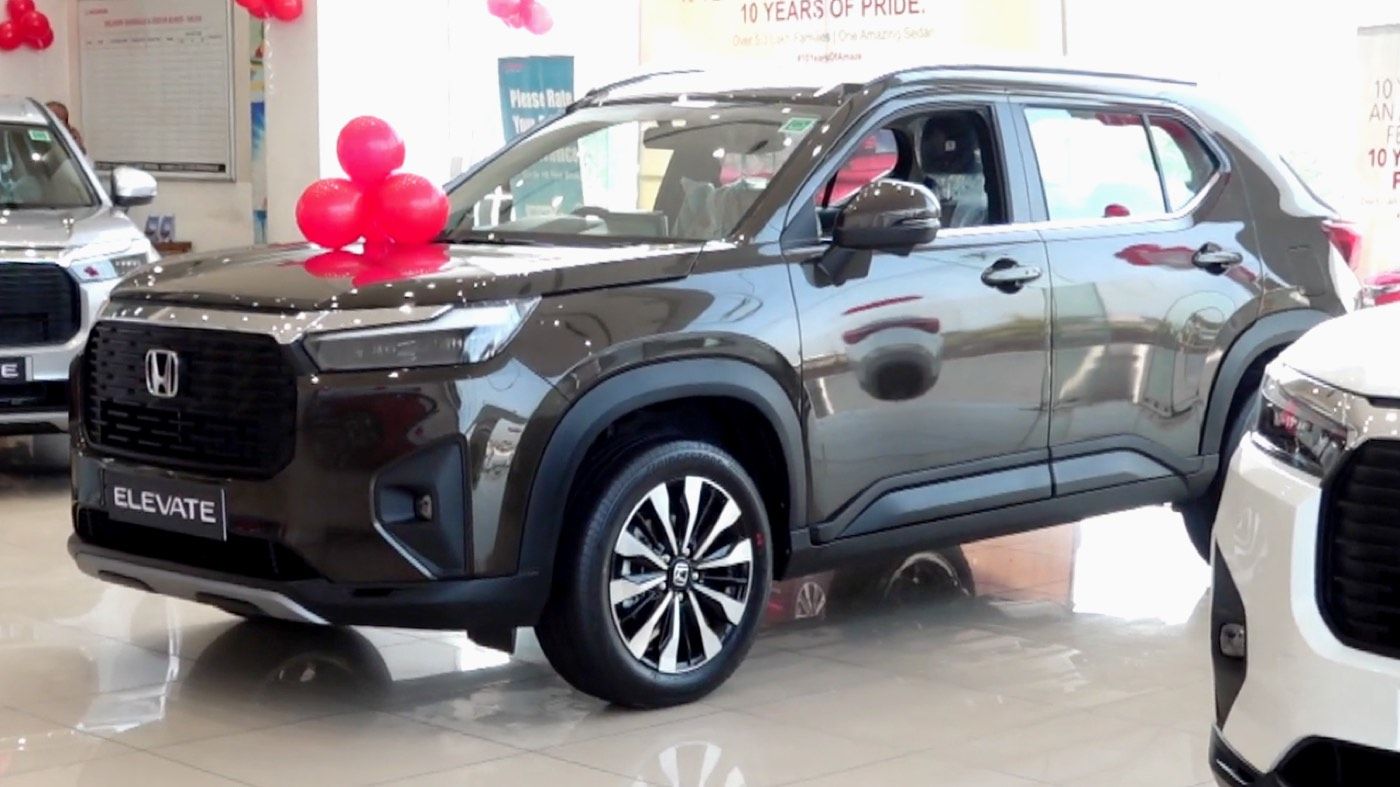
- Honda Elevate ₹10.99 lakh

Editor & Publisher
In order, on the numbers
The ranked picks
-
₹18.6 lakh - ₹28.9 lakh
A claimed 28 kmpl from the strong hybrid, a system output near 184 bhp, seven seats adults concede are real, seven airbags and a five-star shell from ₹18.60 lakh. The boot goes shallow with all three rows in use, and the fully loaded Z CVT sits at ₹28.90 lakh.
- Mileage 28 kmpl
- Power 122 bhp
- Engine 1798 cc
-
₹6.19 lakh - ₹9.15 lakh
A five-star Global NCAP adult score with six airbags standard on every variant from ₹6.19 lakh, a 345-litre boot, a 20 kmpl claim and factory i-CNG at ₹8.39 lakh for the high-mileage household. The rear bench is the tightest for three adults on this page.
- Mileage 20 kmpl
- Power 86 bhp
- Engine 1199 cc
-
₹11.44 lakh - ₹19.19 lakh
521 litres of boot — the largest of any car in our catalogue — behind a five-star GNCAP shell with six airbags and stability control standard, and 178 Nm from 1,750 rpm on the ₹11.44 lakh base. The automatic worth having is the ₹17.00 lakh Highline AT, and MotoSutra estimates city returns at 10-12 kmpl.
- Mileage 17 kmpl
- Power 115 bhp
- Engine 999 cc
-
₹6.11 lakh - ₹10.3 lakh
At 4,545 mm and a 2,650 mm wheelbase it is the longest car here and the cheapest big rear legroom, from ₹6.11 lakh, with a claimed 22 kmpl and six airbags standard including on the ₹10.30 lakh factory CNG. A three-star crash score and an old four-speed automatic are what that money does not buy.
- Mileage 22 kmpl
- Power 103 bhp
- Engine 1462 cc
-
₹10.99 lakh - ₹16.79 lakh
Six airbags and the full Honda Sensing suite on every variant from ₹10.99 lakh under a five-star Bharat NCAP structure, with 220 mm of clearance and a 458-litre boot. The 121 bhp engine has no turbo to lean on for a loaded overtake, and the CVT answers a hard throttle with noise.
- Mileage 17 kmpl
- Power 121 bhp
- Engine 1498 cc
-
₹8.9 lakh - ₹11.9 lakh
Seven seats inside a 4,395 mm body from ₹8.90 lakh, a 20 kmpl claim, six airbags standard and a middle row no five-seater here beats for value. The 209-litre boot with all rows up forces you to pack bags before people, and the crash score is three stars.
- Mileage 20 kmpl
- Power 103 bhp
- Engine 1462 cc
A family car is not a car with a bigger price tag; it is a different engineering brief. The second row matters more than the bonnet, the crash score matters more than the touchscreen, and the money you spend every month — fuel, service, the tyres that wear faster with five aboard and a full boot — matters more than either. So this list is ranked in that order: structure and standard safety first, usable space second, running cost third. That is why a ₹6.19 lakh hatchback outranks cars twice its price and why the top of the list is an MPV, not an SUV.
Two framing notes, as always. Every figure here is MotoSutra’s unverified catalogue data, quoted ex-showroom Delhi NCR at the variant named, and nothing on this page should be read as a verified manufacturer or agency claim; MotoSutra has driven none of these cars, so the ranking reads the specification, not a test drive. And the bracket is deliberately wide — from ₹6.11 lakh to ₹28.90 lakh at the top of the range — because families shop by need first and budget second; the sub-15 and sub-20 SUV lists cover the narrow end of this table if you want a like-for-like comparison.
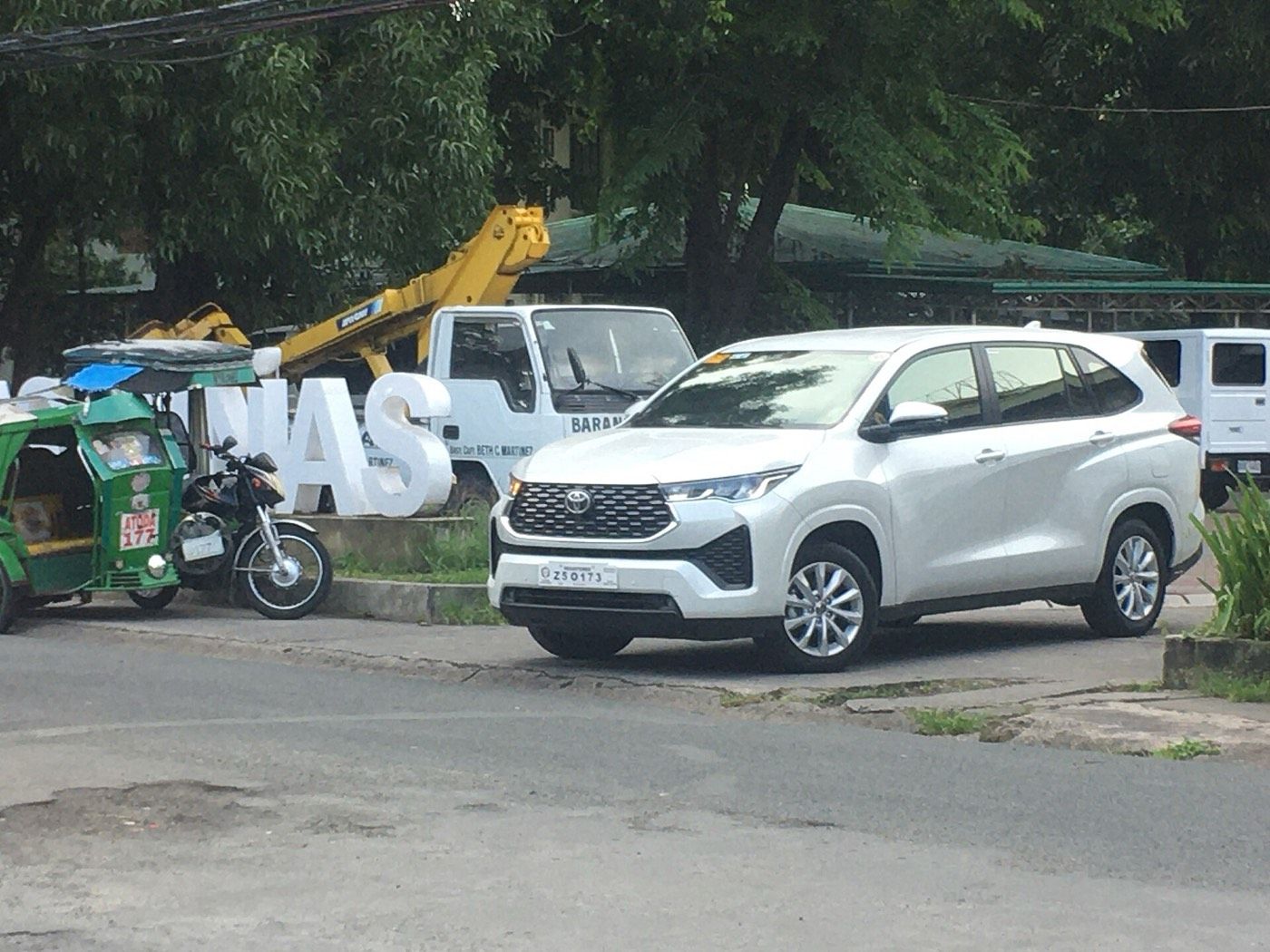
1. Toyota Innova Hycross — the benchmark, priced like one
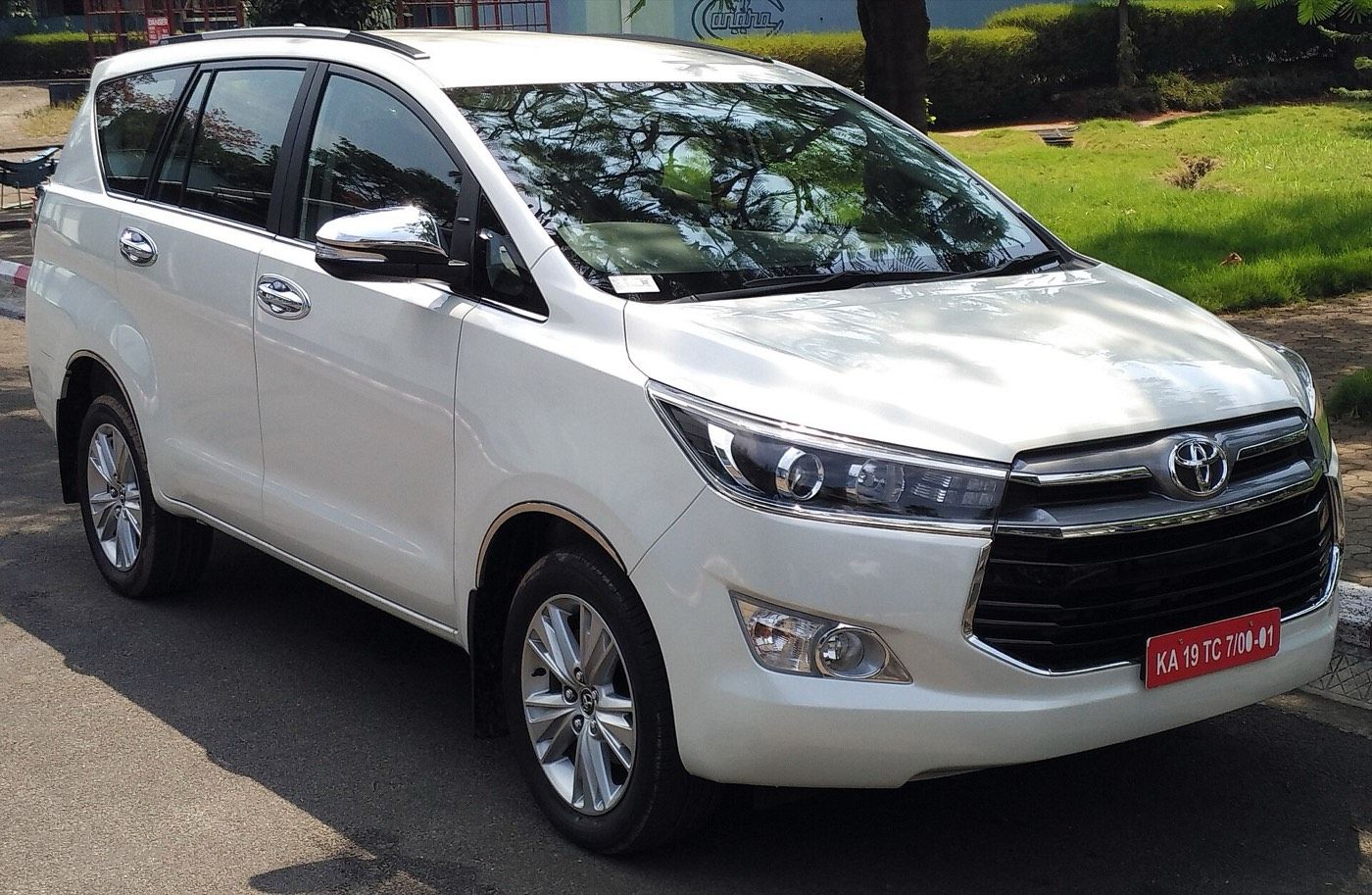
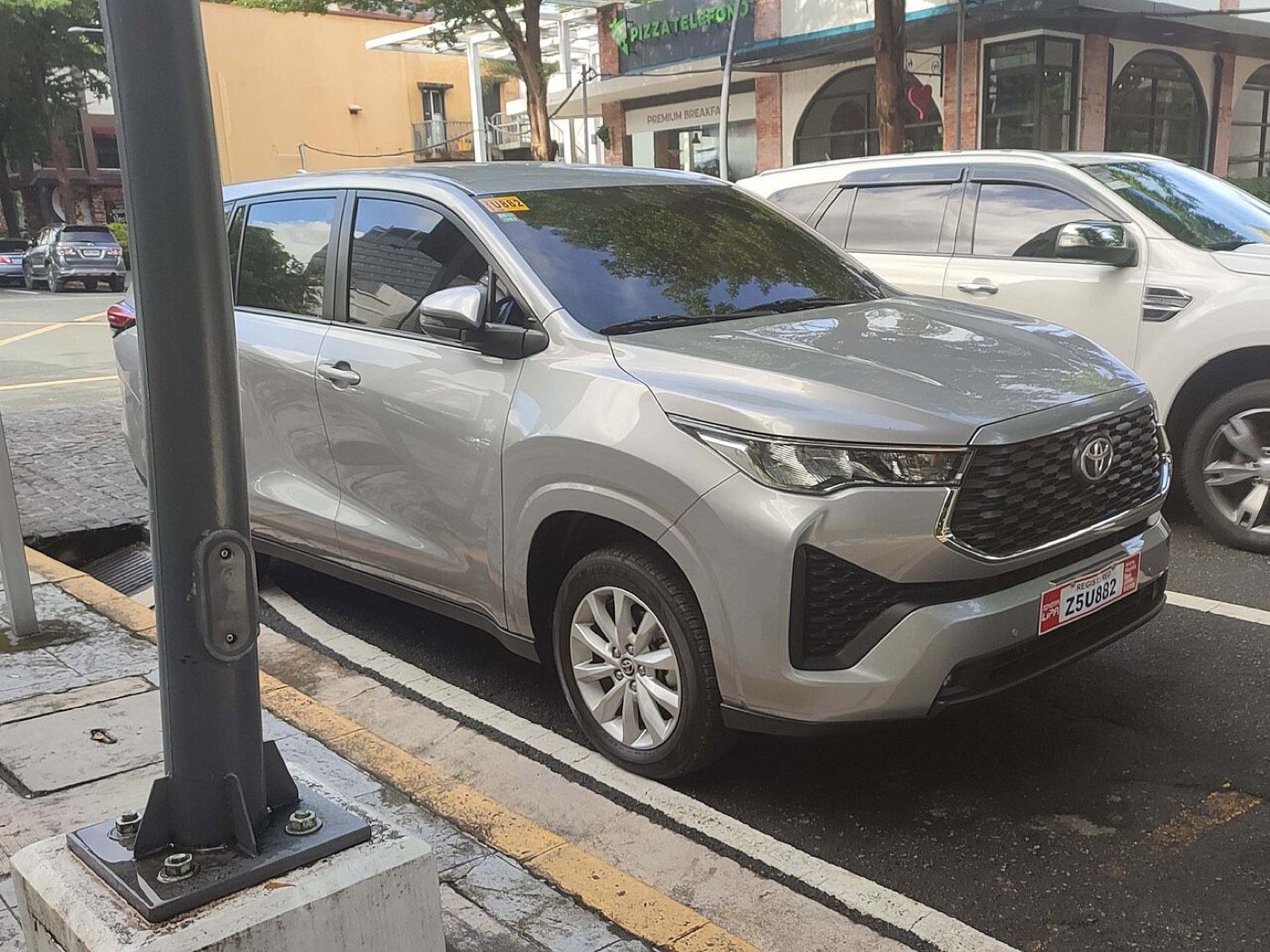
The Hycross is the only car here designed around the second row rather than retrofitted for one, and its numbers are the ones the rest of this list is measured against: 122 bhp from the 1.8-litre petrol, a combined system output near 184 bhp, a claimed 28 kmpl from the strong hybrid, seven airbags standard and a five-star structure. The third row folds flat into the floor, the captain’s chairs on top variants recline, and on paper the 2,850 mm wheelbase leaves third-row adults room to argue about the radio instead of their knees.
It is also the most expensive car on this page, from ₹18.60 lakh to ₹28.90 lakh, and the trade-offs are specific: the boot is shallow with all three rows up, and the petrol-only variants have the same CVT and the full 1,690 kg kerb weight to themselves. Our full review of the Hycross is the long version of that argument.
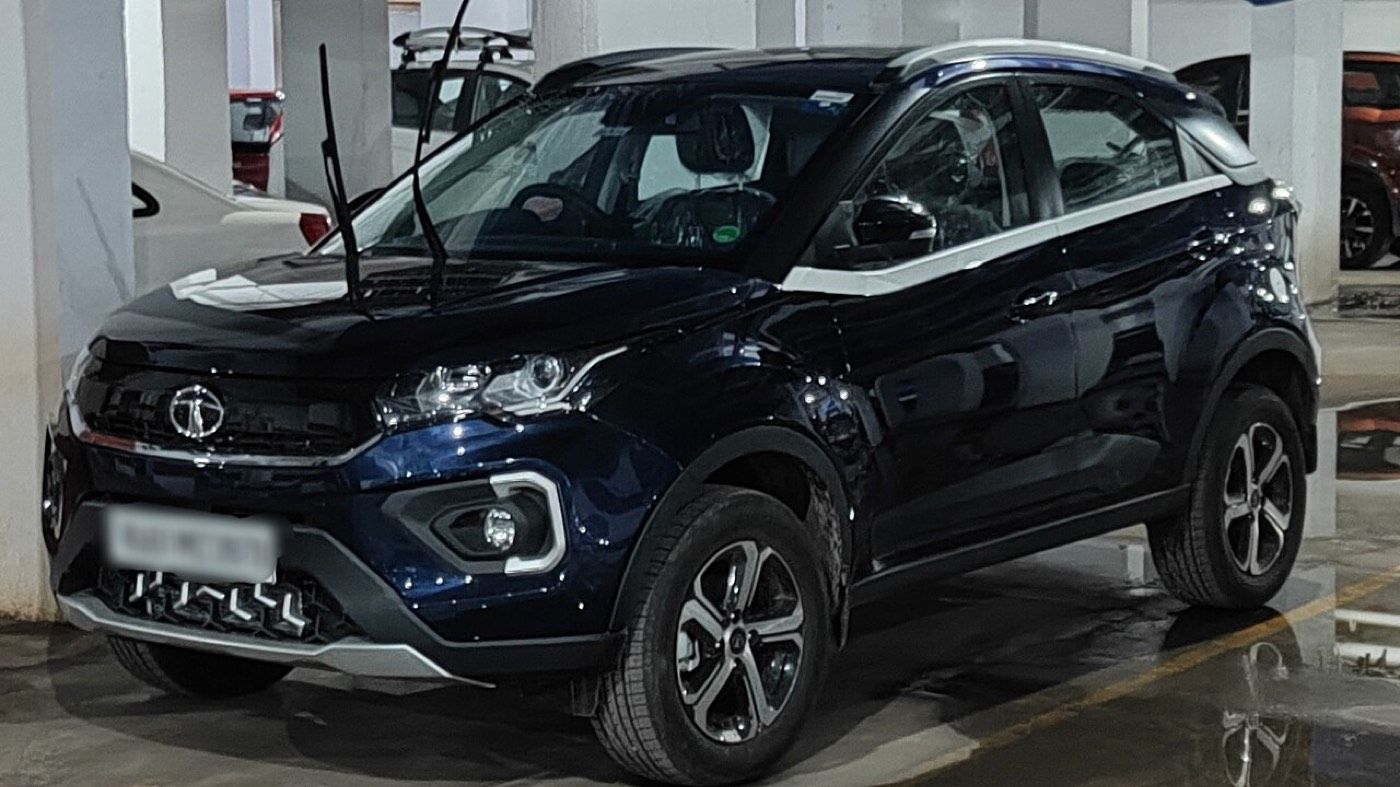
2. Tata Altroz — the safety floor of this list
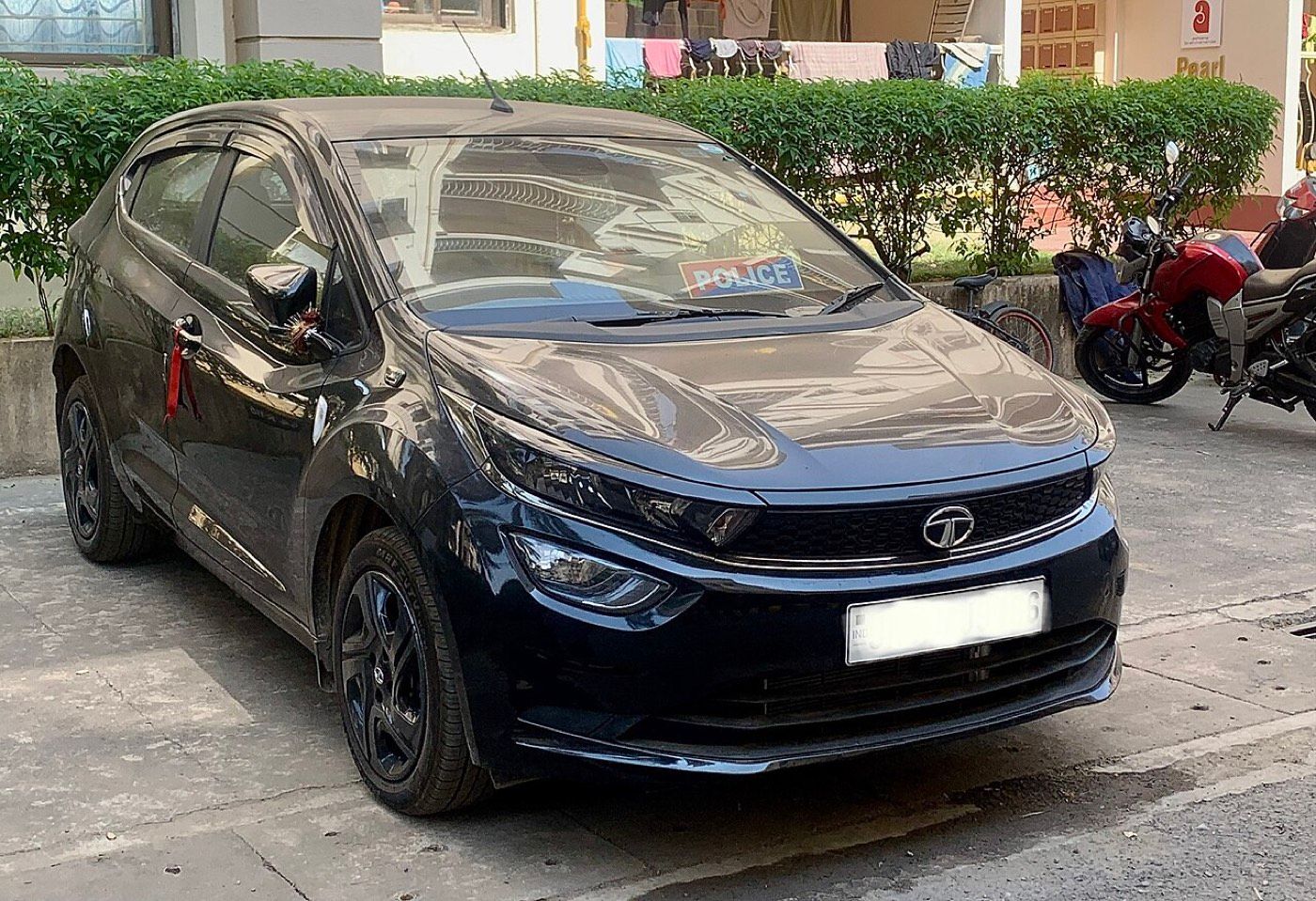
Six airbags and a five-star Global NCAP adult score on the ₹6.19 lakh base car is the most important line in this entire article; everywhere else on this page, that level of protection is either an upper-trim reward or a costlier badge. The 1.2-litre three-cylinder makes 86 bhp and 113 Nm, the claimed economy is 20 kmpl, the boot is 345 litres at the top of the hatchback range, and the ₹8.39 lakh i-CNG variant is the rare factory fitment that does not make you surrender the crash structure you paid for.
The honest limits are interior width and polish: the rear bench is the narrowest for three adults on this page, and the AMT telegraphs its shifts on inclines. As a second car, a first family car, or the arithmetic answer for a 2,000 km month, it is the strongest value here.
3. Volkswagen Virtus — the sedan for families who drive
The Virtus owns the two numbers the road-trip family cares about: a 521-litre boot, the largest of any car in our catalogue, and 178 Nm on a plateau from 1,750 rpm from the 1.0-litre turbo, which makes a loaded overtake a decision rather than a prayer on paper. The five-star GNCAP shell, six airbags and stability control come standard from ₹11.44 lakh, and its proportions — the mass, the wheelbase, the sedan line — make it the most settled-seeming car under ₹20 lakh in this listing.
The running costs are the asterisk: MotoSutra’s 10-12 kmpl in a city against a 17 kmpl claim, premium-flavoured maintenance as the car ages, and the ₹17.00 lakh Highline AT sitting squarely in compact-SUV money. Buy the manual if you drive mostly highway; buy the SUV if you do not.
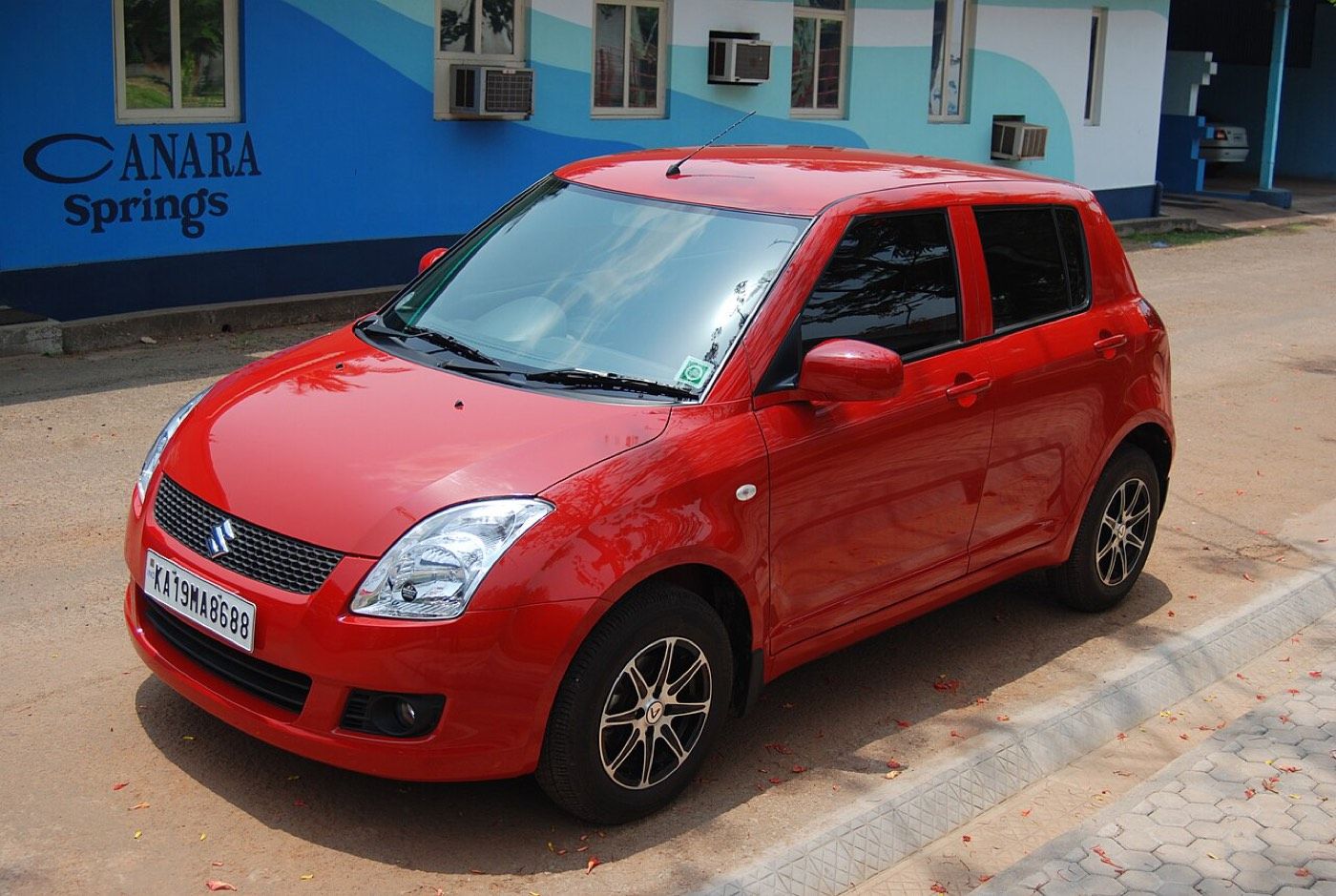
4. Maruti Suzuki Ciaz — the rear-seat bargain
If the family brief is “Grandma must arrive comfortable,” nothing under ₹10.30 lakh answers it like the Ciaz. The 2,650 mm wheelbase and 4,545 mm of length translate into second-row knee room this price band has no right to offer, the 1.5-litre makes 103 bhp and 137 Nm against a claimed 22 kmpl, the boot takes 382 litres, and six airbags are standard on every variant, the ₹10.30 lakh factory CNG included.
What the money does not buy is structure at the Altroz’s level — a three-star adult score — and the automatic is an older four-speed unit at ₹9.45 lakh that rivals left behind. It is a chauffeur’s car ranked fourth on a safety-first table, and that is exactly the point.
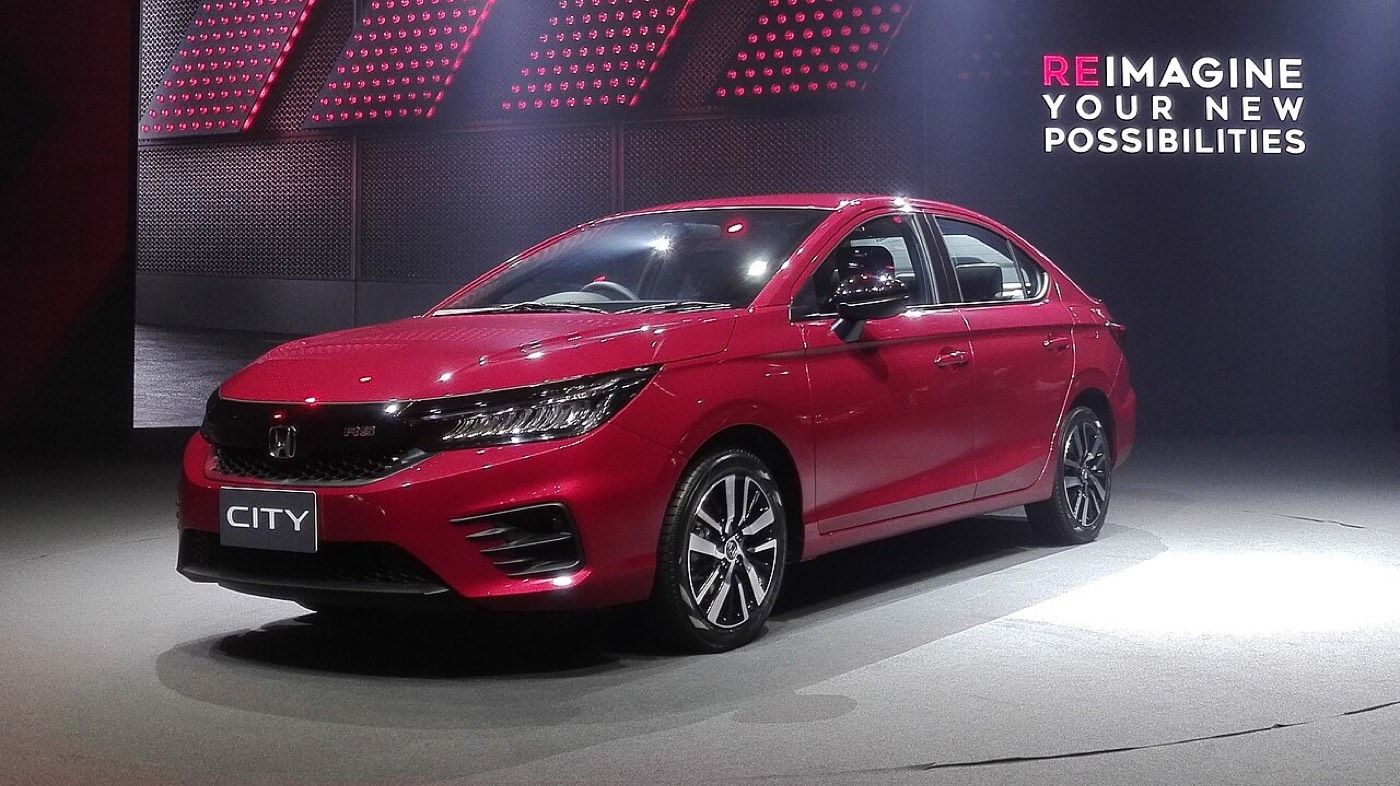
5. Honda Elevate — the cautious choice, made beautifully
The Elevate is this list’s argument for height without compromise: a five-star Bharat NCAP structure, six airbags and the full Honda Sensing assistance suite standard on every variant from ₹10.99 lakh, 220 mm of ground clearance, a 458-litre boot and a 2,700 mm wheelbase. Nothing about it is exciting, and that is precisely the family proposition — the assistance rivals meter out by trim is fitted everywhere, including on the base car.
The 121 bhp, 145 Nm naturally aspirated engine asks for revs and planning on a two-lane highway, the CVT turns a hard throttle into noise rather than pace, and the claimed 17 kmpl lands, MotoSutra estimates, nearer 11-12 in traffic. For school runs and monsoon potholes, it remains the most generously equipped five-seater here per rupee after the Altroz.
6. Maruti Suzuki Ertiga — seven seats without the ladder frame
The Ertiga is the cheapest way to fold seven people into a 4,395 mm body in this catalogue: ₹8.90 lakh in, 2,740 mm of wheelbase, a middle row that beats every five-seater here on value, a claimed 20 kmpl, and six airbags standard across the range. The third row clears the token-seat bar — high seat base for adults for an hour, real headroom for children — and folds 60:40 into a flat load floor.
The costs come due in two places: 209 litres of boot with all three rows up, which packs bags like a puzzle, and a three-star crash score that sits below the five-shell cars above it. With grandparents aboard twice a month, families forgive both; our comparison of the sub-15 SUV seven-seaters is worth reading before you settle.
Frequently asked questions
Which family car is the best buy in India right now?
If the budget reaches it, the Innova Hycross: no other car in our catalogue combines a claimed 28 kmpl, seven usable seats, seven airbags and a five-star structure in one listing. If the budget is under ₹10 lakh, the Altroz is the buy — six airbags and a five-star Global NCAP score from ₹6.19 lakh is the safety floor of this entire list.
Is a seven-seater worth it if we rarely use the third row?
Only if the folded row earns its keep as boot. In the Ertiga the third row folds flat and leaves a proper load floor; in the Hycross it folds into the floor and still leaves less boot than a Virtus wants to admit. If the third row would live folded, buy the five-seater with the bigger boot — the Virtus at 521 litres or the Elevate at 458.
Should we buy CNG for a family car?
Run the arithmetic on monthly distance first. Two cars here offer factory CNG in our records: the Altroz i-CNG at ₹8.39 lakh and the Ciaz ZXi CNG at ₹10.30 lakh, both keeping the six-airbag fitment that matters. Below roughly 1,500 km a month the displacement penalty and the tank space usually outweigh the pump savings; our petrol-vs-CNG explainer does the full math.
Sedan or SUV for Indian family use?
By the numbers in this list, the case splits cleanly: the sedans win on boot (521 and 382 litres against 458 for the best SUV here) and, on paper, highway manners per rupee, the SUVs win on the height, the 220 mm of clearance and the crash-score-per-rupee table. If your roads include real broken tarmac or waterlogged underpasses, take the Elevate; if they are expressway mostly, take the Virtus or Ciaz.