Specs & analysis
Toyota Innova Hycross review: the family’s answer to every question, in one body colour
A strong hybrid that gets kinder the trafficier it gets, seven seats adults concede to, and a boot plan clever enough to end the minivan debate. This is the featured review of the car every Indian family shortlists and then over-thinks.
- Toyota Innova Hycross ₹18.6 lakh

Editor & Publisher
MotoSutra editorial rating
4.4/5
Overall score across 7 rated dimensions
MotoSutra editorial rating: 4.4 out of 5
Lowest rated
Performance
4.0/5
Power, acceleration & driving dynamics
- Performance Power, acceleration & driving dynamics 4.0/5 Very strong
- Features Tech, convenience & equipment 4.5/5 Excellent
- Design Looks, presence & styling 4.2/5 Very strong
- Safety Build quality, safety features & ratings 4.8/5 Excellent
- Interior Space, materials & practicality 4.5/5 Excellent
- Efficiency Mileage / range & running costs 4.8/5 Excellent
- Comfort Ride quality & long-drive comfort 4.6/5 Excellent
Buy the Hybrid VX at ₹24.50 lakh and you have bought the correct Hycross: all the economy, all the safety technology and all the seating genius, without paying for the JBL speakers and powered second row of the ₹28.90 lakh Z. This is not a car that excites; it is a car that ends arguments — about mileage, about grandparents, about the boot, about resale — and for a family that travels as a unit of seven, ending the argument is the whole point.
MotoSutra editorial rating on a 5-point scale. Rated across 7 dimensions; unscored dimensions are omitted.
Every Indian family has had the Innova conversation. It usually goes: we need more seats, we need the boot, we need it to not drink like the SUV, we need my mother to be comfortable in row two, and nobody wants to be seen driving something that looks like it was purchased for a resort shuttle. For two decades the Innova answered by simply being right; the Hycross answers by being right and clever. MotoSutra has not driven one; what follows is a research-based reading of the Hybrid VX CVT’s documented specification — ₹24.50 lakh on the unverified catalogue — against the exact programme this car is built for: school run, office run, grandparents to the hill station, and the weekly inventory of what a family of seven actually carries. This is the featured review because, at this price, there is no more complete family machine to argue about.
Design: the MPV that dressed for dinner
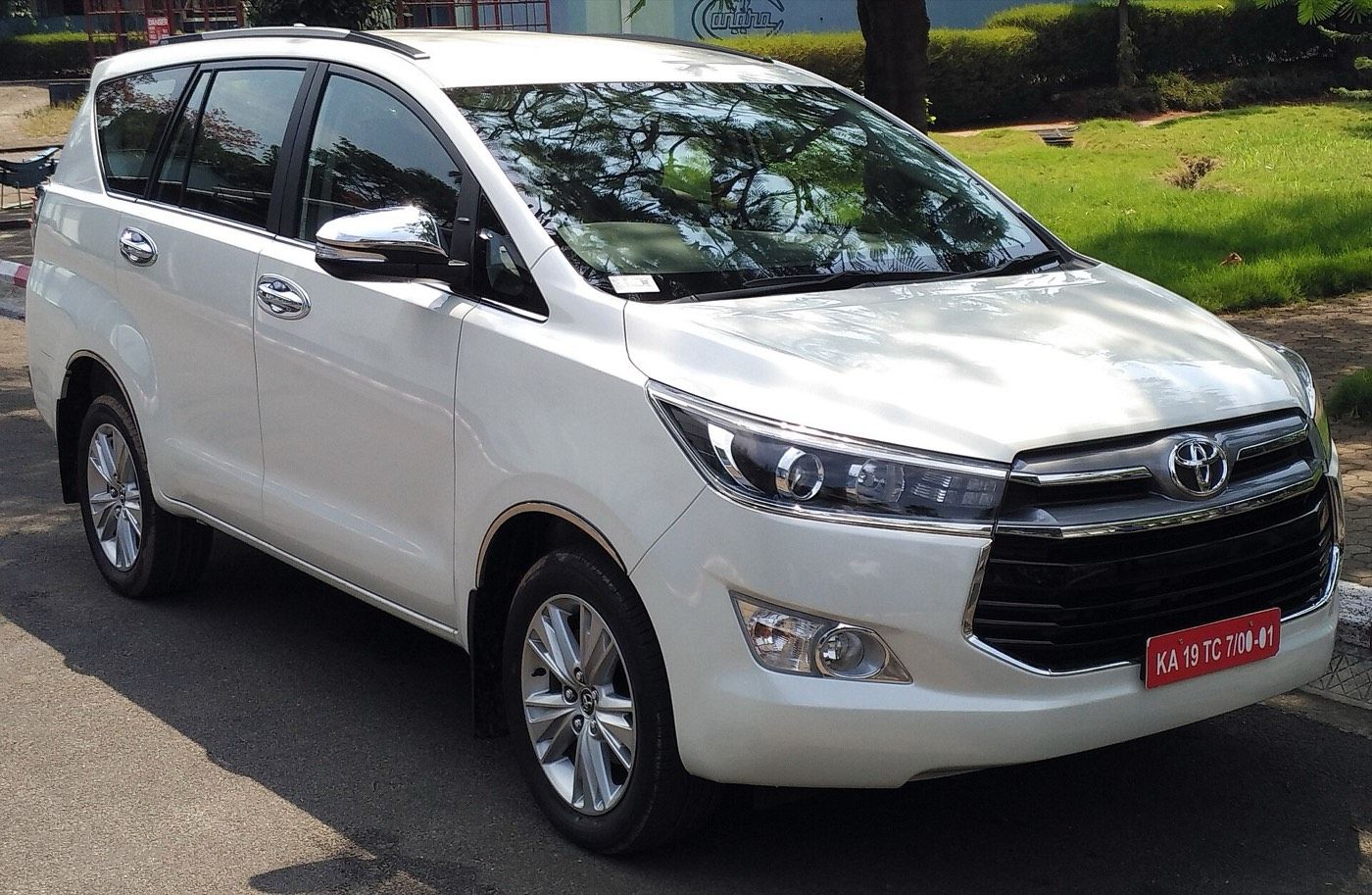
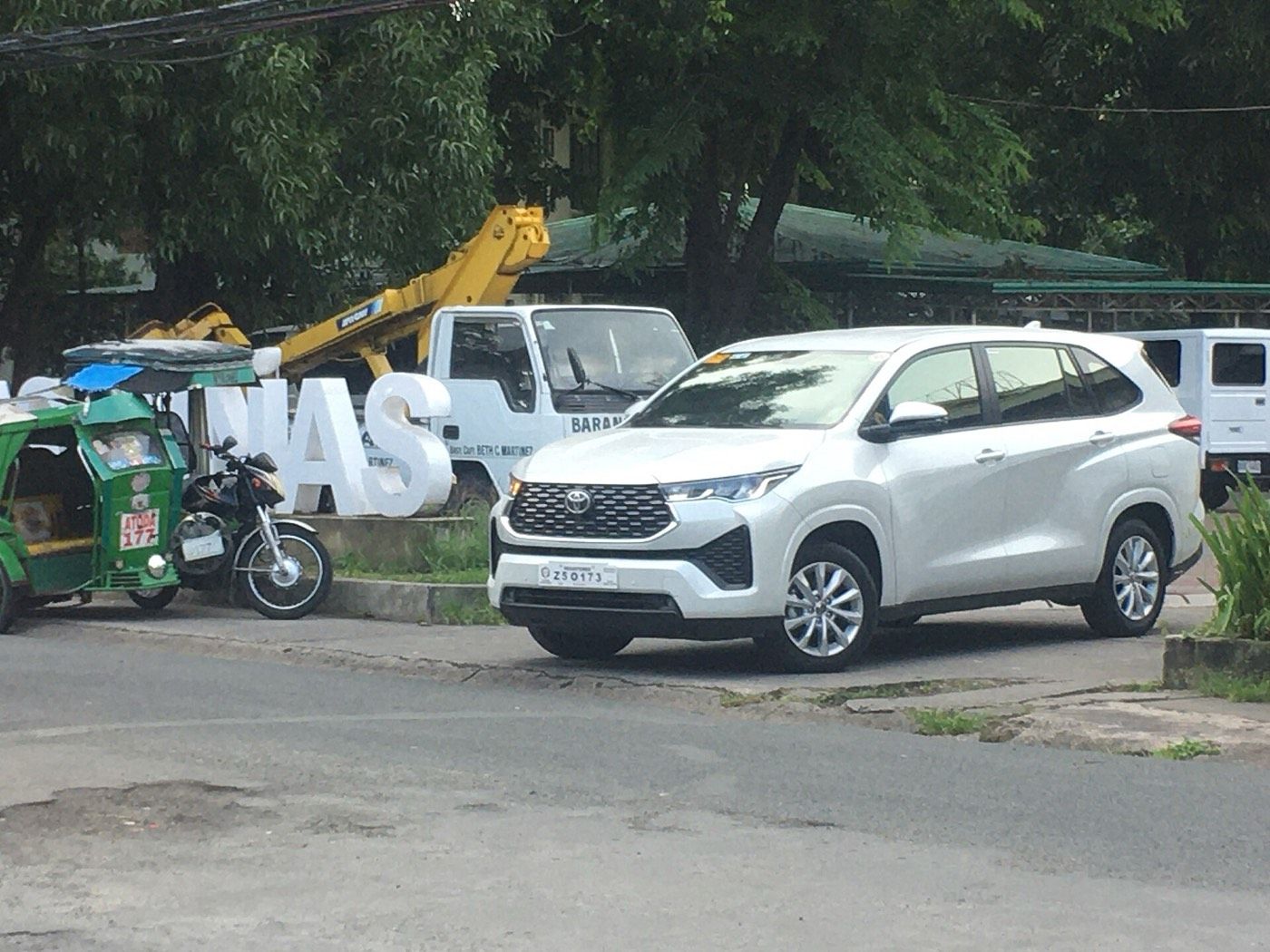
Toyota has taken the minivan shape and given it a car’s face: sharp headlights, a closed-looking grille that signals hybrid without a badge explaining it, and a profile that is tall because it must be rather than apologetically. At 4,755 mm long it is a substantial object in a basement parking slot, but the 185 mm of ground clearance is low enough that the ramp feels like a car park and the door sills sit at a height where neither a four-year-old nor a seventy-year-old has to climb. The design score in this review is a 4.2 precisely because the shape is honest about its job; nobody buys a Hycross for the styling, and nobody is embarrassed by it either.
The cabin is the product
Sit in the second row before you sit in the driver’s seat. That is the correct walkthrough for this car. On the VX and above, the captain’s chairs slide and recline — powered on the Z — and the footwell, the armrests, the dedicated vents with their own blower speed and the sunshade-equipped glass make row two the master bedroom of the vehicle. The dashboard up front is clean, quiet and dominated by a 10.1-inch screen that works; the 7-inch cluster is legible in glare; the panoramic roof on the Z turns the back of the car into a place children request to be driven in. Materials are Toyota-durable rather than Toyota-fancy — this is a cabin that will survive eight years of juice boxes, and it is designed to.
The packaging cleverness only shows on a real trip: the third row folds flat into the floor, so five-seat mode is a genuinely flat, van-shaped load bay in disguise — stroller, cricket kit, and the sack of onions from the grandfather’s town all fit without Tetris. With all seven seats in use, the 290-litre boot is backpacks-and-pillow territory, and that trade-off is the whole MPV contract.
Performance: the hybrid is the story
The 1.8-litre petrol engine alone makes 122 bhp and looks unimpressive on paper, which is how Toyota prefers it. With the electric motor the system produces around 184 bhp on MotoSutra’s unverified figures, and the design intent is a 4.75-metre, 1,690 kg people-carrier that should leave junctions in electric silence, creep without clutch-juggling, and gather to 100 km/h without any gear-change interruption because there are no gears to change. The CVT, which in lesser cars is a drone machine, is engineered to disappear into the hybrid logic so completely that most drivers stop thinking about the throttle and start thinking about the conversation behind them.
The honesty paragraph: on a steep ghat climb with seven aboard and the air conditioning working, the petrol engine does exactly what petrol engines do — it revs, it notifies you of its opinion, and the 178 Nm of engine torque does not stretch. This is a car with a passing lane, not a passing gear, and the 4.0 performance score reflects the difference between quick and effortless. The Hycross is the latter, generously.
Ride and comfort: the suspension is a family member
On its suspension spec the ride is the reason the comfort score is 4.6. The torsion-beam rear and tall sidewalls point to broken tarmac being taken out of the road rather than filtered, and the wheelbase is the case for gliding over the specific mix of patchwork and manhole covers that makes adults in sedans go quiet. How it actually holds up at kilometre four hundred, and how quiet it stays at a steady 110 km/h, is a road-test question MotoSutra has not answered — but the spec is generous for the height, and the torsion-beam rear would be a spec-sheet embarrassment three years ago and is now an accomplished tuning exercise.
Features and the hybrid you never plug in
The hybrid does its work without a charging point, without a mode switch and without your attention — it slips into electric creep at junctions and recovers energy at every braking event you were going to make anyway. The claimed 28 kmpl is the number that makes the MPV math finally work: a car that carries the whole family at hatchback fuel cost. The VX hybrid adds Toyota Safety Sense — adaptive cruise, automatic emergency braking and lane assist — and the equipment across the ladder includes the 360 camera, powered tailgate, wireless charging and dual-zone climate with rear vents. It all works, which in a family car is the highest compliment.
Safety: the calm paragraph, because it can be
Seven airbags as the catalogue lists it, a five-star adult score in this listing, stability control, hill-start assist and the structure logic of a unibody rather than the old ladder-framed Innova. The Hycross is one of the few cars in this band where the safety score is not the thing we need to qualify at length — the qualifying goes to the driver’s right foot instead.
Verdict
The petrol-only variants at ₹18.60-21.50 lakh are the weak end of this listing: the same lovely cabin and shell, without the motor that makes the character. The Hybrid VX at ₹24.50 lakh is the correct purchase, and the ₹28.90 lakh Z asks whether panoramic roofs and powered recline are worth the money your family could spend on the trip itself. For the household that travels as a unit, the Innova Hycross ends the conversation the way the name always has — by being the sensible answer nobody argues with after the first drive. That it does it while claiming 28 kmpl is the part that still feels like a trick.
Pros and cons
What we like
- The strong hybrid thrives where MPVs live: junctions and gridlock, where the claimed 28 kmpl is most nearly achievable — exactly the traffic that makes conventional cars drink
- The second-row captain’s chairs are the best seat in any car in this catalogue — powered recline, slide, and a footwell for a tired six-year-old
- Third row folds flat into the floor, so five-seat mode is a real load bay rather than a folded compromise
- Seven airbags, a five-star score in this listing and Toyota Safety Sense adaptive cruise on the hybrid variants make the family argument airtight
What we would change
- With all three rows up, the 290-litre boot is measured in soft bags and a negotiation; the suitcases live in row three
- The petrol-only G and V variants feel the missing electric motor keenly at ₹18.60-21.50 lakh; the hybrid is the car, the rest are deposits toward it
- The CVT irons out city driving beautifully and then drones the engine on a hard uphill overtake
- Fully loaded, the Hybrid Z sits near ₹29 lakh in this listing, money that buys options on two smaller cars
Frequently asked questions
What is the Toyota Innova Hycross price in this catalogue?
MotoSutra’s unverified catalogue lists the Hycross from ₹18.60 lakh to ₹28.90 lakh ex-showroom, Delhi NCR, with the strong hybrid occupying the upper half of the ladder and a CVT on every variant.
What mileage does the Hycross hybrid give?
‘The claimed figure is 28 kmpl. A strong hybrid rewards traffic, so MotoSutra expects the city numbers to come closest to the claim and steady highway runs to land lower — the opposite of every conventional car your family has owned.’
How powerful is the Hycross hybrid?
The 1.8-litre petrol engine makes 122 bhp on its own; combined with the electric motor, system output in this catalogue is around 184 bhp, which is why the car feels quicker than its spec sheet and never fast enough to be called fun.
Is the third row actually usable?
It takes adults for an hour and children indefinitely, and it folds flat into the floor rather than sitting in a well — which is why the five-seat boot is genuinely usable. With all three rows up, luggage is measured in backpacks.