Car comparison
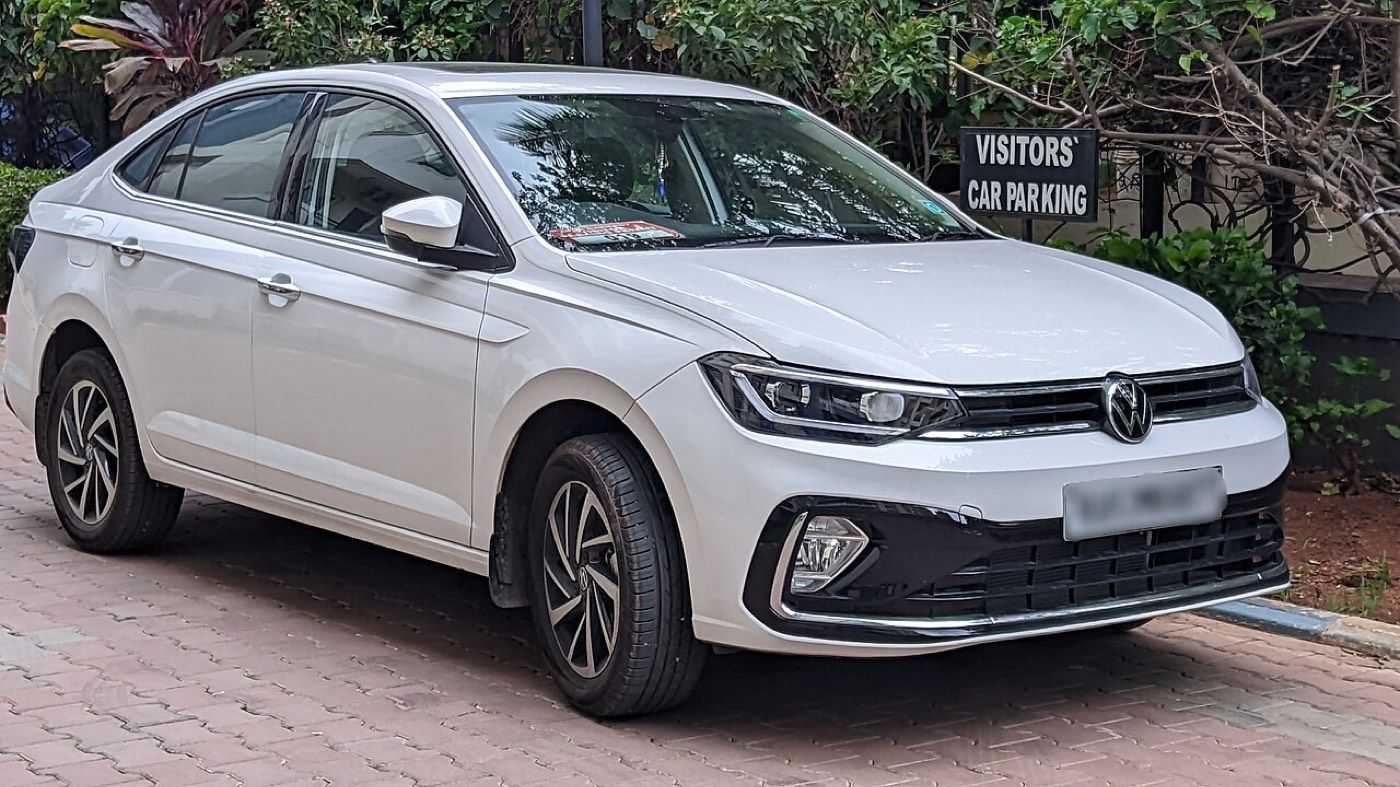
Honda City vs Hyundai Verna: the sedan buyers argue about when neither is wrong
A ₹11.79 lakh driver with a hybrid at the top against a ₹10.99 lakh cruiser with 528 litres of boot and Level-2 ADAS — and a crash-score standoff only the Honda wins, at three stars.
- Honda City ₹11.79 lakh
- Hyundai Verna ₹10.99 lakh

Editor & Publisher
Head to head
- Entry price Hyundai Verna The Verna E lists at ₹10.99 lakh against the City V MT at ₹11.79 lakh, ex-showroom Delhi NCR — both with six airbags at that money.
- Top-spec price Hyundai Verna ₹17.20 lakh for the Verna SX(O) Technical against ₹20.20 lakh for the City e:HEV ZX, which is the hybrid premium rather than the equipment one.
- Engine performance Honda City The City’s 1.5 makes 121 bhp and 145 Nm against the Verna’s 115 bhp and 144 Nm, and Honda’s is the manual you actually use the gates of.
- Boot space Hyundai Verna 528 litres for the Verna against 506 for the City — two litres of paper becoming one extra large suitcase in practice.
- Rear-seat space Hyundai Verna The Verna’s 2670 mm wheelbase is 70 mm more than the City’s 2600 mm; the Honda answers with the wider-cushioned bench its own listing calls the segment reference.
- Crash structure Honda City Three stars for the City against two for the Verna in this catalogue — both behind the five-star SUVs at this money, and both fit six airbags.
- Equipment ceiling Hyundai Verna The ₹17.20 lakh Verna SX(O) Technical stacks Level-2 ADAS, dual 10.25-inch screens, head-up display, panoramic sunroof and Bose audio; the petrol City tops out at ₹17.50 lakh with Honda Sensing and a sunroof.
| Specification | Honda City ₹11.79 lakh | Hyundai Verna ₹10.99 lakh |
|---|---|---|
| Ex-showroom price | ₹11.79 lakh | ₹10.99 lakh |
| Engine | 1498 cc | 1497 cc |
| Power | 121 bhp | 115 bhp |
| Torque | 145 Nm | 144 Nm |
| Mileage | 18 kmpl | 18 kmpl |
| Top speed | 180 kmph | 190 kmph |
| Gearbox | Manual / Automatic | Manual / Automatic |
| Kerb weight | 1155 kg | 1250 kg |
| Seating | 5 | 5 |
| Boot space | 506 litres | 528 litres |
| Safety | 3 stars | 2 stars |
| Body type | Sedan | Sedan |
| Status | Available | Available |
| Categories won | Honda City wins 4 of 13 | Hyundai Verna wins 3 of 13 |
Only specifications present in both records are listed. figures without a named source document are unverified motosutra catalogue estimates, not official specifications. confirm current numbers with the manufacturer.
The mid-size sedan is not dead; it has simply become a preference instead of a default, and preferences invite arguments. The Honda City and the Hyundai Verna are the two ways to have it in 2026, and MotoSutra’s unverified catalogue prices the fight to the rupee: ₹11.79 lakh to ₹20.20 lakh for the Honda, with its hybrid at the summit, against ₹10.99 lakh to ₹17.20 lakh for the Hyundai, with its gadget summit lower and cheaper. Under both bonnets sits a naturally aspirated 1.5-litre four — 121 bhp and 145 Nm in the City, 115 bhp and 144 Nm in the Verna — which means, as with so many modern comparisons, the interesting differences are everywhere except the power band. One car is engineered around the driver; the other is furnished around the passenger. The crash scores, at three stars and two, are the shared asterisk both brands would rather you read last.
How they drive, which is the City’s whole case
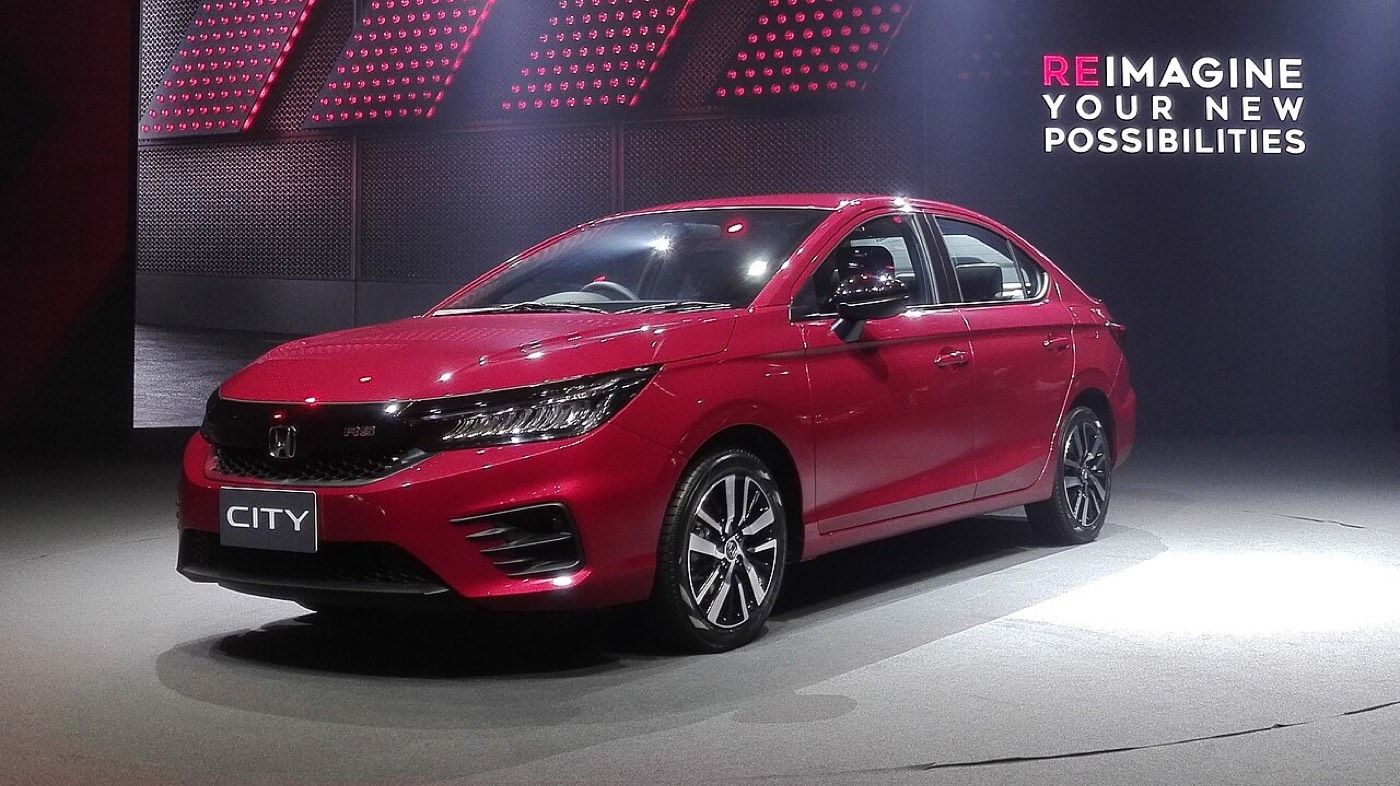
The City is the better car to drive on paper, and Honda has never had to pretend otherwise. MotoSutra has not driven either sedan, so this section reads the engineering brief rather than a test log. The 1.5 makes six more horses, yes, but the documented character is the way the car asks to be used: steering weighted in an era of paddling pools, a manual gearbox whose gates its own material invites you to click through, and a suspension tuned firm enough to hold the rear line in a fast corner and — its own listing concedes — jolty enough to report broken tar to the second row. At 1,155 kg it is also the lighter car by nearly a hundred kilos, and that mass should show in the throttle response the Verna’s smoother, heavier cruise does not bother hiding.
The Verna is the better car to be driven in, and the specification knows it. The 1.5 is a sweet-revving, willing unit that runs to a documented 190 km/h top speed in this catalogue’s listing and then goes quiet; the suspension is set up compliant in the way Indian roads were invented to be handled; the automatic a conventional torque-converter-style box that should glide where the City’s once-quick CVT drons its pretend ratios under hard acceleration. Neither is turbocharged at these prices, so a loaded night overtake on a two-lane is a planned event in both — the City plans it with more enthusiasm, the Verna with more serenity. How much of that survives a bench seat and a full tank is for a test drive, not this page, to say.
Then there is the third pedal story, or rather the fourth powertrain: the City e:HEV at ₹20.20 lakh, which moves off in silence, accelerates on the motor’s instant torque and recharges itself without a plug. It is the only car in this head-to-head with an answer to the question “why not an SUV for this money,” and the answer is: because this one does city traffic at figures the petrol cars can’t smell.
Space and the boot, where the Verna spends its millimetres
The Verna’s 2670 mm wheelbase — 70 mm more than the City’s 2600 — converts almost entirely into second-row knee room, and its 1,765 mm width gives it the better three-abroad bench. The City’s counter is quality over quantity: the rear seat its own listing calls the segment reference, wide-cushioned and built for a six-hour drive rather than merely spacious for an hour. Head room favours the Honda by the shape of its greenhouse; the Verna is the lower car at 1,470 mm against 1,482.
Boots: 528 litres for the Verna against 506 for the City. Both embarrass every hatchback and most SUVs at this money; both swallow a four-person weekend without folding anything; and the two-litre gap matters mainly when someone brings a third suitcase. Whoever said sedans are dead wasn’t loading either of these.
Equipment and safety, the two columns that decide this car
Hyundai built the Verna’s case on the options list, and the ladder shows it: dual 10.25-inch screens, ventilated front seats, wireless charging, head-up display, panoramic sunroof, Bose audio, and on the ₹17.20 lakh SX(O) Technical a full Level-2 driver-assistance suite with adaptive cruise and automatic emergency braking. The petrol City tops out at ₹17.50 lakh with Honda Sensing — the same assistance brief, competently executed — plus a sunroof, and its cabin, while beautifully built, is the plainer of the two; its own listing admits it looks like a nicely furnished office next to the Hyundai’s lounge.
The safety page is where the script flips. Six airbags are standard across the Verna range and arrive from the City’s mid trims, but the structures disagree: three stars for the Honda against two for the Hyundai in this catalogue, and both records say the quiet part — the five-star compact SUVs at this money exist, and they will be quoted at you in showrooms all year. A careful buyer ends this comparison the same way both car’s listings do: deciding whether a sedan’s appeal is worth accepting the segment’s structural ceiling. If it isn’t, the Honda’s own Elevate is ₹6 lakh cheaper than the hybrid City and five stars.
Running costs, fuel and the fine print
Both petrols claim 18 kmpl; MotoSutra puts both in the low double digits in the city and the mid-teens on the expressway in realistic use; both service ledgers are unremarkable at their respective networks, with Hyundai’s reach ahead and Honda’s drivetrains famously unbothered by age. The e:HEV is the exception that rewrites the column — hybrid batteries are the scary line nobody can price, and Honda’s warranty terms are the catalogue’s answer to that fear — and the Verna’s two-star badge will do nothing for its resale in a market that has started reading star ratings off the same websites that publish them.
Who should buy which
Buy the City if you will be the one driving it, if the manual is the car you want, if three stars against two keeps you awake, or if the hybrid converts your stop-start commute into the one sedan purchase that also makes an economic argument. Buy the Verna if the family occupies the rear seats more than you do, if the ₹80,000 entry gap and the ₹3 lakh ceiling gap are the difference between the car you want and the car you can justify, and if a panoramic roof, a head-up display and adaptive cruise for ₹17.20 lakh describes your idea of value better than 121 bhp does. It is, in the end, the oldest sedan choice there is: the car you drive home, or the car they ride in.
The two models
Frequently asked questions
Which sedan should a family buy, the City or the Verna?
On MotoSutra’s unverified catalogue numbers, the Verna carries the family argument: it starts ₹80,000 lower, ends ₹3 lakh lower, has the bigger boot at 528 litres, the longer wheelbase, and the more equipped top trims including Level-2 driver assistance at ₹17.20 lakh. The City is the buyer argument — the stronger 121 bhp engine, the better manual, the better structure at three stars, and the only hybrid option in the pair.
Is the Honda City hybrid worth the extra money?
For the right life, yes. The e:HEV ZX lists at ₹20.20 lakh here, a premium of nearly ₹3 lakh over the Verna flagship; in exchange the car creeps and cruises town on the electric motor and its own listing says the hybrid runs notably closer to — sometimes past — the petrol’s claimed 18 kmpl in traffic. If your commute is stop-start, that is where a strong hybrid earns its price; on an open highway, it largely doesn’t.
Which is safer, the City or the Verna?
The City, on the numbers this catalogue publishes: a three-star adult crash score with six airbags from the mid trims and Honda Sensing on top variants, against the Verna’s two-star structure with six standard airbags and ADAS on the flagship. Both are well behind the five-star compact SUVs sold for similar money, which is the honest headline of any sedan shortlist in 2026.