Buying guide
Best SUVs under ₹15 lakh in 2026: six picks that earn their extra height
Five-star structures, a self-charging hybrid, a 200 bhp seven-seater and a micro-SUV that starts below ₹6 lakh. This is what ₹15 lakh buys in the segment that swallowed the Indian car market.
- Toyota Hyryder ₹11.31 lakh
- Tata Motors Punch ₹5.75 lakh
- Mahindra XUV700 ₹13.99 lakh
- Mahindra Scorpio N ₹13.69 lakh
- Tata Motors Nexon ₹7.4 lakh

Editor & Publisher
In order, on the numbers
The ranked picks
-
₹7.4 lakh - ₹10.49 lakh
Six airbags on every variant, a five-star adult crash score, 118 bhp and 170 Nm of turbo-petrol torque and a 350-litre boot — and it begins at ₹7.40 lakh, which is ₹3.51 lakh less than the Creta.
- Mileage 17 kmpl
- Power 118 bhp
- Engine 1199 cc
-
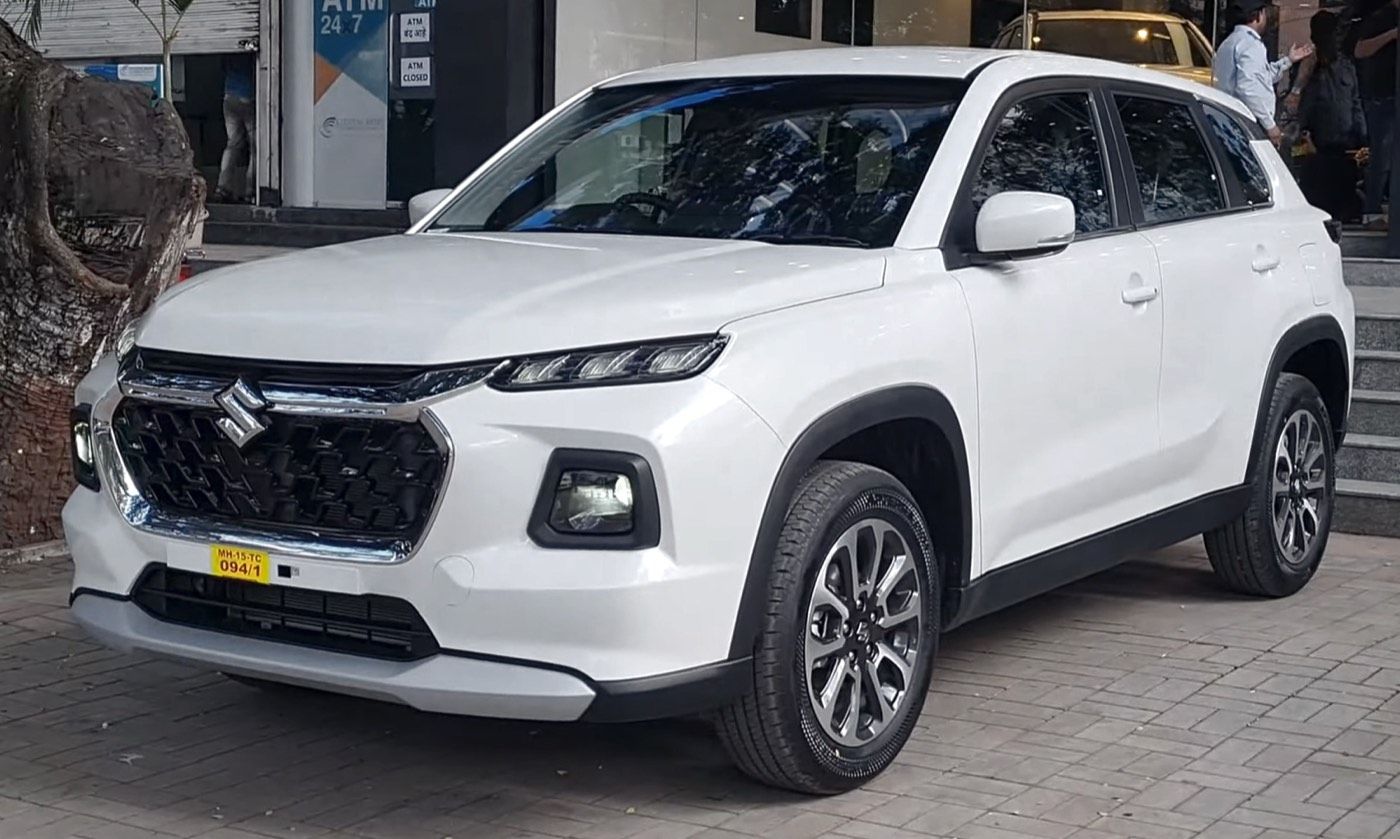
₹11.31 lakh - ₹15.99 lakh
The strong hybrid makes a claimed 21 kmpl in the traffic where conventional SUVs waste fuel standing still, and it carries seven airbags as standard on every variant with a five-star structure. 122 Nm and a CVT drone are the price of that economy.
- Mileage 21 kmpl
- Power 114 bhp
- Engine 1462 cc
-
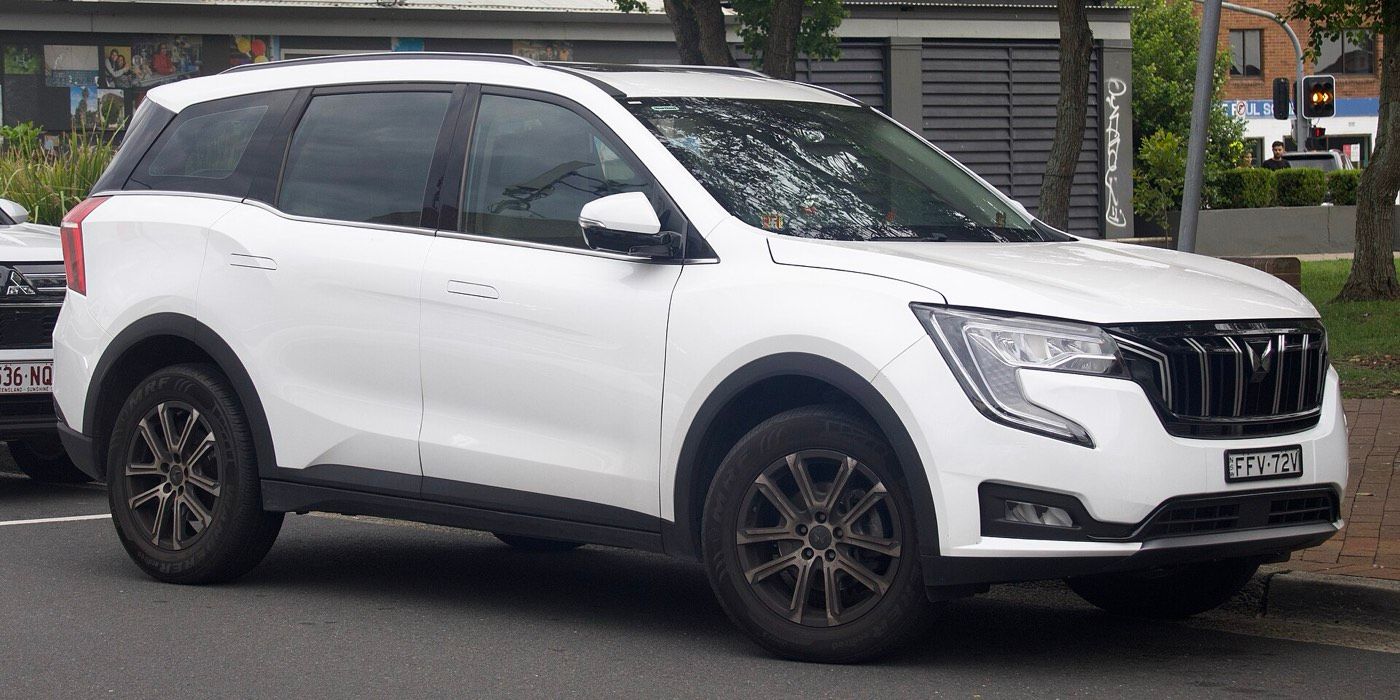
₹13.99 lakh - ₹21.49 lakh
200 bhp, 380 Nm, seven seats and a 510-litre boot start at ₹13.99 lakh, which is more car than anything else in this bracket. The ADAS suite waits for the ₹17.99 lakh AX7 and the claimed 16 kmpl is the second-worst figure here.
- Mileage 16 kmpl
- Power 200 bhp
- Engine 1997 cc
-
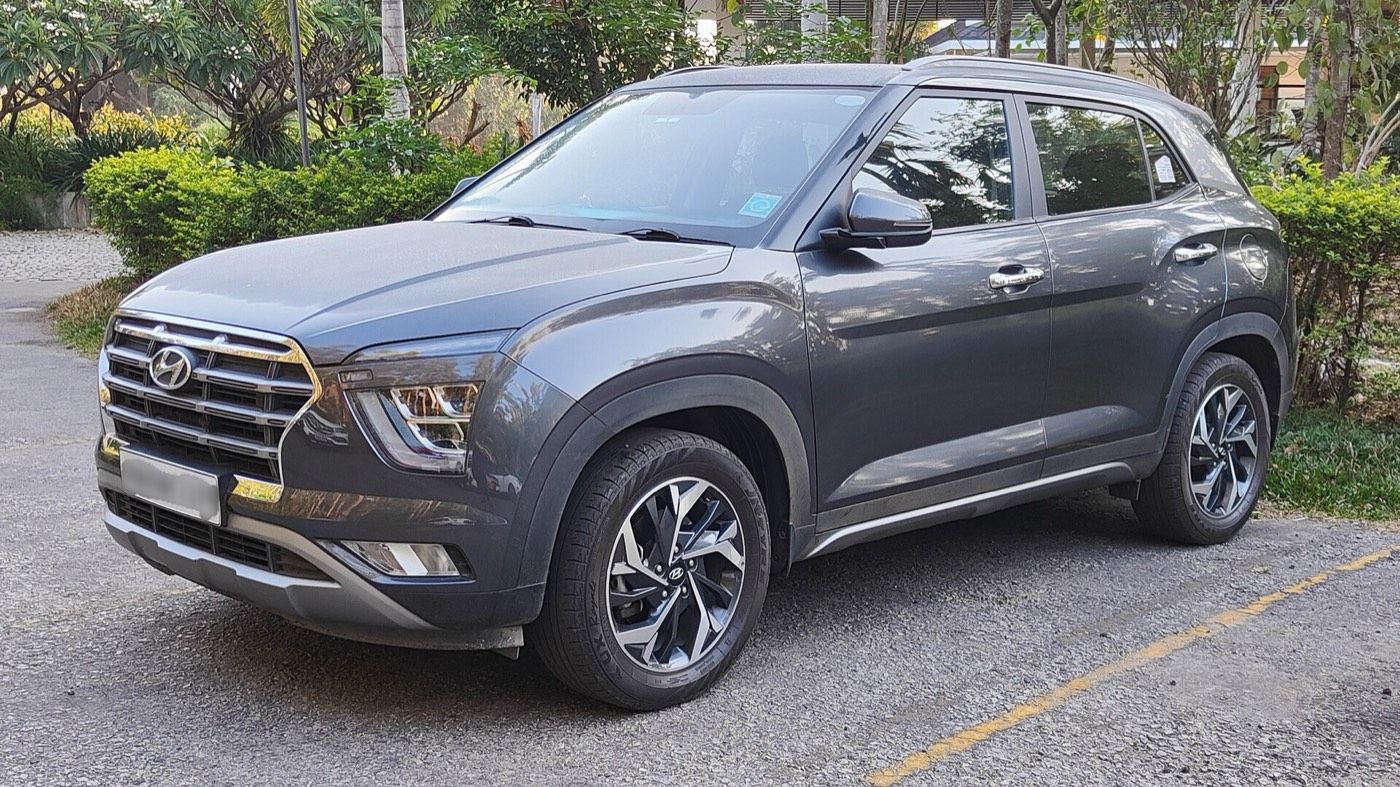
₹10.91 lakh - ₹17.2 lakh
The cabin rates 4.3 for interior and 4.4 for features in our book, the IVT automatic takes all work out of a Monday commute, and the 433-litre boot is the largest here among five-seaters. It starts at ₹10.91 lakh with a three-star adult crash score.
- Mileage 17 kmpl
- Power 113 bhp
- Engine 1497 cc
-
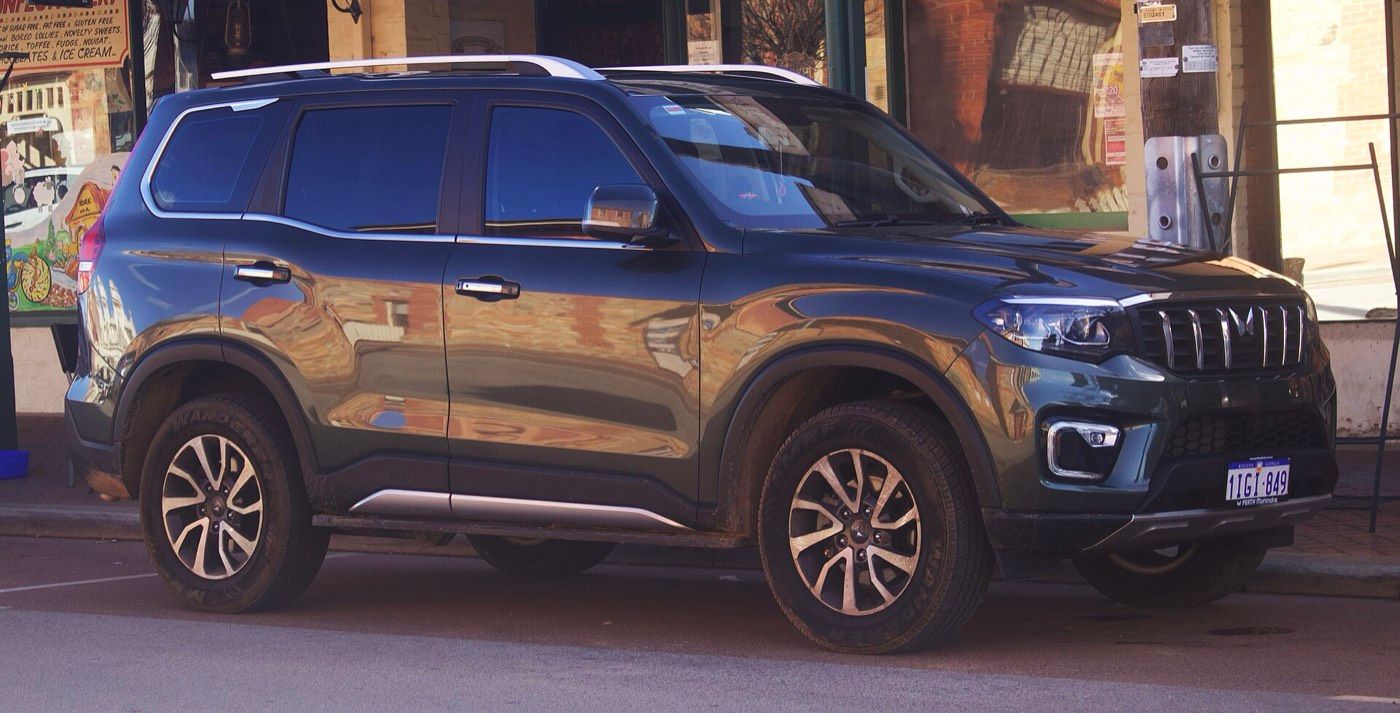
₹13.69 lakh - ₹19.49 lakh
A 172 bhp diesel with 370 Nm, 220 mm of clearance, seven seats and a 460-litre boot, from ₹13.69 lakh. Its 15 kmpl claim is the lowest figure here, and the only one of these six that expects to earn it on a motorway.
- Mileage 15 kmpl
- Power 172 bhp
- Engine 2198 cc
-
₹5.75 lakh - ₹8.69 lakh
₹5.75 lakh buys the same five-star structure as the Nexon, 187 mm of clearance and a 366-litre boot. The 87 bhp engine asks patience for an overtake, and airbag count depends on the trim you choose, so buy for safety rather than for price.
- Mileage 18 kmpl
- Power 87 bhp
- Engine 1199 cc
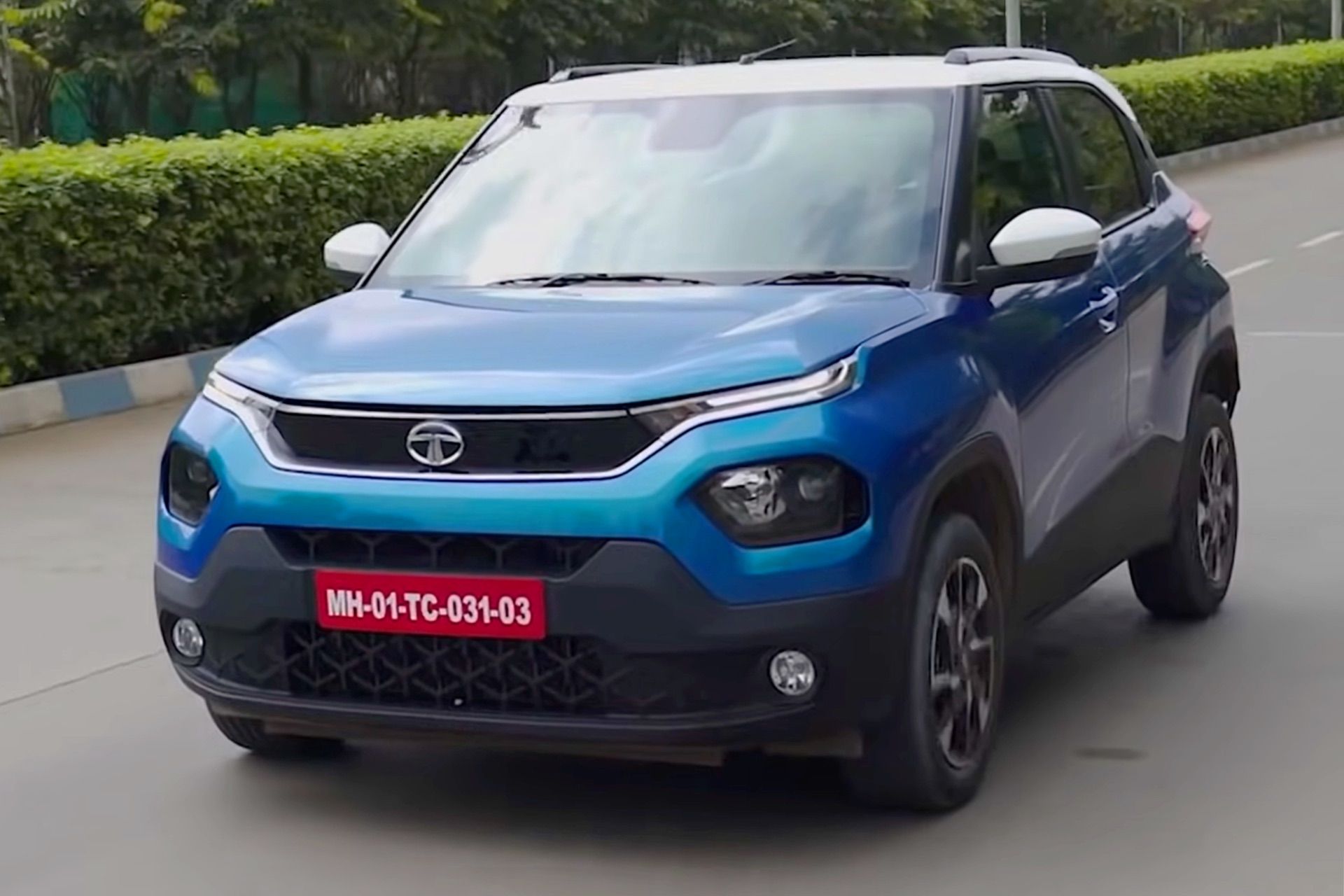
The SUV has stopped being a body style in India and become a price band with a seating position attached. That is a problem for a list like this one, because ₹15 lakh now buys anything from a 3,856 mm micro-SUV with a small three-cylinder to a 4,693 mm seven-seater with a turbo-petrol making 200 bhp. These six are ranked on how the segment is actually used: the commute, the crash rating, the boot, the fuel bill, and whether the price in the brochure is the price you pay.
Two caveats up front. Every figure here is ex-showroom Delhi NCR at the entry variant, and four of these six cross ₹15 lakh the moment you tick the option boxes — the Creta reaches ₹17.20 lakh, the Hyryder ₹15.99 lakh, the Scorpio-N ₹19.49 lakh and the XUV700 a long way past all of them. And every claimed mileage number is a laboratory figure; MotoSutra has driven none of these six, and its estimates put the honest city gap at roughly a quarter off the claim for petrol cars.
1. Tata Nexon — the one to beat
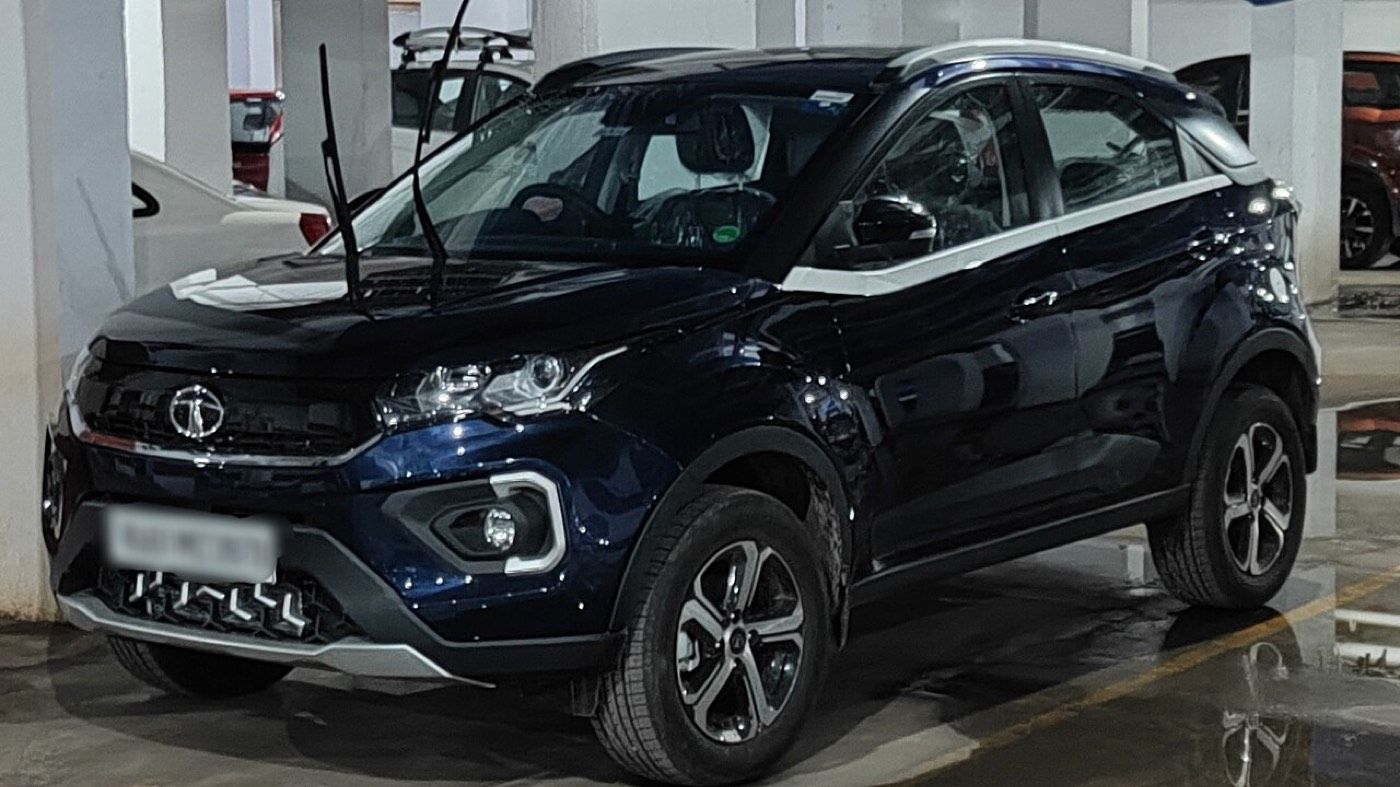
A five-star Global NCAP adult score with six airbags fitted as standard, at ₹7.40 lakh, is still the most startling fact in the Indian car market. The Nexon pairs that structure with the best engine here for the money — a 1.2-litre three-cylinder turbo making 118 bhp and 170 Nm across a plateau from 1,750 to 5,500 rpm, which is enough on paper to make an overtake at 70 km/h a decision rather than a project — and a 350-litre boot on a 2,600 mm wheelbase.
Its weaknesses are known and narrow. A claimed 17 kmpl makes it the second-thirstiest car on this page behind the diesel, and the cabin, while well equipped at 4.4 for features in our scoring, is a plainer design than a Creta’s. The ₹7.40 lakh Smart that starts the range already carries six airbags, so the safety case does not require the top trim; the money for the Accomplished + DCT at ₹10.49 lakh buys convenience rather than protection.
2. Toyota Hyryder — the money answer
If your driving is a 30 km commute in traffic, this is the car that stops the fuel line on the monthly statement. The strong hybrid pairs a 1,462cc petrol with an electric motor for a combined 114 bhp, claims 21 kmpl, and does its best work precisely where an SUV normally does its worst: standing still with the air conditioning running. It is also the only car here with seven airbags standard across every variant, on a five-star structure, with 208 mm of ground clearance.
What you give up is the right to enjoy a back road. 122 Nm of engine torque plus a CVT turns a steep overtake into a high-revving negotiation, the boot is 311 litres because the battery is where the luggage used to go, and the cabin finish trails both Korean rivals. It starts at ₹11.31 lakh, and the Z+ at ₹15.99 lakh is outside the bracket.
3. Mahindra XUV700 — more car than the price admits
200 bhp, 380 Nm, seven seats, a 510-litre boot, all-wheel discs and a five-star adult score, from ₹13.99 lakh. Nothing else in this budget comes close on substance, and our catalogue gives it the highest overall rating of any car listed, at 4.4.
Two things keep it at third. The first is the claimed 16 kmpl, which is a real cost on a car of this size. The second is that the ADAS suite — adaptive cruise, lane centring, automatic emergency braking — is fitted from the ₹17.99 lakh AX7, so the car you can actually afford under ₹15 lakh is the version without it. If you can stretch, this is the one to stretch to. Our explainer on what that suite does and does not do on an Indian expressway is worth reading before you decide.
4. Hyundai Creta — the ownership answer
The Creta wins nothing on this page for drama and consistently wins the room test. Its interior scores 4.3 and its equipment 4.4 in our book, the IVT automatic is the most frictionless thing in the segment in traffic, and its 433-litre boot, out of a body only 4,300 mm long, is why three adults and a child seat travel together in the configuration Indian families actually use.
The three-star Global NCAP adult score is the number to sit with, and six airbags are on the top trims only. From ₹10.91 lakh it is a well-sorted purchase; at ₹17.20 lakh it is asking for money the car cannot perform in proportion to. The Seltos is its twin and our comparison of the two is the shorter route into that decision.
5. Mahindra Scorpio-N — the distance machine
A ladder-frame diesel with 172 bhp and 370 Nm, 220 mm of clearance and 460 litres of boot, from ₹13.69 lakh inside this budget, with six airbags and stability control standard and a five-star score. On a highway with a full load it holds the most torque reserve on this list, which is the difference between covering a trip and enduring one.
It is also 4,662 mm long, thirsty at 15 kmpl claimed, and a truck to park in a basement ramp. If your annual highway kilometres are under 5,000, buy the Nexon and keep the difference.
6. Tata Punch — the hatchback-budget SUV
₹5.75 lakh buys a five-star structure, 187 mm of clearance, a 366-litre boot and a seat height that puts the driver above most cars it cross-shops. Against that, the 87 bhp engine is slow, the interior is basic and six airbags stop at the upper variants. It is on this list because for a great many Indian households the choice is genuinely between a Punch and a hatchback, and on road clearance, space and structure there is no contest.
Frequently asked questions
Which SUV is the best buy under ₹15 lakh?
The Nexon, because it is the only car here that gives you a five-star structure, six airbags on every variant and a turbo-petrol engine without asking you to spend the whole budget. The Hyryder overtakes it on running cost if your daily driving is mostly in traffic.
Can I really buy an SUV with ADAS for ₹15 lakh?
Not in this catalogue. The XUV700 is the car with the suite, starting at ₹13.99 lakh, but the ADAS variants begin at ₹17.99 lakh. Treat any sub-₹15-litre claim of level-two assistance as a marketing description of a reversing camera.
Should I buy the Seltos instead of the Creta?
They are the same engineering with different faces, and the choice is about styling and dealer reach. The Seltos has 102 litres more boot and costs marginally less at the top of the range; our head-to-head sets out where they diverge on the spec sheet.