News
Toyota launches the Innova Hycross: a unibody seven-seater whose strong hybrid claims 28 kmpl
The MPV that defined its segment goes unibody with a 122 bhp petrol-hybrid system good for around 184 bhp combined, priced from ₹18.60 lakh to ₹28.90 lakh across five CVT variants in MotoSutra’s unverified catalogue.
- Toyota Hyryder ₹11.31 lakh
- Maruti Suzuki Ertiga ₹8.9 lakh
- Toyota Innova Hycross ₹18.6 lakh

Editor & Publisher
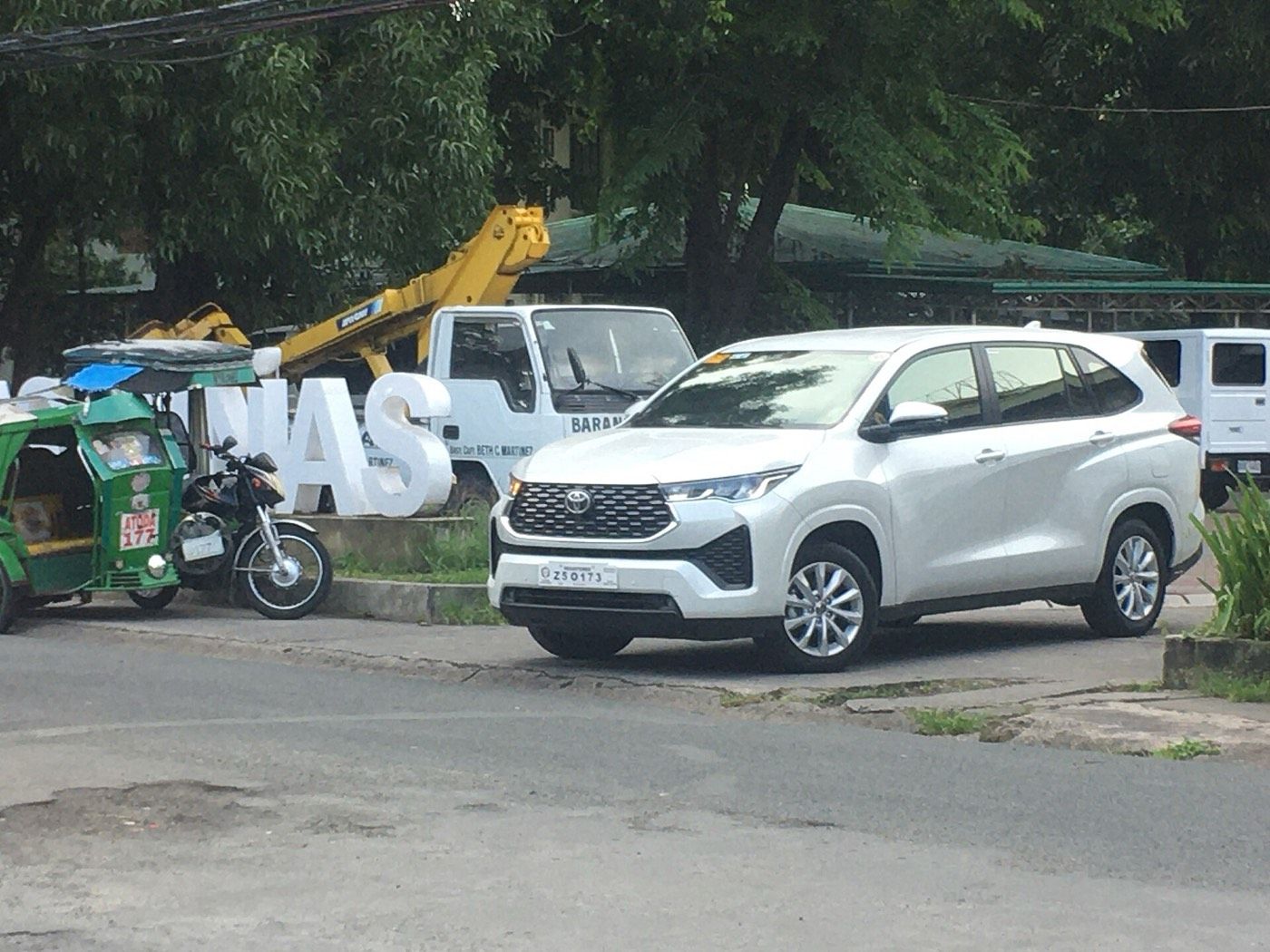
Toyota has launched the Innova as a unibody car for the first time, which is a larger statement than any single specification number in the launch sheet, because the Innova name has spent two decades as the default answer to a specific Indian question: how do you carry seven people and their luggage without buying something that drives like a bus. The Hycross answers it with a car 4,755 mm long on a 2,850 mm wheelbase, a 1.8-litre strong hybrid good for a claimed 28 kmpl, and a cabin engineered around the second row rather than the first.
The unverified listing prices it accordingly: ₹18.60 lakh for the G CVT petrol at the bottom, ₹28.90 lakh for the Hybrid Z CVT at the top, and MotoSutra’s catalogue records the strong hybrid occupying the upper half of that ladder. That spread is the launch’s strategic logic in one line — Toyota has kept a conventional petrol entry point while making the hybrid the car it actually wants to be judged on.
The drivetrain, since it changes the ownership maths
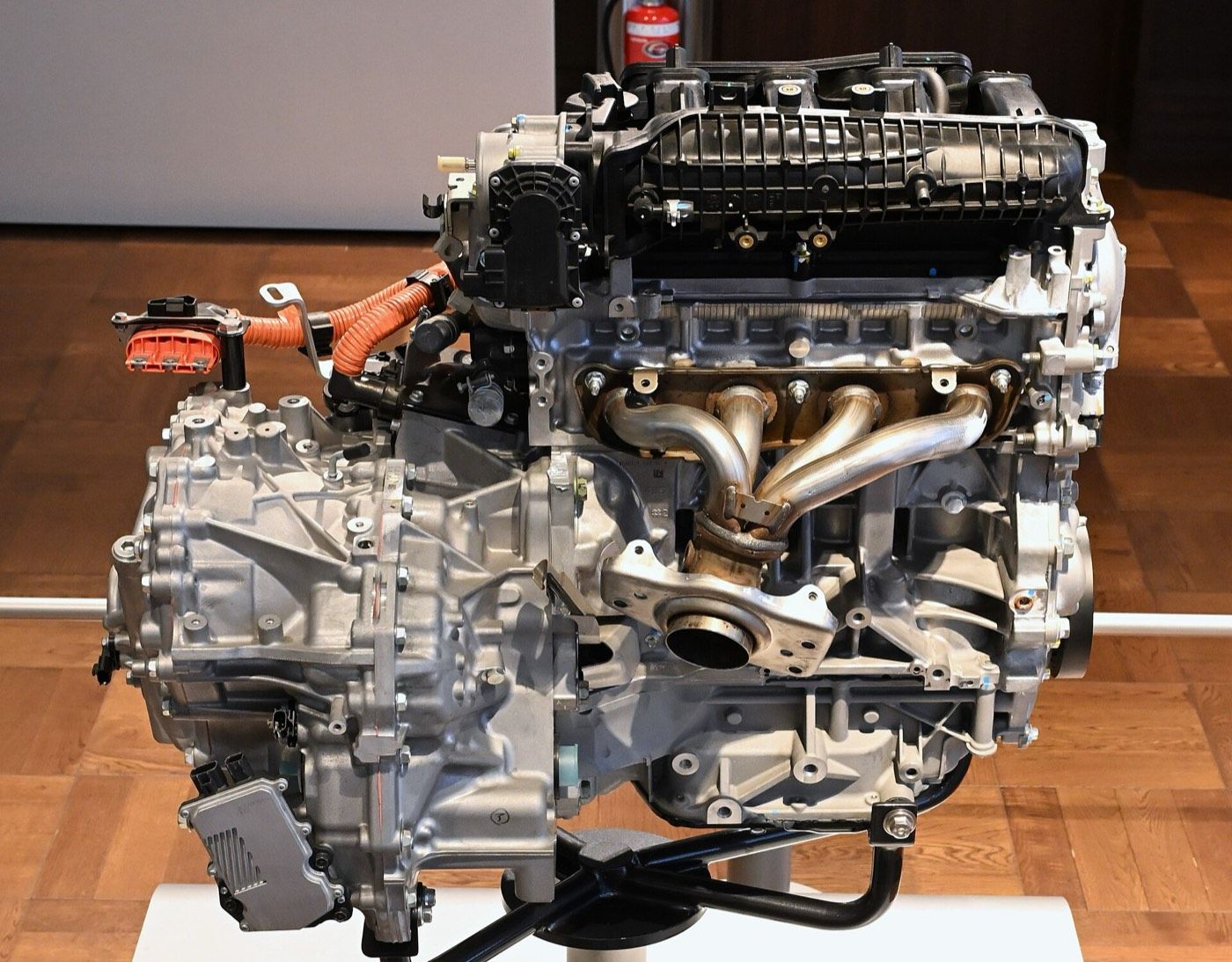
The hybrid’s engine makes 122 bhp at 6,000 rpm and 178 Nm at 4,400 rpm, unremarkable numbers that matter less than what the motor does around them. The system output this listing quotes is around 184 bhp, the car creeps at junctions on battery alone, and it recharges itself without a plug. The 28 kmpl claim is the headline, and unlike most claims of its size it is directionally trustworthy for exactly the use an MPV sees: school runs, office drops and weekend traffic, where the motor does most of the work and highway returns are the weaker half of the story.
The petrol-only G and V variants run the same CVT with the noticeable slack end of the range; there is no manual anywhere in the launch sheet, which removes a decision rather than adding one. The genuinely new hardware option is the ₹26.50 lakh Hybrid VX 4WD, which uses an electric rear-axle motor rather than a propshaft — a system for slippery ramps and loose gravel, not for anyone planning to call it an off-roader.
Toyota’s launch material leads on its strong-hybrid branding and the 28 kmpl figure, and the company brief positions the third row’s flat-folding mechanism as equal billing; both claims are in the car as our catalogue records it, which is more than launch sheets generally manage.
What seven seats actually cost in packaging terms
The clever part is the third row: it folds flat into the floor instead of stowing in an under-boot well, so five-seat mode gives a genuinely flat load area. The price of that trick is the recorded 290-litre boot with all three rows in use — shallow, and the number a buyer with two large suitcases and a child seat should check against their actual trunk before booking. Second-row captain’s chairs on the top variants recline and slide, and the car is low enough at 1,795 mm tall that a basement ramp needs no ceremony, which is a bigger daily- usability point than the MPV silhouette suggests.
Against the field, the Hycross sits in awkward but profitable no-man’s-land: far above the Ertiga on price, comfortably above the Hyryder it shares hybrid logic with, and next to the diesel-era road-trippers like the Harrier on money rather than mission. The launch gives the family that treats one car as a seven-day appliance something no rival in our catalogue matches — a claimed 28 kmpl, a five-star structure with seven airbags, and a resale story built on Toyota’s hybrid warranty terms. That is why this is the most consequential launch of the year in our listing, and why its rating of 4.4 overall is the highest of any vehicle in it.
Frequently asked questions
What does the Hycross cost?
The unverified catalogue lists five CVT variants from ₹18.60 lakh for the petrol G to ₹28.90 lakh for the Hybrid Z, with the petrol V at ₹21.50 lakh and the strong hybrid occupying ₹24.50 lakh, ₹26.50 lakh for the 4WD, and the top spot.
How strong is the hybrid?
The 1.8-litre petrol engine makes a recorded 122 bhp and 178 Nm on its own; combined with the electric motor the system output in this listing is around 184 bhp. The claimed economy figure is 28 kmpl, and hybrids reward stop-start traffic, so city returns come closest to the claim.
Is the third row usable?
Yes, with the caveat every seven-seater earns it: the third row folds flat into the floor rather than sitting in a well, so the boot is genuinely usable in five-seat form, and with all three rows up the load space is measured in bags rather than suitcases — the recorded boot figure is 290 litres.
What safety equipment comes with it?
Seven airbags are fitted across the range in this listing, the structure carries a five-star score, and Toyota Safety Sense — adaptive cruise, automatic emergency braking and the rest of the suite — sits on the higher variants, including the 4WD and the Hybrid Z flagship.