Price update
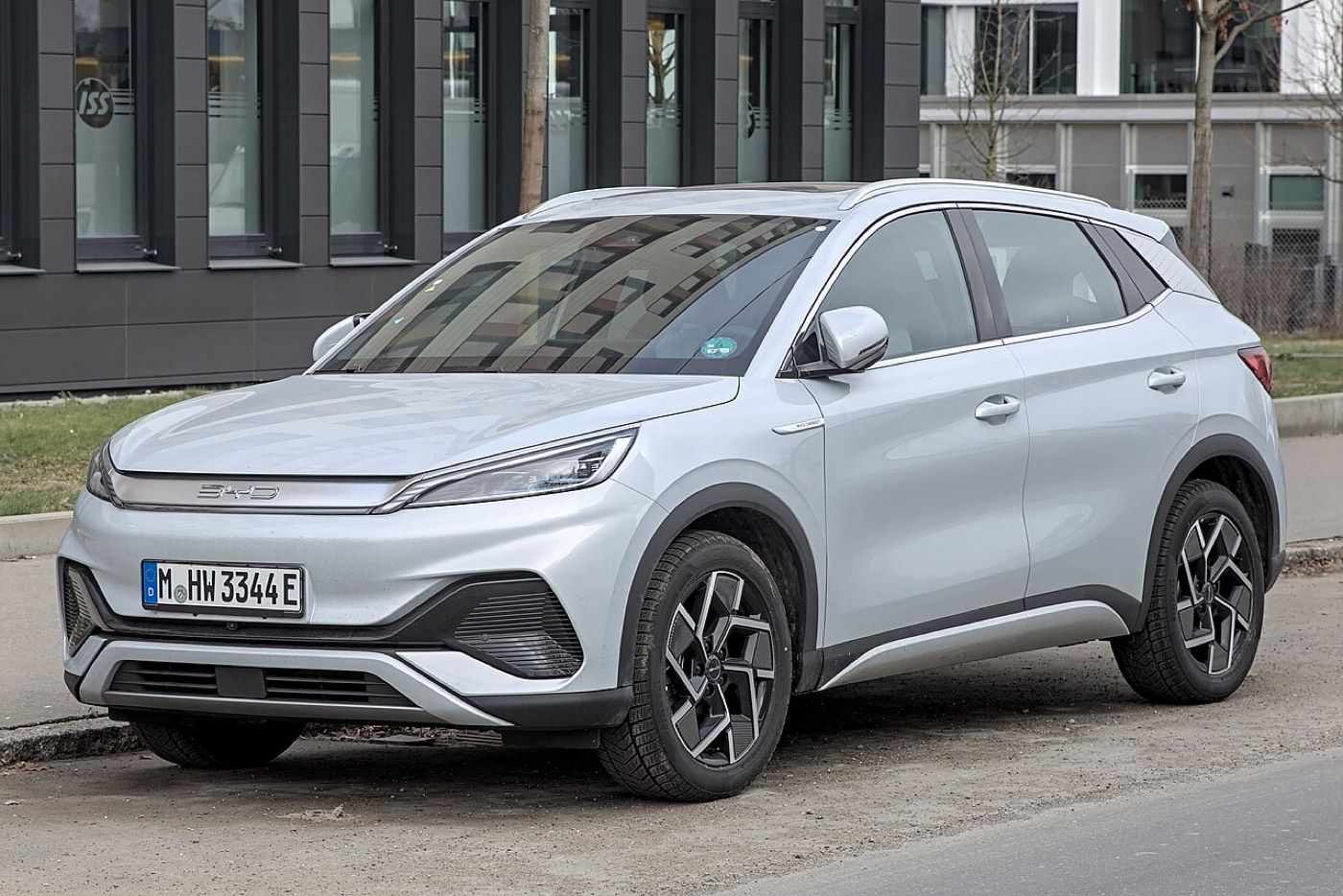
BYD marks down the Atto 3 by up to ₹1 lakh across all four variants
The entry single-motor electric SUV drops to ₹23.99 lakh in this revision’s unverified pricing, with the Shine+ closing at ₹25.99 lakh; battery, range and equipment are untouched and the catalogue still carries the old sheet.
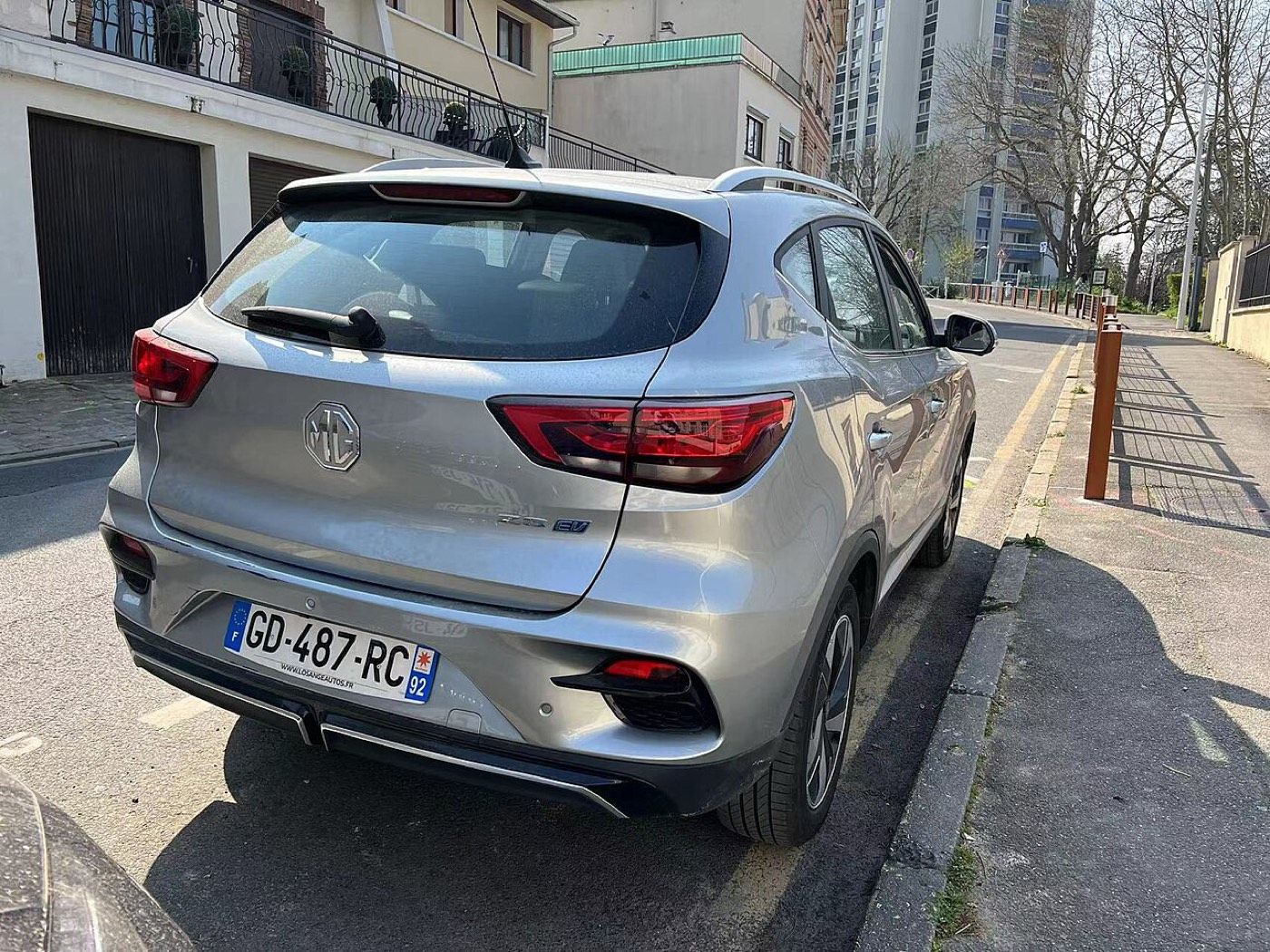
- MG Motor ZS EV ₹17.99 lakh
- BYD Atto 3 ₹24.99 lakh
- Volvo EX30 ₹41.9 lakh
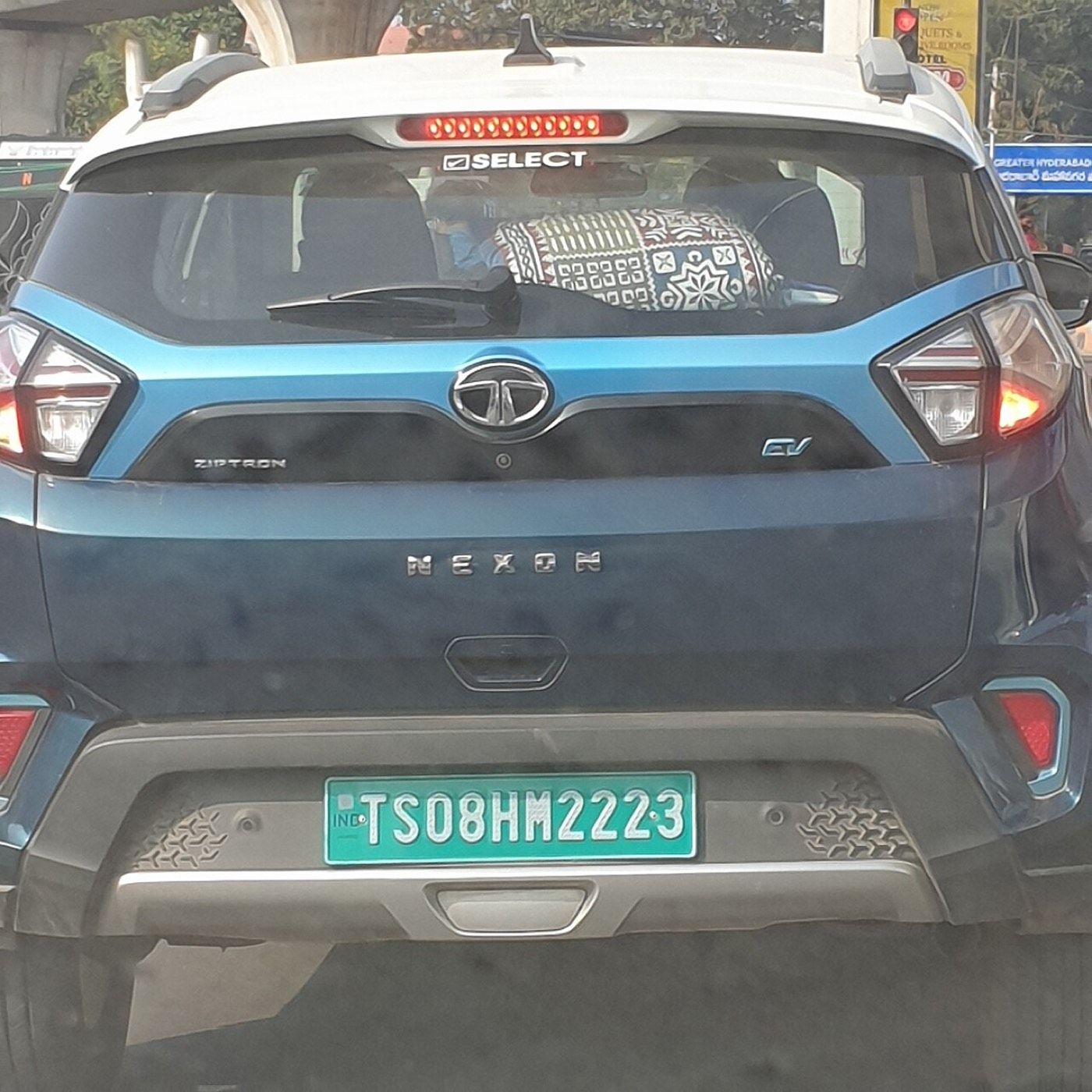
- Tata Motors Nexon EV ₹12.49 lakh

Editor & Publisher
BYD has revised the Atto 3’s ex-showroom prices down by ₹1.00 lakh at every one of the four variants in the unverified listing, and the result is a range that now reads Boost ₹23.99 lakh, Comfort ₹24.49 lakh, Shine ₹24.99 lakh and Shine+ ₹25.99 lakh in the revision’s sheet. Those figures sit below the ₹24.99-26.99 lakh band MotoSutra’s catalogue currently records for the Atto 3, and the listing has yet to carry the updated sheet. Nothing else on the car has moved: the 60.5 kWh battery, the claimed 521 km, the 201 bhp and 310 Nm motor, the 29-minute 0-80 percent charge window on a 140 kW DC charger, the seven airbags and the five-star Euro NCAP adult score are exactly the specification our review page is written against.
The shape of the cut is the story a pricing analyst reads first. An identical ₹1.00 lakh reduction at all four steps is not discounting, which selects variants; it is a re-based sheet, and the company note’s framing — input-cost economics and festival-season positioning rather than a promotion — matches the arithmetic. It is also the second electric-SUV repricing of the year in this catalogue’s memory: Tata moved the Nexon EV in June on the same battery-cost argument, and when two brands two price brackets apart revise downward for the same structural reason, the reason is real.
What ₹1.00 lakh actually buys the market
The Atto 3’s recorded position was always awkward: better hardware than its price suggested, and a worse ownership case than its hardware deserved. Service-network depth, spares lead times and used-value confidence for an imported-brand electric car are the open questions our listing states plainly, and the 175 mm of ground clearance marks it as town-slick rather than rough-road tall. A flat lakh off does not touch any of those; what it does is sharpen the comparison table. At ₹23.99 lakh in revised terms, the entry Atto 3 is now within ₹1.50 lakh of the ZS EV’s top Experience variant as our catalogue lists it, and the Atto 3 brings 10 kWh more battery, a 60 km longer claim and a charge time twenty-one minutes quicker.
In its revision note, BYD attributed the cut to economies of scale in localised manufacturing and falling input costs, and confirmed no change to specification or warranty; the note framed the move as competitive economics rather than seasonal discounting, and the across-the-board shape is the evidence it offers.
For a buyer cross-shopping petrol SUVs at ₹25 lakh, the cut widens a gap that was already the Atto 3’s best argument: 310 Nm from zero rpm against a turbo-petrol’s 350 Nm arriving at 1,500, the ~29-minute coffee stop against a fuel stop every five hundred kilometres, and a heat-pump climate system and vehicle-to-load output the combustion alternatives in the money band simply do not offer.
The question the sheet does not answer
Where a price cut lands depends on what the old price was protecting, and the honest catalogue answer is resale confidence — the same line item every EV repricing subtracts from last year’s owners. Our guidance across the electric listings has been consistent: with air conditioning and Indian traffic, plan around 60-70 per cent of a claimed range, which puts this car’s real-world highway number well below its 521 km certificate regardless of what it costs.
So the cut is meaningful but narrow. The Atto 3 was the most complete hardware package in its money band before Thursday and remains it after, with the same unproven network behind it; what has changed is that the discount is now permanent and the entry price has crossed below ₹24 lakh in a catalogue where that number still separates the electric cars people shortlist from the ones they merely admire.
Frequently asked questions
What is the Atto 3 priced at now?
This revision’s sheet reads Boost ₹23.99 lakh, Comfort ₹24.49 lakh, Shine ₹24.99 lakh and Shine+ ₹25.99 lakh, all ex-showroom — a ₹1.00 lakh reduction at each step. MotoSutra’s catalogue listing still records the previous band of ₹24.99-26.99 lakh, so the revised sheet has yet to carry into it.
Did anything change on the car itself?
No. The 60.5 kWh battery, the claimed 521 km of range, the 201 bhp and 310 Nm motor, the roughly 29-minute 0-80 percent DC charge on a 140 kW charger, the seven airbags and the five-star Euro NCAP adult score all carry over unchanged, per the revision note.
Why the cut now?
The same structural logic that moved the Nexon EV’s price earlier this year: falling cell costs and localising assembly turn savings into list-price reductions. BYD’s note frames it as competitive pricing ahead of the festival season rather than a promotion, and the ₹1.00 lakh across-the-board shape supports that reading.
Does a price cut hurt resale?
It hurts the resale of the units sold at the old prices, which is the honest trade every cut represents. It does not change the running-cost case: an Atto 3 bought on the revised sheet is the same 1,750 kg car with the same warranty terms and the same charging curve.