Buying guide
Best cars under ₹10 lakh in 2026: six picks that quietly beat the budget segment
A five-star hatchback, a micro-SUV with more boot than several compacts, and the equipment champion all live under ₹10 lakh in this catalogue. Here is how the six rank, and what each one costs you.
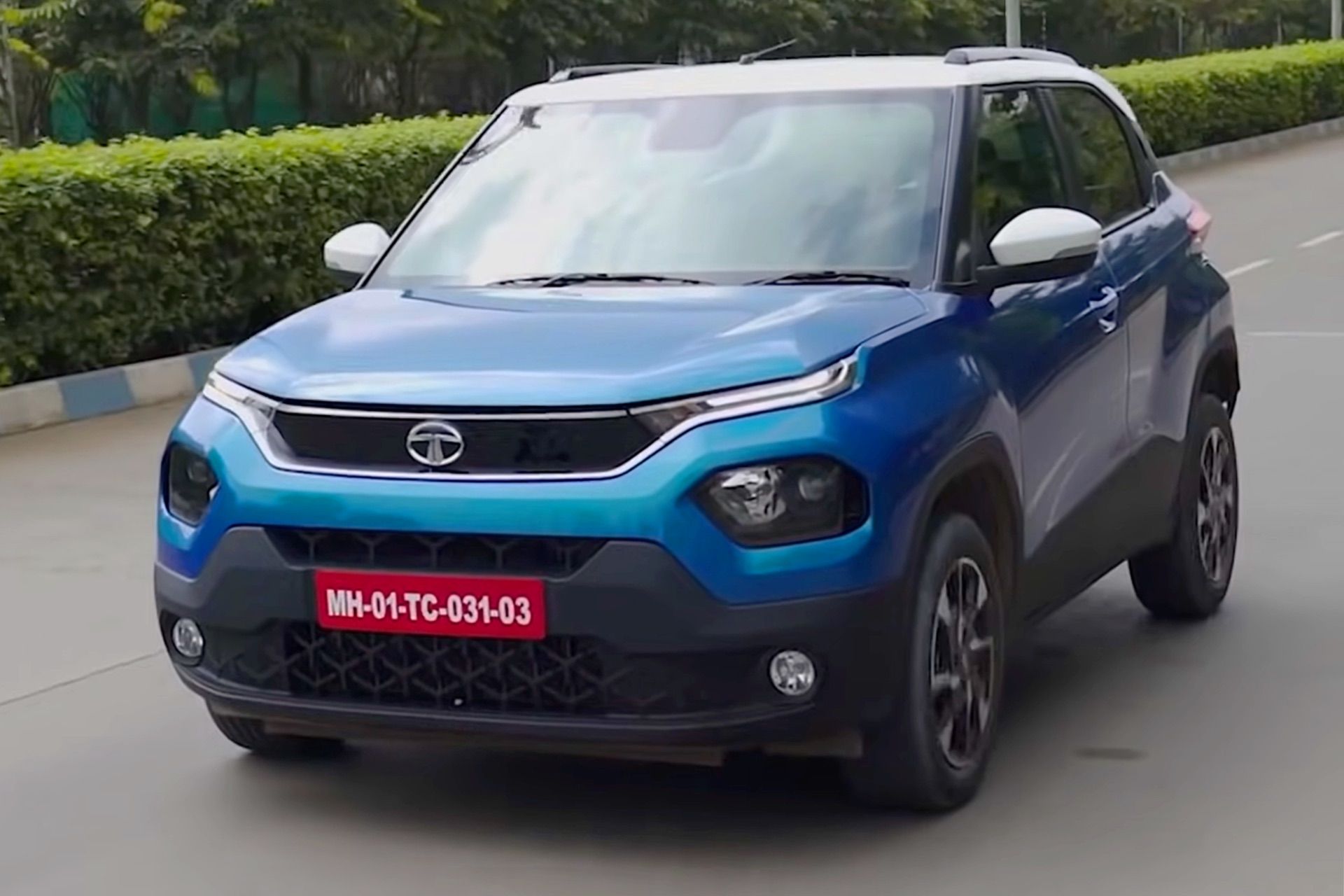
- Tata Motors Punch ₹5.75 lakh
- Maruti Suzuki Baleno ₹6.1 lakh
- Tata Motors Altroz ₹6.19 lakh
- Hyundai i20 ₹5.99 lakh
- Tata Motors Tiago ₹5.39 lakh

Editor & Publisher
In order, on the numbers
The ranked picks
-
₹6.19 lakh - ₹9.15 lakh
A five-star Global NCAP adult score with six airbags standard on every variant from ₹6.19 lakh, a 345-litre boot, a claimed 20 kmpl and, on paper, a highway demeanour that settles like a bigger car. The 86 bhp engine is modest and the rear bench is tight for three adults.
- Mileage 20 kmpl
- Power 86 bhp
- Engine 1199 cc
-
₹5.84 lakh - ₹8.96 lakh
A claimed 25 kmpl from a 966 kg car and the segment benchmark for resale — MotoSutra estimates mixed driving at 16-19 kmpl. Six airbags and stability control start at the ₹7.41 lakh ZXi, and the structure carries a two-star adult score here, so buy the ZXi or above.
- Mileage 25 kmpl
- Power 79 bhp
- Engine 1197 cc
-
₹5.75 lakh - ₹8.69 lakh
₹5.75 lakh buys the same five-star structure as the Nexon, 187 mm of ground clearance and a 366-litre boot. The 87 bhp engine makes an overtake a planned event, and six airbags stop at the upper variants.
- Mileage 18 kmpl
- Power 87 bhp
- Engine 1199 cc
-
₹5.99 lakh - ₹9.6 lakh
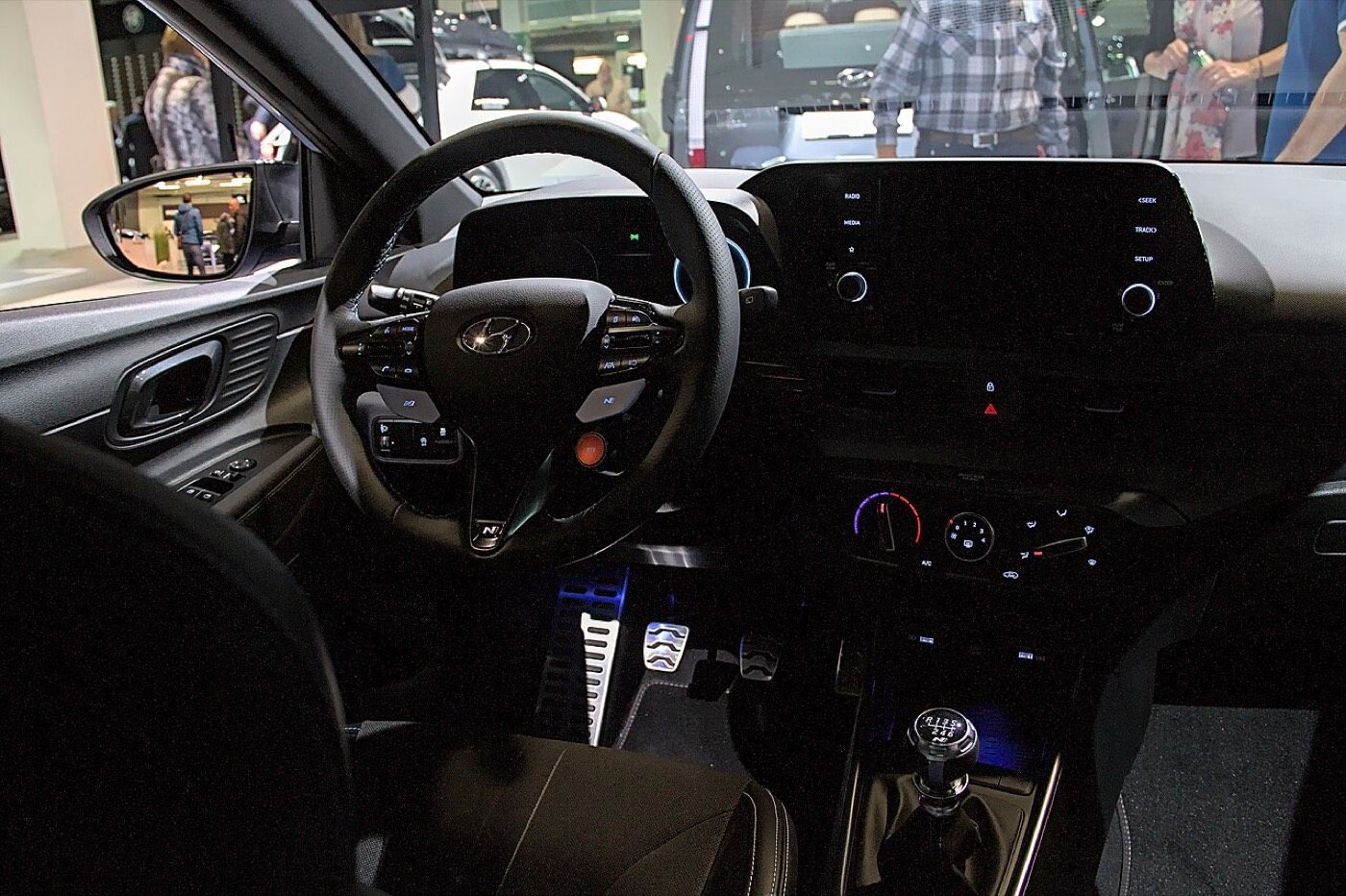
The best features score in this catalogue for a hatchback, with a 10.25-inch screen, ventilated seats and a factory CNG variant at ₹8.69 lakh, plus a claimed 24 kmpl. Six airbags and stability control are standard, but the two-star crash score means the equipment list flatters the structure.
- Mileage 24 kmpl
- Power 83 bhp
- Engine 1197 cc
-
₹6.1 lakh - ₹8.8 lakh
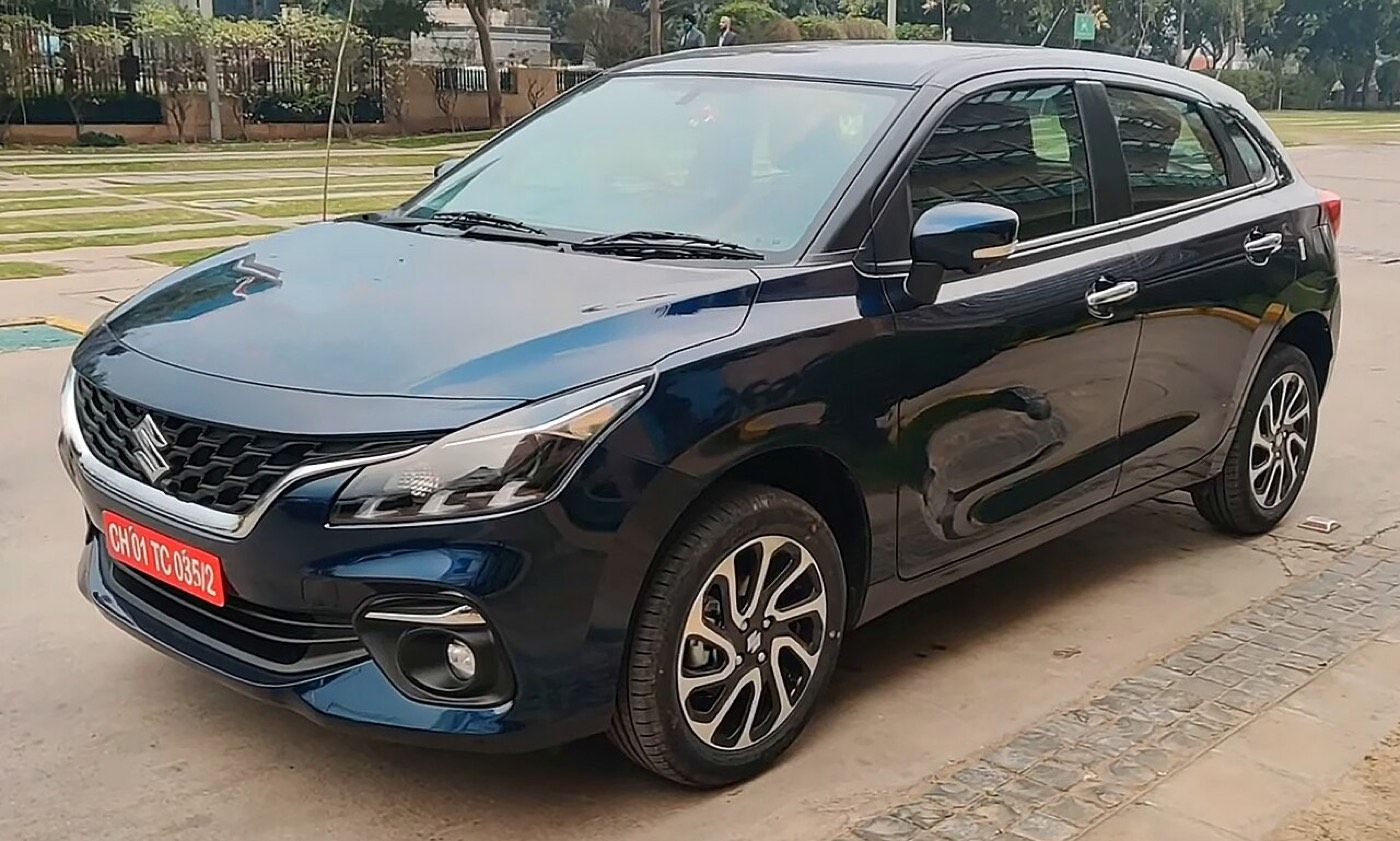
A 318-litre boot that beats several costlier sedans and 89 bhp, the most power here without a turbo, from ₹6.10 lakh. The three-star adult score is the segment middle path and the base Sigma is plainly equipped, so the money is in the Zeta and above.
- Mileage 23 kmpl
- Power 89 bhp
- Engine 1197 cc
-
₹5.39 lakh - ₹7.3 lakh
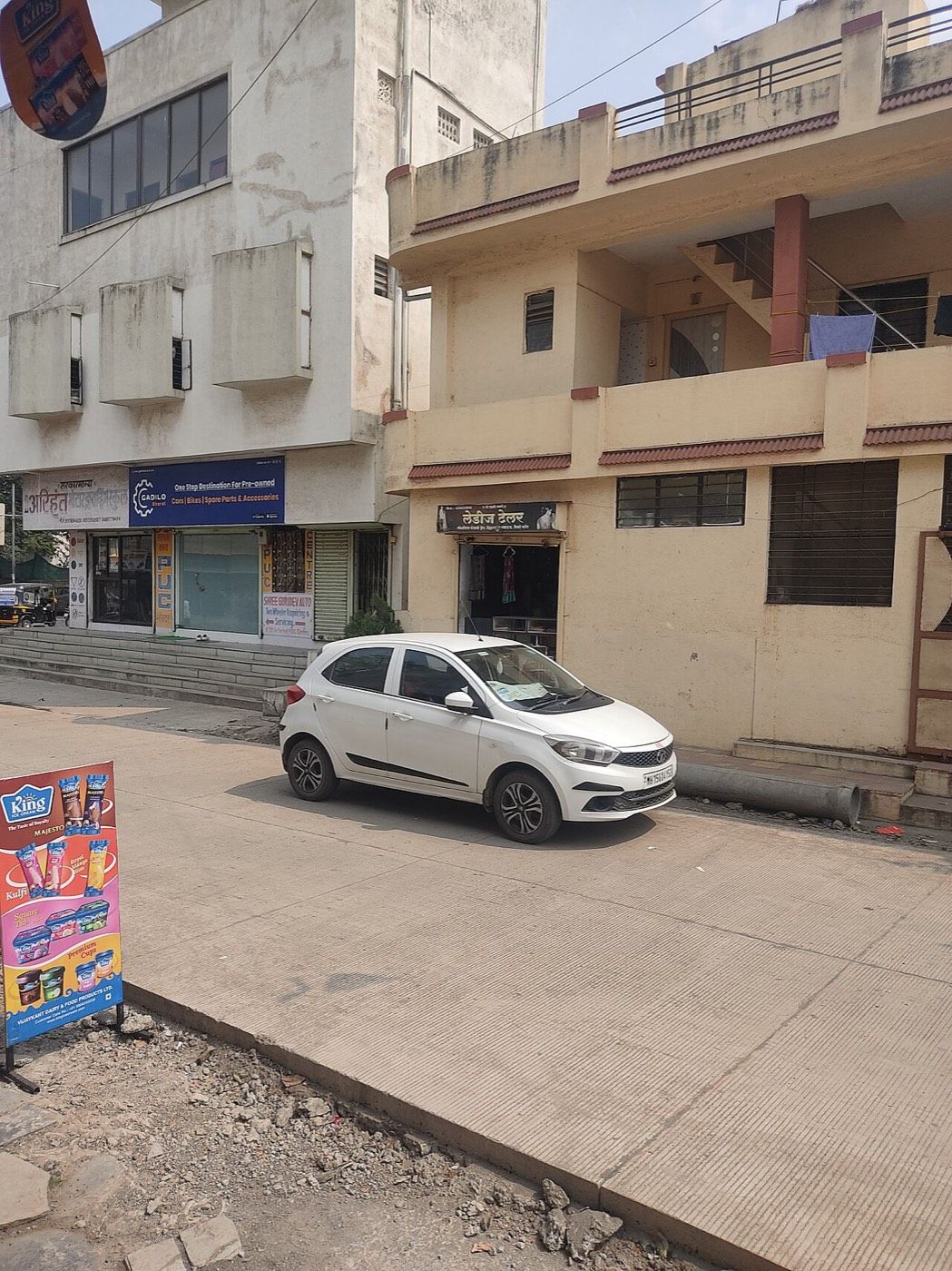
₹5.39 lakh buys a four-star Global NCAP adult (BMP) score, a claimed 22 kmpl and a small, light body that suits a first car or a city second car. The 254-litre boot is the smallest here and only dual airbags are standard across the range.
- Mileage 22 kmpl
- Power 85 bhp
- Engine 1199 cc
₹10 lakh is the most important number in the Indian car market, and in this catalogue it no longer buys a small car. It buys a hatchback with a five-star crash structure, a micro-SUV with more boot space than several compacts, and a Hyundai cabin that would not embarrass a car twice the price. These six are ranked the way the segment is actually bought: what it costs to run, what happens in a crash, what fits in the boot, and how the price in the brochure survives the option list.
Three caveats before the list. Every figure is ex-showroom Delhi NCR at the variant named, and on-road money moves each of these up by roughly a lakh. Every mileage claim is a laboratory number, and MotoSutra’s estimates across the catalogue sit a quarter down on the claim in city traffic. And MotoSutra has driven none of these cars — the ranking is a value judgement read off the specification, not a measurement: the number one spot is the car we would buy, not the car with the best spec sheet.
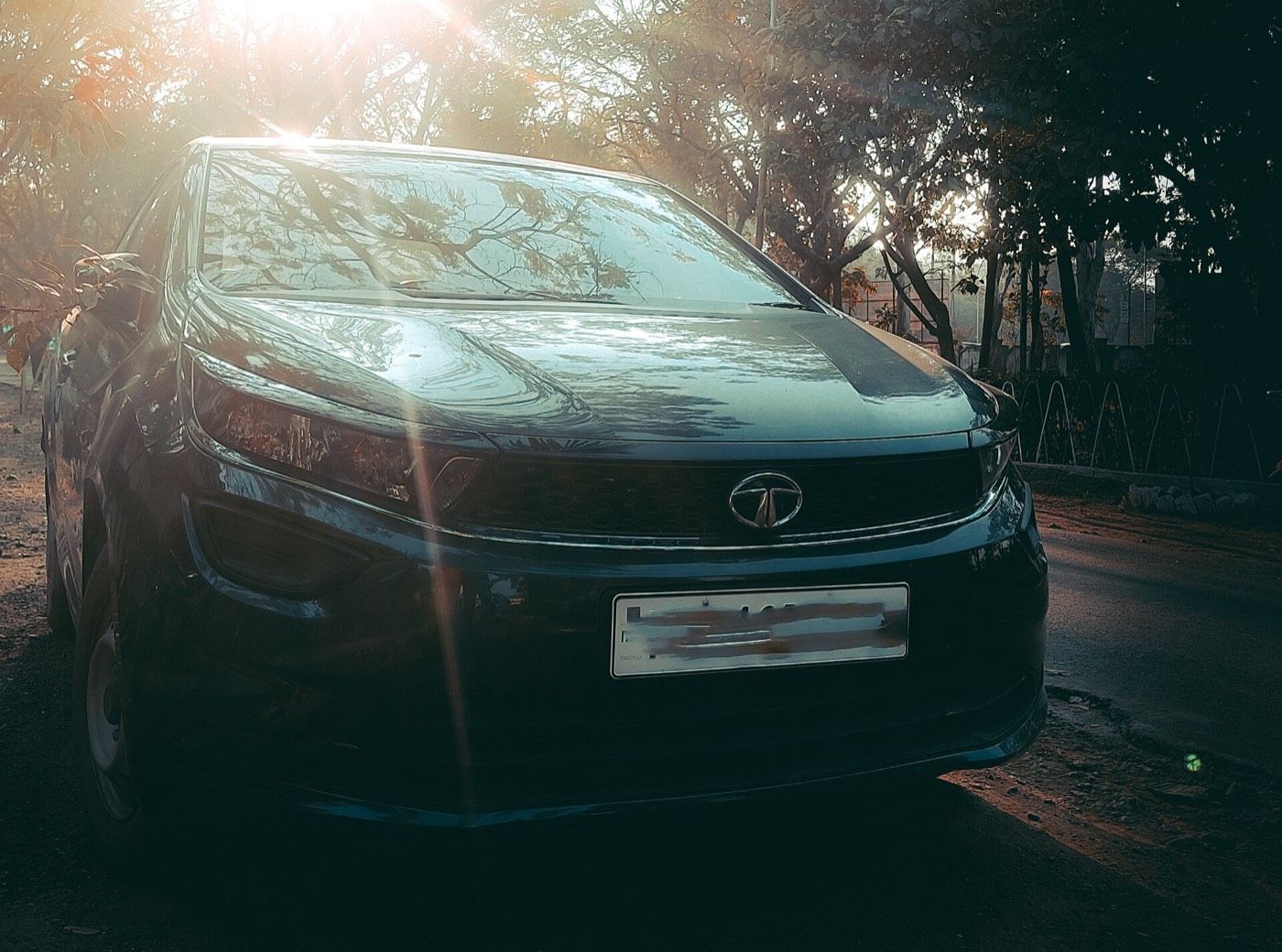
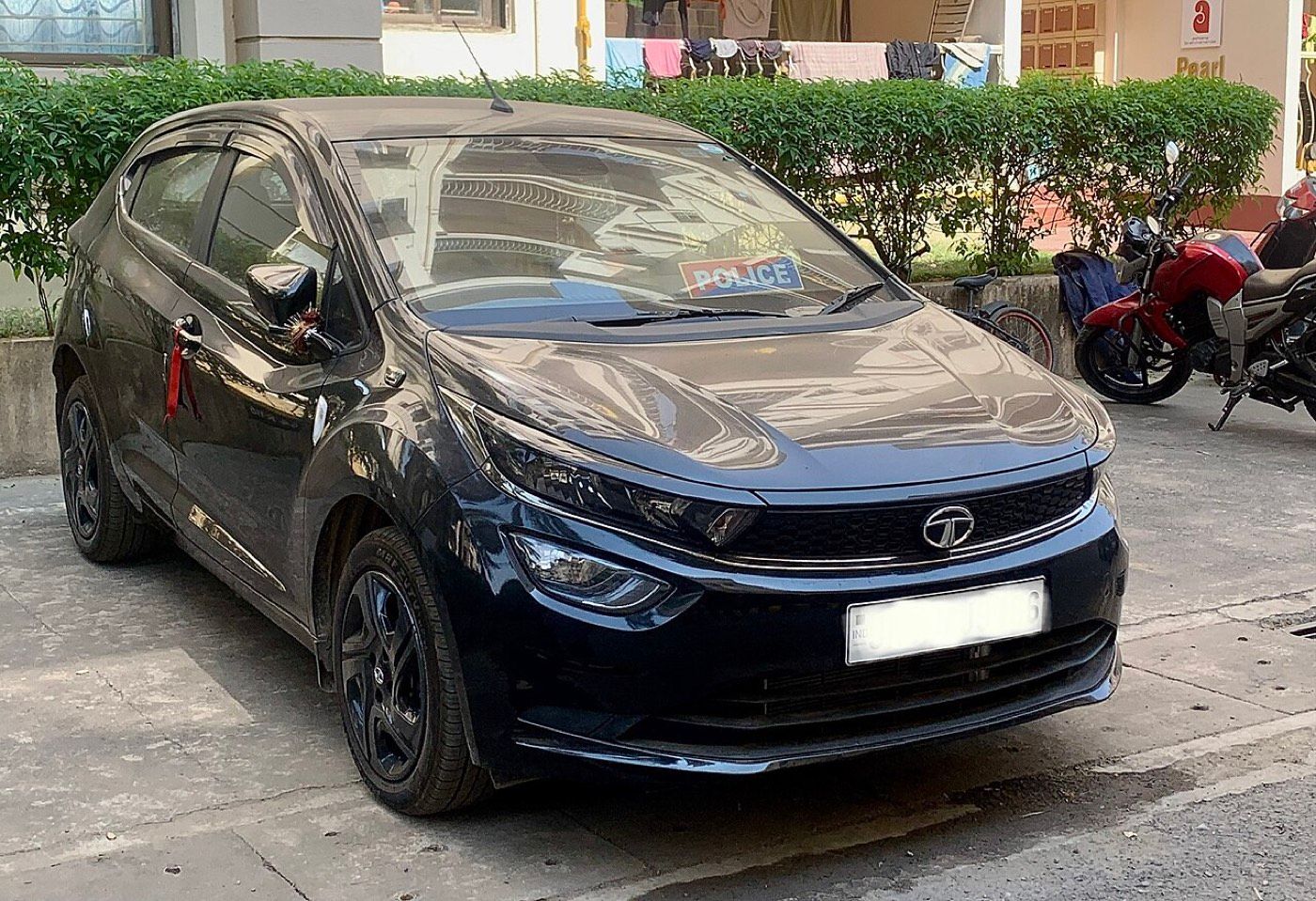
1. Tata Altroz — the one to beat
The argument starts with the shell. A five-star Global NCAP adult score with six airbags, ABS with EBD and stability control fitted from the ₹6.19 lakh base Smart upward is still more crash protection than any other car here can quote, and the structure is the line buyers read before anything else. Behind that, the 345-litre boot is at the top of the hatchback class, the i-CNG variant at ₹8.39 lakh lets a high-mileage driver cut running costs without leaving the safety shell, and MotoSutra rates its highway calm, on paper, among the best of the bracket.
What it gives up is spark and width. The 86 bhp 1.2-litre three-cylinder is adequate, the rear bench is tighter for three adults than a Baleno’s, and the cabin is well built but visually plain against the Hyundai. If one number on the sticker matters more than all the others, this is still the car the others are measured against.
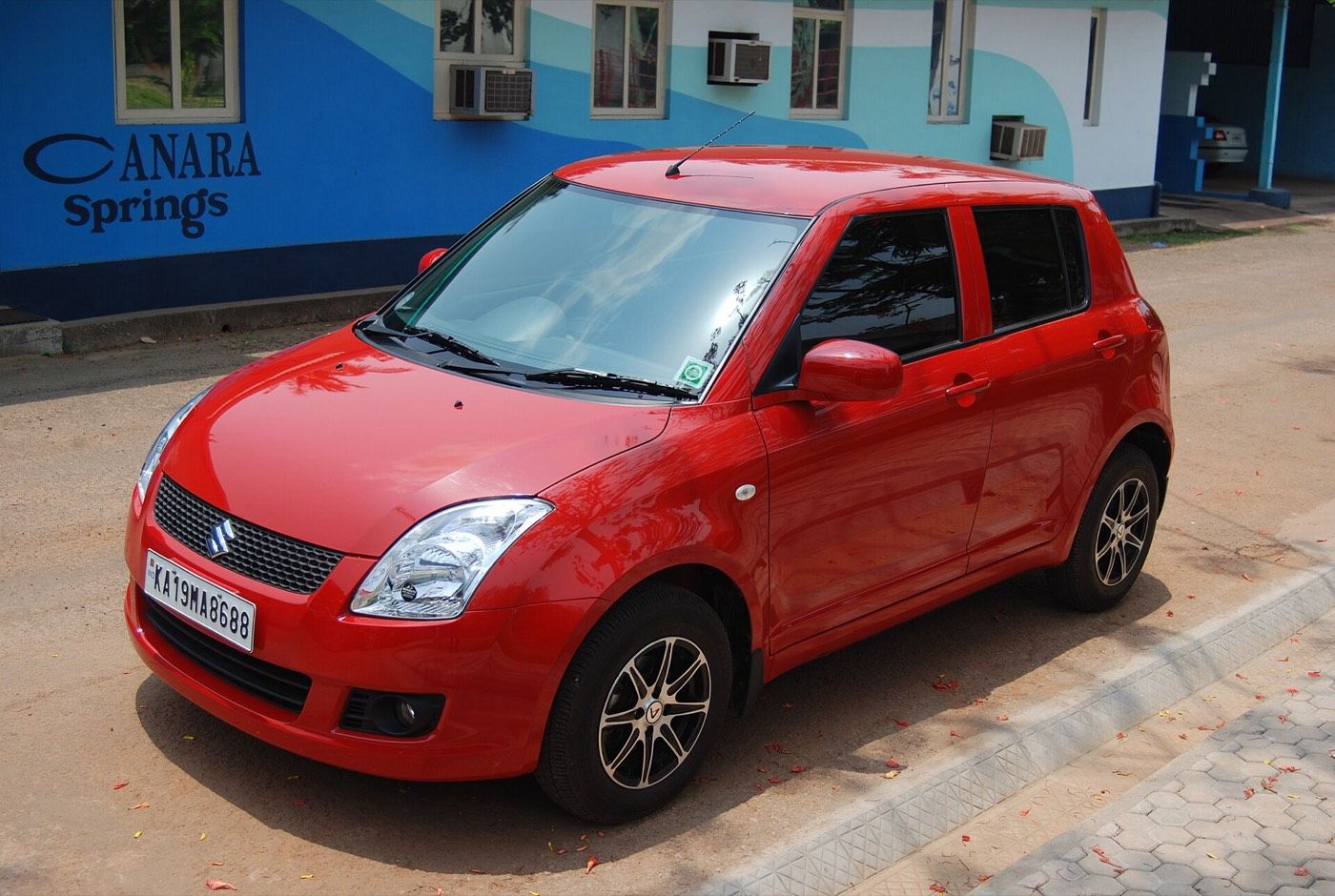
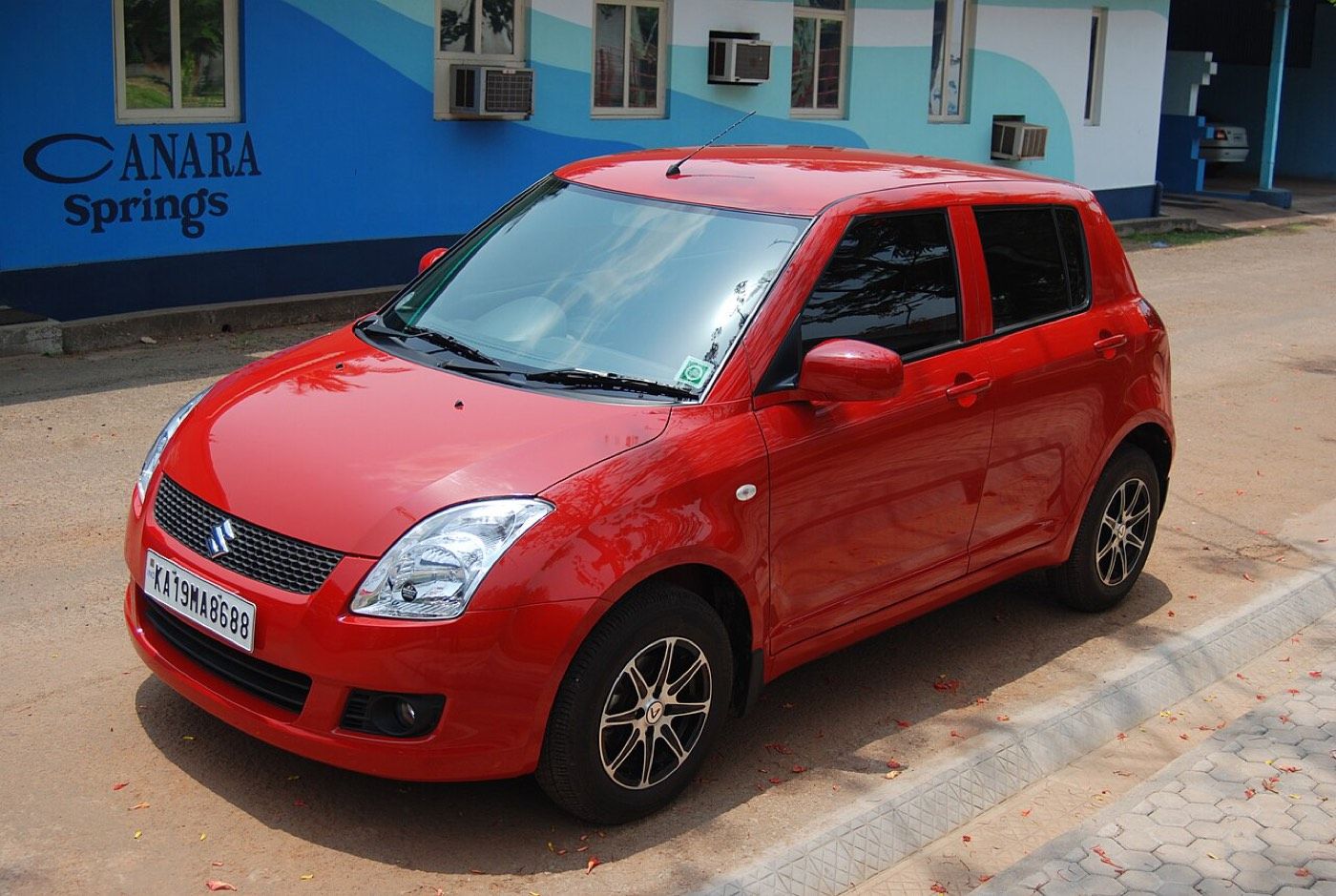
2. Maruti Suzuki Swift — the ownership answer
The Swift wins the boring argument. The 1.2-litre 79 bhp petrol claims 25 kmpl, the 966 kg body makes that claim reachable on an expressway, MotoSutra estimates 16-19 kmpl in mixed use, and nothing in this bracket is cheaper to service or easier to sell. From ₹5.84 lakh it is the default first car for a reason.
The asterisks are structural. Six airbags and stability control only arrive at the ₹7.41 lakh ZXi in this listing, and the car carries a two-star adult score regardless, which is the number the Tata alternatives exist to embarrass. The mid-spec manual is the sensible buy; the AMT is worth it only if the commute is brutal.
3. Tata Punch — the hatchback-price SUV
₹5.75 lakh buys the same five-star structure as the Nexon, 187 mm of clearance that makes speed breakers a non-event on paper, and a 366-litre boot that is honestly sedan-sized. For a great many households the real choice is between a Punch and a hatchback, and on road position, space and structure there is no contest.
The cost is effort. The 87 bhp engine runs out of interest beyond 80 km/h, a loaded overtake needs a run-up and a downshift, the cabin is hard plastic throughout, and six airbags stop at the upper variants. Buy for the structure and the clearance, not for the price.
4. Hyundai i20 — the equipment champion
The i20 keeps adding until it nearly catches compact SUVs on price and beats them on the options list: dual screens, ventilated seats, wireless charging, a claimed 24 kmpl and a CNG factory variant at ₹8.69 lakh. Six airbags and stability control are standard across the range, which is the honest headline.
The honest sub-headline is the two-star adult score that the standard crash kit cannot fix. This is a buy-what-you-touch car, and it ranks fourth in a list where two cars can promise you more buy-what-you-hit protection.
5. Maruti Suzuki Baleno — the sensible big one
At 3,990 mm and with a 318-litre boot, the Baleno does sedan duty for a family of four on a hatchback budget, and its 89 bhp is the most power here without a turbo. The three-star score sits ahead of the i20 and Swift on structure and behind both Tatas, and from ₹6.10 lakh the Zeta and above are where the value lives.
6. Tata Tiago — the entry point
The Tiago is what ₹5.39 lakh actually buys in 2026: a four-star adult (BMP) score, a claimed 22 kmpl and the smallest, lightest package here for a new driver to manage. The 254-litre boot is shopping-bag territory and airbags are dual across the range here, but as a first car or a city runabout it answers the budget without embarrassment.
Frequently asked questions
Which car under ₹10 lakh is the best buy?
The Altroz, because in this catalogue it is the only car in the bracket that pairs a five-star adult crash score with six airbags on every variant, a large boot and, on paper, a settled highway ride. The Swift overtakes it on running costs and resale if that is what decides the budget.
Does any car under ₹10 lakh get ADAS in India?
Not in this catalogue. The cheapest car here with a Level-2 driver-assistance suite is the Verna SX(O) Technical at ₹17.20 lakh. Anything sold under ₹10 lakh and described as having ADAS is, at best, a reversing camera with good marketing.
Which of these is available with CNG?
Three of the six carry a factory CNG variant in this listing: the Tiago Accomplished i-CNG at ₹6.89 lakh, the Altroz Accomplished i-CNG at ₹8.39 lakh and the i20 Asta CNG at ₹8.69 lakh. All three quote their economy in km per kilogram rather than kmpl, and our CNG explainer covers the break-even maths.
Are these prices on-road?
No. Every figure here is ex-showroom Delhi NCR at the variant named, and on-road cost adds registration, insurance and dealer charges. The top variants listed all sit under ₹10 lakh ex-showroom, but the top AMT trims cross that line on the road.