Car comparison
Altroz vs i20: the crash score and the feature sheet
Tata sells the safest hatchback India has built; Hyundai sells the best-equipped one. They overlap almost exactly on price, which forces the only question this comparison actually contains: what do you want in a five-year plan?
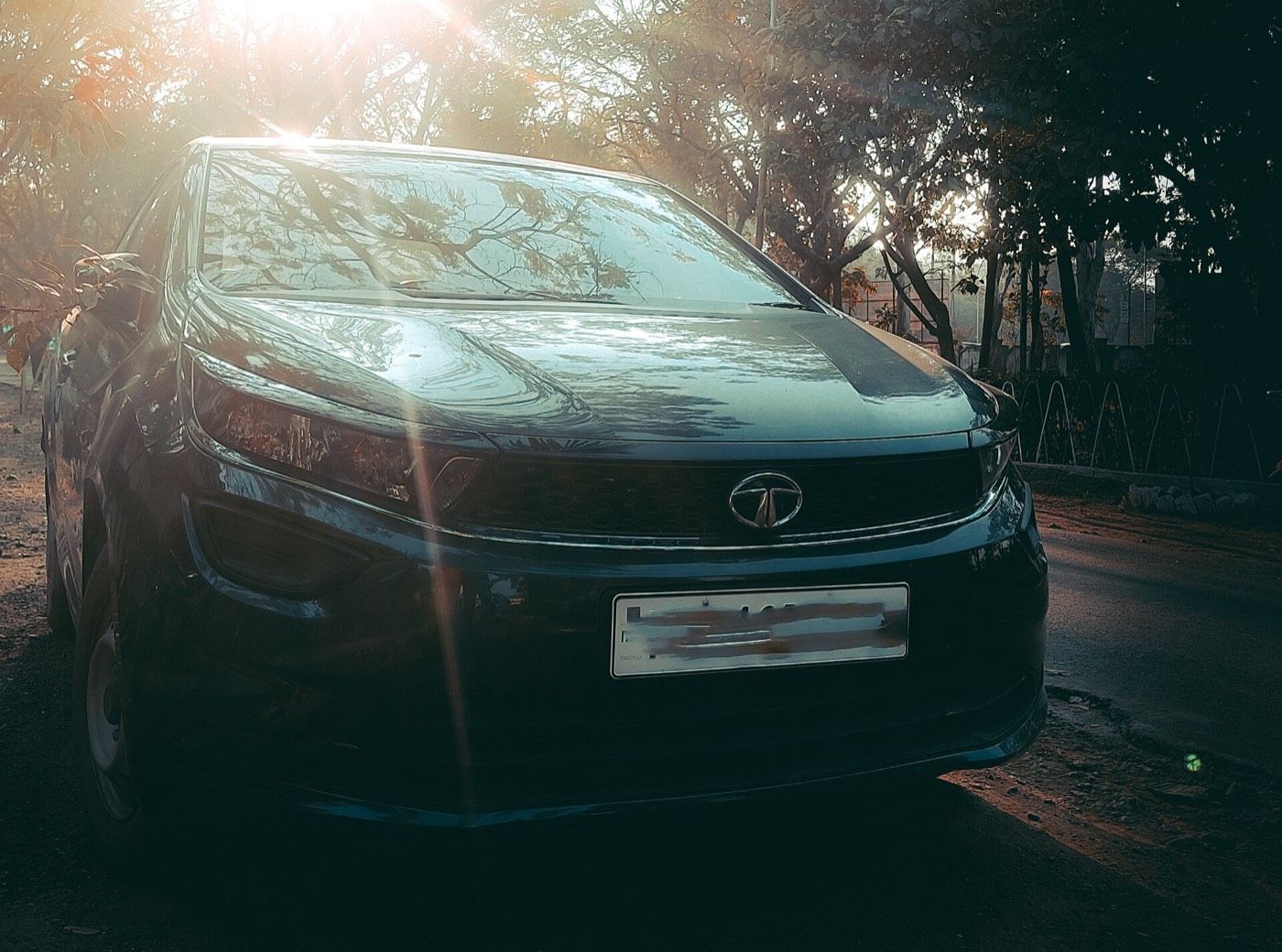
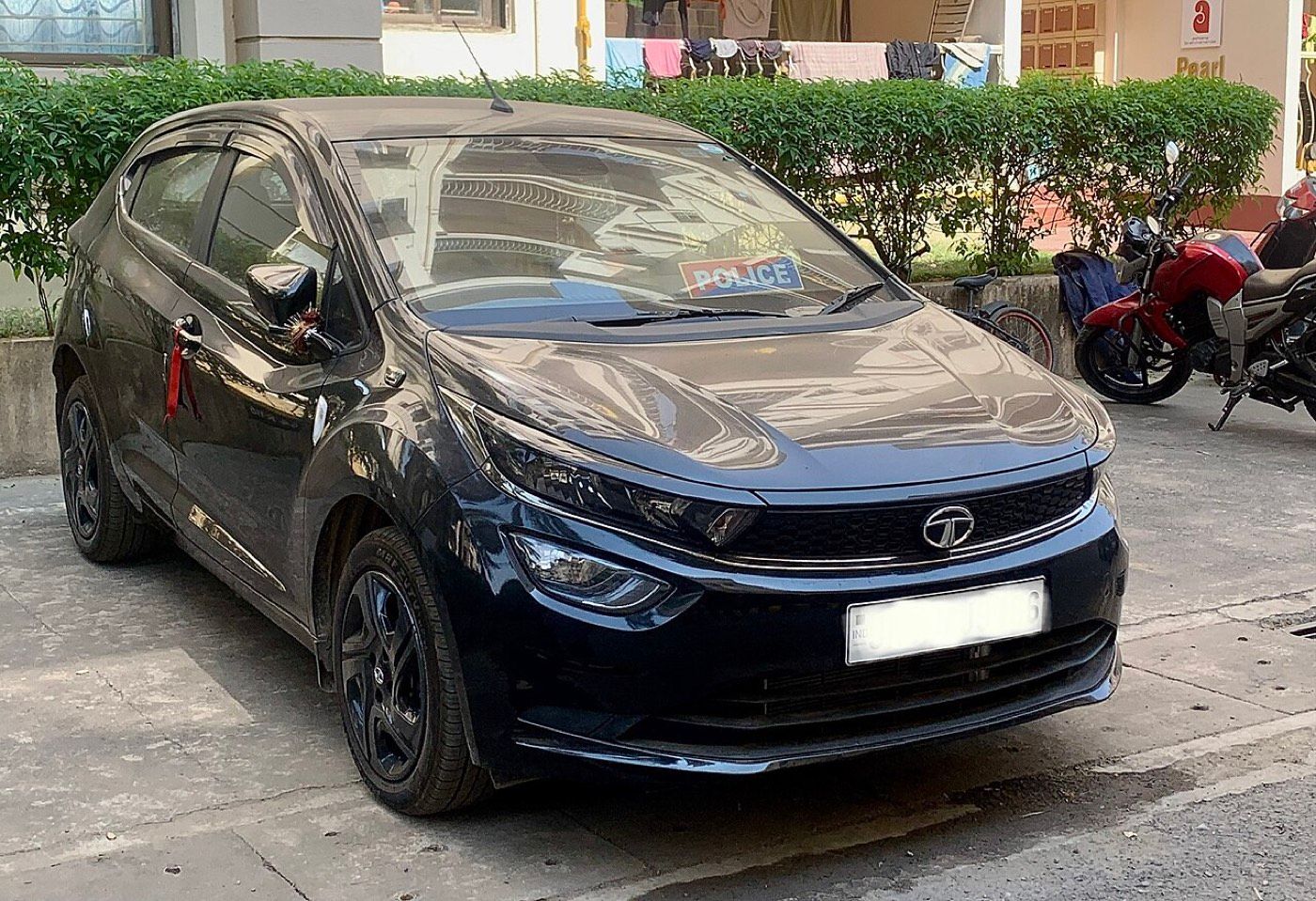
- Tata Motors Altroz ₹6.19 lakh
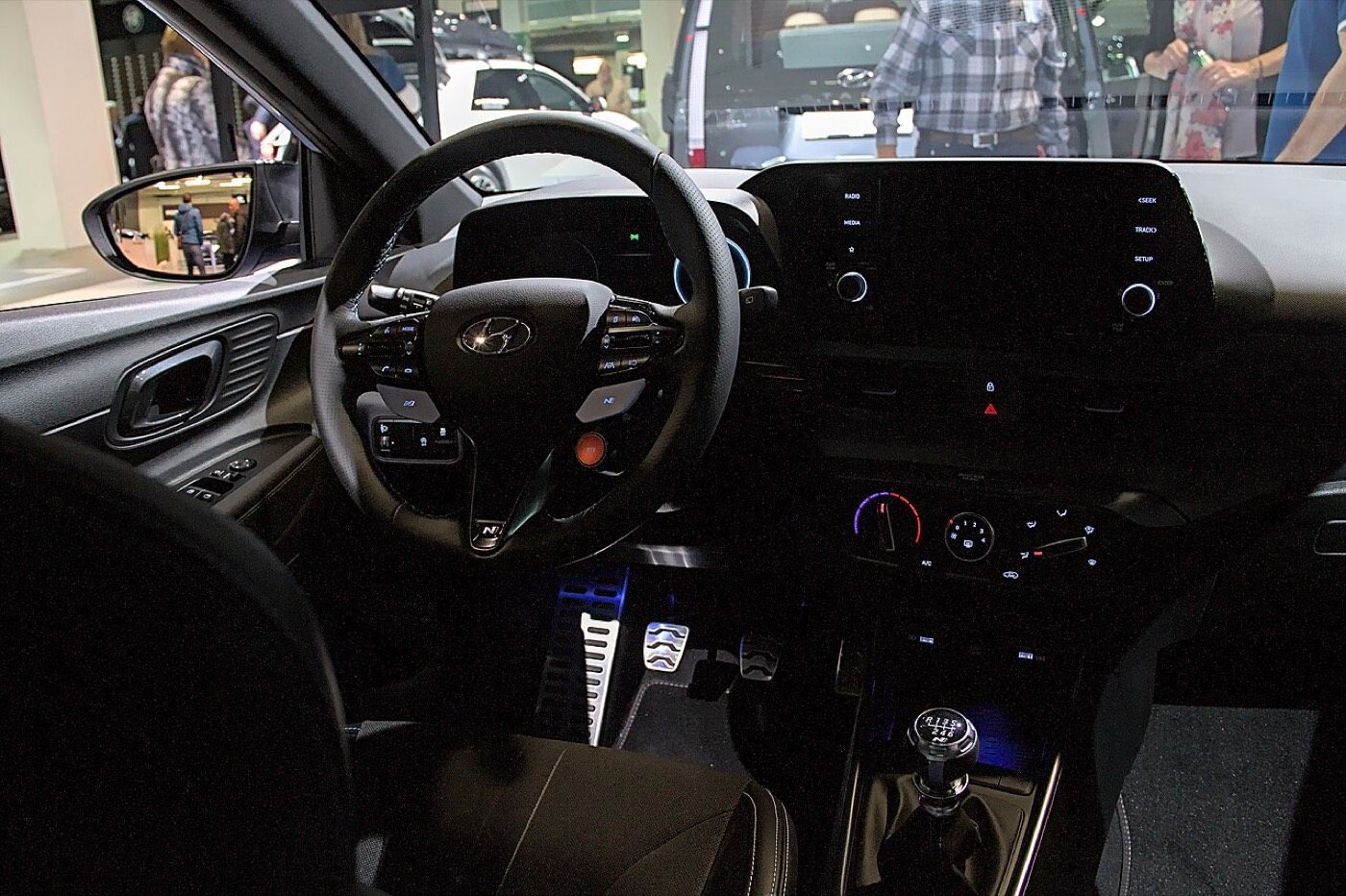
- Hyundai i20 ₹5.99 lakh

Editor & Publisher
Head to head
- Entry price Hyundai i20 The i20 Era starts at ₹5.99 lakh against the Altroz Smart at ₹6.19 lakh ex-showroom Delhi NCR — with six airbags and stability control standard on both.
- Top-spec price Tata Motors Altroz ₹9.15 lakh for the Altroz Accomplished AMT against ₹9.60 lakh for the i20 Asta(O); the Hyundai adds equipment, the Tata does not pretend to.
- Structural safety Tata Motors Altroz Five-star Global NCAP adult score against two-star. This is the whole argument of the comparison, and it is not close: 4.9 against 2.8 on this catalogue’s safety axis.
- Boot space Tata Motors Altroz 345 litres against 311, and a wider opening. Forty-four litres is a weekend without folding anything.
- Claimed mileage Hyundai i20 24 kmpl for the i20’s 1.2-litre four against 20 for the Altroz’s three; MotoSutra estimates 15-17 in city use for the Hyundai and 13-15 for the Tata.
- Cabin and equipment Hyundai i20 Dual 10.25-inch screens, ventilated seats, wireless charging and Bluelink on the Asta(O). This book scores features 4.6 against the Altroz’s 4.1.
- Engine character Even 86 bhp and 113 Nm from 3,300 rpm for the Tata; 83 bhp and 114 Nm from 4,250 for the Hyundai. The Altroz pulls earlier, the i20 spins longer; neither is quick.
| Specification | Tata Motors Altroz ₹6.19 lakh | Hyundai i20 ₹5.99 lakh |
|---|---|---|
| Ex-showroom price | ₹6.19 lakh | ₹5.99 lakh |
| Engine | 1199 cc | 1197 cc |
| Power | 86 bhp | 83 bhp |
| Torque | 113 Nm | 114 Nm |
| Mileage | 20 kmpl | 24 kmpl |
| Top speed | 165 kmph | 165 kmph |
| Gearbox | Manual / Automatic | Manual / Automatic |
| Kerb weight | 1130 kg | 1050 kg |
| Seating | 5 | 5 |
| Boot space | 345 litres | 311 litres |
| Safety | 5 stars | 2 stars |
| Body type | Hatchback | Hatchback |
| Status | Available | Available |
| Categories won | Tata Motors Altroz wins 3 of 13 | Hyundai i20 wins 4 of 13 |
Only specifications present in both records are listed. figures without a named source document are unverified motosutra catalogue estimates, not official specifications. confirm current numbers with the manufacturer.
These two hatchbacks are the clearest example in the Indian market of buyers being asked to rank two different definitions of “better car.” The Altroz is an engineering argument: a wide, heavy, five-star body around a three-cylinder engine that Tata declines to dress up. The i20 is a specification argument: Hyundai piling screens, comfort and connected features onto a light, economical four until the options list embarrasses cars twice the price. They enter at ₹6.19 lakh and ₹5.99 lakh respectively and top out within ₹45,000 of each other, which means no price tier resolves the disagreement. Only the buyer does.
How they drive, which is closer than the sheets suggest
On paper the engines cancel out: 86 bhp and 113 Nm for the Altroz’s 1.2-litre three, 83 bhp and 114 Nm for the i20’s 1.2 four. MotoSutra has driven neither car, so everything below is a reading of the documented specification rather than a test log. The interesting difference is where the torque lives. The Tata’s 113 Nm arrives at 3,300 rpm, so on the ratio list it should take the next gear change in city traffic before you ask; the Hyundai’s 114 waits until 4,250, which means the i20 is a more willing revver and a less tractable commuter, and the four’s smoother configuration partly buys its way out of that. Neither is quick in any absolute sense; the numbers say both will do the highway at 110 without drama and need a clear view and a downshift to pass at a triple digit.
The chassis measurements are quietly in the Tata’s favour where it counts. The Altroz sits wider and taller, on a 2,600 mm wheelbase against 2,580, and its extra 80 kg of kerb mass — 1,130 against 1,050 — is the kind of weight that settles a car at highway speed instead of leaving it to buzz at it, and the geometry implies a more grown-up ride over broken surfaces against the Hyundai’s softer, more easily busy set-up — though how each actually floats over a bad road is a question only a test drive can answer. The i20’s counter is the easier city drive: lighter steering, a tighter-feeling body despite being five millimetres longer overall, and the more friendly gearbox of the pair.
That gearbox is the one place Hyundai’s engineering clearly wins the purchase decision for automatic buyers. The Altroz’s AMT is city-friendly but telegraphs its age on inclines, shifts unhurriedly, and belongs to an older idea of what an automatic in this money is; the i20’s torque-converter-style unit takes the clutch out of traffic without the hesitancy, and is worth putting on the shortlist simply to feel the difference.
Space and the everyday arithmetic
The cabin story depends on which occupant you are. The i20’s interior is the better designed, better looking and far better equipped space — this catalogue’s 4.6 features score against the Altroz’s 4.1 is generous to the Tata, honestly, given what the Asta(O) carries: dual large screens, ventilated front seats, wireless charging, the Bluelink suite. The Altroz’s cabin is well fitted, visually plain, and argues for itself with fit-and-finish solidity and a door closure buyers notice before anything else.
For the rear bench the numbers argue with themselves: the i20 is nominally the wider car at 1,775 mm against the Altroz’s 1,740, yet Tata’s own cons list flags the bench as tight for three adults and MotoSutra’s honest read is that neither is a comfortable three-across vehicle — the Altroz answering with a taller greenhouse and the i20 with sheer width. The boot, though, is a hard number and it goes to the Tata: 345 litres against 311, and the shape swallows a family weekend without the parcel shelf being argued over.
Fuel is the hard number going the other way. The i20 claims 24 kmpl against the Altroz’s 20, and MotoSutra’s realistic-use band — 15-17 in city traffic for the Hyundai against 13-15 for the Tata — preserves the ordering. Over a five-year plan at 1,500 km a month that is a running-cost gap in the Hyundai’s favour measured in tens of thousands of rupees, and any Tata salesperson will tell you exactly that part of the story themselves.
The thing none of the above can outweigh
The Altroz carries a five-star Global NCAP adult score with six airbags standard from the ₹6.19 lakh base variant. The i20 carries a two-star score with the same six-airbag standard equipment. Everything else in this comparison is preference: screens against silence, AMT against torque converter, 345 litres against 24 kmpl. This is not. Two stars is the structure’s own result, not an equipment list’s, and a hatchback at this money in 2026 is bought for exactly the accident neither brochure discusses.
That does not make the i20 a bad car — it makes it a car whose purchase has to be made with that sentence read aloud. The five-star rating is worth 4.9 against 2.8 on this book’s safety axis, and for a household’s only car it outweighs the equipment gap for most buyers we would advise.
Which one to buy
Buy the Altroz if this is the family’s main car, if anyone you love rides in it regularly, or if the boot gets used monthly rather than seasonally. Take the mid or top manual for value, the AMT only if the commute is brutal.
Buy the i20 if the equipment is the reason a car matters to you, if the mileage sheet decides arguments in your house, or if the automatic is a requirement rather than a preference — and then go and read the two-star line again before you sign, because it is the last thing the showroom will raise.
If neither can accept its answer, the same shelves carry the Maruti that splits the difference on economy and the compact SUVs that price dangerously close to the top Hyundai. The hatchback war in 2026 is not settled; it is just finally decided one at a time, by what each buyer can forgive.
The two models
Frequently asked questions
Which is the better car, the Altroz or the i20?
On the numbers that matter over a five-year ownership — crash structure, boot space, resale of utility — the Altroz, and the five-star against two-star Global NCAP safety record is the deciding line. On equipment, claimed economy and automatic refinement, the i20 is the nicer place to sit.
Is the i20 unsafe?
It carries six airbags, ABS with EBD and stability control as standard across the trims listed here, which is the equipment half of the question. The structure itself holds a two-star Global NCAP adult score in this catalogue, which is the other half, and it is behind both the Altroz and the Maruti hatchbacks at the money.
Which automatic should I buy?
If the choice is genuinely between these two, the i20’s torque-converter-style touch-automatic at ₹9.60 lakh is the smoother city gearbox than the Altroz’s AMT at ₹9.15 lakh, which telegraphs its age on inclines. If the AMT’s price advantage matters more, the Tata remains the safer car with the older transmission.
Do the CNG versions change the comparison?
Both are offered factory-fit — the Altroz Accomplished i-CNG at ₹8.39 lakh and the i20 Asta CNG at ₹8.69 lakh in this listing — and both keep their respective structures. For a high-mileage fleet decision the Altroz i-CNG adds the five-star shell; see the petrol-versus-CNG guide for the arithmetic.