Explainer
What is ABS? Why the anti-lock warning light is the last thing you want to see
Anti-lock brakes buy you the one thing a panic stop actually needs — a steerable car. What the system does mechanically, why the light means you are back to plain drums and physics, and where the entry-level hardware in our catalogue stops short.
- Royal Enfield Himalayan 450 ₹2.85 lakh
- Bajaj Dominar 400 ₹2.18 lakh
- TVS Jupiter 125 ₹78,000
- Royal Enfield Classic 350 ₹1.93 lakh
- Mahindra XUV700 ₹13.99 lakh

Editor & Publisher
Every inspection queue and highway workshop knows the light: the red circle reading ABS, burning in at start-up and staying there. Drivers carry on as if nothing changed. On a car from our catalogue, something significant did — the anti-lock function is off, and with it usually the stability control that rides on the same hardware.
What lock-up actually costs you
A tyre grips best when it is rolling with a little slip. Clamp the wheel hard enough that it stops turning while the car keeps moving, and two things happen at once. Sliding friction is lower than rolling grip, so the stop lengthens. And a locked, sliding wheel has no directional behaviour — the car follows its momentum and the camber, not the steering, and the front axle cannot be turned. The case for ABS rests on one fact about humans: maximum deceleration lives in a narrow band of pedal pressure that nobody can hold in the half-second of real danger.
The pump, the valves, the buzz
The fix is mechanical supervision. A toothed ring at each wheel hub passes a sensor, and the module watches how fast every wheel turns relative to the others and to the car. The instant one collapses toward zero rotation, the module closes a valve in that line, pressure at the caliper drops for a beat, the wheel spins back up, the valve reopens — a cycle the pump runs some ten to twenty times a second, which is the pulsing under your foot and the grind in the bulkhead. Your foot never leaves the floor; the system modulates between it and the wheel.
A quieter half of the job is threshold braking: the module pre-pressurises the hydraulics to take up pad clearance long before any wheel nears lock-up, so the first metres of the stop do braking rather than absorb pedal slack — part of why ABS stops beat the old slam-and-hope by more than the modulation cycle alone explains.
Why the extra metres on loose ground are the point
On dry, grippy tarmac ABS shortens the stop, holding each wheel at the edge of its adhesion. On gravel, wet mud or a standing film of water the physics inverts: a locked tyre ploughs material ahead of itself and stops by wedging, and a modulating tyre never builds that wedge. A genuine panic stop on a loose surface is therefore often longer with ABS than a lucky locked stop — the system keeping its end of the bargain: the wheel rolls, so you can still steer around the vehicle you stopped for. On Indian surfaces, wet paint on an expansion joint or sand swept across a service road, that option is the whole story, and the metres are a fair price.
Why the light means more than a dead safety feature
ABS measures wheel speed against what the car expects; stability control measures the same wheels plus a yaw sensor against where the driver is pointing. Both functions live in one module and drive one pump set, which is why an ABS light on these cars means the ESP sharing the hardware has gone too: unmodulated hydraulics, and no electronic correction for a sliding rear axle.
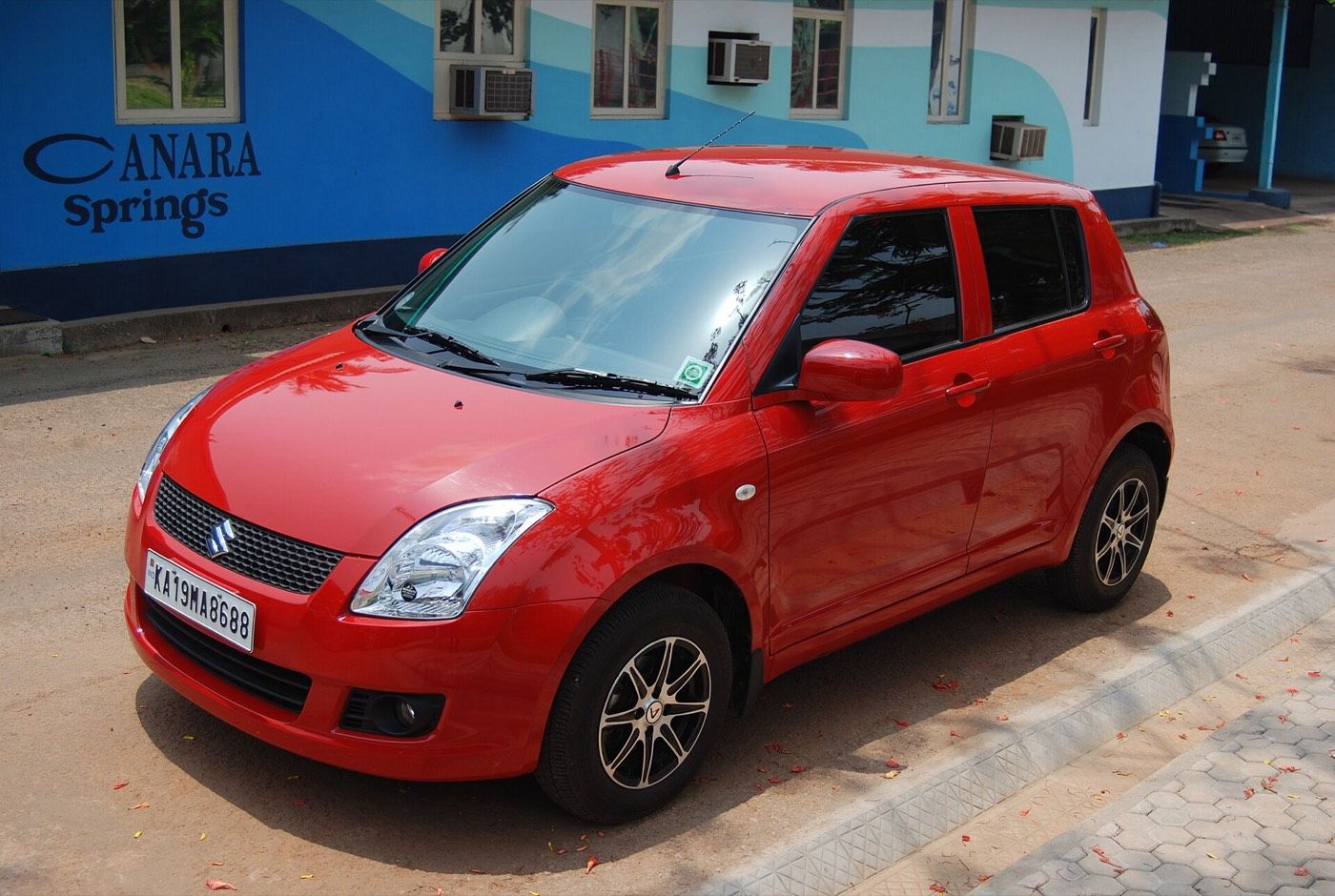
The second point of admission is EBD. Our catalogue lists it paired with ABS on every car record published — the Wagon R safety field reads simply ABS with EBD, while the Baleno and the ₹5.99-lakh Renault Triber add electronic stability control as standard, and the Swift caps the ladder at “six airbags, ESC and hill hold on top variants”. EBD meters rear braking against front during the dive of a stop, when the rear axle is lightest and closest to lock-up; without it, the module only reacts to a collapse already under way, and a fixed rear bias withholds grip from the loaded front tyres. Stopping on pressure reduction alone is running half a system.
Discs up front, drums at the back, and who cares
The brake fields in our records are blunt: the Swift, Baleno, Dzire, Brezza, Creta, Seltos, Hyryder and Punch are all listed ventilated disc front, drum rear. The all-disc club in this catalogue begins with the Skoda Kushaq from ₹10.34 lakh and takes in the Virtus, Harrier, Scorpio N and the XUV700 on 245/55 R19 tyres. Drums are not primitive — self-energising, cheap, excellent at parking force — but their grip is non-linear and heat-sensitive, which makes them the axle ABS works hardest to tame. On the drum-reared cars rolling 185/65 R15 tyres, the module is doing quiet compensating work; the part that strands you is the wheel-speed sensor, not the drum.
Two wheels: where the same light sits
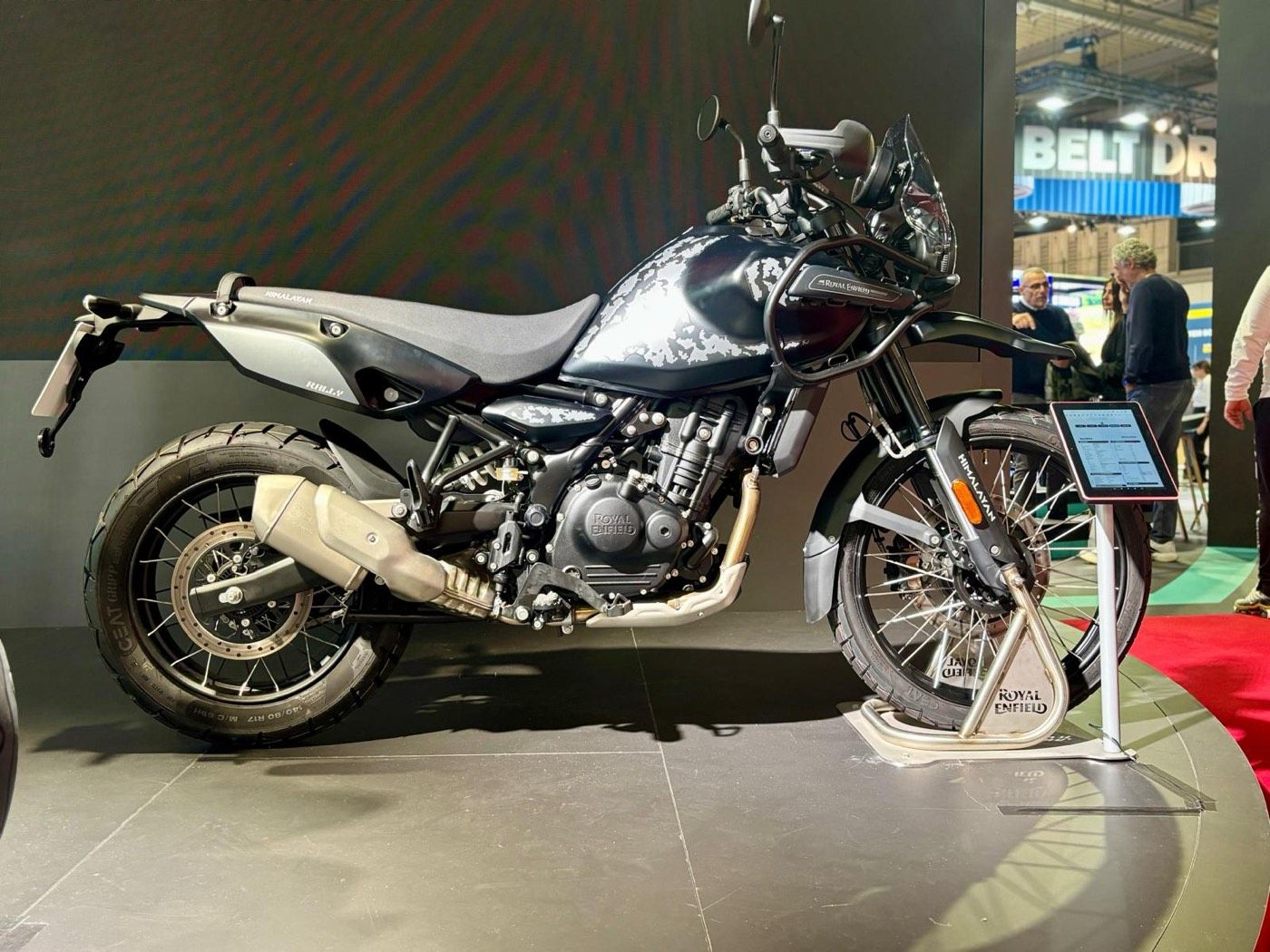
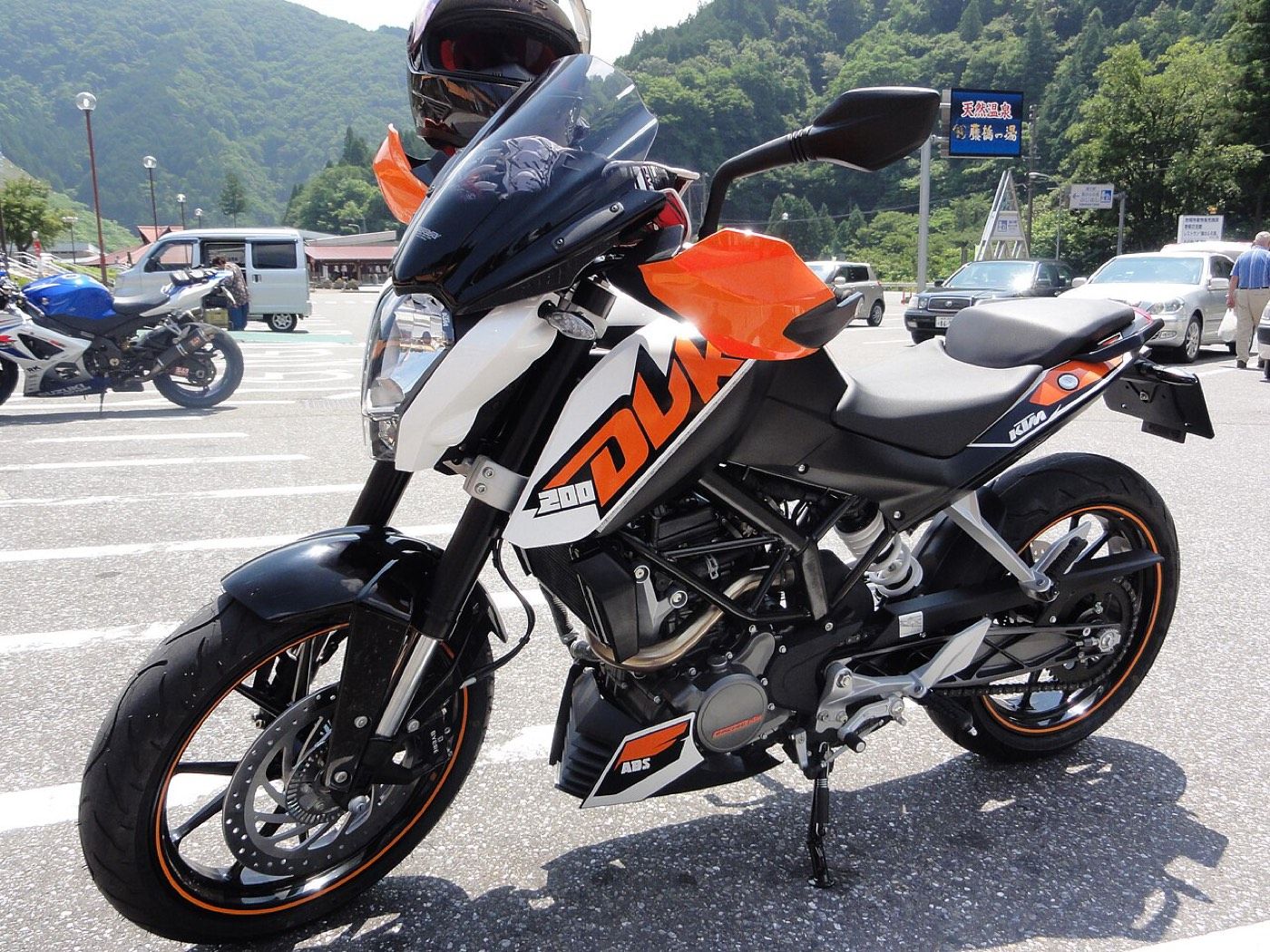
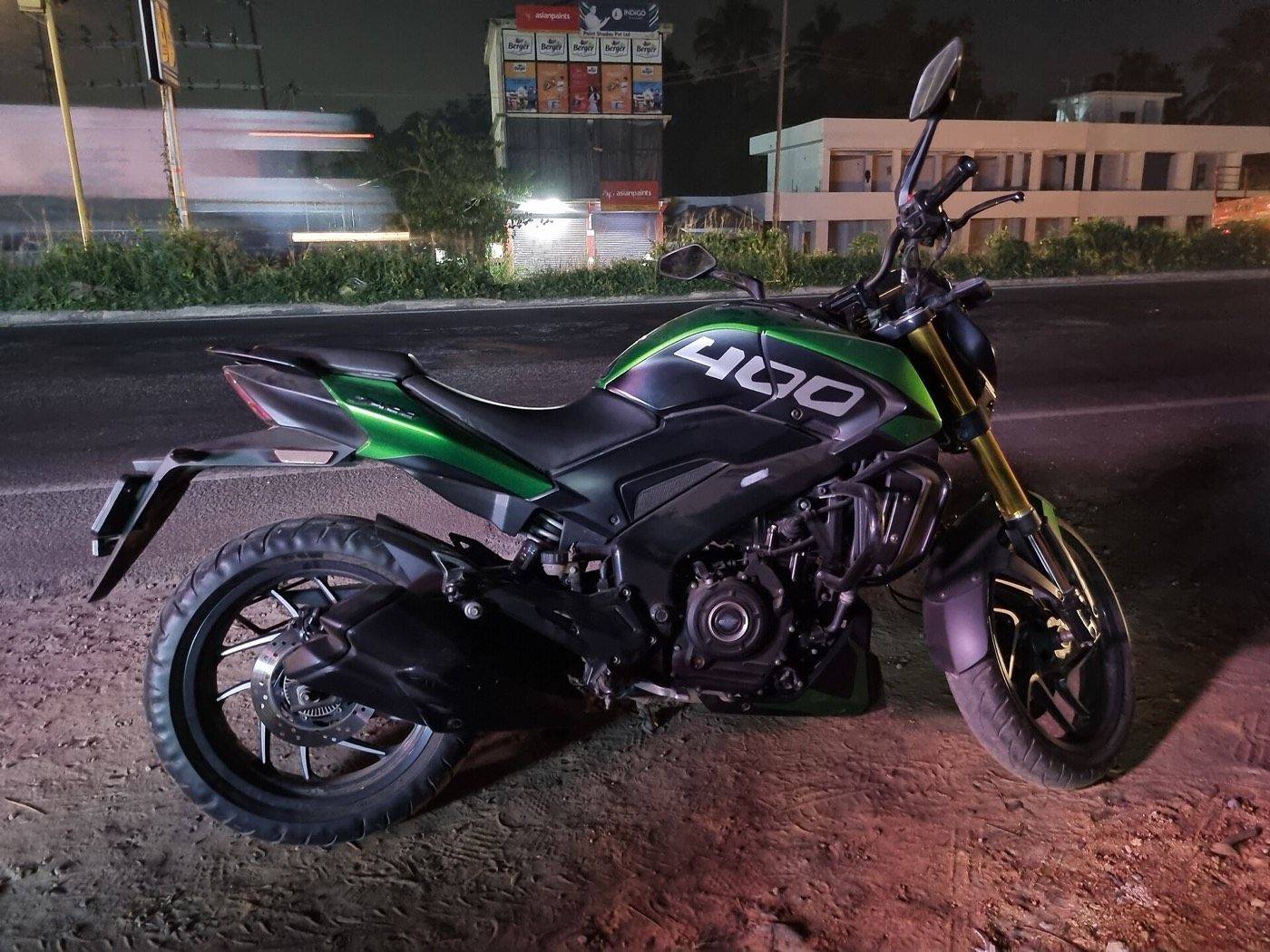
Motorcycles raise the stakes: on a bike, a locked front wheel is not a longer stop, it is a lowside. Our ₹1.93-lakh Classic 350 record lists a 300 mm front disc with dual-channel ABS; the ₹76,000 Splendor Plus lists an integrated braking system — a cable sharing rear-lever force across both wheels — with no electronics modulating either. The Jupiter 125 holds the odd middle rung: one front channel on the higher variant. At ₹2.85–3.25 lakh the Himalayan 450 lists switchable dual-channel ABS with IMU-based cornering on top, the system acknowledging that lean angle changes what the front patch can give, and the Duke 250 at ₹2.19–2.29 lakh answers from the track side with a SuperMoto mode that switches the rear wheel out of the loop entirely.
What the warning light costs at the workshop
A wheel-speed sensor or a damaged ring is cheap; a failed modulator is not, and only a scan tool separates them. Keep the work in-network while the warranty runs: a brake-line job or sensor swap by a workshop that never checks calibration is how a working system earns the light. Treat the bulb as an appointment, not a decoration. You can still stop the car. You just cannot steer while doing it, and that was always the point.
Frequently asked questions
Does ABS shorten stopping distance?
On grippy tarmac, usually yes, because it holds the tyre at its peak-grip slip ratio without a human foot guessing. On loose gravel, wet mud or a wet-leaf surface, the optimum is a locked wheel ploughing material ahead of the tyre, and ABS deliberately gives up some of that distance. Our listing keeps steering as the constant in every case; the stopping metres move either way.
Can I still brake if the ABS light is on?
Yes, but only with the base system. The hydraulics still respond to your foot; what you lose is the modulation, and on most cars in our catalogue the electronic stability function shares the same module and pumps, so it goes off with the warning light too.
What is the difference between single-channel and dual-channel ABS?
Single-channel modulates only the front wheel — our catalogue records the TVS Jupiter 125 listing it that way on the higher variant. Dual-channel modulates front and rear independently, which is what every motorcycle in our list above the commuter rung carries, from the Royal Enfield Classic 350 at ₹1.93 lakh to the Bajaj Dominar 400 at ₹2.18 lakh.
Is ABS standard on cheap cars in India?
Among the records in this catalogue, yes — the Renault Triber from ₹5.99 lakh and the Maruti Wagon R from ₹5.55 lakh both list ABS with EBD in their safety fields. The variation is in what sits around it: the Triber also lists electronic stability control as standard, while the Wagon R record does not.