News
Kia refreshes the Seltos on price and equipment rather than hardware
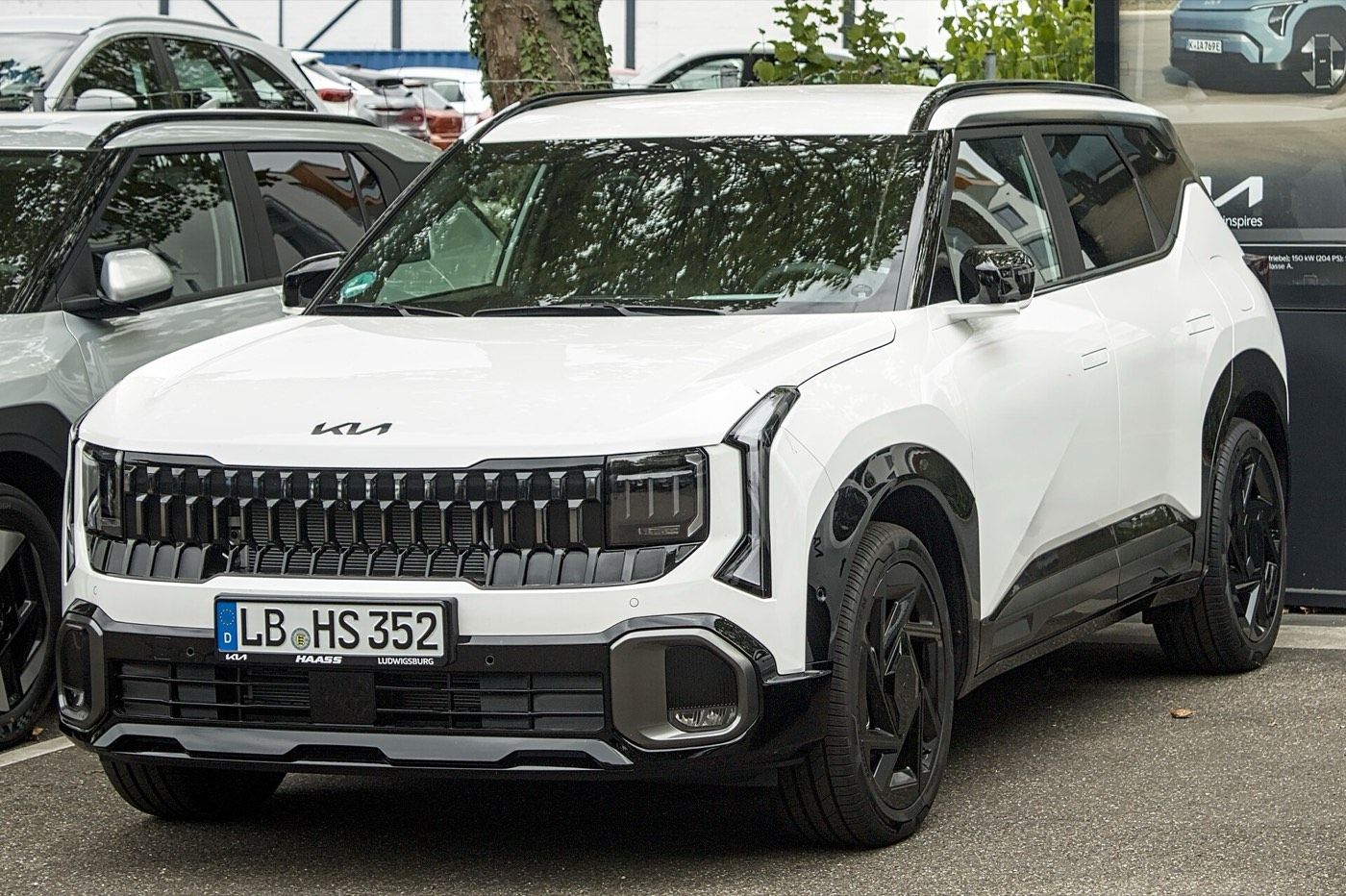
The mid-size SUV keeps its 1.5-litre petrol engine and opens at ₹10.90 lakh, with Kia responding to the Creta's update by moving features down the range.
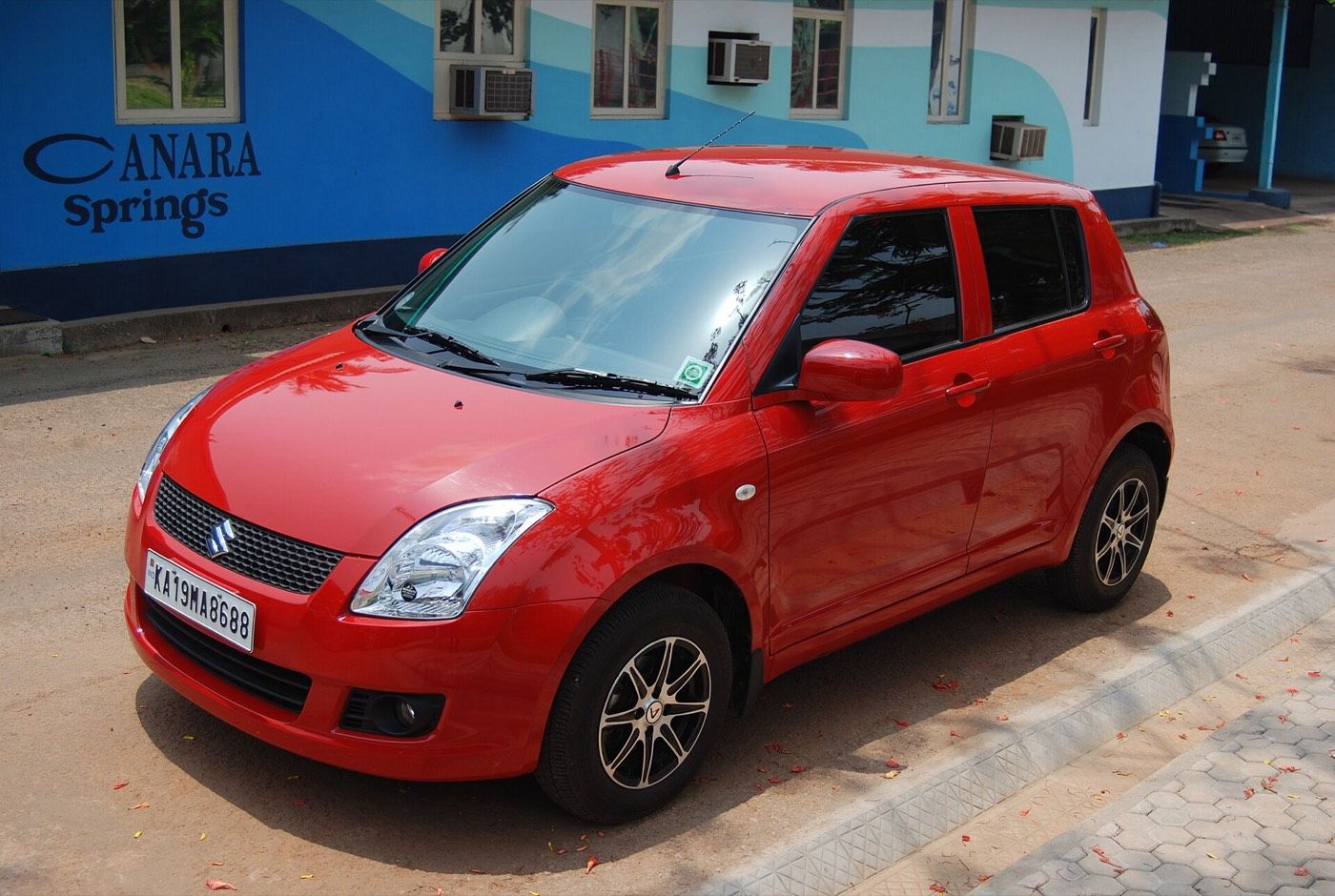
- Kia Seltos ₹10.9 lakh
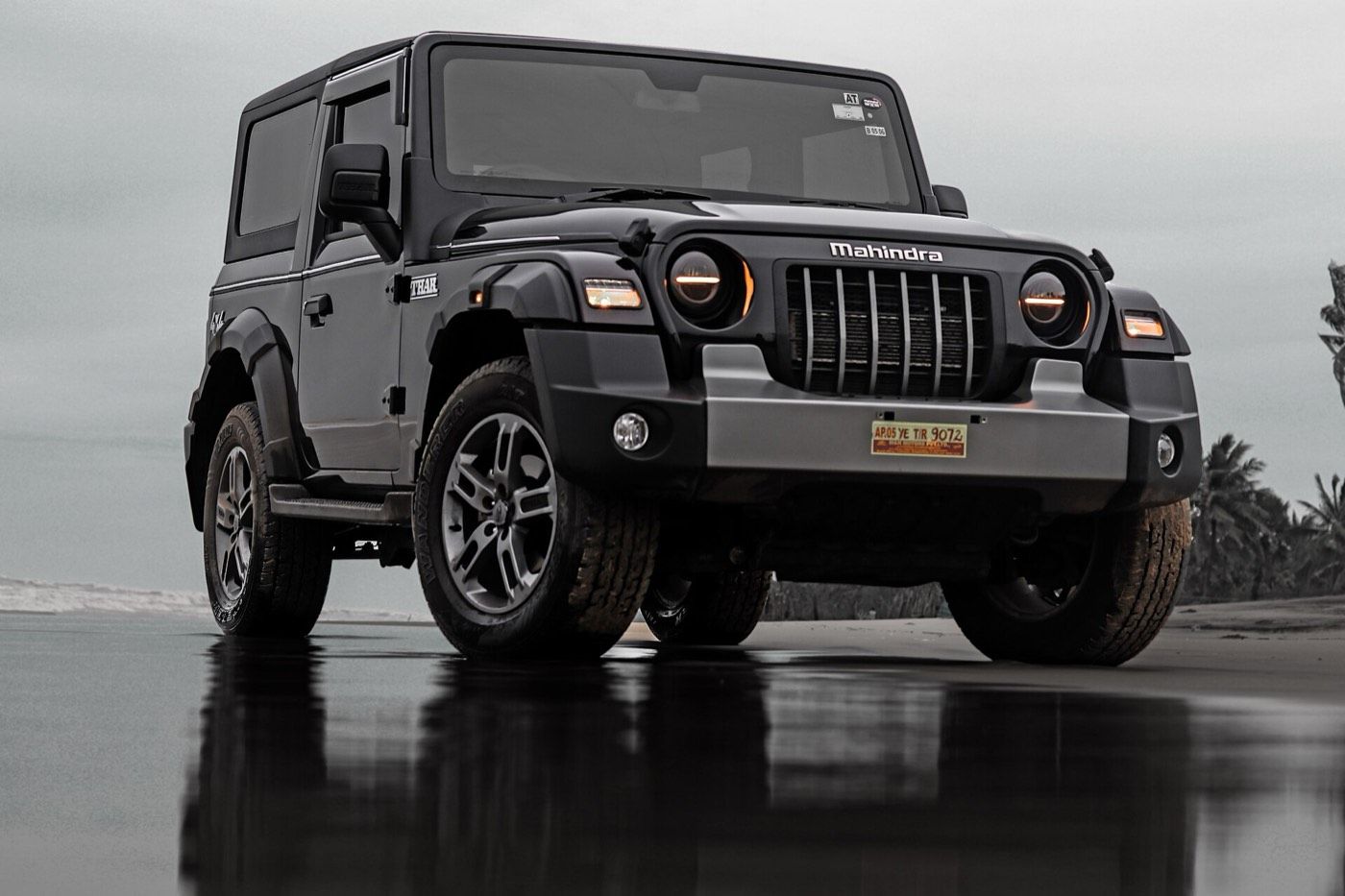
- Mahindra Scorpio N ₹13.69 lakh
- Hyundai Creta ₹10.91 lakh

Editor & Publisher
Kia has answered Hyundai’s Creta facelift with a Seltos refresh, and it has answered it in the currency it has always used. The mid-size SUV keeps its mechanical package and its ₹10.90 lakh entry price, and Kia has instead pushed equipment down the trim ladder while tidying the cabin and the interface. For a buyer, that is the most useful kind of update, because it changes what you get for a given budget without asking you to relearn anything about the car.
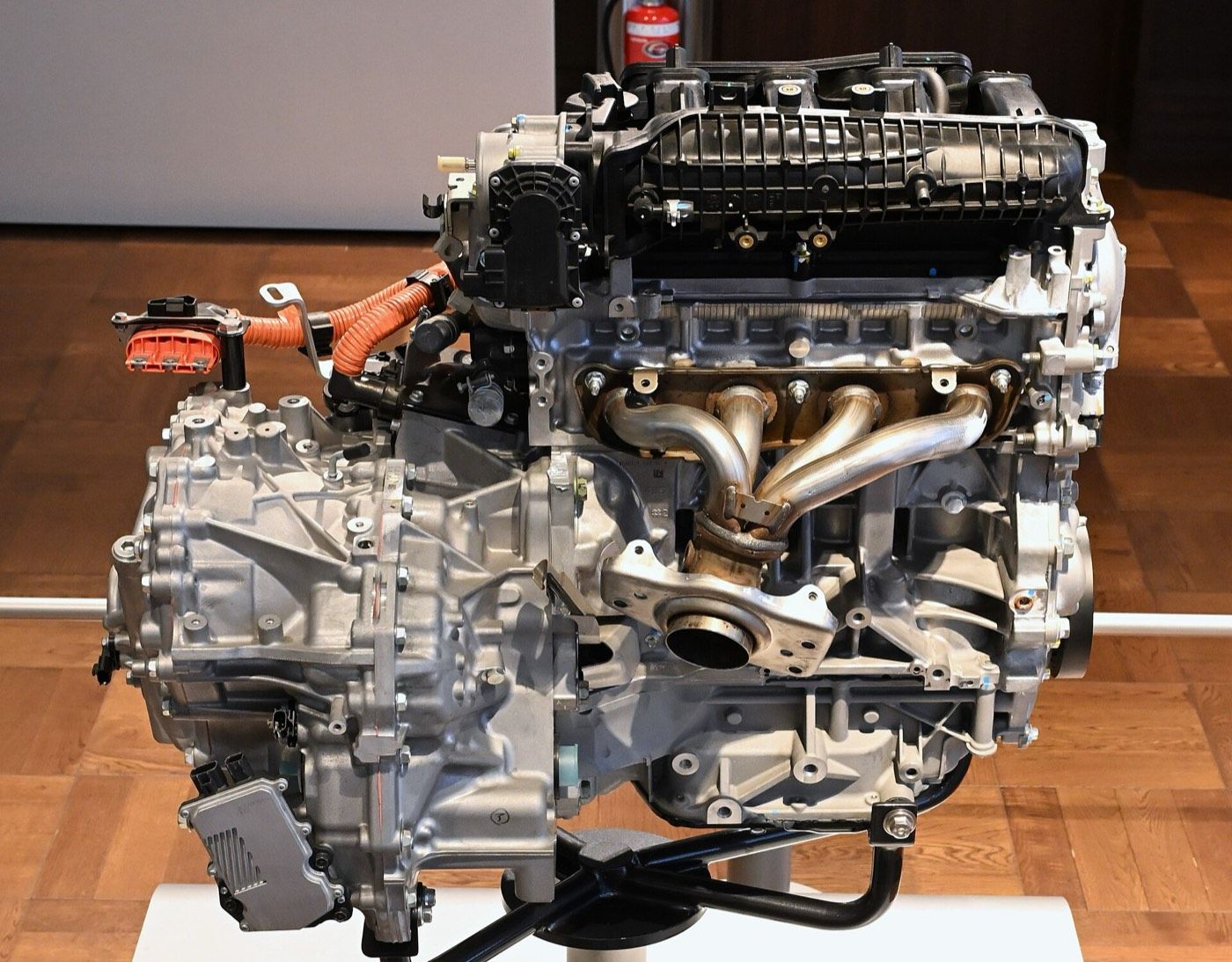
It is also a defensive move with a clear logic. The Seltos and the Creta are the same engineering exercise in two skin suits, sharing a 1,497 cc petrol rated at 113 bhp and 144 Nm. When one of them changes, the other cannot afford to be seen offering less at the same money.
The numbers a buyer should hold on to
The claimed mileage difference between the two cars is small and should not decide anything. MotoSutra’s unverified data lists the Seltos at 16 kmpl and the Creta at 17 kmpl on the same powertrain, which is inside the range that traffic, air-conditioning use and tyre pressure will erase in a month of real driving. MotoSutra’s estimate on both cars lands lower again, and a family shopping at this price should assume they will live with high-teens figures in a mixed commute at best.
Kia’s other unchanged number is the one that matters more in this segment: a five-seat layout with 144 Nm, which on the numbers carries two adults through an overtake but leaves a planned gap rather than an impulse when the car is full. The turbo-petrol and diesel options Kia continues to list exist for exactly that buyer, and both are meaningfully dearer propositions once you leave the entry grade.
What equipment down the range actually buys you
Kia’s framing of the refresh is a value argument rather than a technology one, with the company stating that the change puts the equipment its customers asked for into the grades where the Seltos is actually sold in volume, and that feature availability, not feature invention, was the brief.
That is an honest description of a mid-cycle refresh, and it matters to the ownership ledger in two specific ways. First, the resale curve of a mid-grade car with a fuller safety and convenience list is better defended than that of a bare-bones volume trim, because the used buyer of a five-year-old SUV is shopping on equipment as much as on price. Second, dealer-installed additions are what destroy that argument, so a buyer should quote the trim as it leaves the plant and resist converting a lower grade into a poor imitation of a higher one.
How it lands against the Creta and the rest
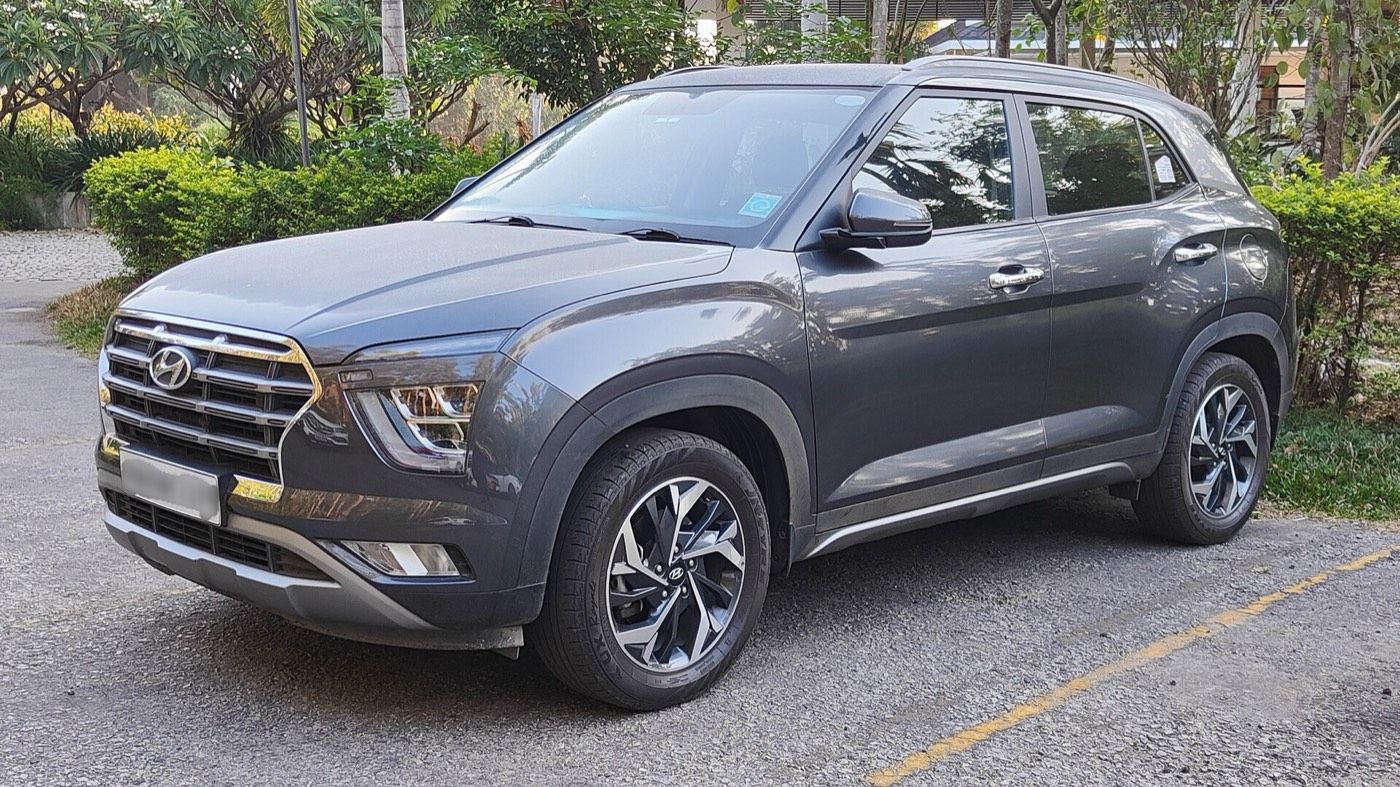
The Creta’s update moved the same way, so the choice between these two now comes down to calibration and network, and our own two records already split them: the Seltos the firmer, more direct car, the Creta the softer, quieter one, with Kia’s summary line being bigger boot and firmer ride. Hyundai’s dealer and service reach is the safer bet for an owner outside a metro, and Kia’s product is the better buy for a driver who actually enjoys the act. Above both, Mahindra’s Scorpio N enters at ₹13.69 lakh with a 2,198 cc diesel rated at 172 bhp and quotes 15 kmpl, and offers three rows for buyers whose requirement is seven seats rather than equipment.
For a first SUV bought to be kept, the mid-grade Seltos is where this refresh delivers its value. Read the price sheet for your state, ignore the accessory list, and test the car with the load you will actually carry.
Frequently asked questions
What does the Seltos cost after the refresh?
Kia's opening price holds at ₹10.90 lakh ex-showroom in MotoSutra's unverified data, which places it a rupee below the Hyundai Creta at ₹10.91 lakh for the entry grade.
Did the specification of the engines change?
No. The carried-over 1,497 cc petrol is rated at 113 bhp and 144 Nm with a claimed 16 kmpl, against the Creta's 17 kmpl on the same basic hardware.
Which trim makes the most sense on value?
The grade where the additional safety and convenience kit first appears, rather than the top trim. On this range the incremental cost of the flagship buys equipment that a five-year owner is unlikely to monetise on resale, whereas the mid-grade retains the strongest price-per-feature ratio.