Specs & analysis
MG ZS EV review: the torque bargain, with the range arithmetic left to you
177 bhp and 280 Nm from zero rpm at ₹18-22 lakh, a five-star shell and a claimed 461 km that becomes a very different number on the highway. An honest EV review has to do the charging math before the driving ones, and this one does.
- MG Motor ZS EV ₹17.99 lakh

Editor & Publisher
MotoSutra editorial rating
4.2/5
Overall score across 7 rated dimensions
MotoSutra editorial rating: 4.2 out of 5
Lowest rated
Design
4.0/5
Looks, presence & styling
- Performance Power, acceleration & driving dynamics 4.3/5 Very strong
- Features Tech, convenience & equipment 4.5/5 Excellent
- Design Looks, presence & styling 4.0/5 Very strong
- Safety Build quality, safety features & ratings 4.8/5 Excellent
- Interior Space, materials & practicality 4.2/5 Very strong
- Efficiency Mileage / range & running costs 4.4/5 Very strong
- Comfort Ride quality & long-drive comfort 4.1/5 Very strong
The ZS EV is the enthusiast’s electric bargain only if your enthusiasm is shaped like your actual week: home charging, city commuting, the occasional 250 km trip planned around a fast charger rather than impulse. The Essence at ₹20.99 lakh is the sweet spot — panoramic roof, ventilated seats, six airbags and the full app suite. If your life is weekly 500 km highway runs, buy the nearest efficient hybrid and shop for EVs again in two years, when this platform’s replacement does the charging math for you.
MotoSutra editorial rating on a 5-point scale. Rated across 7 dimensions; unscored dimensions are omitted.
The first paragraph of every honest electric-car review is not about the car. It is about where the owner lives and what socket is waiting for them there, because that single variable decides whether an EV is a joy or a scheduling exercise. With that out of the way: the MG ZS EV, in its current ₹17.99-22.49 lakh form on MotoSutra’s unverified catalogue, is the most torque-per-rupee argument in Indian electric motoring, wrapped around an older platform whose compromises you need to understand before you sign. This review models the Essence variant across the two lives every EV must be judged in — a home-charged city week and a highway weekend. MotoSutra has not driven the car; the numbers below are labelled estimates read off the specification.
Design: familiar, solid, unexciting
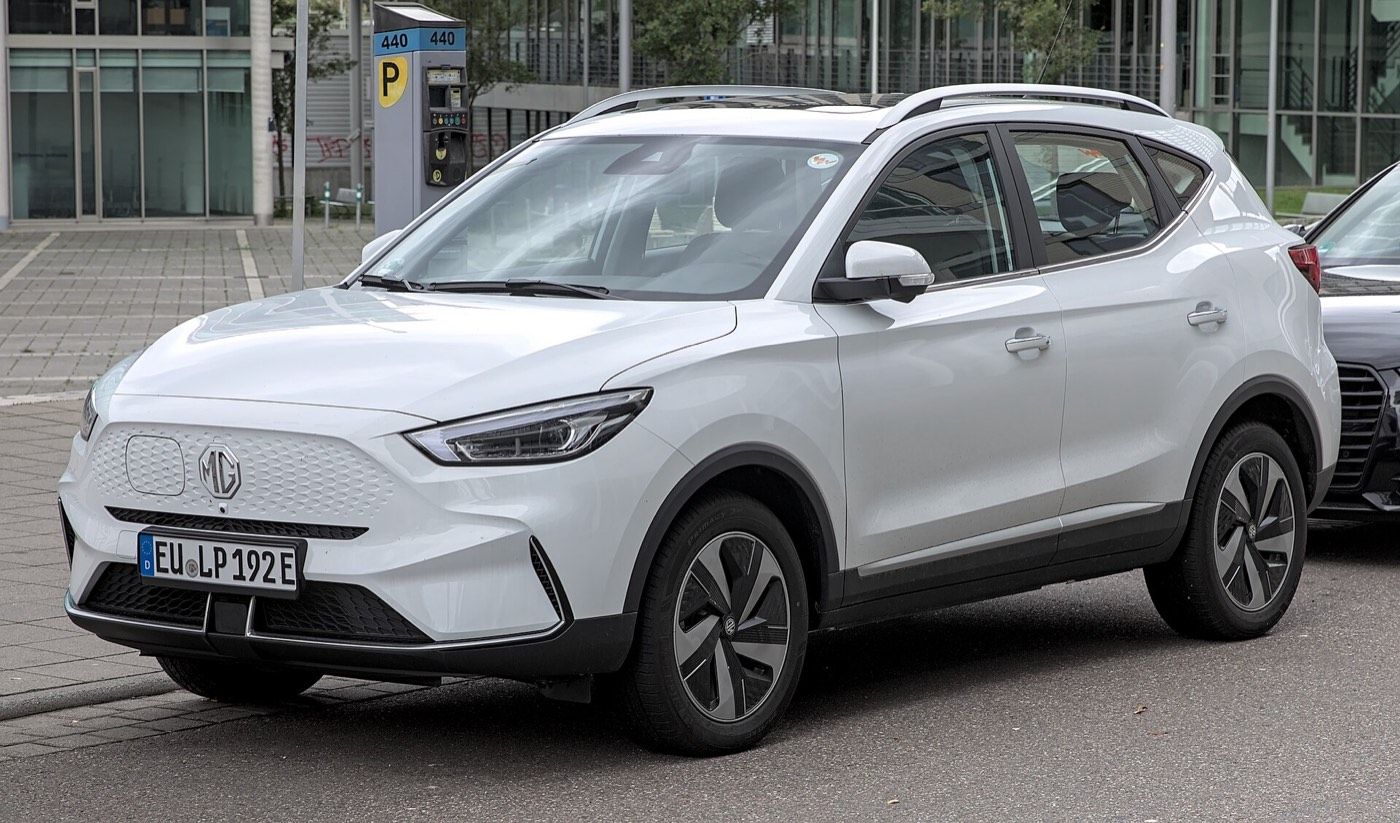
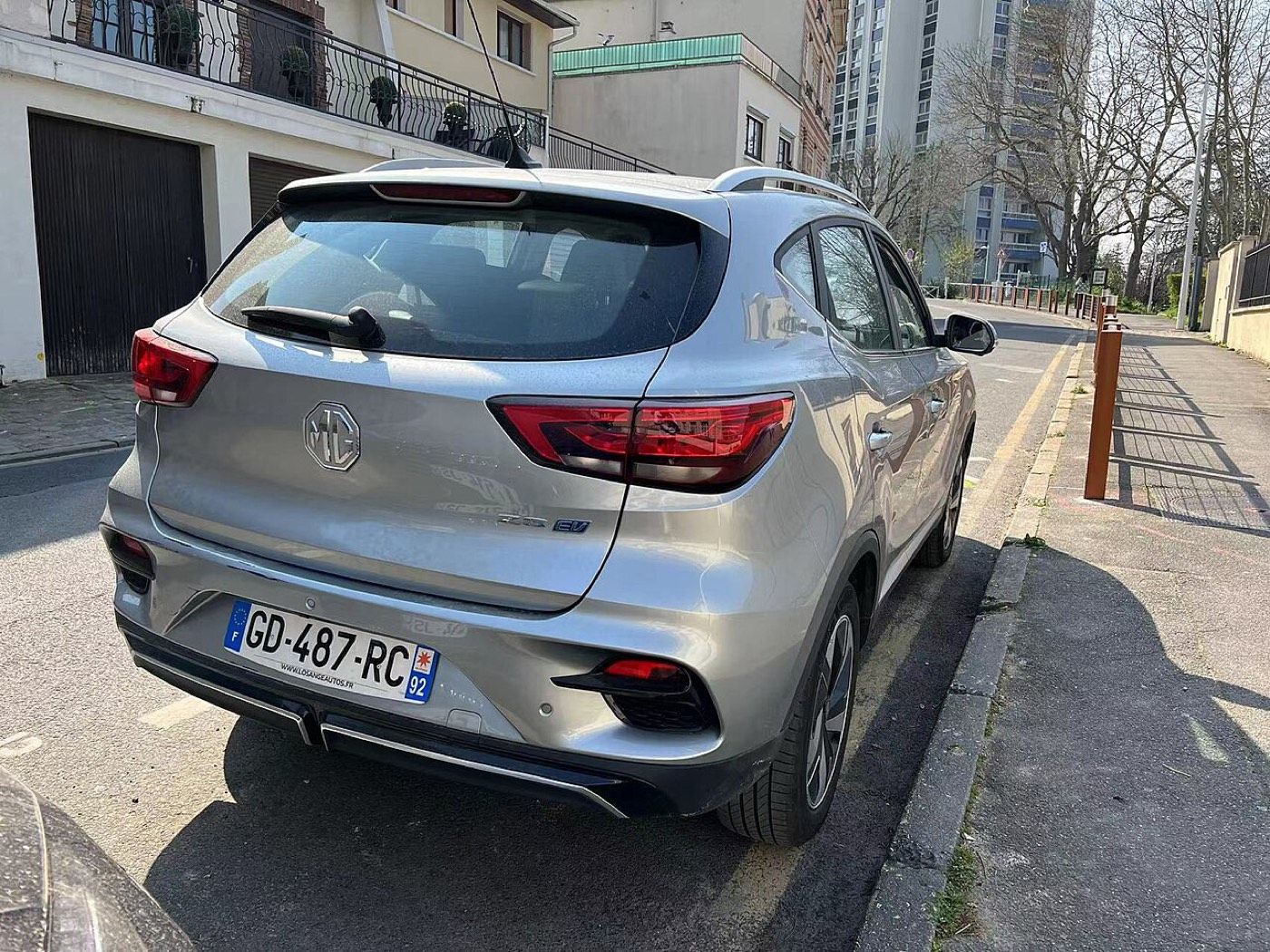
The ZS EV does not look like the future, which is either its charm or its problem depending on how much you care. The body is the combustion ZS’s, with a closed front fascia, some blue-accented theatre and 215/50 R17 wheels wearing low-rolling-resistance tyres. At 1,526 kg it sits with the density of a car that carries 50.3 kWh between its axles, and the proportions read substantial rather than sleek. Design score 4.0 in this review: nothing wrong, nothing remarkable, and the charging port door is the most interesting thing about the profile.
Performance: the reason this car exists
The motor makes 177 bhp and puts all 280 Nm on the table from zero rpm, and the way the ZS EV uses that is the thing the torque figure promises first. Standing starts should be flat-backed and silent, with the tyres briefly deciding whether to participate; in-gear response from any speed is instant in a way that makes combustion drivers reach for a downshift that no longer needs to happen. Around town this is objectively one of the quickest cars at this money, and the single-speed drivetrain means the shove never has to be re-wound.
The honesty continues past 100 km/h. The acceleration that feels supercar-adjacent at the junction fades into polite determination at 110, and by 130 — the claimed 140 is the ceiling — the car is committing rather than performing. Highway overtaking with two lanes of oncoming traffic is an EV calculation here, not an impulse, and the power score in this review reflects the difference between savage mid-range and top-end stretch. The regen paddles behind the wheel are genuinely useful: on the documented one-pedal calibration, city traffic is fully drivable without the brake, and once learned it is impossible to give up.
Ride and handling: the platform shows its age
The MacPherson-strut, torsion-beam chassis carries the battery low, so the centre of gravity is better than the geometry suggests, and on paper the ZS EV should corner flatter than its combustion twin ever did. But the tuning is comfort-soft in the wrong direction: the fast direction changes are where body lean and front-tyre complaint live, and at 120 km/h over patched tarmac this kind of suspension transmits a fidget the driver ends up steering around. How true that reads on a given road is a question for a test drive; the hardware says it is unruffled at 90 and unsettled at 120, which happens to be a perfect description of this car’s entire personality.
Comfort and space: an honest family SUV cabin
The things that made the combustion ZS good are still here: a wide, high seat, a big square aperture that makes the second row easy to load, headroom that tall adults do not fight, and a 370-litre boot that fits the week’s shopping plus a soft-sided case. The 10.1-inch touchscreen and 7-inch digital cluster are quick enough, the panoramic roof on Essence and above floods the cabin, and the air purifier with PM 2.5 filter is a Delhi-specific feature that earns its parts-bin slot. The seats are firm rather than lush; the ride score of 4.1 belongs more to the suspension than to the furniture.
Features and the software case
MG’s connected suite remains the benchmark in this catalogue: pre-cool the cabin from your phone before a May commute, schedule charging to the overnight tariff window, watch battery health and OTA updates arrive without a dealership visit. The remote climate start is not a party trick — it is the single feature most likely to convert an EV driver’s opinion of the car into a recommendation. Add the 360-degree camera, wireless charging on the Experience and six airbags everywhere, and the features score of 4.5 is earned.
Safety: the quiet strong point
A five-star GNCAP adult score in this listing, six airbags standard across all four variants, stability control, tyre-pressure monitoring and the high-voltage cutoff system that makes the battery safe to live with. If the ZS EV ever gets recommended more enthusiastically, it will be because this paragraph got marketed harder than the torque did.
Range and charging: the paragraph that decides the purchase
The claim is 461 km from 50.3 kWh. MotoSutra’s realistic-use estimate: city driving with summer air conditioning lands in the low-to-mid 300s, which is a genuine week of typical commuting per charge; a steady highway run pulls meaningfully below that, so a 300 km trip is two 150 km legs with a 50-minute coffee in each leg’s charging gap. The 0-80% window of about 50 minutes on DC is acceptable rather than quick next to the new 800-volt cars trickling in. The complete verdict on energy: this car’s cost per kilometre only makes it the smart money if the charging happens where you sleep. Run your own numbers against the ₹17.99-22.49 lakh ladder before anyone else runs them for you.
Verdict
The ZS EV is a trade-off rendered in sheet metal: a drivetrain that embarrasses cars twice the price, a five-star structure, segment-leading software — and an ageing chassis with modest charge speeds that quietly restricts the car to the urban life. For a home-charging family that wants space, shove and low running cost with an occasional planned trip, the Essence at ₹20.99 lakh is one of the most complete electric arguments in this catalogue. For anyone whose week includes unplanned distance, the honest answer from this review is: wait for the next one, and enjoy watching the torque spec stay at 280 Nm while everything around it improves.
Pros and cons
What we like
- The launch shove from 280 Nm at zero rpm matches cars wearing far more expensive badges, and it is available in every gear, every time
- Five-star GNCAP adult structure with six airbags standard across all four variants in this listing
- With a home socket, a MotoSutra-estimated low-to-mid 300 km of city range and a week of commuting in a single charge — the ownership model that makes EV arithmetic smile
- MG’s connected suite — remote climate start, charge scheduling, an OTA pipeline — is the segment benchmark in this catalogue
What we would change
- Past 100 km/h the single-speed drivetrain politely declines to keep arguing, and overtaking margin at a steady highway pace is thin
- Highway range falls faster than the 461 km claim suggests; this is a city machine wearing an SUV body
- The DC fast-charge peak rate is modest next to the newer arrivals: about 50 minutes for 0-80% is acceptable, not enviable
- Soft suspension: body control in corners and composure at 120 over broken tarmac are the platform’s inherited manners
Frequently asked questions
What is the MG ZS EV price in this catalogue?
MotoSutra’s unverified catalogue lists the ZS EV from ₹17.99 lakh to ₹22.49 lakh ex-showroom, Delhi NCR, across four variants that all share the same 50.3 kWh battery and single-speed electric drivetrain.
What is the real-world range of the ZS EV?
The claimed figure in this listing is 461 km. With summer air conditioning in everyday use, plan on the low-to-mid 300 km band in the city; at a steady highway speed the number falls notably further, which is the physics every EV shares and this one does not hide.
How long does the ZS EV take to charge?
About 50 minutes for 0-80% on DC fast charging in this catalogue’s framing, and the better part of an overnight on a standard 15-amp home socket. The honest ownership answer: with home charging, you almost never visit a public charger; without it, you are budgeting weekly 50-minute stops.
Is the ZS EV safe?
It carries a five-star GNCAP adult score in this listing with six airbags standard on every variant, plus a high-voltage battery cutoff system. On structure-for-money it is among the strongest cases in the price band.