Buying guide
Best sedans in India in 2026: six boot-first cars, ranked honestly
The cars the SUV wave left behind are some of the best value in the catalogue: a 521-litre five-star German, a hybrid Honda, and a ₹5.99 lakh turbo that will not crash-test. All six, ranked.
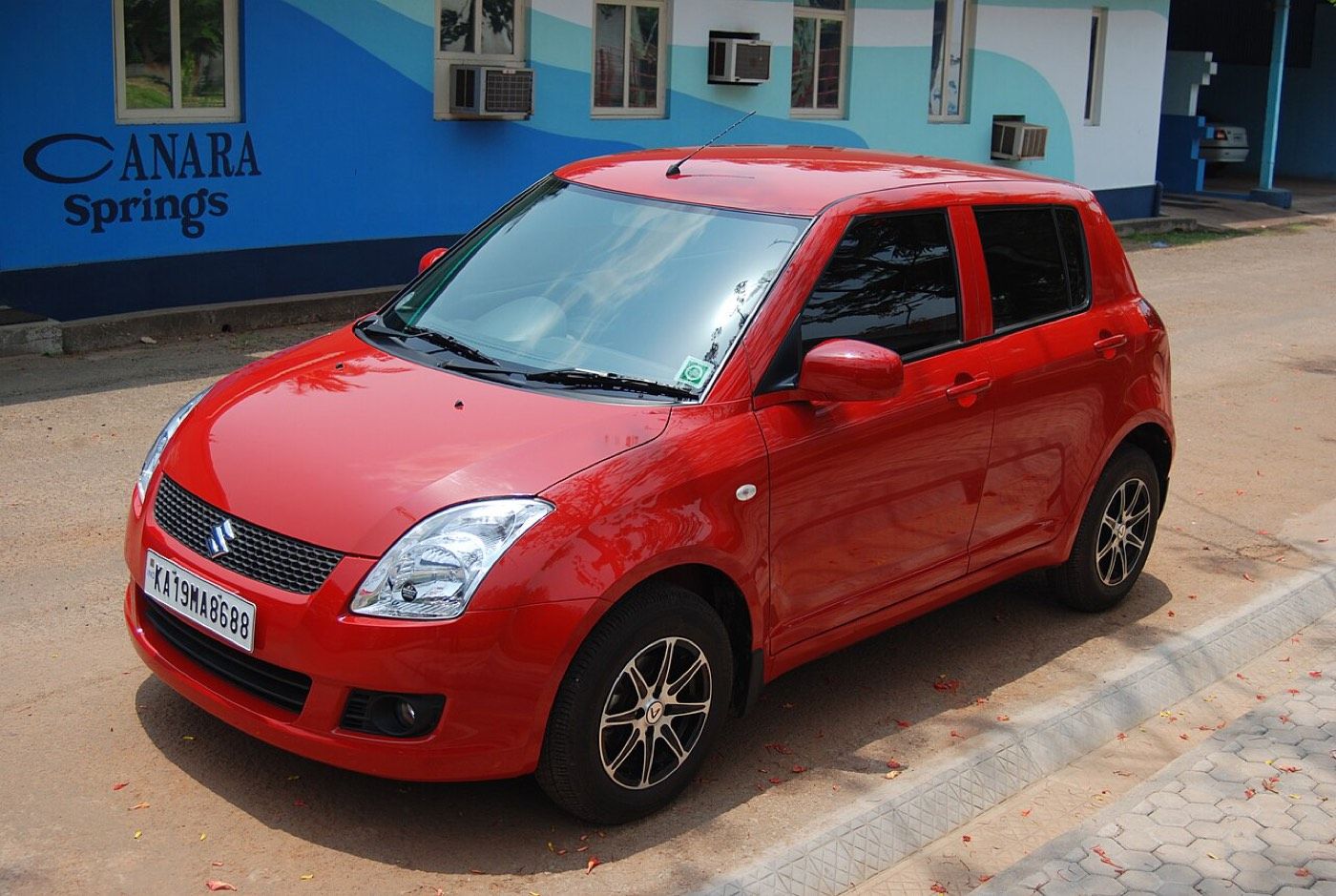
- Maruti Suzuki Dzire ₹6.31 lakh
- Hyundai Verna ₹10.99 lakh
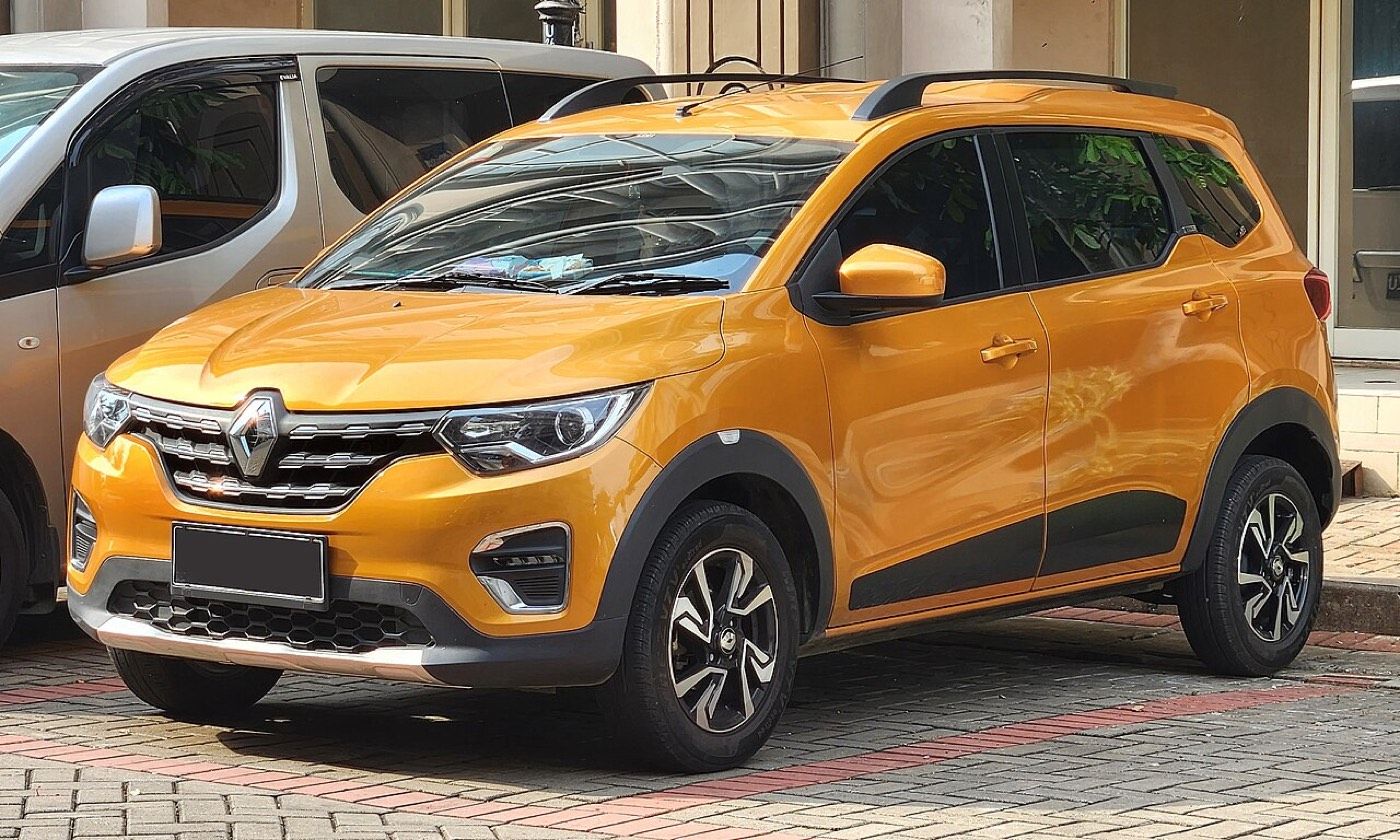
- Renault Triber ₹5.99 lakh
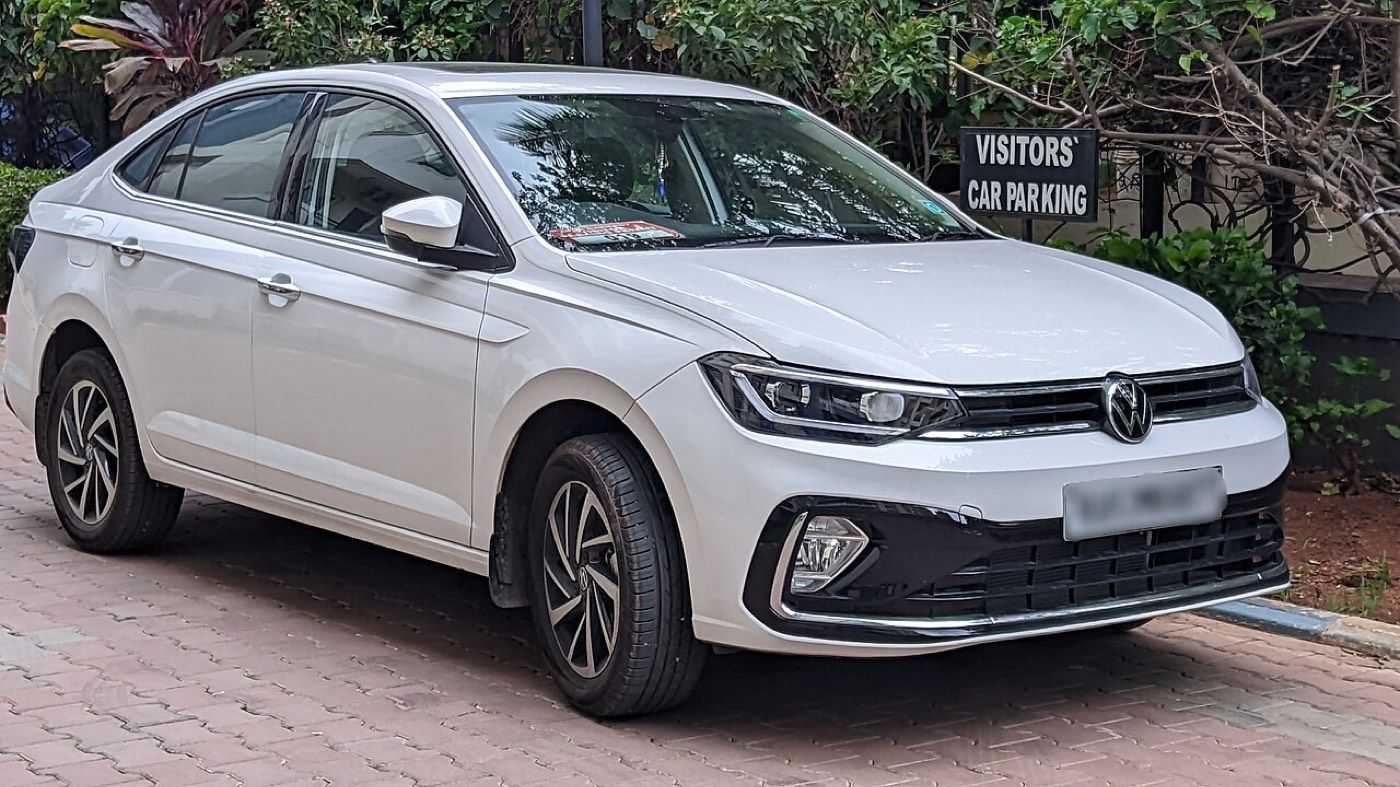
- Volkswagen Virtus ₹11.44 lakh
- Maruti Suzuki Ciaz ₹6.11 lakh

Editor & Publisher
In order, on the numbers
The ranked picks
-
₹11.44 lakh - ₹19.19 lakh
A five-star GNCAP adult score with six airbags and stability control standard on every variant, a 521-litre boot, and a 115 bhp, 178 Nm 1.0 turbo that reads unhurried at 120 km/h on the ratio list, from ₹11.44 lakh. The claimed 17 kmpl becomes MotoSutra’s estimated 10-12 kmpl in city traffic, and that is the asterisk on an otherwise complete argument.
- Mileage 17 kmpl
- Power 115 bhp
- Engine 999 cc
-
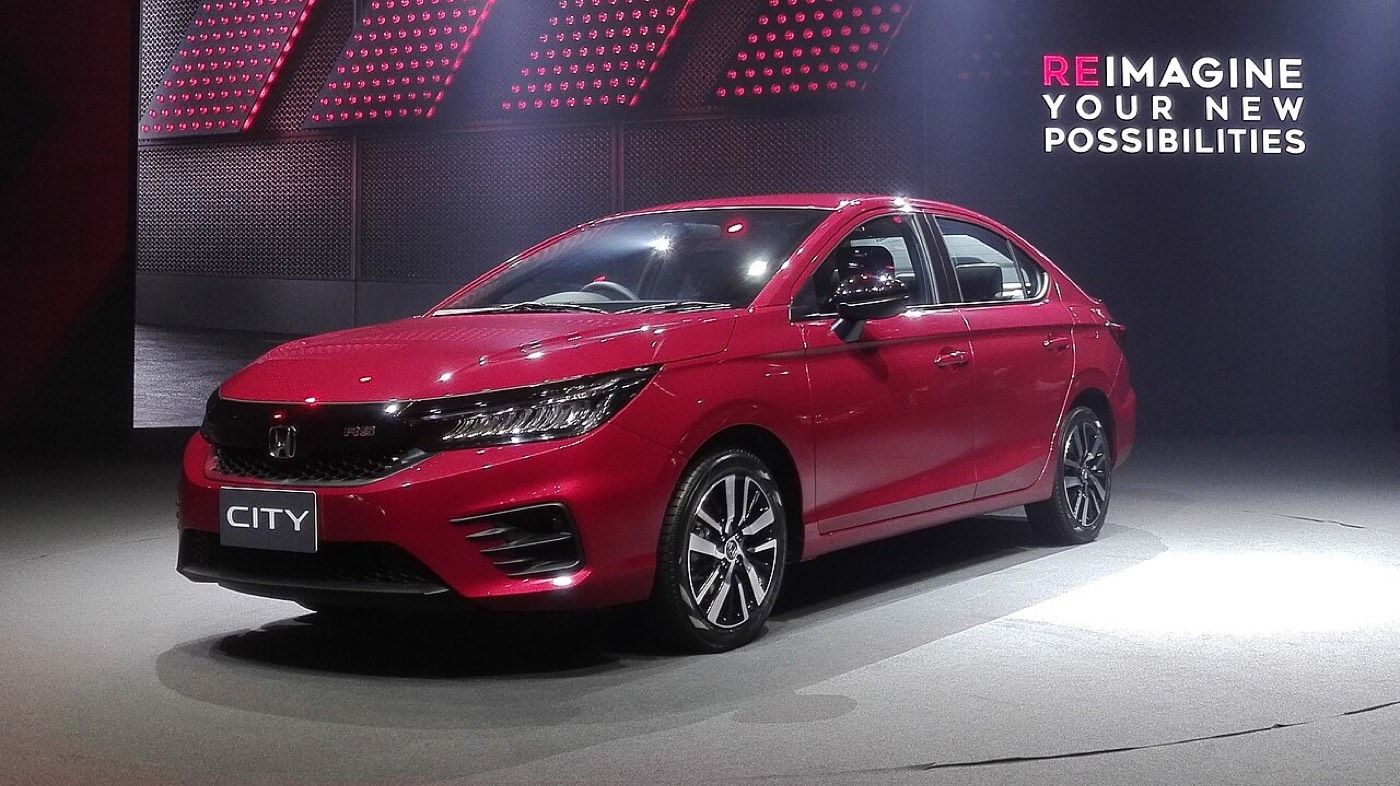
₹11.79 lakh - ₹20.2 lakh
121 bhp and 145 Nm, the strongest naturally aspirated engine on this list, a 506-litre boot, the segment’s reference rear seat, and an e:HEV strong-hybrid variant at ₹20.20 lakh whose series behaviour in traffic should bring city economy closest to its claim without a plug, from ₹11.79 lakh. The three-star adult score is the weak note, and six airbags only arrive on the upper trims.
- Mileage 18 kmpl
- Power 121 bhp
- Engine 1498 cc
-
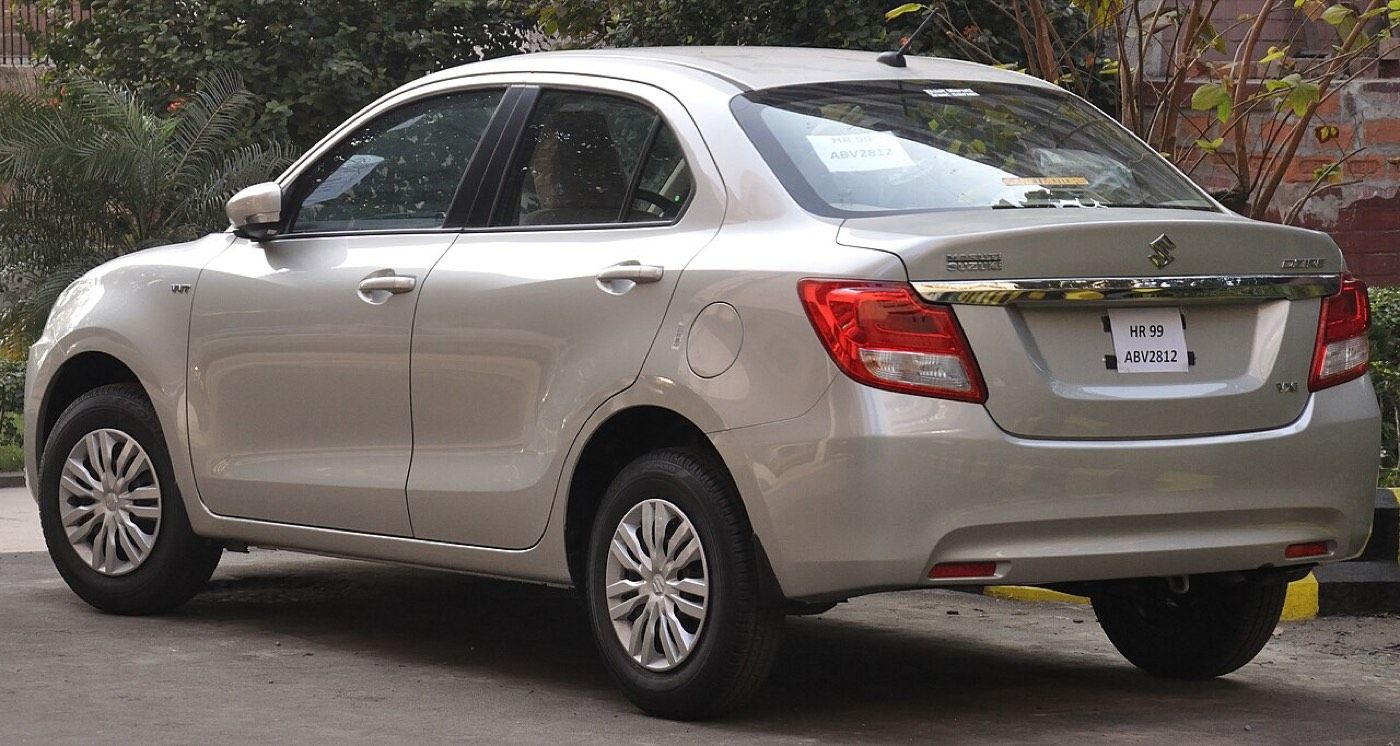
₹6.31 lakh - ₹9.24 lakh
₹6.31 lakh buys a claimed 25 kmpl, a 382-litre boot that takes a four-person trip without folding anything, and six airbags on every variant. The 79 bhp engine is stretched with five aboard on a climb, and the AMT hesitates at walking pace.
- Mileage 25 kmpl
- Power 79 bhp
- Engine 1197 cc
-
₹10.99 lakh - ₹17.2 lakh
The 528-litre boot is the largest here, the long wheelbase makes it, on paper, the most relaxed at a steady 100-110 km/h, and the ₹17.20 lakh SX(O) Technical adds a Level-2 ADAS suite with adaptive cruise. The two-star crash score reads badly against the five-star SUVs sold for similar money — the equipment outruns the shell.
- Mileage 18 kmpl
- Power 115 bhp
- Engine 1497 cc
-
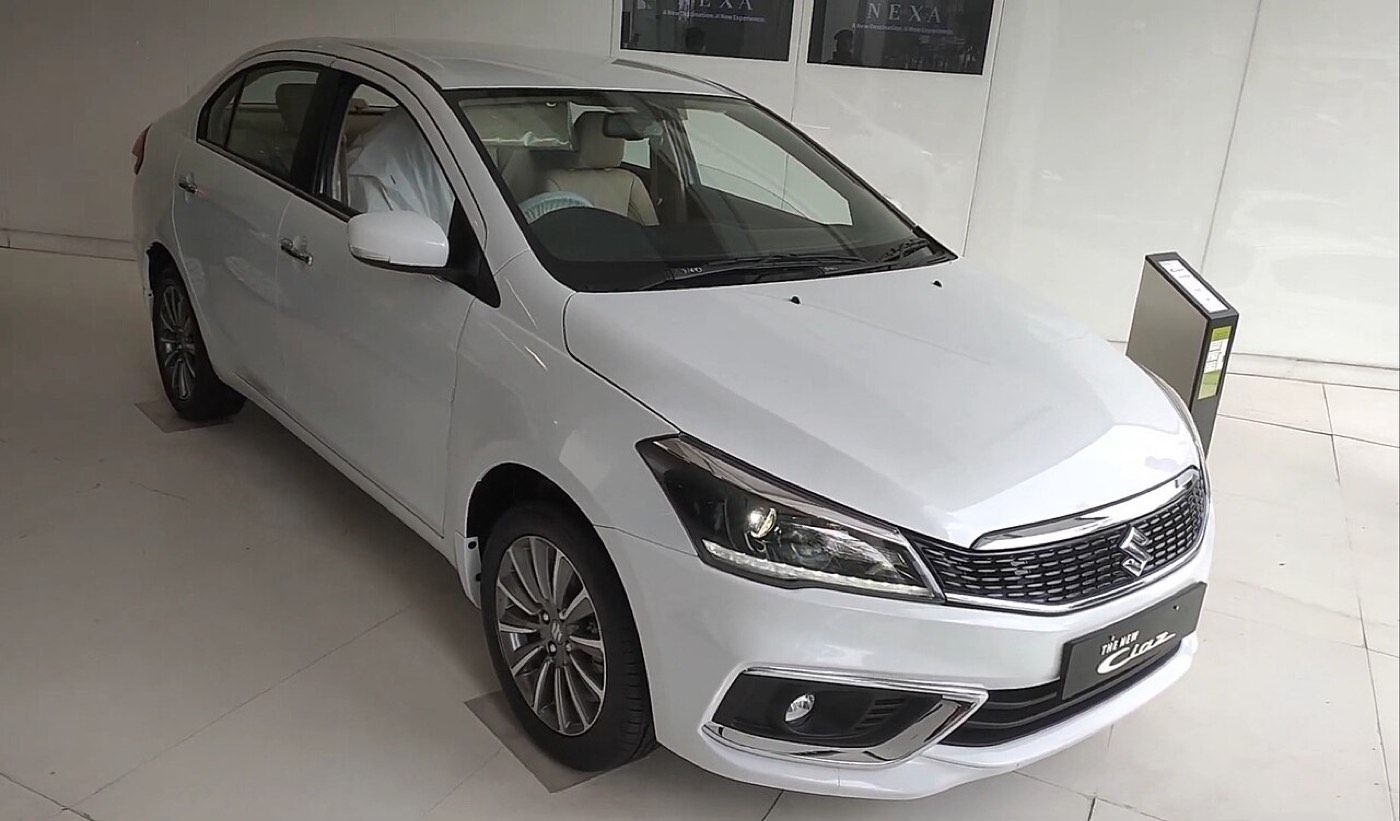
₹6.11 lakh - ₹10.3 lakh
A 2,650 mm wheelbase gives more second-row knee room than anything else in this price band, the relaxed 103 bhp 1.5-litre claims 22 kmpl, six airbags are standard from ₹6.11 lakh, and the ₹10.30 lakh ZXi adds factory CNG for fleet economics. The automatic is an old four-speed and the score is three stars.
- Mileage 22 kmpl
- Power 103 bhp
- Engine 1462 cc
-
₹5.99 lakh - ₹8.6 lakh
The cheapest turbo in this catalogue — 999 cc making 100 bhp and 152 Nm — with a 425-litre boot, 180 mm of clearance and a claimed 19 kmpl from ₹5.99 lakh. The two-star adult score with dual airbags is the whole trade, and it is a large one: this is the one car here you buy for space and torque and accept on structure.
- Mileage 19 kmpl
- Power 100 bhp
- Engine 999 cc
The sedan has spent five years being written off in India, and the result is a strange buyer’s market: the six cars on this page are, rupee for rupee, some of the most complete machines in the catalogue, priced against SUVs that give up 100 litres of boot to gain a driving position. They are ranked the way the segment still gets used — what fits behind the rear bench, what the second row offers after two hours, what the structure is rated, and what the fuel bill looks like at the end of a month.
Three caveats. Prices are ex-showroom Delhi NCR at the entry variant; only the Ciaz and Triber stay under ₹10 lakh to the top of their ladders here. Every mileage claim is a laboratory figure, and MotoSutra’s estimates sit roughly a quarter lower in city traffic. And one classification note: the Triber is listed in our catalogue as a sedan because that is what its shape and 425-litre boot are, whatever the marketing said first. MotoSutra has driven none of these six; what follows is a research reading of the documented specification.
1. Volkswagen Virtus — the complete argument
The Virtus wins because it is the only sedan here that leads on both of the numbers that matter most: the 521-litre boot, the largest among the cars in this catalogue, and the five-star GNCAP adult score with six airbags and stability control on every variant from the ₹11.44 lakh Trendline rather than as a top-trim reward. The 1.0 TSI’s 178 Nm plateau makes it, on paper, the quickest car here below ₹15 lakh, and the chassis specification is built to stay flat at 130.
What it asks in return is money at the pump — the claimed 17 kmpl is the honest asterisk, 10-12 by MotoSutra’s city estimate — and a cabin design that admits its age. Neither undermines the core: it is the sedan you buy after reading the crash report.
2. Honda City — the driver’s pick
The City is the list’s spec-sheet driver’s pick: the strongest naturally aspirated engine here in 121 bhp and 145 Nm, a real six-speed manual on offer, and a 506-litre boot that keeps the family out of the argument. The ₹20.20 lakh e:HEV is the quiet achievement of the listing: the motor does most of the work in traffic, so this is the one mid-size sedan here whose city economy can honestly approach its claim.
The asterisk is the three-star adult score, with six airbags arriving only on upper trims and Honda Sensing reserved for the top. The suspension is on the firm side of the spec sheet — how that answers a badly built road is a test-ride question.
3. Maruti Suzuki Dzire — the appliance
If a sedan is being bought as transport rather than as a statement, the Dzire is the least compromised way to do it: ₹6.31 lakh starts a car with a 382-litre boot, a claimed 25 kmpl that this catalogue reads as a steady-expressway figure rather than a city one, and six airbags standard across every variant — better basic crash kit than several costlier cars here. The three-star structure is the ceiling.
The 79 bhp engine is the other one. With five aboard and the AC on, a climb needs planning, and the AMT hesitates at walking pace. As a household appliance at this price, it is hard to criticise further.
4. Hyundai Verna — the long-distance machine
The Verna is built around the highway: a 4,500 mm body, a 528-litre boot that beats even the Virtus, a smooth-running spec on the 115 bhp 1.5, and on the ₹17.20 lakh Technical a real Level-2 ADAS suite with adaptive cruise and automatic emergency braking. From ₹10.99 lakh it is the equipment high-water mark of the segment.
Then there is the two-star crash score, which every rival on this page except two can quote back at you in the showroom. The naturally aspirated engine also needs room and a kickdown for a triple-digit overtake. Buy it for the highway; weigh it against the five-star SUVs it nearly touches on price.
5. Maruti Suzuki Ciaz — the chauffeur’s choice
The Ciaz exists for the person who rides behind the driver, and at 4,545 mm with a 2,650 mm wheelbase it does that job better than anything else in this money: on paper, an adult can sit behind their own driving position without contorting. The 103 bhp 1.5 is spec’d unhurried, the claimed 22 kmpl belongs to expressway use, six airbags are standard from ₹6.11 lakh, and the CNG variant makes high-mileage ownership genuinely cheap.
The automatic is an aging four-speed, the whole tune is placid to the point of dull, and three stars is adequate rather than class-leading. It is a quiet bargain for the passenger-led buyer.
6. Renault Triber — the honest outlier
The Triber is the cheapest turbocharged car in this catalogue and one of the most useful: 152 Nm at 2,400 rpm, a 425-litre boot, 180 mm of clearance, a rear bench that folds and tumbles away, and a claimed 19 kmpl, from ₹5.99 lakh. On pure substance-per-rupee it belongs near the top of this list.
It ranks last because of the one line item the arithmetic cannot recover: a two-star adult score with dual airbags as the full kit, in a market where the Tatas at this money fit six airbags to five-star shells. If structure is a priority, the Tiago or Dzire is the same budget with a better argument; if it demonstrably is not, nothing here is more car than the Triber.
Frequently asked questions
Should I buy a sedan or an SUV?
Buy the shape that matches how you load the car. On this catalogue’s numbers the sedans win every boot on this page against every compact SUV of similar price, sit lower and longer for highway speed and return better claimed economy; the SUVs win on seating height, ground clearance — 185-220 mm against these sedans’ 163-180 — and resale fashion. If your roads are broken rather than merely far, the SUV argument is real.
Is there a sedan with ADAS under ₹15 lakh?
Not in this catalogue. The cheapest car here with a Level-2 suite is the Verna SX(O) Technical at ₹17.20 lakh; the Honda City carries Honda Sensing only on its top petrol and hybrid variants. Treat any cheaper claim of level-two assistance as marketing vocabulary.
Which sedan is best for commercial or high-mileage use?
The Ciaz ZXi CNG at ₹10.30 lakh, because it is the only car on this page with a factory CNG variant and it pairs that with the biggest rear seat. The Dzire is the smaller-budget version of the same argument, minus the CNG option in this listing.