Explainer
Electric car vs petrol car: the arithmetic that decides it
The EV question is not ideological, it is a sum: per-kilometre cost from the battery and the pump, the discount between claimed and real range, the charge-point you actually own, and the purchase premium that has to be eaten by the savings. Here is the working, using figures our catalogue records.
- Tata Motors Punch EV ₹9.79 lakh
- Ather Energy 450X ₹1.48 lakh
- Tata Motors Punch ₹5.75 lakh
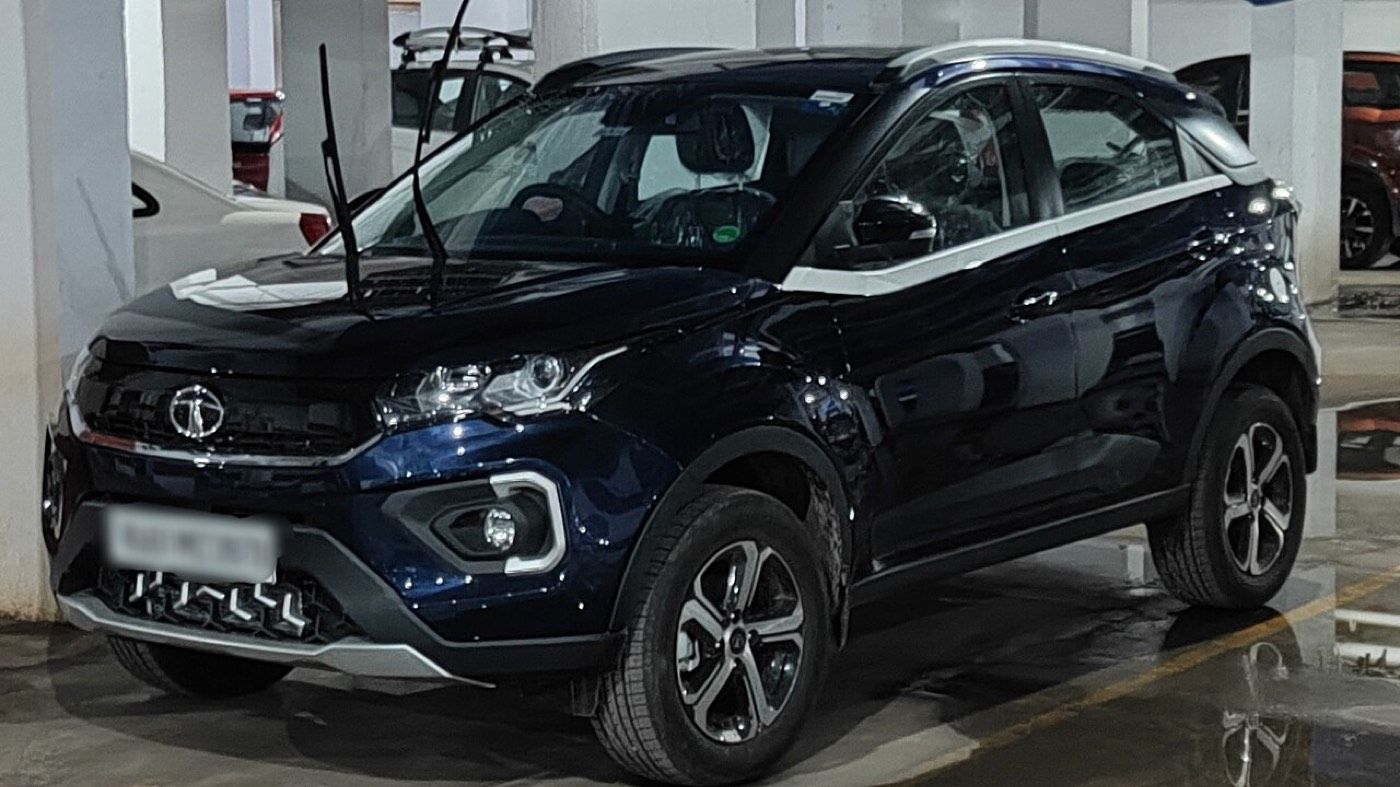
- Tata Motors Nexon ₹7.4 lakh
- MG Motor ZS EV ₹17.99 lakh

Editor & Publisher
The rightness of an electric car reduces to four numbers and one habit. The numbers are the purchase premium, the per-kilometre cost of each energy source, the real-world range discount, and the kilometres you actually drive in a year. The habit is where and when the car gets plugged in. Everything else — the torque, the silence, the app — is experience; how the drivetrain works is our explainer how-does-an-ev-work, and the same ledger applied to gas is petrol-vs-cng.
The rates below are illustrative assumptions made for this arithmetic and belong to no pump or utility: ₹105 a litre for petrol, ₹7.50 per unit for home electricity, ₹18 per unit delivered at a public DC charger. MotoSutra has driven none of the cars named here; every figure below is either a manufacturer claim or a MotoSutra estimate read off the documented spec, and the sum is the method, not a test log. Swap in your own and the method still stands.
The per-kilometre column
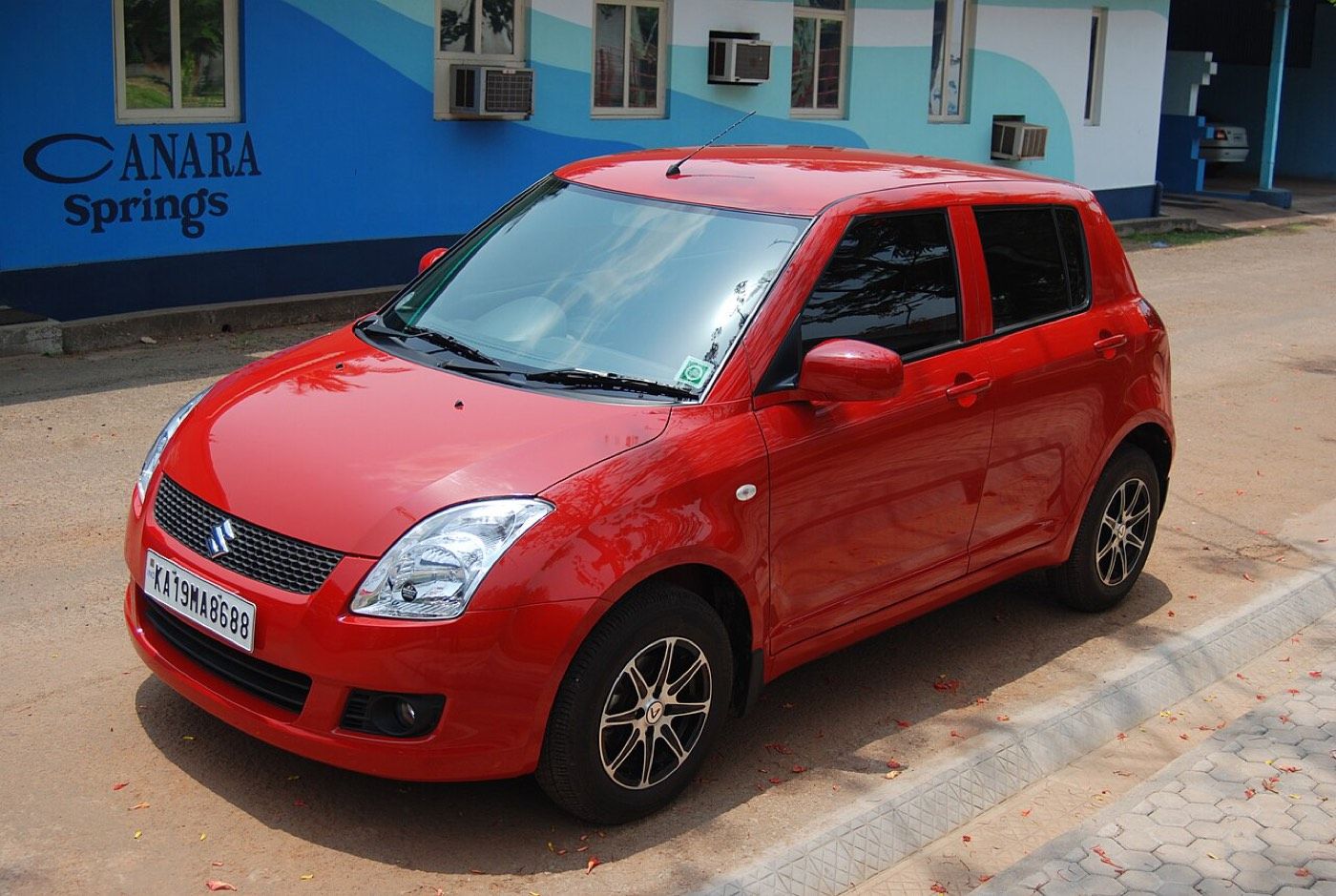
A petrol engine’s cost per kilometre is the pump rate divided by the mileage you truly get — and catalogue figures have to be read carefully for the second term. Our Nexon record lists a claimed 17 kmpl with MotoSutra’s estimated 11-12 in city traffic; the Swift’s claimed 25 becomes an estimated 16-19 in the same listing. At ₹105 a litre, that is roughly ₹8.75-9.55 per kilometre for the Nexon and ₹5.50-6.55 for the Swift.
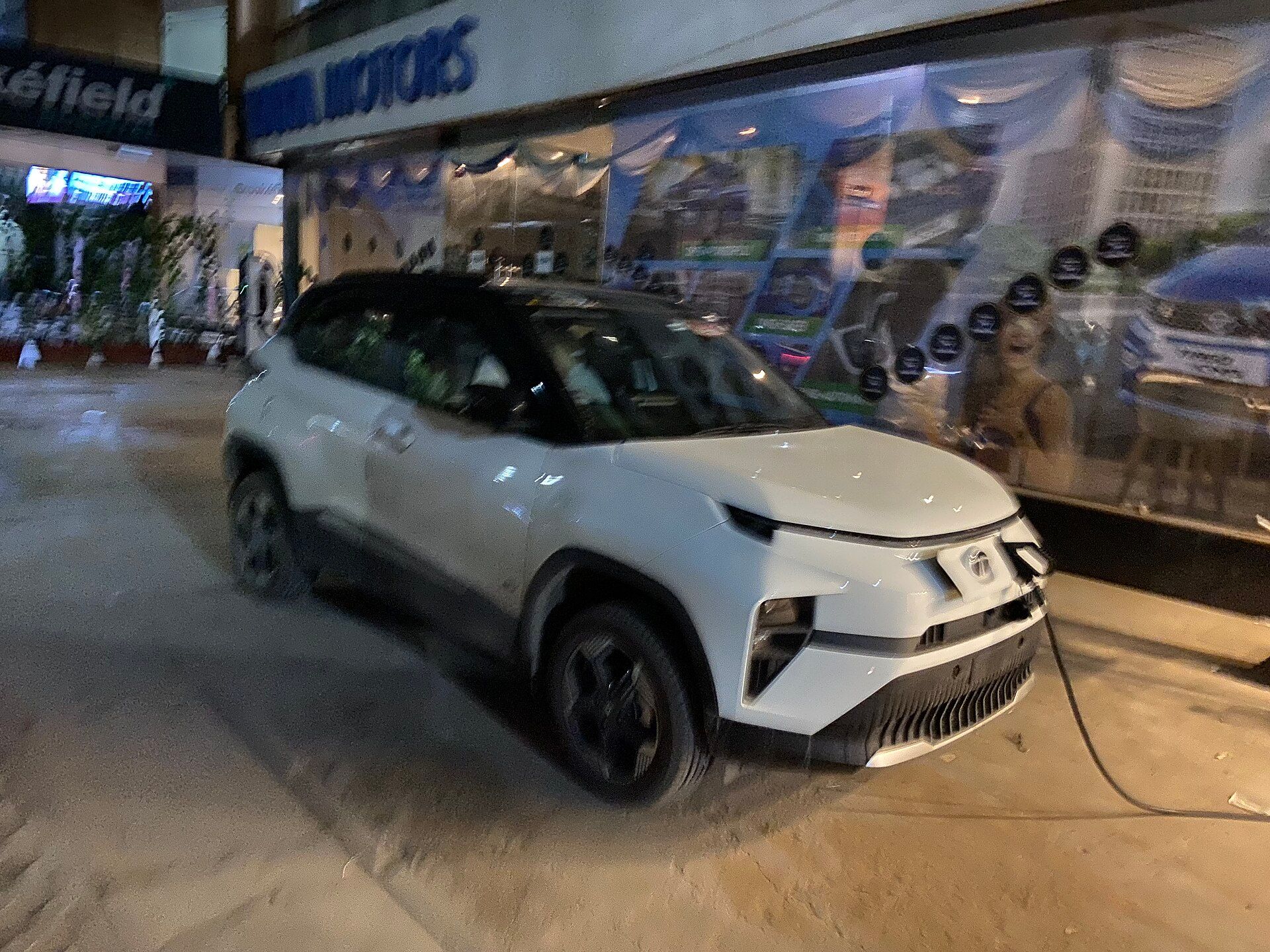
The electric line of the same arithmetic runs through the battery. Our Nexon EV record stores 46.08 kWh for a claimed 489 km — but the listing itself says to expect 300-350 km real-world, so take 320: about 0.145 kWh per kilometre before charging losses, call it 0.16 from the wall. At ₹7.50 a unit that is ₹1.20 a kilometre. The same car fed at ₹18 public DC costs ₹2.90 — still a third of the petrol Nexon, but now the saving is ₹6 a kilometre rather than ₹7.50, and the difference is bought back in time spent somewhere other than your own parking spot.
The range discount is the real spec
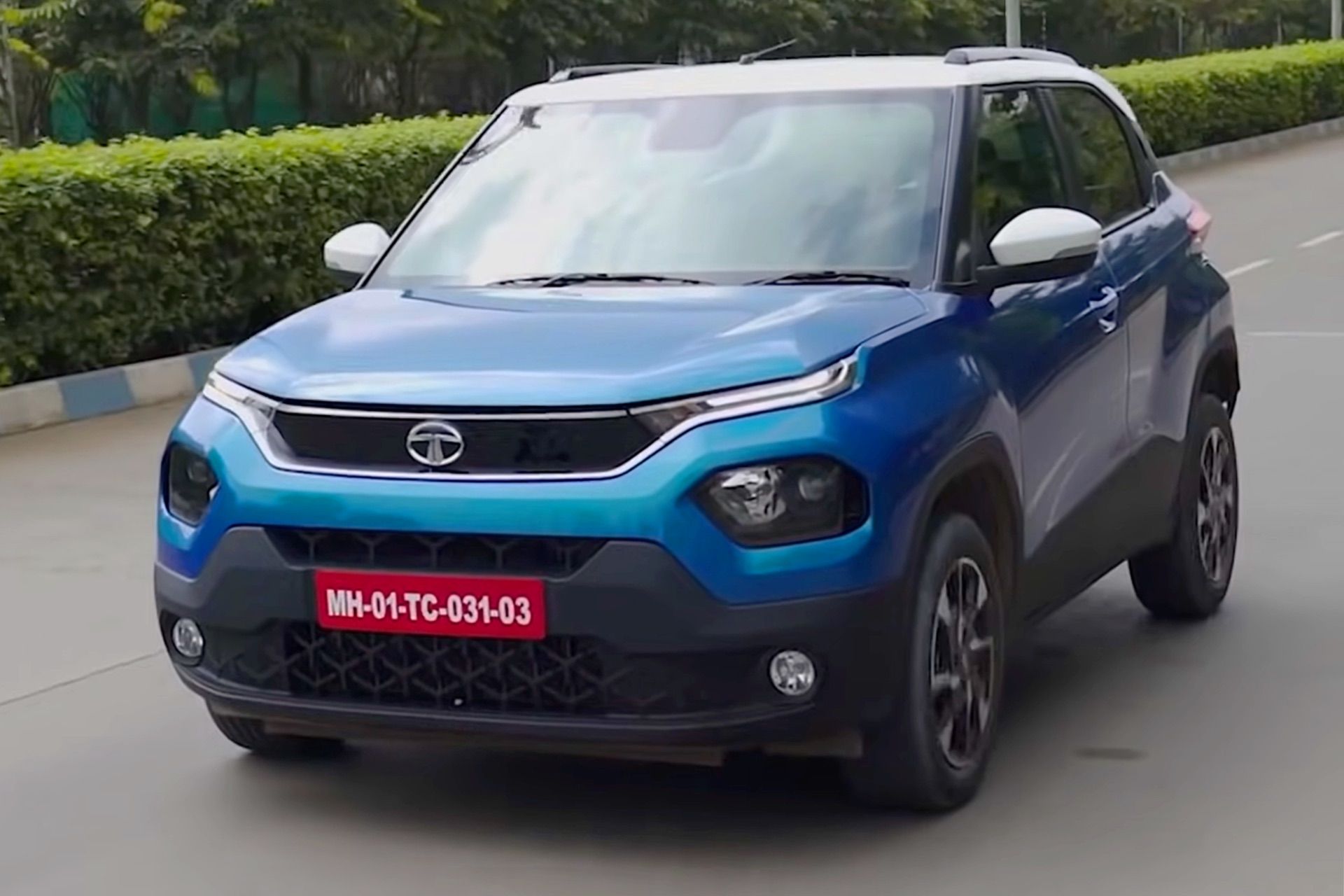
Claimed numbers are measured without the two things that define Indian use: the air conditioning working hard, and the motor spending its leverage. Our listings record the haircut honestly. Nexon EV: 489 claimed, 300-350 real, and the record notes the motor “runs out of leverage above 100 km/h” with range falling accordingly. ZS EV: 461 claimed, “low-to-mid 300s” with summer AC, and a cons line that says highway range trails the claim sharply. The upcoming Punch EV, whose figures our listing marks as estimates: 350 claimed against an expected 240-280. The decision that follows is not charging cleverness but a ratio: if your daily distance, at 65 per cent of the badge, fits inside a night at home with margin for one unexpected trip, the car is a pleasure; if it regularly does not, the cheapest electricity per kilometre is irrelevant, because you will be buying ₹18 kWh in a queue.
That is also why the charge records matter more than the peak. The Nexon EV takes “0-80% in 60 minutes on DC”; the ZS EV about 50; the ₹24.99-lakh BYD Atto 3 claims 29 minutes on a 140 kW charger and the ₹41.90-lakh Volvo EX30 about 26. Fast charging exists for the trips that break your pattern, not to replace the pattern. Two wheels invert it: the Hero Vida lists 165 km on 3.9 kWh with a swap option, and the Ather 450X fills from a home socket in under five hours — a scooter is bought on the assumption that the energy is cheap and waiting at home.
The premium, the insurance, the workshop
Our catalogue prices the Nexon petrol from ₹7.40 lakh and the Nexon EV from ₹12.49 lakh; the Punch from ₹5.75 and the expected Punch EV band from ₹9.79. The ladder says it plainly: the ZS EV’s ₹17.99 lakh entry sits above the ₹17.20 lakh top CVT Creta it overlaps with. On the illustrative rates, the electric car saves about ₹7.50 every kilometre the petrol Nexon does in city traffic. That ₹5 lakh gap takes about four and a half years of 15,000 km to repay, nearly seven at 10,000 km a year, and never at 5,000 km within any ownership period anyone plans around. The crossover is not a property of the car; it is a property of your odometer.
Against the saving sit two line-items the brochures understate. Insurance is priced on insured value, and that value is several lakhs higher in our listings than on the like-for-like petrol car. Servicing runs the other way: no oil, no filters for an engine that does not exist, brake pads that regeneration rarely asks for — the Ather 450X record in our catalogue even bundles an extended battery warranty into a variant, because the battery check is what the workshop interval is really for. Treat the servicing win as real but second-order; it is the smallest number in the sum.
The resale unknown, named
This is the column nobody can fill in yet, and pretending otherwise is how brochures get written. Our Swift record lists “resale value is the segment benchmark” as a pros line; no electric record in this catalogue says anything comparable, because there is no comparable history. The used market will price a five-year-old EV on measurable battery health, and the only mitigating evidence available at purchase is the warranty offered on it — which is precisely why our Hyryder record lists the battery’s warranty terms among its strengths. The honest planning assumption is not that EVs resell badly; it is that the variance is wider, and it belongs in your decision only if you sell at three years. If you keep cars to ten, the odometer arithmetic above owns the answer and the exit price is noise.
Run your own numbers: annual kilometres, parking socket, rates. At the bottom of that page the high-mileage household with a meter of its own gets the electric, and the low-distance shopper who keeps cars to ten years still gets, on this catalogue’s maths, the petrol hatchback.
Frequently asked questions
Is an EV cheaper per kilometre than a petrol car?
On the rates assumed here and the figures our catalogue records, roughly ₹1.20 to ₹1.50 per kilometre at a home socket against ₹5.50 to ₹9.55 for a city-driven petrol car. The caveat doing the work is “home socket” — public fast charging narrows the gap to a third or less, not to nothing.
How far do the claimed ranges actually deliver?
Our own listings answer this: the Nexon EV’s claimed 489 km is described in its record as a realistic 300-350 km with the air conditioning running, and the ZS EV’s 461 km as the low-to-mid 300s. Plan around roughly 65-70 per cent of the badge number for daily use and less at a steady 100 km/h-plus.
What annual distance makes an EV pay?
On the premium of around ₹5 lakh between the Nexon petrol and Nexon EV base prices, and the saving of about ₹7.50 per kilometre against city petrol, the break-even lands near 13,000-15,000 km a year on home charging. Below about 8,000 km, the arithmetic favours petrol no matter which badge you prefer.
Should I wait for the next EV?
If the reason is resale, waiting changes nothing, because the unknown is the same unknown. If the reason is price, the Punch EV listing shows where the market is heading: an estimated ₹9.79 lakh entry into an electric SUV on a 25 kWh pack. The correct question is whether your kilometers are there now.