Bike comparison
KTM Duke 250 vs Suzuki Gixxer 250: the scalpel and the sofa
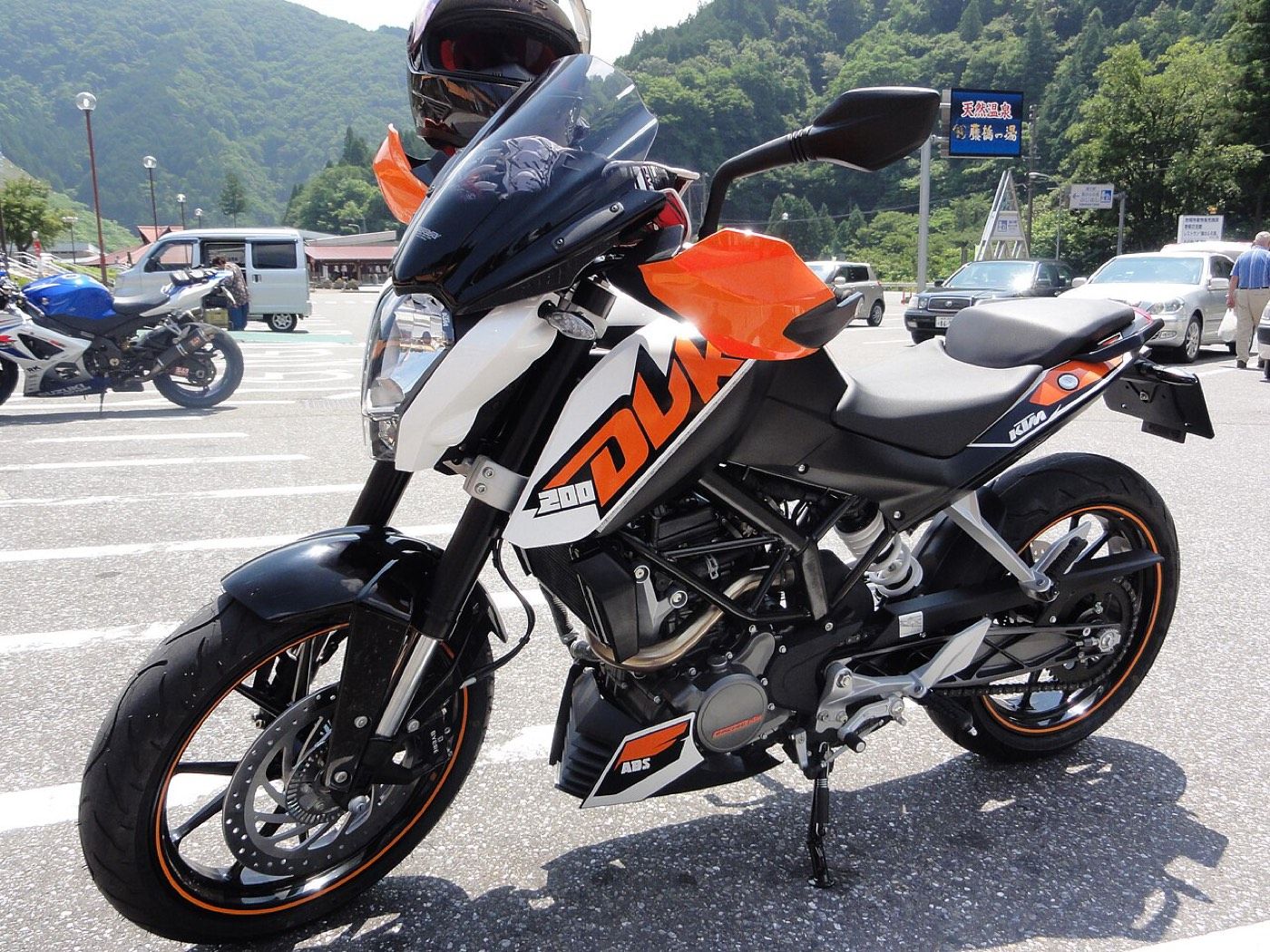
Thirty horsepower against twenty-six and a half, 168 kg against 181, and a chassis philosophy apiece. The quarter-litre class has exactly one real argument left, and it is about what you ride for.
- KTM Duke 250 ₹2.19 lakh
- Suzuki Gixxer 250 ₹2.11 lakh

Editor & Publisher
Head to head
- Entry price Suzuki Gixxer 250 ₹2.11 lakh for the naked Gixxer against ₹2.19 for the Duke; at the top the bands meet at ₹2.29 lakh, where the Suzuki has a fairing and the KTM has a quickshifter.
- Power and torque KTM Duke 250 30 bhp at 9,000 rpm and 25 Nm at 7,500 against 26.5 bhp and 22.6 Nm. On paper the Duke is a different class of 250.
- Claimed mileage Suzuki Gixxer 250 40 kmpl against 35, from a 15-litre tank against 14. Over a year of commuting that is a filling or two a month in the owner’s favour.
- Kerb weight KTM Duke 250 168 kg against 181. Thirteen kilos is the difference between flicking the bike into a corner and arriving at the idea of one.
- Chassis hardware KTM Duke 250 43 mm WP Apex upside-down fork, a 320 mm front disc with a radial caliper, slipper clutch and SuperMoto ABS. The Suzuki’s telescopic fork and twin-piston 300 mm end are competent, not sharp.
- Top speed Suzuki Gixxer 250 150 km/h claimed for the Gixxer against the Duke’s 140 — the long wheelbase holds its line where the KTM is still looking for a gear.
- Two-up and touring Suzuki Gixxer 250 Comfort scores 4.5 against 3.6 in this catalogue. The Gixxer’s flat long saddle and 1,430 mm wheelbase carry a passenger and luggage; the Duke taxes both.
| Specification | KTM Duke 250 ₹2.19 lakh | Suzuki Gixxer 250 ₹2.11 lakh |
|---|---|---|
| Ex-showroom price | ₹2.19 lakh | ₹2.11 lakh |
| Engine | 249 cc | 249 cc |
| Power | 30 bhp | 26.5 bhp |
| Torque | 25 Nm | 22.6 Nm |
| Mileage | 35 kmpl | 40 kmpl |
| Top speed | 140 kmph | 150 kmph |
| Gearbox | Manual | Manual |
| Kerb weight | 168 kg | 181 kg |
| Seating | 2 | 2 |
| Safety | Dual-channel ABS with a rear-off SuperMoto mode and a slipper clutch; no official crash-test rating exists | Dual-channel ABS as standard; no official crash-test rating exists |
| Body type | Sports naked | Sports naked |
| Status | Available | Available |
| Categories won | KTM Duke 250 wins 3 of 12 | Suzuki Gixxer 250 wins 3 of 12 |
Only specifications present in both records are listed. figures without a named source document are unverified motosutra catalogue estimates, not official specifications. confirm current numbers with the manufacturer.
The quarter-litre class in India has settled into a division of labour, and these two motorcycles drew the lines. KTM built the Duke 250 to be the sharpest instrument at the money — more power, better suspension, the brake that ends arguments. Suzuki built the Gixxer 250 to be the most grown-up — relaxed, economical, stable, the one your family can also ride. Every paragraph of this comparison is downstream of that choice, and almost none of it is unfair to either machine.
The engine, which is an engine and a gearbox
The Duke’s 249cc single makes 30 bhp at 9,000 rpm and 25 Nm at 7,500, and it wants to be worked for both numbers. MotoSutra has ridden neither bike, so what follows reads their documented character rather than a saddle log. Below 5,000 it is a docile commuter; from 8,000 to the limiter it is the reason the bike exists, and the slipper clutch promises downshifts as entertaining as the upshifts. That character is also a tax: city riding means using the six-speed box constantly, and the ride-by-wire mid-range map covers for the trough rather than filling it.
The Suzuki’s oil-cooled single is the opposite brief, executed well. 26.5 bhp at 9,000 with the power arriving in a broader, flatter spread, 22.6 Nm at 7,300 that is still useful at 4,000, and a gearbox documented as sweet enough that riders stay in too-high gears happily and get away with it. In a straight line from a signal the difference should be exactly the four-and-a-half horsepower suggests — the Duke leaves, and the Gixxer follows without embarrassment. On the open road, at a genuine 110-120 km/h cruise, the KTM needs a gear it has not used and the Suzuki needs nothing from anyone; the faired SF is the quieter place to sit.
The chassis, which is where the money went
Hardware separates them more sharply than the engines do. The Duke carries a 43 mm WP Apex upside-down fork, a 320 mm front disc with a radially mounted caliper, and dual-channel ABS with a rear-off SuperMoto mode — the braking and suspension package of a motorcycle at more money, which is why this catalogue calls it the most performance-complete under 300cc. At 168 kg it should change direction like a smaller machine, and the trellis frame is the kind that tells the truth about grip.
The Gixxer’s 41 mm telescopic fork and twin-chamber rear shock are comfortable rather than sharp, its 300 mm front disc twin-piston and adequate rather than emphatic, and at 181 kg it is, in this listing’s own word, the slug of the sport-naked comparison. But that mass and the 1,430 mm wheelbase buy the thing the KTM cannot fake: stability with a passenger and luggage at highway speed, and a rear end that absorbs what the Duke reports. Ground clearance tells the daily trade too — 165 mm for the Suzuki against 135 for the KTM, which is the difference between ignoring a tall breaker and choosing a line over it.
The Duke’s firm seat and stiff suspension are set-ups for good roads on a country with few of them; nobody buys one for a pillion, and the catalogue’s 3.6 comfort score is the pillion’s review before it is the rider’s. Neither motorcycle settles the seating question with its saddle height — both list at an 800 mm seat — so it is the seat padding, the wheelbase and the clearance that decide whose passenger complains first.
Equipment and economy
The KTM answers with a TFT display, phone pairing and, at ₹2.29 lakh on the Obsession Edition, a two-way quickshifter — the electronic the segment keeps asking for. The Suzuki gives a negative-LCD console with a range readout, and at the same ₹2.29 lakh on the MotoGP SF gives a fairing instead. The trade is quickshift against wind protection, and the argument never resolves because both are right.
Economy resolves it a little. Claimed 40 kmpl against 35, from 15 litres against 14, means the Gixxer is the cheaper motorcycle by a filling every fortnight for a real commuter, and MotoSutra’s estimate bands — 35-42 against 30-34 in city use — keep the ordering on either throttle. Service pricing and parts lead times sit with Suzuki; the KTM’s imported-brand upkeep is the recurring line item the cons list flags honestly.
Which one to buy
Buy the Duke 250 if you ride alone, the route has corners, and you are willing to pay in mileage, comfort and clearance for hardware that makes you feel competent. It is the motorcycle of the pair — the one you think about when you are parked.
Buy the Gixxer 250 if the pillion exists, the commute is long, and the specification you actually use is the fuel gauge and the suspension travel. It is the transport, and it does that job better than anything else at the money.
The two of them together would make one very sensible owner; forced to choose, the honest question is not which is better but what you are actually on it for.
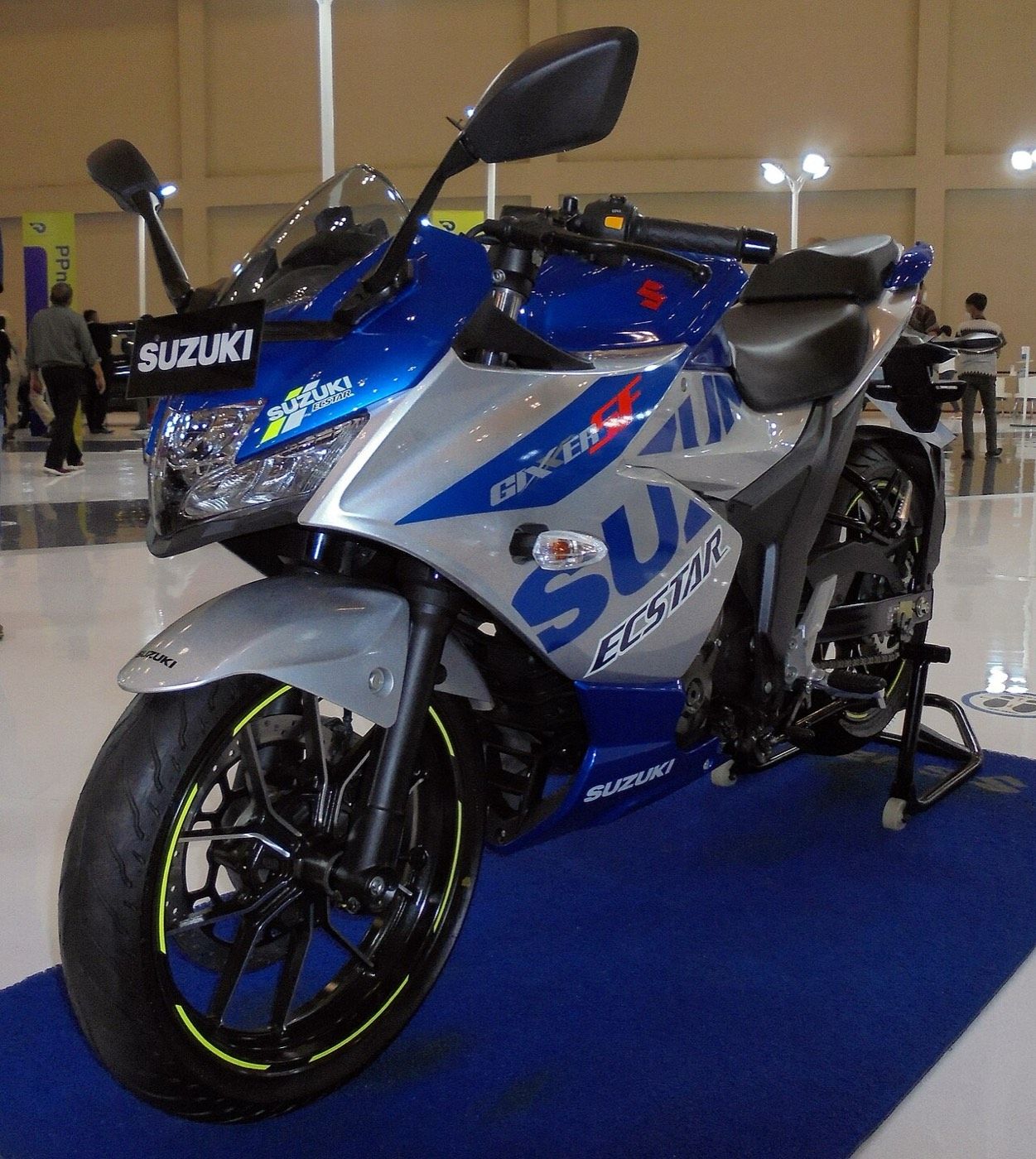
The two models
Frequently asked questions
Which is faster, the Duke 250 or the Gixxer 250?
The Duke, everywhere below its 140 km/h ceiling: 30 bhp and 168 kg against 26.5 bhp and 181 kg is a power-to-weight gap no spec sheet argues about. The Gixxer’s claimed 150 km/h is a faired top-end advantage it reaches more politely than the KTM is refused.
Is the Duke 250 comfortable enough for daily use?
Enough, at the price of honesty. The specification is firm of saddle and stiffly sprung, 135 mm of ground clearance punishes tall breakers, and the pillion takes the worst of it. The Gixxer is the easier place to spend a commute.
What mileage should I expect in this comparison?
The claims are 35 kmpl for the Duke and 40 for the Gixxer. MotoSutra estimates city Duke riding at 30-34 kmpl when the throttle is used the way the engine invites, and the Gixxer at 35-42, with gentle highway runs near 45.
Which is the better first 250?
The Gixxer, for most riders — the torque band is broad, the gearbox sweet, the seat height and clearance forgiving. The Duke asks you to work the clutch and the brakes in the way that is its entire appeal, and rewards a season of experience rather than the first month.