News
Kawasaki brings the Ninja 300 back with a track pack, and the twin does the rest
The 296 cc parallel twin returns to the Indian lineup at ₹3.45-3.52 lakh in our unverified listing, with a circuit-focused accessory package aimed squarely at the Duke 250’s track-day crowd.
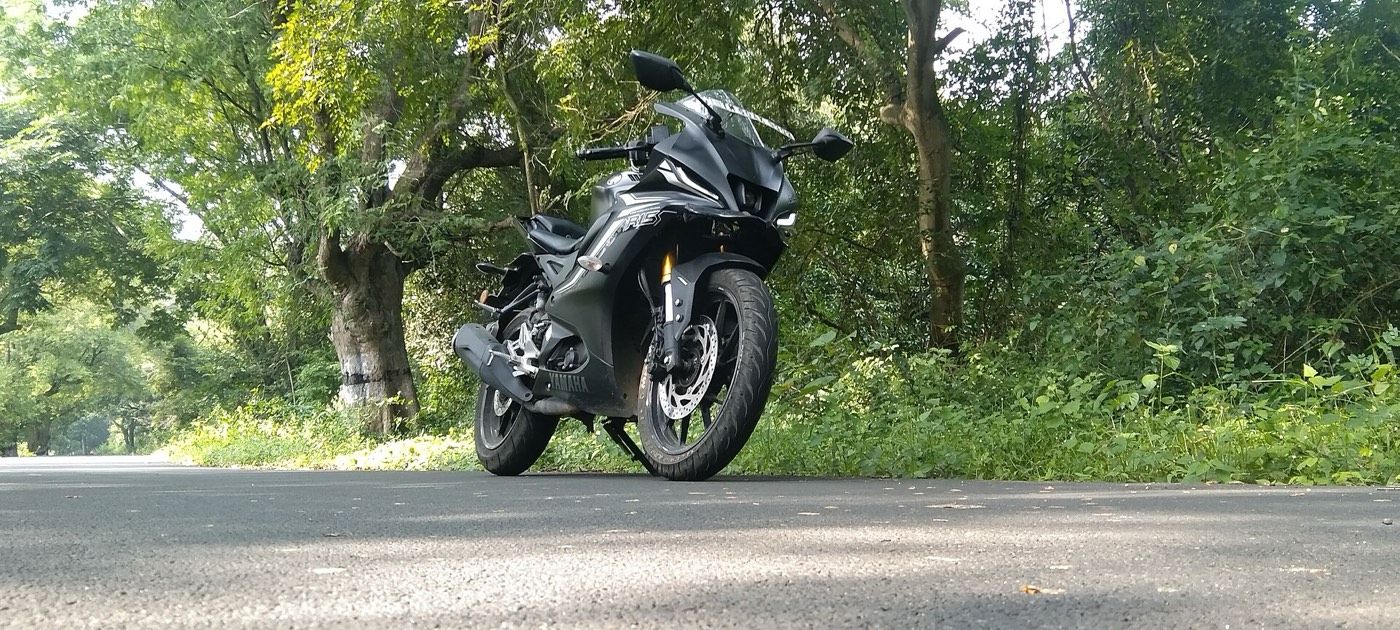
- Yamaha R15 ₹1.55 lakh
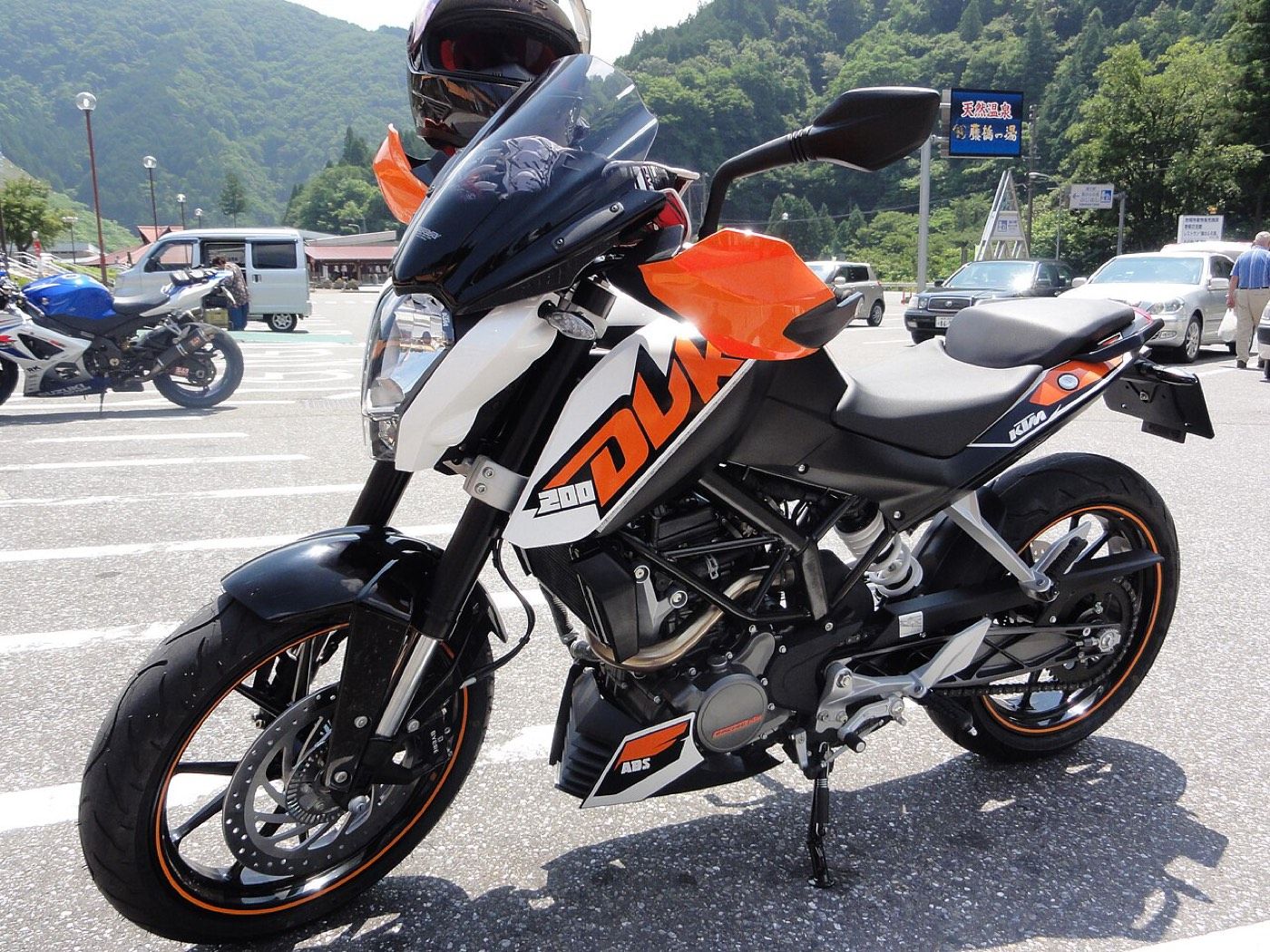
- KTM Duke 250 ₹2.19 lakh
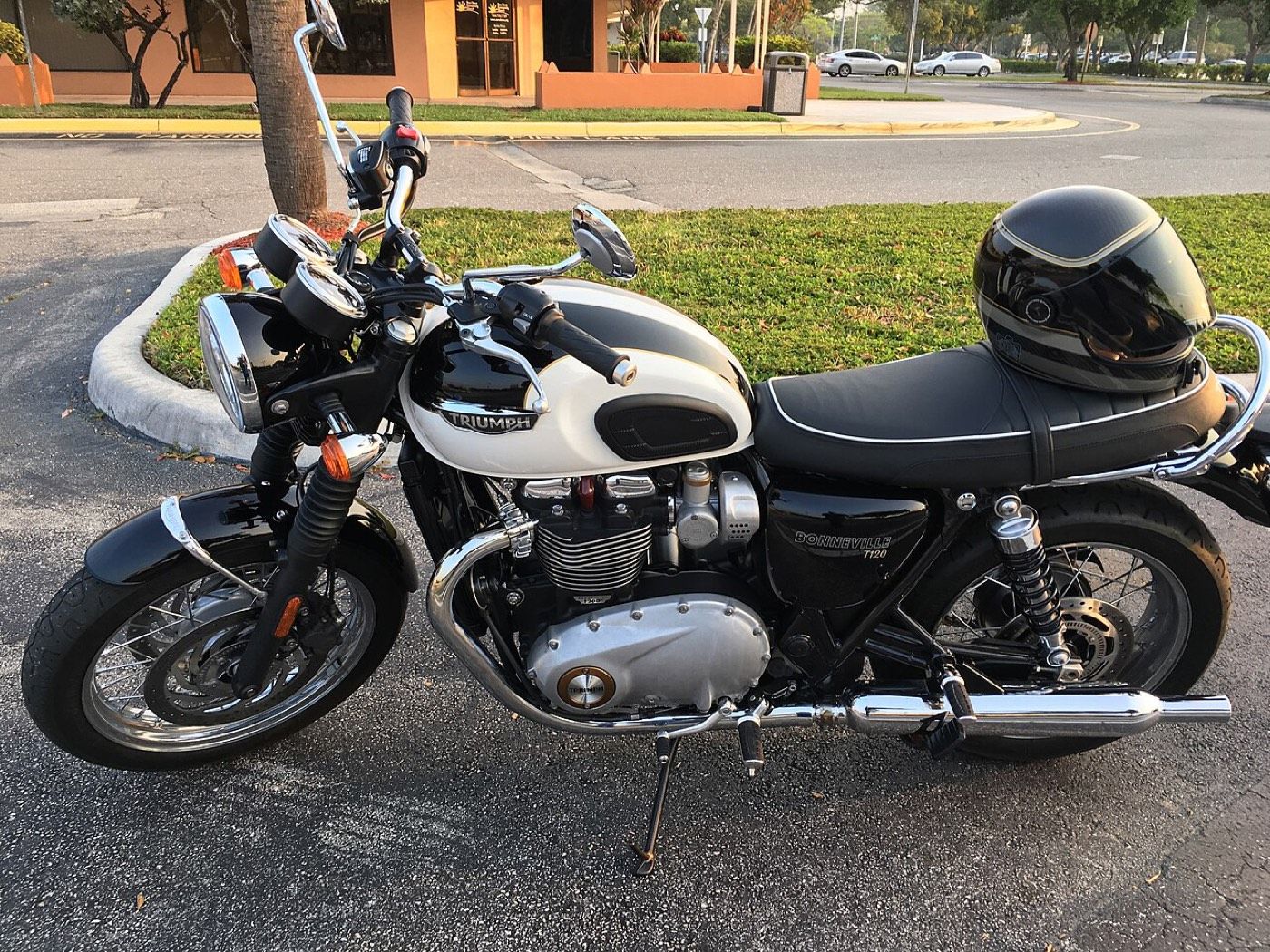
- Triumph Bonneville T120 ₹9.9 lakh
- Kawasaki Ninja 300 ₹3.45 lakh

Editor & Publisher
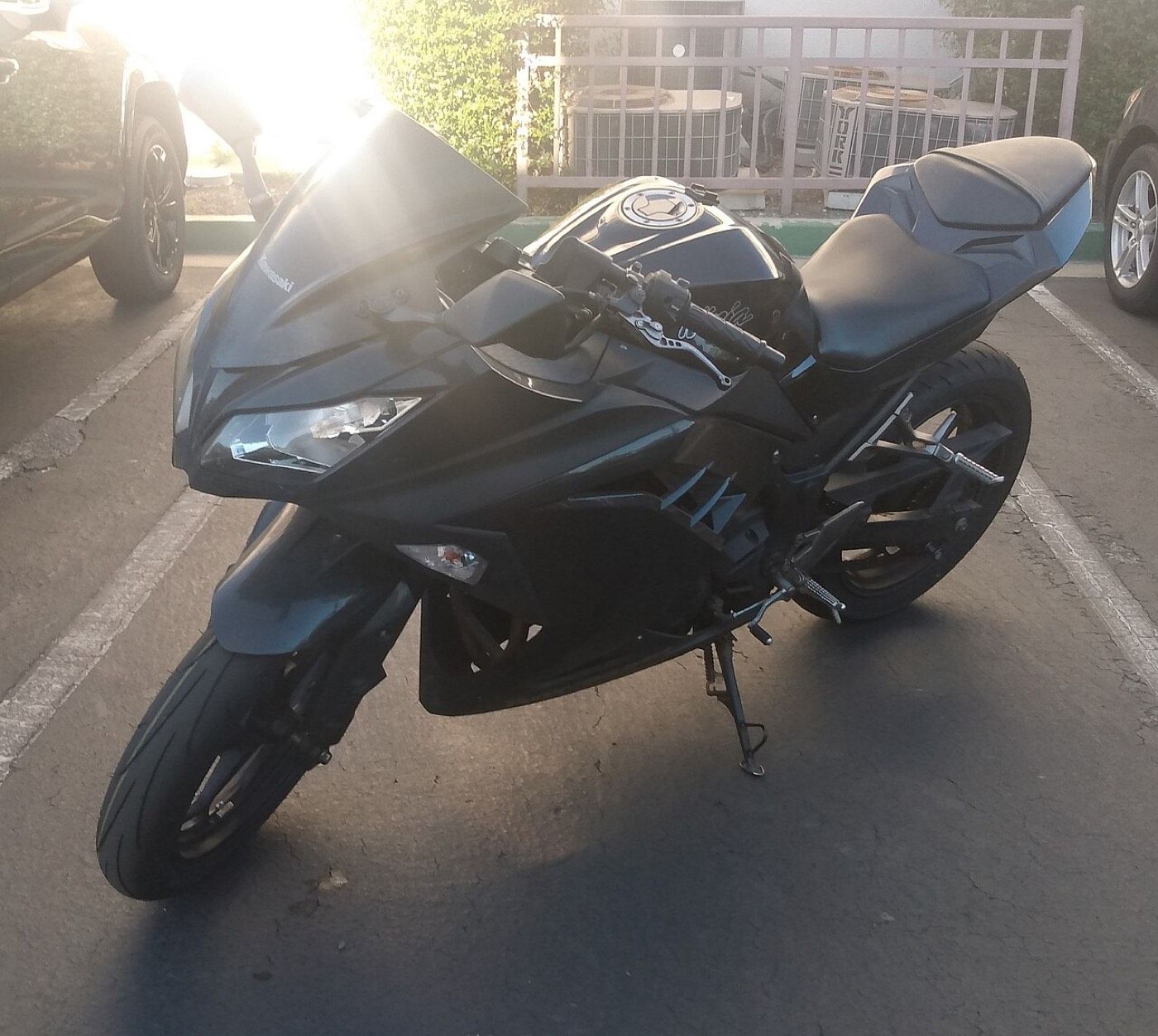
The Ninja 300 is back on the price list, which is a slightly funny way of putting it — the record on our books has carried the 296 cc parallel twin as available since late 2023 — but Kawasaki’s relaunch with a track-pack bundle is aimed at a specific gap. Our own Duke 250 review and comparison pieces treat the KTM as the track-day default under 400 cc, and Kawasaki is answering with the only twin-cylinder in the bracket and a parts bin addressed to the circuit.
The machine underneath the marketing is the interesting part, because it is unchanged: standard Ninja 300 at ₹3.45 lakh, KRT Edition at ₹3.52 lakh in our unverified listing, and the accessory bundle itself is a figure this article introduces, at ₹38,000, that the listing does not yet carry.
What the twin actually is
Spec-first, from the record: 39 bhp at 11,500 rpm and 27 Nm at 10,000 rpm from a liquid-cooled parallel twin, a claimed 165 km/h, 179 kg kerb, a 785 mm saddle, and a 17-litre tank. Our own language for it is that the Ninja is “the motorcycle for a buyer who was promised a supersport and mostly gets one”, and the midrange is the punchline — the torque curve is broad enough that the twin pulls from 4,000 rpm in sixth on an on-ramp, which is usability dressed up as race pedigree.
That midrange is also why the track pack exists. A single-cylinder gives you a reason to use the clutch at a circuit; the Kawasaki asks for the throttle instead, and the record’s own word for its six-speed is silky — with the assist and slipper clutch on the option list, that is hardware built to keep the power band loaded through corners the Duke’s peaky 249 forces out of gear. Against the volume faired Yamaha of the class — 155 cc and a ₹1.55-1.72 lakh sticker in our R15 record — this is simply a different order of machine, and a different order of price.
The honest chassis criticism
Our listing already says the quiet part: the 37 mm telescopic fork and the 299 mm front disc are road-spec, not paddock-spec, and the pegs touch down early for a 300. The track pack is Kawasaki conceding exactly that sentence — braided line and race pads for feel and stamina, sliders for the drop that peg-scraping eventually invites, stickier rubber because the stock fitment is the compromise. What a pack cannot sell you is geometry: the bike remains faster than its front end’s confidence level, on the record’s own assessment, and the answer at the circuit is to ride it to the chassis, not the engine.
A company brief around the relaunch pitches the package as a ladder — track days as the recruiting tool for riders who will keep the fairing on the street — and leans on the twin’s smoothness as the thing single-cylinder graduates notice first.
Where it lands
The relaunch asks a simple question of our catalogue’s sports shelf. The Duke 250 is the sharper instrument at ₹2.19-2.29 lakh; the Ninja 300 asks roughly ₹1.2 lakh more on MotoSutra’s estimate to be the smoother, heavier, more usable one with a 165 km/h ceiling and genuine highway range. The track pack narrows the hardware argument without pretending to close it. Buyers after lap-time per rupee will keep buying Austrian singles; buyers after the sound, the fairing and a motorcycle that commutes without a weekly physio budget — the Ninja’s own listing words — now have a reason to walk back into the showroom.
Frequently asked questions
What does the Ninja 300 cost?
Our listing records ₹3.45 lakh for the standard motorcycle and ₹3.52 lakh for the KRT Edition, ex-showroom Delhi NCR. The track-pack accessory bundle priced at ₹38,000 is a figure this article introduces that the listing does not yet carry.
What is in the track pack?
On this article’s working figures: stickier road-sport tyres, a braided front brake line, race-grade front pads, frame sliders and a padded tail cover, sold as a bundle for circuit days. The motorcycle itself — engine, gearbox, suspension — is unmodified, which is the pack’s honest limitation.
Is the Ninja 300 faster than the Duke 250?
On the records, the outputs are close — 39 bhp from Kawasaki’s 296 cc twin against 30 bhp from KTM’s 249 cc single — but the character is not. The Kawasaki’s power arrives at 11,500 rpm with a broad midrange our listing says pulls from 4,000 in sixth; the Duke’s lives above 8,000 and weighs 11 kg less, at 168 kg against the Ninja’s 179.
Should a buyer take it to a track day as listed?
Our own record is the warning: “the bike is faster than its front end’s confidence level”, with a 37 mm road-spec fork and a 299 mm disc. The pack addresses brakes and protection; the ceiling figure of 165 km/h and the pegs that touch down early define what the bike will and will not forgive.