Specs & analysis
Kia Sonet review: the segment’s options arms dealer, with one load-bearing asterisk
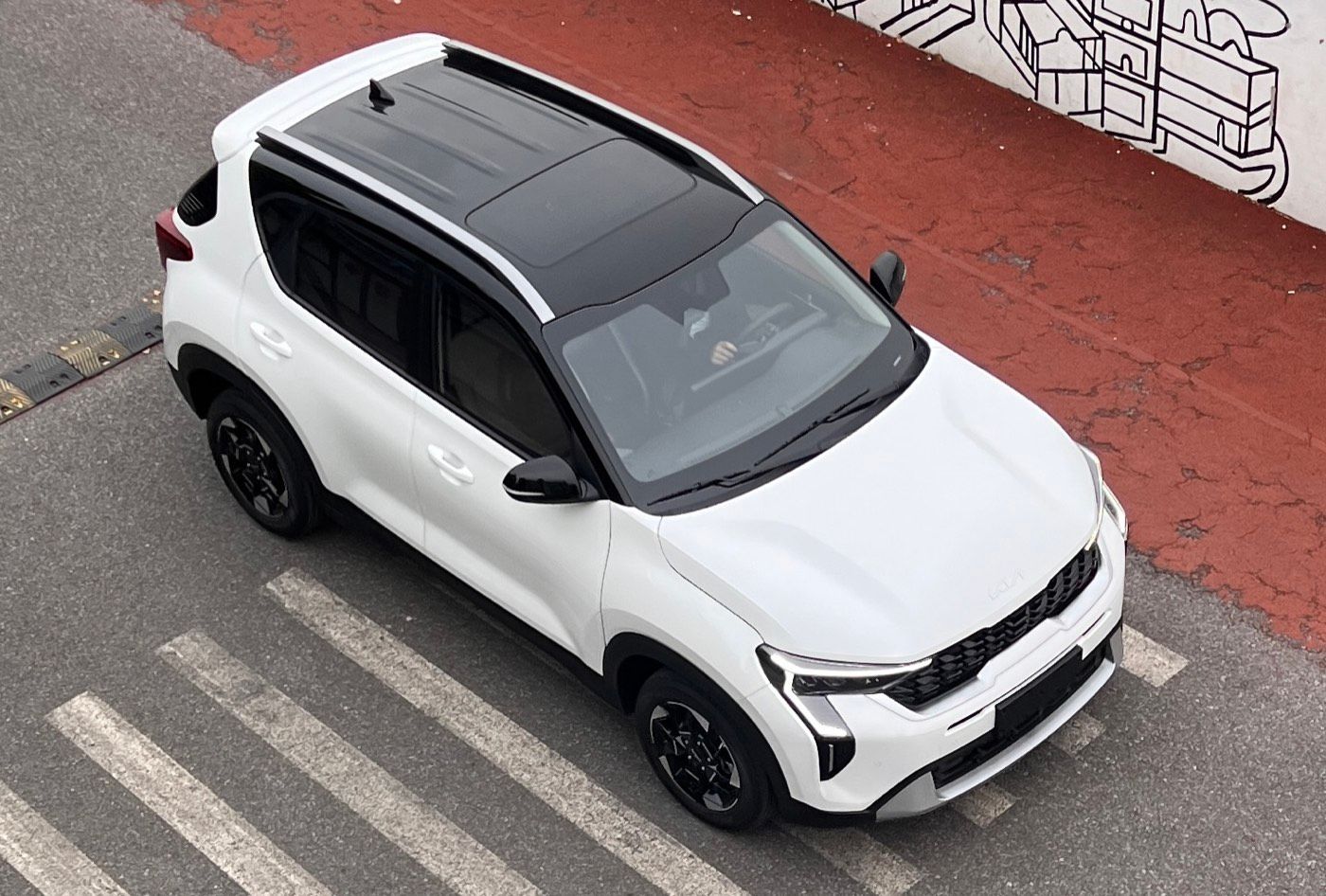
MotoSutra read the Sonet GTX+ dual-clutch spec sheet against three weeks of Delhi-NCR duty cycles it has not driven, then did the same for the iMT. The turbo is the class yardstick and the equipment list is absurd for the money — but the crash score is the conversation every showroom ends up having.
- Kia Sonet ₹7.99 lakh

Editor & Publisher
MotoSutra editorial rating
4.1/5
Overall score across 7 rated dimensions
MotoSutra editorial rating: 4.1 out of 5
Lowest rated
Safety
3.3/5
Build quality, safety features & ratings
- Performance Power, acceleration & driving dynamics 4.4/5 Very strong
- Features Tech, convenience & equipment 4.6/5 Excellent
- Design Looks, presence & styling 4.2/5 Very strong
- Safety Build quality, safety features & ratings 3.3/5 Average
- Interior Space, materials & practicality 4.3/5 Very strong
- Efficiency Mileage / range & running costs 4.0/5 Very strong
- Comfort Ride quality & long-drive comfort 4.0/5 Very strong
The Sonet is the compact SUV you buy after a blind spec-sheet comparison, because on paper it wins almost every column except the one printed at the back. The turbo-DCT combination is the class benchmark for a reason, and the equipment ladder makes rivals look stingy at equal money. But the three-star structure means the careful buyer’s route through this car runs through its top trims for the driver assistance — and at that point the price argues against the badge. Excellent car, demanding price ladder, average cage.
MotoSutra editorial rating on a 5-point scale. Rated across 7 dimensions; unscored dimensions are omitted.
The Kia Sonet’s market position can be explained in one sentence: it gives you more car per rupee on the parts of a brochure people photograph, and asks you to accept less on the part they cannot see. Reading the GTX+ dual-clutch specification against three weeks of Delhi-NCR duty cycles, and then doing the same for the iMT, established both halves of that sentence pretty efficiently — though MotoSutra has not driven either car, and everything below is a research-based reading of documented specification. This is a review of a very good product trapped in a persistent argument about stars.
The turbo is the class yardstick, and it isn’t close
The 998cc three-cylinder makes 120 bhp at 5,500 rpm and puts 172 Nm on the table from 1,500 all the way to 4,000 — a plateau wide enough that the turbo looks like it is cheating the displacement figure. Off the line the Sonet has a kerb weight of only 1,275 kg doing a lot of quiet work, and in the 40-90 km/h band that constitutes most of Indian driving, the numbers say it is the car that others move for. The catalogue’s 185 km/h top speed figure is, like all such things, a statement about the engine rather than a lifestyle.
Against the identically-specced turbo in the Hyundai Venue, the difference is the gearbox. Kia’s seven-speed dual-clutch is specified to execute kick-downs with a decisiveness that shames most human drivers: drop the throttle at 80 and the box has found second gear before your passenger has finished bracing. The iMT is clever and keeps the clutch out of traffic at walking pace, but it is a convenience device, not a performance one. The DCT is the real car.
You can forgive the Sonet almost anything for three seconds at a signals standstill. That is precisely the problem with reviewing it honestly.
Highway: quick, then loud, then quick again
On the expressway the specification leaves the Sonet the fastest thing in its class to a confident 120 km/h, and the 15-16 kmpl cruise band MotoSutra estimates for it makes even a turbo economical in the right foot. The complaints arrive after the speed: wind around the mirror caps at 120 is the predictable consequence of the body, and a coarse three-cylinder note through the bulkhead is the price of forcing the DCT into the gears hard. The steering has decent weight at speed; directional stability is good until crosswind off the back of a truck reminds you of the tall body. Overtaking should never be a negotiation in this car, which buys you a real safety margin on two-lane roads.
Ride and the second row’s grievance
The Sonet rides firm — flatter through corners than most rivals on its spring and damper specification, and the geometry says more composed than the Venue over mid-corner bumps on broken tarmac. But Kia has tuned the rear axle for the driver, and the second row pays the tax. Expect expansion joints to arrive as a sharp report, and serial bumps to set the bench buzzing. With 205 mm of ground clearance the car is likely to float slightly when unloaded at highway speed, too. It reads as a competent, safe-feeling setup that simply never lets the back seat forget the road surface. That is the whole explanation for a comfort score of 4.0.
Space is the surprise: the 1,790 mm width makes the bench genuinely good for two adults and survivable for three, and the 392-litre boot is the biggest of any compact SUV in this catalogue. The load lip is low, which dog owners and IKEA shoppers will appreciate more than any feature on the options list.
Inside: the equipment floor is the entire sales pitch
Even the HTK at ₹9.89 lakh in this listing carries the 10.25-inch touchscreen and reversing camera that many rivals reserve for showcase trims. Climb the ladder and the GTX+ adds the digital cluster, ventilated front seats, ambient lighting, a cooled glovebox — a small thing that becomes a large thing in a May afternoon — and the Level-2 assistance suite. The fit and finish are a class above the price on the evidence, and the wide, flat dash architecture makes the cabin feel bigger than the exterior proportions suggest. The twin-specced 1.0 turbo manual HTX+ at ₹11.99 lakh is where this catalogue thinks the value peaks; equipment-wise it is a long way from home, but the drivetrain is the same car.
Kia’s connected app does remote climate start, which in Delhi is not a gimmick but a public-health measure. The wireless charger is slow and the car heats up on it in summer, which is every car’s fault, not Kia’s specifically.
Efficiency, honestly
Claimed 18 kmpl; MotoSutra estimates 12-13 on a mixed month, bottoming at 11-12 in standstill traffic and reaching 15-16 with the cruise set at 100. The NA base cars do a couple of kmpl better in the city and a lot worse when loaded — which is the same trade the Venue makes. Nobody buys this car for the fuel bill, and anyone who does should read the Altroz’s numbers instead.
The asterisk you cannot option away
Six airbags are standard across the range here — the correct decision and worth saying plainly. What remains stubbornly average is the cage: a three-star Global NCAP adult score in this listing, sitting between the Venue’s three and the five-star Tatas at the same money. Driver assistance helps you avoid the crash and cushions the one you cannot. If safety is the load-bearing criterion in your household, the Sonet argument has to start and end at the GTX+ — and then it has to survive the fact that ₹16.20 lakh is no longer small-SUV money.
Verdict
The Sonet is the best-driving and best-equipped compact SUV in this catalogue, and it will always be sold against a number printed on a crash-test certificate. The turbo-DCT pairing is the class benchmark and the boot is the class winner; the ride is driver-biased and the structure is mid-pack. Buy the HTX+ turbo manual for value, the GTX+ if the budget is real and the safety suite is non-negotiable, and the iMT only if the commute is permanent standstill.
Who should buy it
Drivers who actually use the turbo — weekly highway runs, enthusiastic city merges — and who want the segment’s equipment ceiling without a bigger footprint. Families who need the 392-litre boot will quietly love this car for nine years. Who should not: five-star-or-bust households, rear-seat-first buyers with long commutes — the firm axle will out-vote the turbo in their review — and anyone whose budget caps at the naturally aspirated trims, where the Sonet becomes a nicely furnished average car.
Pros and cons
What we like
- The 1.0 turbo with 172 Nm from 1,500 rpm is the quickest specification in MotoSutra’s compact SUV set at legal speeds
- Seven-speed dual-clutch shifts faster and more predictably than any automated rival here
- The 392-litre boot is the largest among the compact SUVs listed, and the cabin is wide in a way the footprint denies
- Mid-level Sonets carry kit — ventilated seats, cooled glovebox, connected features — that rivals reserve for showcase trims
What we would change
- The three-star Global NCAP adult score is the segment average, not its best, and it costs the Sonet the moral argument
- Three-cylinder gruffness at idle never fully goes away, cold or warm
- Firm rear suspension settings report expansion joints directly to the second row
- At ₹16.20 lakh the GTX+ is priced into bigger-SUV territory, where this car’s five-door logic starts to strain
Frequently asked questions
What mileage can the Sonet be expected to return?
The claimed turbo figure is 18 kmpl. MotoSutra estimates 12-13 kmpl over mixed Delhi use, with 11-12 kmpl in heavy traffic and 15-16 kmpl at cruise on the expressway — the band this unverified catalogue carries for the turbo. These are labelled estimates, not measurements.
iMT or DCT?
The iMT at ₹13.99 lakh keeps clutch work out of traffic with a more direct feel; the seven-speed DCT at ₹16.20 lakh is simply the better machine — quicker on paper, smoother at low speed, and the one that makes the turbo’s mid-range usable. This catalogue recommends the DCT if the budget stretches.
Is the Sonet safe?
Six airbags and electronic stability control are standard on every variant in this listing, and the GTX+ adds a Level-2 driver-assistance suite with adaptive cruise. The structure itself carries a three-star Global NCAP adult score, behind the five-star alternatives at similar money.
How big is the boot?
392 litres — the largest of the compact SUVs in this catalogue, and enough, realistically, for two check-in bags plus the weekly market without folding the 60:40 bench.