EV
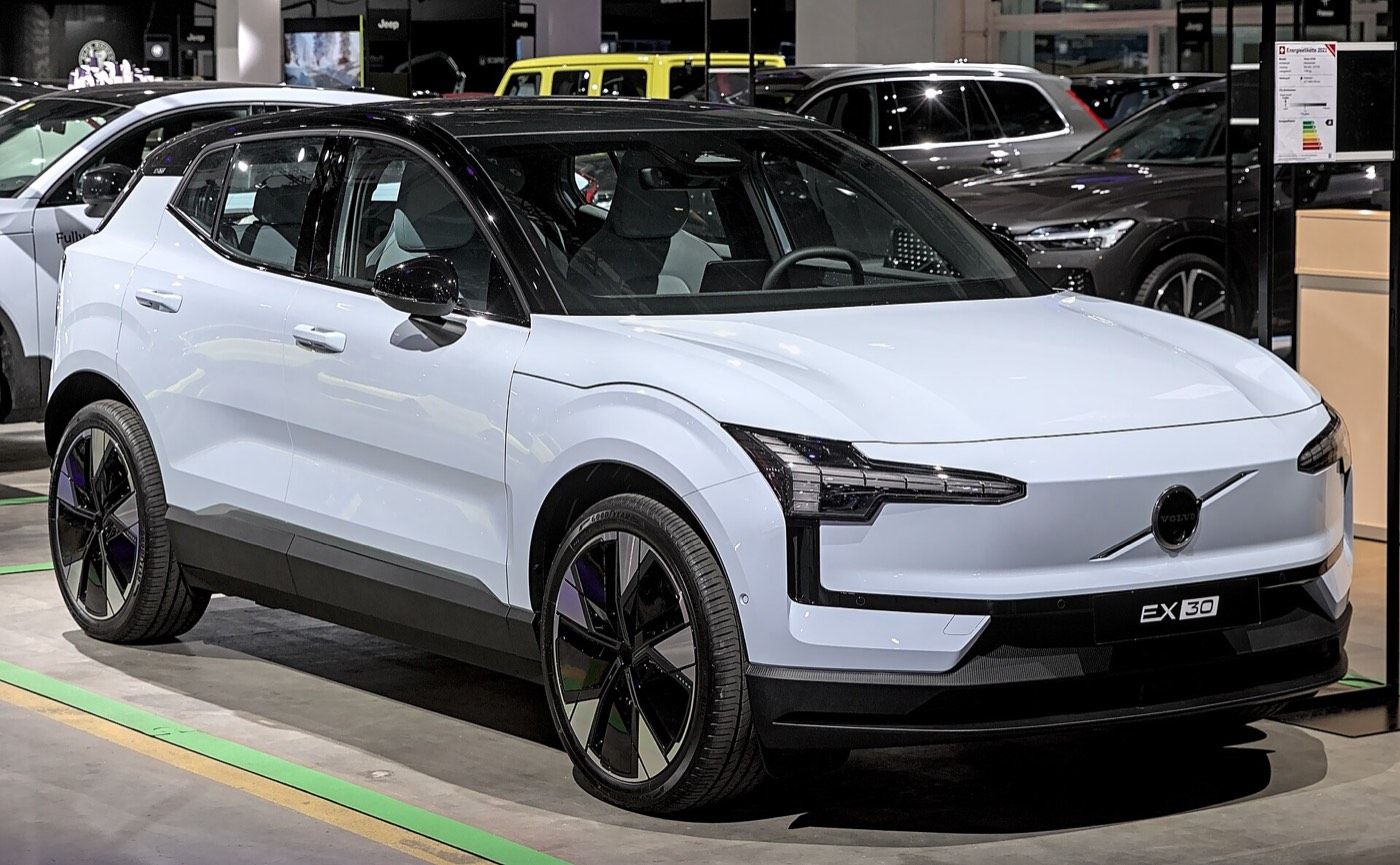
Volvo’s smallest EV lands in India: the EX30 from ₹41.90 lakh, top twin-motor at ₹57.90 lakh
Four import-spec variants, a 69 kWh extended-range pack claiming 476 km, 10-80 percent charging in about 26 minutes, and a cabin that deletes the instrument cluster entirely.
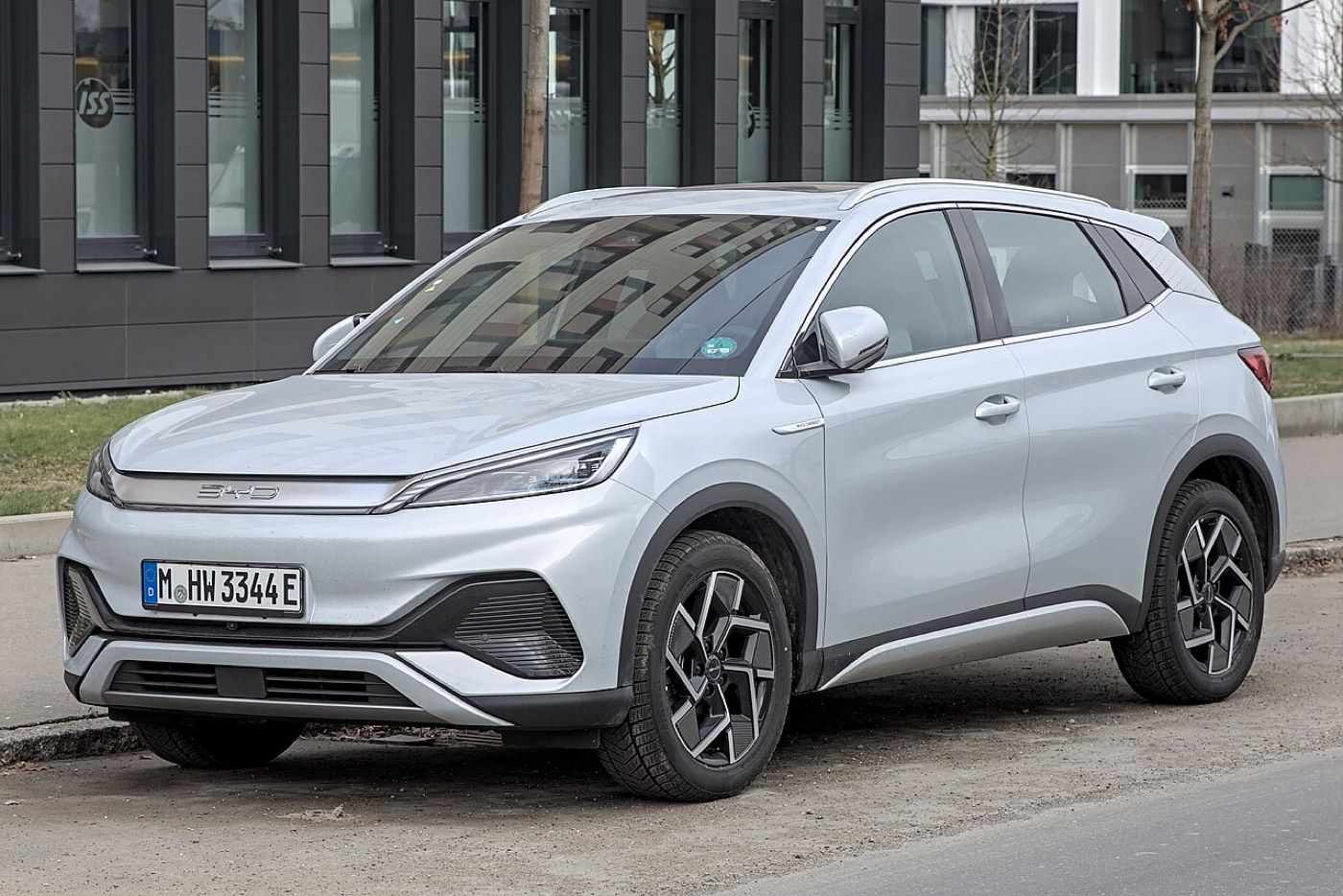
- BYD Atto 3 ₹24.99 lakh
- Volvo EX30 ₹41.9 lakh
- Mercedes-Benz GLC ₹72.9 lakh

Editor & Publisher
Volvo has launched its smallest electric SUV in India, and the EX30 arrives as a working thesis rather than a product: that luxury can be defined by subtraction. There is no instrument cluster behind the wheel in the cabin our catalogue describes, just a single 12.3-inch centre screen; the trim is recycled material left visibly textured rather than hidden under veneer; the tunnel storage box lifts out because it is designed to; and there is no frunk, a fact the brand concedes in the same breath as it quotes the charging curve. The recorded hardware, though, is not minimal at all: a 69 kWh extended-range battery claiming 476 km, 10-80 percent DC charging in about 26 minutes, and 272 bhp and 343 Nm from the twin-motor flagship.
The price ladder places it precisely between the electric cars this site already recommends and the premium combustion SUVs it does not need to explain. At ₹41.90 lakh for the Core Single Motor, the EX30 starts above the Atto 3’s recorded ₹24.99 lakh entry by a margin that buys badge, materials and the safety package rather than range; at ₹57.90 lakh for the Twin Motor Peak Performance, it undercuts the Mercedes GLC money while beating most of it to 100 km/h. Volvo’s bet is a buyer for whom the next car is deliberately smaller than the last one.
The safety argument, since it is the brand’s whole grammar
Every EX30 in this launch carries a centre airbag between the front occupants, a full driver-assistance suite as standard across variants, and the five-star safety rating our listing records for the structure — the most comprehensive standard package of any vehicle in this catalogue, which is a strong claim from a brand whose marketing department barely needs to make claims. Our ADAS explainer argues that the function list matters more than the badge; here the list is standardised on every rung of the range, which is exactly the decision no volume brand has yet made at this price.
The engineering compromises are equally honest and equally deliberate. The rear seat is specified as a two-adult space rather than three, 400 litres of boot is respectable without being generous, the car is 4,233 mm long with a 2,650 mm wheelbase and 190 mm of clearance, and the listing notes road noise on coarse tarmac is more present than the price suggests. The key situation — phone-as-key capability with a physical key as a contingent artefact — is the detail that divides opinion before the first delivery month is out.
A company brief framing the launch calls the EX30 the fastest-growing car in Volvo’s history globally and leads on the charging figure; the Indian specification our catalogue carries matches the global one, which is itself a small statement in a market of diluted imports.
Who this is for, stated plainly
The character reads off the recorded numbers: a claimed 180 km/h top speed on the twin-motor car is a statement of intent, the 343 Nm is on tap from zero in a way a petrol SUV’s torque curve never is at this money, and at 26 minutes to 80 percent the road-trip arithmetic that still punishes most electric cars here stops mattering on a planned route. Against the Atto 3’s 29-minute window, the difference is coffee, not anxiety.
What the subtraction leaves out is the actual purchase question. This is a car for a household with a second vehicle or a home charge point, that values a distinctive object over a versatile one, and that reads a deleted instrument cluster as clarity rather than deprivation. Every other buyer in ₹41.90 lakh territory will keep shopping; the EX30 is not trying to convert them, and after two decades of safety marketing that insisted on being everything to every family, a car brand launching an opinion is the most interesting thing this quarter.
Frequently asked questions
What does the EX30 cost in India?
MotoSutra’s unverified catalogue lists four variants from ₹41.90 lakh for the Core Single Motor to ₹57.90 lakh for the Twin Motor Peak Performance, with the Plus Single Motor at ₹46.90 lakh and the Ultra Single Motor at ₹51.90 lakh between them, all ex-showroom Delhi NCR.
What are the battery and range figures?
The extended-range pack recorded here is 69 kWh with a claimed 476 km, and the listing quotes 10-80 percent DC charging in about 26 minutes. As always with a claimed number, treat it as a laboratory best case; our planning guidance is meaningfully less with climate load and highway speed.
How powerful is it?
The Twin Motor Peak Performance variant in this launch makes 272 bhp and 343 Nm through all four wheels, with a recorded 180 km/h top speed on a 1,860 kg car. The single-motor variants are the calmer end of that range.
Why is there no speedometer screen?
Because the design brief deleted it. The cabin in this listing has a single 12.3-inch centre screen and nothing behind the wheel, a removable storage box in the tunnel, recycled-material trim left visible, and no frunk. It is either the freshest interior at this money or the barest, and the launch is deliberately asking you to pick.