News
From self-certification to type approval: what the new emission framework actually changes
The shift to Automotive Industry Standards with independent type approval moves the moment of proof from the manufacturer’s own test bench to a nominating agency’s. Here is what that means for the certificates behind every mileage figure on our shelves.
- Nissan Magite ₹7.99 lakh
- Jeep Meridian ₹20.49 lakh
- Maruti Suzuki Swift ₹5.84 lakh
- Tata Motors Nexon EV ₹12.49 lakh

Editor & Publisher
Indian emission regulation has completed its transition from a numbered fuel-quality ladder to a vehicle-approval framework: Automotive Industry Standards issued under the motor-vehicle rules, with type approval by independent, agency-authorised test centres replacing the older self-certification model. The language in the policy circulars is procedural. The consequence is not: the moment of proof has moved from the manufacturer’s own bench to a third party standing between the design and the buyer.
This explainer stays general on purpose — specific standard numbers, notification dates and rule citations belong with the transport ministry’s own gazette, and this site does not restate what it cannot verify. What it can do is walk through what changes for a car buyer, using its own catalogue.
What approval actually tests
Under the framework, a “type” — an engine-gearbox-emissions configuration at a defined weight and tyre specification — must be approved at a recognised test centre before variants built to it can be sold. The test suite covers exhaust emissions and evaporative emissions, on-board diagnostics, and a fuel-consumption declaration measured on a standardised cycle. The certificate is tied to declared values, and those declared values, filtered through pricing and tax calculations, are the ancestors of the mileage figures printed on listing pages like ours.
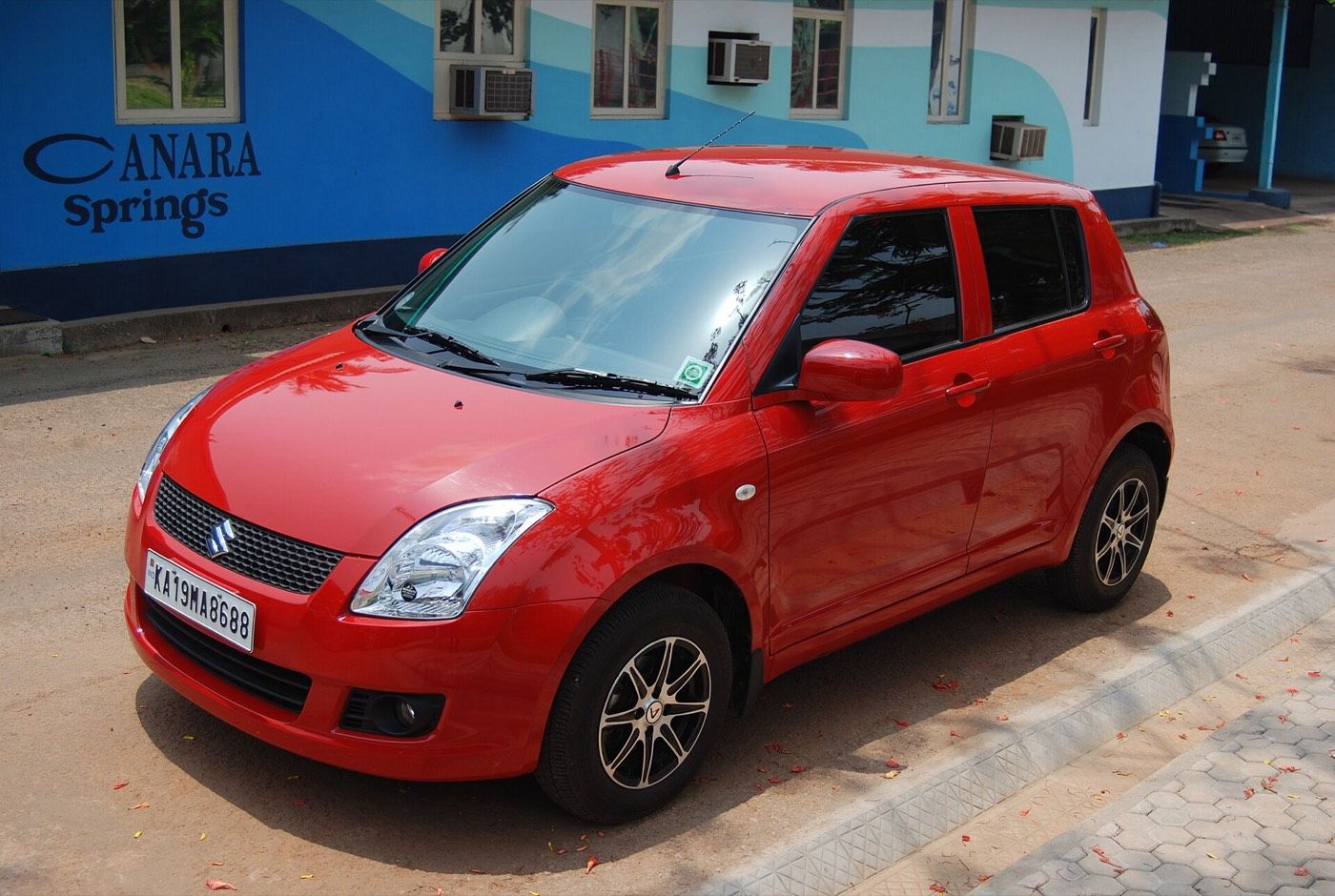
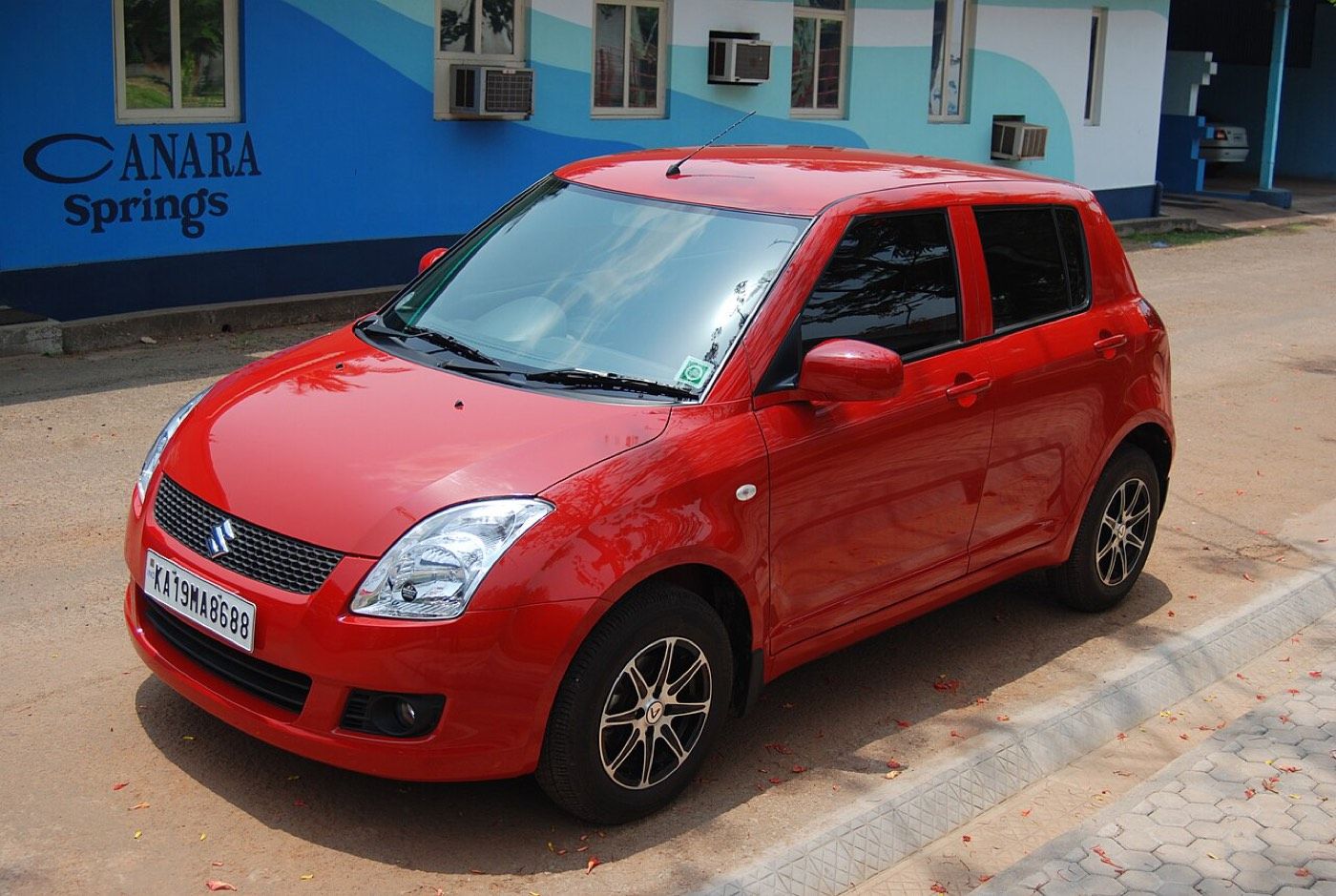
Two things follow. First, the declared figure is now produced to a common method by everyone, which removes the era when different houses’ certificates meant different things. Second, and less comfortingly, a common method is still a laboratory method. Our Swift record carries the claimed 25 kmpl beside MotoSutra’s realistic-use estimate of 16-19 kmpl in mixed use; the type-approval regime standardises the number’s production, not its correspondence to a Delhi queue with the air conditioning running.
The parts of the framework buyers never see
The stronger consumer provisions are the unglamorous ones. Conformity-of-production checks mean samples from the selling fleet, not the prototype, are re-tested. In-service verification — emission checks attached to the vehicle’s life on the road, and the periodic inspection architecture around them — is where a norm either becomes real or becomes paperwork, and the honest answer is that inspection capacity, agency depth and recall enforcement are the variables that decide this decade of the policy, not the limit values themselves.
For the diesel end of the shelf, this is the existential section. A car like the Meridian in our catalogue — a 170 bhp, 350 Nm 2.0-litre diesel with a claimed 16 kmpl — carries after-treatment hardware (and its replacement cost) precisely because in-service regimes now look for drift that older frameworks could only ask about.
What it does not change
Nothing in type approval touches the economics our buyers actually weigh: the factory-CNG Magite at ₹9.99 lakh still wins or loses on cost per kilometre, and the electric Nexon EV sits outside tailpipe testing entirely while its battery-side rules run on their own approval track. The framework raises the floor of honesty in certificates; the ceiling of what a certificate measures stays the same. Read the declared figures on our pages as standardised, compare models within a class with more confidence — and keep trusting the realistic-use estimate over the certificate for anything as traffic-sensitive as mileage.
Frequently asked questions
What is type approval, in one sentence?
Instead of a manufacturer certifying its own design against the rules, an independent agency-authorised test centre approves the vehicle type before it can be sold, and that approval — not the company’s word — is what a model must hold to appear on a price list.
Does it change what a car costs?
Not directly, and this article will not pretend to a figure. Compliance hardware, recalibration and re-testing are manufacturer costs that may or may not reach the ex-showroom number; the unverified listings we carry, from the ₹7.99 lakh Magite to the ₹20.49 lakh Meridian, are priced as before for now.
Does the claimed mileage figure on our pages become more trustworthy?
More standardised, which is not the same thing. Certificate figures have always measured a laboratory cycle rather than Indian traffic; our own Swift record pairs a claimed 25 kmpl with a realistic-use estimate of 16-19 kmpl, and no approval regime fixes that gap because it is not a cheating gap, it is a methodology gap.
What is the in-service part?
The other half of the framework is proof after registration — emission checks during the vehicle’s life, and recalls or non-conformity action if a fleet drifts outside its approved values. That is where norms regimes historically earn or lose credibility, and enforcement depth is the variable to watch.