Explainer
What is a CVT? The belt-and-pulley gearbox, and why city drivers keep buying it
No shift points, no shift shock — and one strange side effect millions of drivers call a fault. How a continuously variable transmission works, what the rubber-band feeling is, and how the CVT differs from the AMT, the DCT and the torque converter on the same price lists.
- Toyota Hyryder ₹11.31 lakh
- Tata Motors Nexon ₹7.4 lakh
- Maruti Suzuki Ertiga ₹8.9 lakh
- Hyundai Creta ₹10.91 lakh
- Skoda Kushaq ₹10.34 lakh

Editor & Publisher
Ask owners what they dislike about a CVT and the same odd sentence comes back: the engine roars but the car doesn’t. It sounds like a breakdown description. It is a working description — the signature behaviour of the only transmission in the Indian market with no gears at all, and the box fitted, in some form, to more of our best-selling SUVs than every other automatic type combined.
Two pulleys and a belt
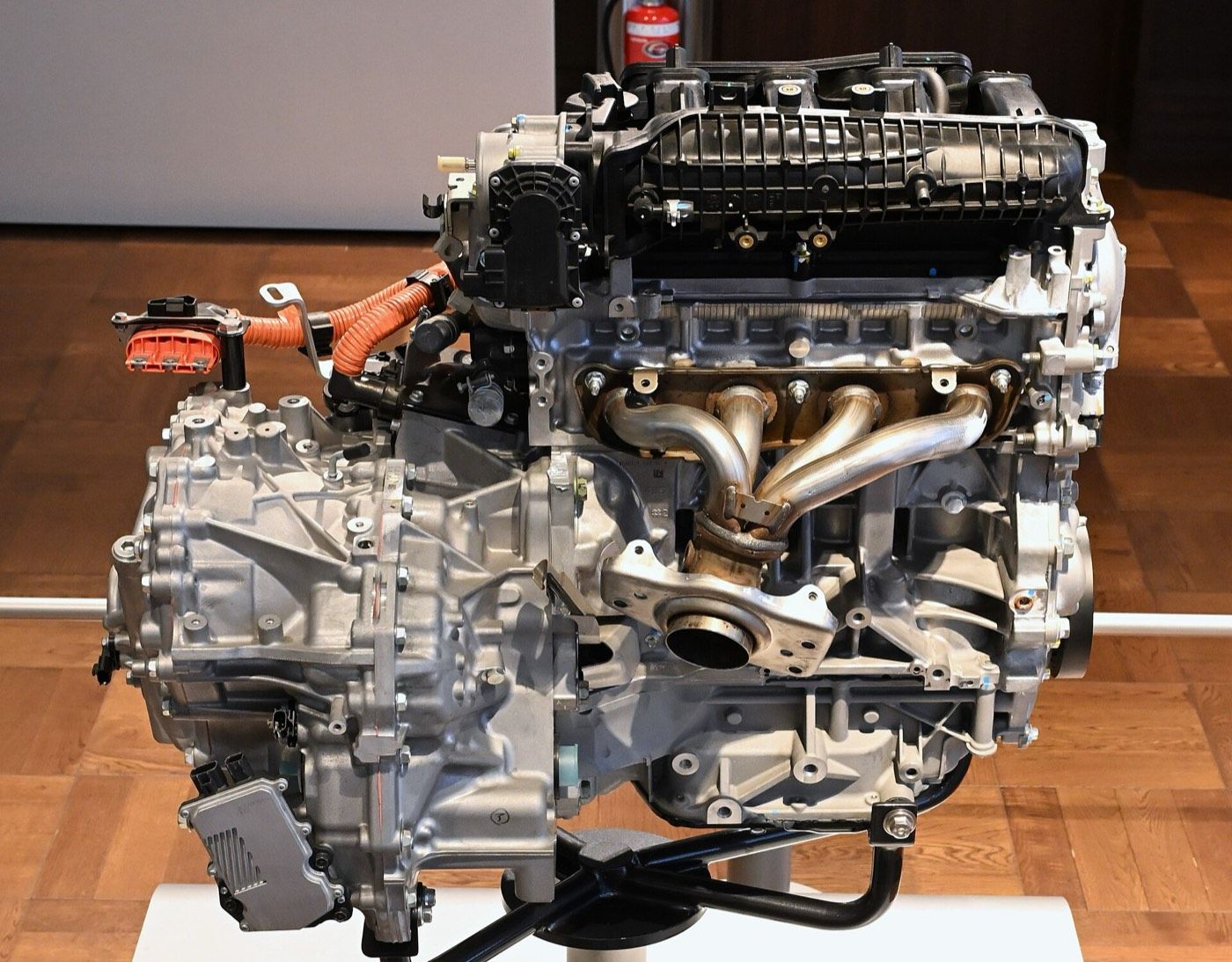
A conventional gearbox is a set of fixed ratios; shifting is swapping one for the next. A CVT replaces the whole idea. Its front pulley, driven by the engine, is two conical faces with a steel belt sitting in the groove between them; so is the rear pulley at the output shaft. Slide the faces apart and the belt sinks to the bottom of the groove, riding a small effective diameter; push them together and the belt climbs to the top, riding a large one. Vary the two diameters against each other and the ratio between input and output changes smoothly, infinitely, with nothing ever engaging or being swapped. That is the entire mechanism. There is no shift, because there is nothing to shift from.
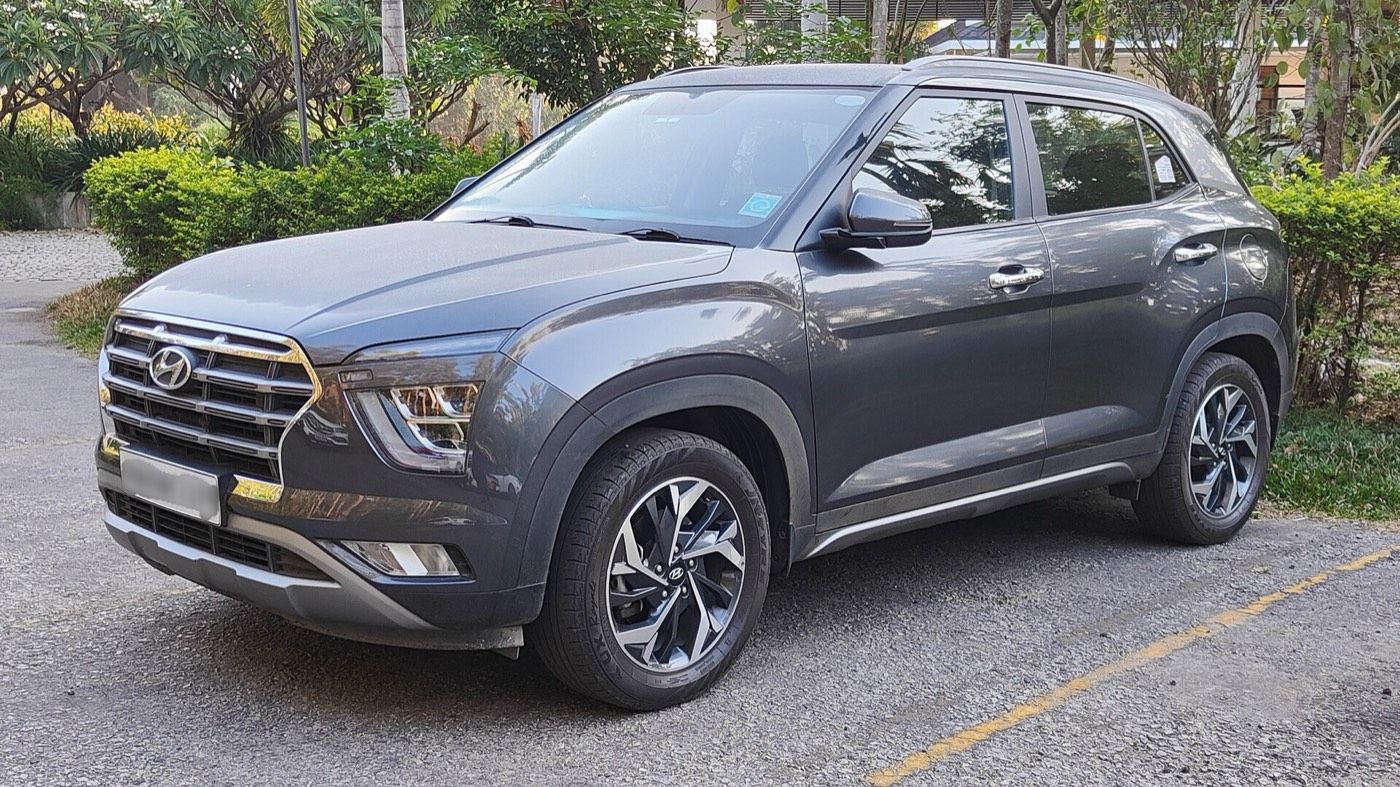
What the control unit then does with that freedom is the design decision that shapes how each car drives. The engine has a comfortable place to sit — for the Creta’s 1.5-litre naturally aspirated petrol, our record puts the entire 144 Nm until 4,500 rpm and the 113 bhp not before 6,300 — and the CVT can ignore gear logic and hold the revs wherever it likes. In cruising it parks the engine near the bottom of its range, which is a large part of why our Creta listing reports the box being in its element at 14-15 kmpl on an expressway.
The rubber band
Ask the CVT for everything — the kickdown to pass a bus — and it does exactly what it was designed to do: it drives the revs to the power band first, then lets the belt climb into the ratio that converts them into acceleration. Revs up, speed later, both without a join. To a passenger it reads as slipping; to the car it is the fastest available route to whatever the engine can give. The Hyryder’s listing says the quiet part loudly: with 122 Nm of engine torque, the CVT turns overtaking into a high-revving negotiation once the battery has given what it has. The Elevate, another CVT car in our catalogue, carries the complaint in its cons — the automatic turns throttle into noise — and its own FAQ still lands the verdict most city buyers eventually reach: for a life mostly inside traffic, the CVT’s smoothness wins.
The modern mitigation is everywhere in the spec sheets: simulated step programs that give the kickdown an illusion of gears, and lock-up clutches that bypass the belt once you are cruising. Test-drive the old behaviour by flooring it from 60 with the cabin quiet; that roar-then-arrive is the raw CVT, and the cars that hide it best have simply learned to pretend.
Why it suits a city commute so precisely
Traffic is an argument for the CVT made in the CVT’s own language: an endless sequence of gentle, changing loads at walking pace. The Creta record states the appeal plainly — there is no shift to think about in traffic, the engine is quiet at walking pace — and notice which engine it flatters: a naturally aspirated petrol with modest torque is, gearbox-wise, almost custom-built for stepless drive, which is why Hyundai puts the CVT atop the Creta ladder at ₹17.20 lakh and Toyota pairs its hybrid with nothing else. Creep, queue, flyover, signal: the belt re-ratioes continuously through all of it, with none of the small head-rock that an AMT’s robot clutch delivers when it hesitates at a standstill — an admission already printed in the Wagon R’s and Dzire’s cons lines.
Where the fit breaks is where the city ends. A fully-loaded highway overtake at 90 finds the Creta’s aspirated engine out of its band with nowhere for a belt to make more torque from; a long ghat descent holds the revs high and the fluid hot; and a track-happy driver will always prefer a gearbox that fires through fixed steps.
The other three boxes on the price list
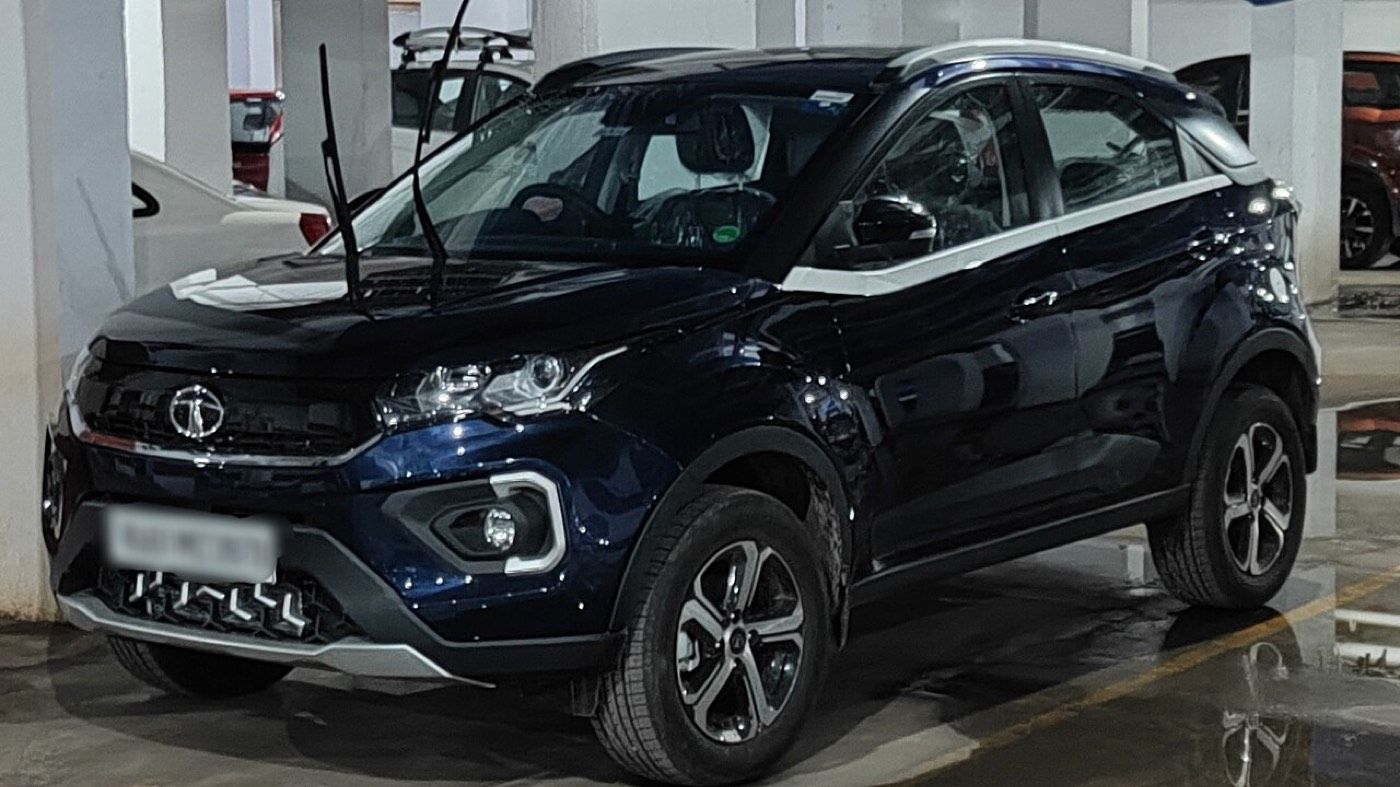
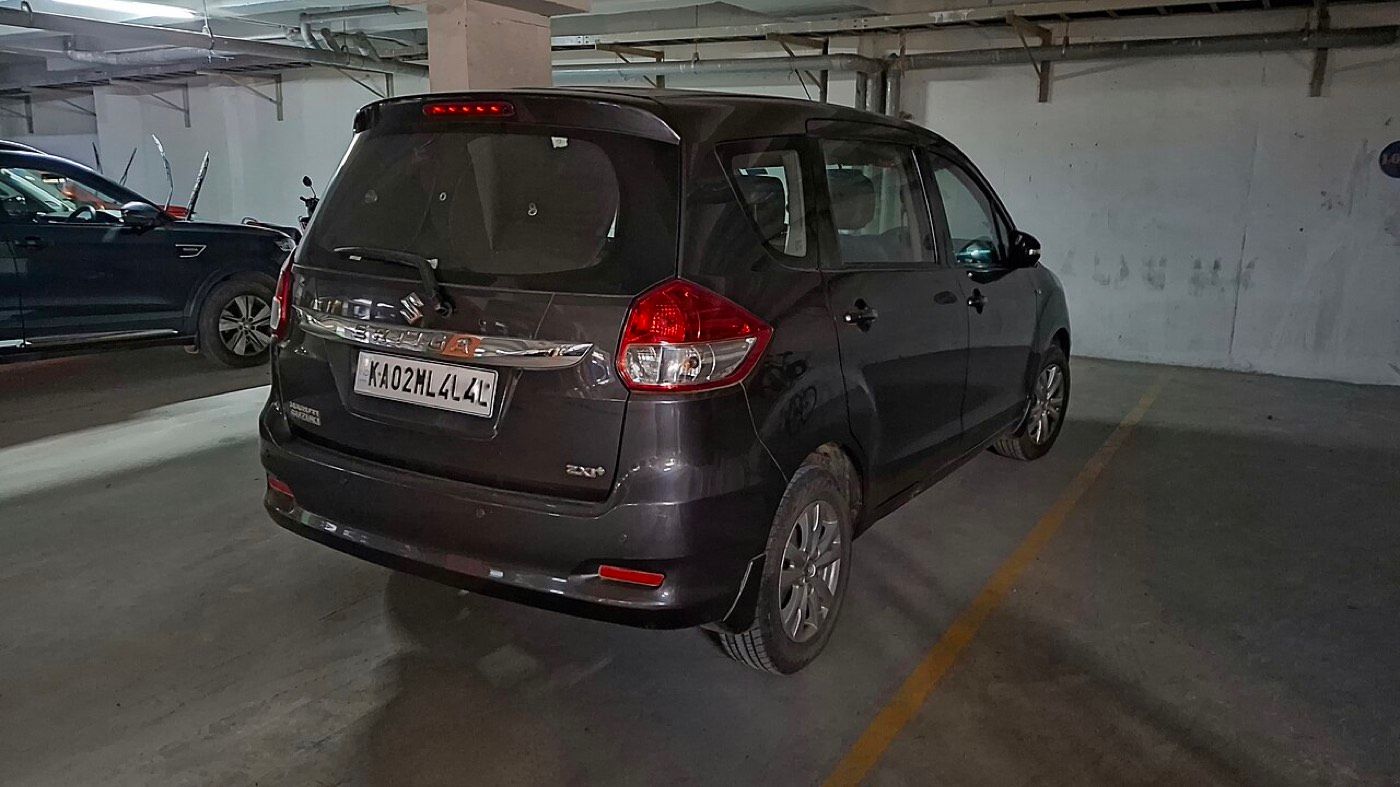
The AMT is the cheapest answer: keep a manual gearbox, delete the clutch pedal, let robots stamp the shifts — the Wagon R’s VXi AMT at ₹6.90 lakh is one, and the Brezza, Swift, Altroz, Punch and Exter all list an AMT variant precisely because it costs a fraction of anything clever. The dual-clutch is the sporty answer, two clutches pre-selecting the next gear: our Nexon’s seven-speed DCT variant at ₹10.49 lakh is quick on an open road and, per its own listing, judders at walking pace. The torque converter is the old, strong answer — a fluid coupling instead of a belt, which is what the Kushaq’s six-speed automatic at ₹15.99 lakh is, and what the Ertiga means by smooth but slow. The CVT sits in the middle of that triangle: dearer than an AMT, smoother than a DCT in a queue, less tolerant of abuse than a converter — and no longer confined to expensive cars, since the Glanza lists its stepless GX CVT at ₹9.76 lakh, inside reach of AMTs twice as dull.
Buy it for the commute it flatters — the stop-start, two-lane, air-conditioned majority of Indian driving — and its one strange habit stops being a fault and starts being the sound of a gearbox with nothing to shift.
Frequently asked questions
Is the rubber-band feeling a sign something is wrong?
No. When you stamp on the throttle of a CVT car, the engine revs rise and the speed arrives a beat later, because the pulleys are re-ratioing while the engine sits at its strongest point. It feels like a slipping automatic from the 1990s; it is the transmission doing its actual job. What it is not is quick, and the Hyryder record captures the sensation honestly: overtaking becomes a high-revving negotiation.
How is a CVT different from an AMT?
An AMT is a normal manual gearbox with robots operating the clutch and the lever — the Wagon R VXi AMT in our catalogue at ₹6.90 lakh is one, and so is the Dzire ZXi AMT, whose own listing admits it hesitates pulling away. A CVT has no gears to be hesitant about: it changes ratio continuously, which is why it is smoother at walking pace and dearer to build.
Are CVTs reliable on Indian hills?
The belt is not the weak link; heat is. On a long climb the system holds the engine high and the transmission fluid works hard, and the Creta-class cars are not built as mountain machines. Our listings flag the behaviour, not a failure rate: the Hycross record notes the CVT still ties the engine to the throttle under a hard climb, and the Elevate’s drone under load is the same phenomenon audible rather than alarming.
Should I take the CVT or the DCT?
By what is outside your windscreen. Our Nexon DCT listing praises the seven-speed dual-clutch for being quick and admits it is less polished in stop-start traffic, juddering at walking pace. The Creta CVT listing is the mirror image: dull on a fast road, effortless in a queue. Traffic wins on frequency, so most city buyers end up with the CVT.