Car comparison
Skoda Kushaq vs Hyundai Venue: the ₹2.40 lakh question of what a shell is worth
A five-star, all-disc, 2651 mm-wheelbase German-engineered structure against the segment’s best-selling sub-four-metre turbo. Match the Kushaq against the Venue’s turbo variants rather than its entry price, and the value argument gets uncomfortably interesting.
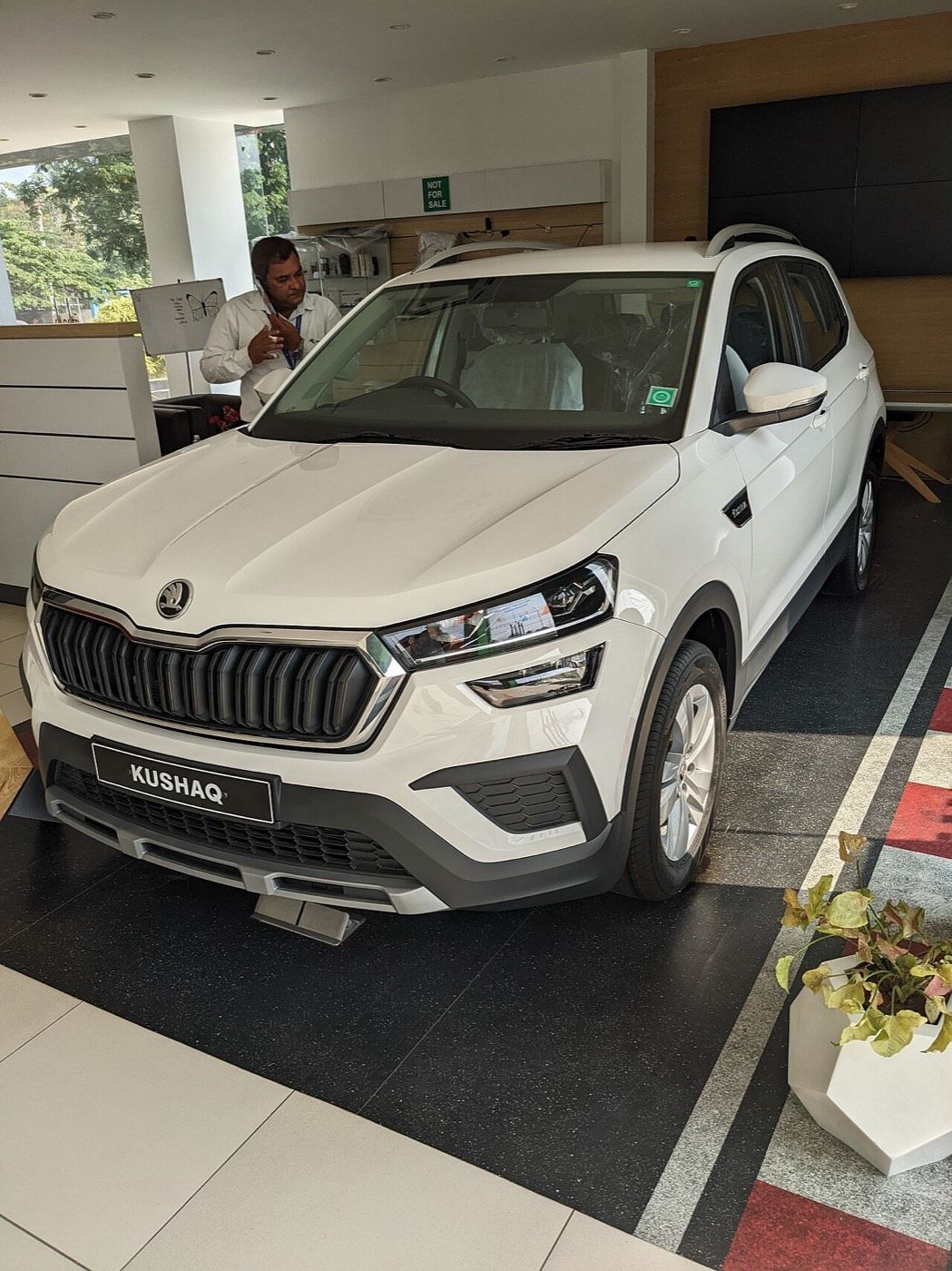
- Skoda Kushaq ₹10.34 lakh
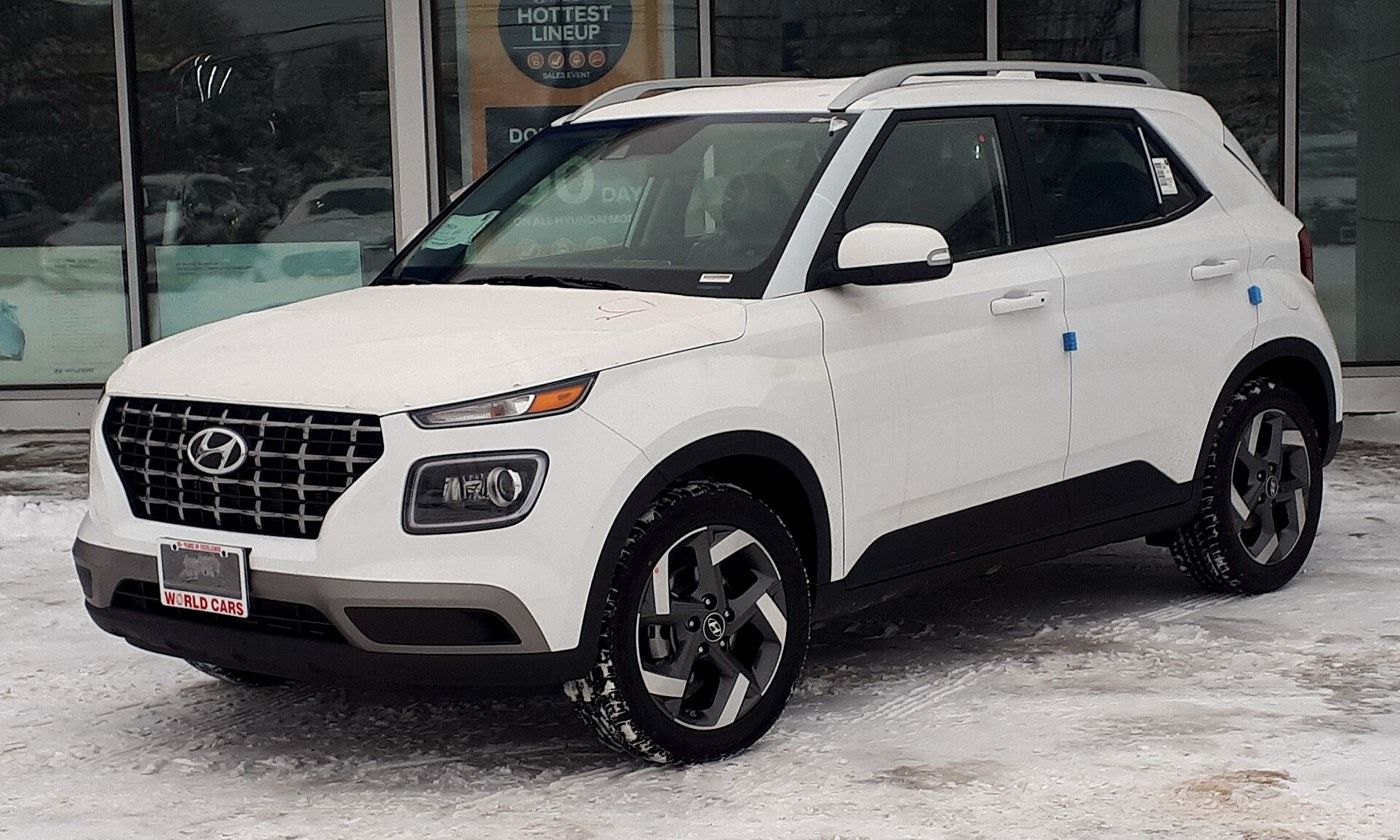
- Hyundai Venue ₹7.94 lakh

Editor & Publisher
Head to head
- Entry price Hyundai Venue The Venue E 1.5 starts at ₹7.94 lakh against the Kushaq Active MT at ₹10.34 lakh — and ₹11.50 lakh is where the Venue’s turbo actually enters the conversation.
- Top-spec price Hyundai Venue ₹13.60 lakh for the Venue SX(O) 1.0 Turbo AT against ₹17.79 lakh for the Kushaq Monte Carlo AT; Skoda’s ladder climbs ₹4.19 lakh higher.
- Crash protection Skoda Kushaq Five-star GNCAP adult score with six airbags and electronic stability control standard on every Kushaq variant — and discs at all four corners, where the Venue stops at a front-disc, rear-drum set.
- Turbo engine output Hyundai Venue The Venue’s 998cc turbo lists at 120 bhp and 172 Nm from 1500 rpm against the Kushaq’s 115 bhp and 175 Nm from 1750 — the Hyundai is quicker off the line, the Skoda stronger for longer.
- Boot space Hyundai Venue The paradox of the comparison: the 305 mm shorter Venue carries 375 litres against the Kushaq’s 340, the smallest boot among the SUVs in this catalogue.
- Rear-seat space Skoda Kushaq The Kushaq’s 2651 mm wheelbase is 151 mm more than the Venue’s 2500 mm, and it spends all of it on the second row.
- Highway manner Skoda Kushaq A 190 km/h versus 180 km/h claim is the shallow version; the real gap is the Skoda sitting flat and quiet at triple digits in a way its listing says makes the segment’s hatchback-derived rivals feel temporary.
| Specification | Skoda Kushaq ₹10.34 lakh | Hyundai Venue ₹7.94 lakh |
|---|---|---|
| Ex-showroom price | ₹10.34 lakh | ₹7.94 lakh |
| Engine | 999 cc | 998 cc |
| Power | 115 bhp | 120 bhp |
| Torque | 175 Nm | 172 Nm |
| Mileage | 18 kmpl | 18 kmpl |
| Top speed | 190 kmph | 180 kmph |
| Gearbox | Manual / Automatic | Manual / Automatic |
| Kerb weight | 1225 kg | 1210 kg |
| Seating | 5 | 5 |
| Boot space | 340 litres | 375 litres |
| Safety | 5 stars | 3 stars |
| Body type | Compact SUV | Compact SUV |
| Status | Available | Available |
| Categories won | Skoda Kushaq wins 3 of 13 | Hyundai Venue wins 4 of 13 |
Only specifications present in both records are listed. figures without a named source document are unverified motosutra catalogue estimates, not official specifications. confirm current numbers with the manufacturer.
This is the comparison the compact SUV market refuses to have honestly, because it forces the question every buyer dodges: how much of your money should go into the part of the car you hope never to use? The Hyundai Venue is the segment’s volume answer — a sub-four-metre SUV from ₹7.94 lakh, with a genuinely quick 120 bhp turbo from ₹11.50 lakh and everything a family shortlist asks for except the crash score. The Skoda Kushaq is the segment’s engineering answer — 305 mm longer, ₹2.40 lakh dearer at entry, built on the MQB-A0-IN architecture its listing describes as designed around structure in a segment designed around cost. Five stars against three. Discs at all four corners against a rear-drum set. And then, in the column the marketing actually leads with, a boot that is 35 litres smaller than the Hyundai’s — which tells you this whole fight is about what you value under the part you can see.
Safety first, because that is the review
Start where the catalogue starts: the Kushaq’s structure carries a five-star GNCAP adult score in this listing, with six airbags and electronic stability control fitted from the ₹10.34 lakh entry variant, ventilated discs at both ends, and front and rear parking sensors on the standard list. That is not a trim-level argument — it is the base car. The Venue fits six airbags and stability control across its own range, earns a respectable three-star adult score here, runs ventilated discs up front and drums behind, and its listing fairly warns that in this money range the Tatas and the Skoda score higher.
The practical translation, and the one this site exists to make: airbags manage the occupant’s collision with the interior; the shell manages the crash. Two cars can carry identical airbag counts and very different survival spaces, and this pair is the textbook. If a five-star structure is item one on your list, the Venue is not the car — and neither is the mid-ladder compromise of a loaded three-star; the Kushaq Active, at less than a loaded Venue turbo, is the cheapest five-star seat-occupant package in this contest.
Performance, where the gap is smaller than the price
The engine numbers read like a draw and are nearly one — and since MotoSutra has driven neither car, everything in this section is a reading of documented output, kerb weight and gearing rather than a test log. The Venue’s 998cc three-cylinder turbo lists at 120 bhp and 172 Nm from 1500 rpm; the Kushaq’s 999cc TSI at 115 bhp and 175 Nm from 1750 rpm and holding to 4500. That leaves the Hyundai with the sharper first movement — off the line and into a gap, the 250 rpm earlier torque and a kerb weight 15 kg lower should make the Venue marginally keener — and the Skoda with the broader plateau, the torque still on tap where the little Hyundai starts to fade, which is why the Kushaq’s claimed top speed reads 190 km/h against 180 and why the hill-road argument goes Skoda’s way.
The gearboxes are a genuine separation. The Kushaq’s six-speed torque converter, which its own listing concedes is slower than the dual-clutch of memory, is still the smoother box in a bumper-to-bumper queue; the Venue’s single turbo automatic is adequate and the base 1.5 variants are the calm, cheap commute in the range. Three-cylinder thrum: present in both, flagged by both catalogues with unusual honesty.
The real performance verdict lives above 100 km/h, where the Kushaq’s 2651 mm wheelbase, wider track posture and structure-first engineering are the recipe for sitting flat and quiet, and the Venue — a fine city car — is, as its platform admits, derived from the tall hatchback. How loudly that difference speaks on an actual expressway is a question for a test drive, not a spec table. The Venue’s counter is the one that wins most real purchasing arguments: almost nobody owns a car at the speeds where this difference lives.
Space and the boot paradox
Here is the fact both showrooms quote selectively. The Kushaq is 4,300 mm long to the Venue’s 3,995 mm and carries 151 mm more wheelbase — 2651 against 2500 — and all of that length is spent on the second row, where the Skoda is a genuinely adult four-seater and the Hyundai a very good two-and-a-half. But the Kushaq’s boot is 340 litres, the smallest among the SUVs in this catalogue, against the Venue’s 375, because short overhangs are a packaging gift and a crash structure is not. Both cars seat five and clear the speed breakers without negotiation — 188 mm for the Skoda, 195 for the Hyundai — and both are 1,770 mm wide, which nobody mentions and the Venue’s mirrors therefore feel exactly like the Kushaq’s in a basement ramp.
Buy on the rear seat or the shell: Kushaq. Buy on the luggage list or the tight garage: Venue. There is no trimming this; the 30 mm that separates these boots is the same decision, made visible.
Running costs and the network question
Claimed 18 kmpl for both turbos, 11-13 kmpl as MotoSutra’s city estimate for both, and the fuel ledger ends there. Everything else runs against Skoda: service reach that thins dramatically outside metros, parts pricing at the German end, a resale curve that flatters the volume brand, and the steep climb of a ladder that hits ₹17.79 lakh before it ends — the Monte Carlo premium buys the panoramic roof and the sport trim, not more shell. Hyundai’s answer is the whole bottom of the Venue range: from ₹7.94 lakh, the 115 bhp 1.5 is the calmer, cheaper way to own this body, and the one a first-time SUV buyer actually finances.
Who should buy which
Buy the Kushaq if the family carries more than two regularly, if expressway kilometres are annual reality rather than holiday fantasy, and if you accept the site’s standing argument that a structure is the one feature you cannot retrofit. At ₹10.34 lakh the five-star shell costs less than a loaded Venue turbo, and that is the whole argument in one price line. Buy the Venue if the city is the car’s habitat, if the boot is load-bearing in your life, if service access outside metros matters, or if the honest budget is ₹9 lakh rather than ₹11 — and if that is the choice, buy it knowing exactly which column you traded, rather than letting a salesperson discover it for you after the crash you will both hope stays hypothetical.
The two models
Frequently asked questions
The Kushaq costs so much more. Is it worth it?
It depends which Venue you are pricing against. The ₹10.34 lakh Kushaq Active undercuts the ₹11.50 lakh Venue turbo while adding a five-star structure, all-wheel discs and 151 mm of wheelbase, so at turbo money the Skoda arguably offers more for less. Against the ₹7.94-9.99 lakh 1.5-litre Venues, though, the Kushaq is asking a ₹0.35-2.40 lakh premium to solve a safety argument those buyers have already decided not to have.
Which is the better city car?
The Venue, clearly, and its own short-overhang packaging is why: 3,995 mm against the Kushaq’s 4,300 mm, a tighter feel in traffic, 195 mm of ground clearance against 188 mm, and — because Hyundai sells far more of them — a service counter in every town rather than every city. The Kushaq’s torque-converter automatic is the smoother box in a queue, but the Venue is the easier car to live with in a narrow one.
Is the Kushaq really five-star and the Venue only three?
Yes: on MotoSutra’s unverified catalogue the Kushaq carries a five-star GNCAP adult score with six airbags standard from the base variant, and the Venue a three-star score with six airbags and stability control also across the range. The airbag kits are similar; the structures behind them are not, which is exactly the distinction our safety explainer exists to make.