Specs & analysis
Triumph Speed 400 2023 review: an in-depth look at the affordable Triumph
MotoSutra’s August 2023 test of the Speed 400: the 398cc single’s mid-range, a real-world 150kph flat out and about 6 seconds to 100, the ride and braking balance, the equipment list at ₹2.33 lakh, and how it sits against the KTM 390s, the Royal Enfields and the Dominar 400. The original page contradicted itself on torque, fork size, disc size and price; those figures are published here exactly as the article left them, and the note at the foot of the page says so.

Editor & Publisher
This is MotoSutra’s own 2023 review of the Triumph Speed 400, written and published by Rahul Singh in August 2023 and reproduced from an archived copy of the original page. It predates our current testing method, pricing treatment and rating system, so it carries no MotoSutra score. The performance, handling and braking observations below are what the 2023 article reported and have not been re-measured since, and the prices are August 2023 figures, not a quotation. The article disagrees with itself in four places — torque, front fork diameter, front disc diameter and ex-showroom price — and both readings are published as the original wrote them rather than being reconciled; the note at the foot of this page lists them.
The new Triumph Speed 400 is an exciting addition to Triumph’s modern classic range. Slotting in below the popular Street Twin 900, it aims to bring Triumph’s design, quality, and riding experience to a lower price point. In this review, we’ll take an in-depth look at what the Speed 400 is like to ride and own.
Overview of the Triumph Speed 400
The Speed 400 uses an all-new 399cc single-cylinder engine making 40hp and 35Nm. It’s built in collaboration with Indian giant Bajaj, who will also distribute and service the bikes in India. The focus is on delivering refined real-world performance rather than just big numbers on paper.
Visually, the bike stays true to Triumph’s signature style. The fit and finish are excellent with beautiful attention to detail. Switchable traction control, LED lighting, and dual-channel ABS add to the premium appeal.
Priced at just ₹2.34 lakh ex-showroom, the Speed 400 undercuts every other premium 400cc-plus single-cylinder bike. It promises Triumph quality and character at an affordable price point. Let’s take a closer look to see if it delivers.
Design and styling
Park the Speed 400 next to Triumph’s Street Twin 900 and the family resemblance is obvious. The shapes and silhouettes are beautifully integrated to create a cohesive design language. Details like the mirrors, engine cases, and exhaust enhance visual continuity with the larger bikes.
The Speed 400 looks handsome and modern while retaining that classic charm. Build quality is excellent with precise panel gaps and high-quality finishes. All cables and hoses are tucked away neatly. It’s a level above anything else at this price.
The minimal tail section and stubby exhaust suit the streetfighter styling. Some may find the bike’s proportions a bit small but it remains fairly comfortable for larger riders. Overall, the Speed 400 brings a tasteful, premium quality design that looks like a proper Triumph.
Riding position and ergonomics
The Speed 400 has a roadster riding position — sporty yet upright. The footpegs are set back moderately while the raised clip-on style bars keep the upper body vertical. It’s comfortable for longer rides without being overly committed.
At 790mm, the seat height is accessible for most riders. Taller folks have enough room too. Pillion comfort is reasonable with a wide, well-shaped seat and grab rails. The soft cushioning is great around town but some may want more support for highway stints. An accessory seat is available to address this.
Overall, the riding position balances comfort and sportiness nicely. It’s easy to maneuver in traffic without compromising longer distance capability.
Engine performance
Power and torque delivery
The 399cc single-cylinder engine makes a modest 40hp. However, a strong mid-range punch sets it apart from KTM and Bajaj singles. 80% of the 35Nm torque peak is available from just 3,000 to 9,000rpm, resulting in effortless real-world performance.
The meaty mid-range gives it stronger acceleration than expected. It can get quite buzzy above 7,000rpm but there’s no need to wring its neck to go fast. It’s much more refined if ridden smoothly.
| Type | Liquid-cooled, 4 valve, DOHC, single-cylinder |
| Capacity | 398.15cc |
| Bore | 89.0mm |
| Stroke | 64.0mm |
| Compression | 12:1 |
| Max power EC | 40PS / 39.5bhp (29.4kW) @ 8,000rpm |
| Max torque EC | 37.5Nm @ 6,500rpm |
| System | Bosch electronic fuel injection with electronic throttle control |
| Exhaust | Stainless twin-skin header system with stainless steel silencer |
| Final drive | X-ring chain |
| Clutch | Wet, multi-plate, slip |
| Gearbox | 6-speed |
Top speed and acceleration
We saw a realistic 150kph flat out. 0-100kph takes about 6 seconds. The strong mid-range means you can make quick overtakes and short bursts up to illegal speeds without revving it out.
While not as fast as the KTMs on paper, real-world acceleration is thoroughly adequate. More importantly, the delivery is smooth and predictable instead of aggressive.
Refinement and daily usability
The Triumph strikes a great balance for daily use. The motor is smooth sailing below 3,000rpm despite some clutch snatch when taking off. Vibrations only really set in above 110kph. It’s happy trundling in high gear at 40-50kph — an area where KTMs struggle.
The engine heat is manageable unless you’re stuck in jammed traffic. The clutch lever feel is light and progressive too. Overall, it’s responsive yet easy to ride in the city. Highway cruising is vibration-free under 110kph.
Handling and dynamics
| Frame | Hybrid spine/perimeter, tubular steel, bolt-on rear subframe |
| Swingarm | Twin-sided, cast aluminium alloy |
| Front wheel | Cast aluminium alloy 10 spoke, 17 x 3in |
| Rear wheel | Cast aluminium alloy 10 spoke, 17 x 4in |
| Front tyre | 110/70 R17 |
| Rear tyre | 150/60 R17 |
| Front suspension | 43mm upside down Big Piston forks, 140mm wheel travel |
| Rear suspension | Gas monoshock RSU with external reservoir and pre-load adjustment, 130mm wheel travel |
| Front brakes | 300mm fixed disc, four-piston radial caliper, ABS |
| Rear brakes | 230mm fixed disc, floating caliper, ABS |
| Instrument display | Analogue speedometer with integrated multi-function LCD screen |
Chassis and weight
The Speed 400 uses a new tubular steel frame with a bolt-on subframe. At 176kg dry, it’s 6kg heavier than international models to meet India-specific requirements. Still, it feels agile and lightweight on the move.
The geometry provides natural, neutral handling. It’s an easy bike to ride fast and smoother than any KTM or Bajaj single. There’s ample cornering clearance with the footpegs scraping only during very spirited riding.
Suspension setup
41mm front forks offer a plush feel that soaks up road imperfections nicely. The rear monoshock is slightly soft but preload can be increased for heavier loads. Overall, the compliant suspension delivers a comfortable ride over broken roads without compromising stability.
Brakes and safety technology
Braking performance is progressive and predictable. The front 320mm disc offers ample power but lacks initial bite. The rear disc with switchable ABS ensures balanced, drama-free stops. It’s more than adequate for real-world use if not track-level performance.
Traction control is a welcome addition, helping keep things in check on slick roads. Dual-channel ABS prevents the front wheel from locking under hard braking as well.
Features and equipment
Considering the price point, the Speed 400 is well-equipped. You get LED lighting, auto-canceling indicators, switchable traction control, ride-by-wire throttle, and dual-channel ABS. The LCD console looks classy and delivers clear information.
Switchgear quality is excellent with precise clicks and a robust feel. The mirrors are stylish but limited rear visibility is a pain in traffic. Aftermarket items can address this. There’s also a range of well-designed official accessories available.
While you miss out on fancy TFT displays, Bluetooth connectivity, and adjustable levers at this price, the Speed 400 still feels well-appointed.
Pricing and value
Here’s where the Speed 400 hits it out of the park. At just ₹2.33 lakh ex-showroom, it’s cheaper than the Bajaj Dominar 400 and KTM Duke 250 — bikes with smaller engines!
It even undercuts Royal Enfield’s Chrome and MiY variants. Plus, you get premium fit and finish, legendary badge appeal, and an ownership experience on par with bigger Triumphs. The cost of maintenance should be low as well thanks to 16,000km service intervals.
Without a doubt, the Speed 400 offers incredible value for money. If you want refinement and quality over outright performance, it’s hard to beat.
Ownership experience
Triumph is expanding its dealership network in India with up to 120 showrooms expected by end-2022. Service standards are first-rate with helpful, knowledgeable staff. Parts availability can occasionally be an issue with European brands but is improving.
The big question is reliability. There’s no long-term data yet but Triumph’s larger bikes typically offer outstanding durability and this engine has been designed for real-world conditions. If it lives up to the badge, running costs should be reasonable.
Triumph offers a standard 2-year unlimited kilometres warranty. This can be extended up to 5 years which brings peace of mind. Test rides and financing options make purchases easy. Overall, the ownership experience promises to be on par with larger Triumphs.
How does it compare to other bikes?
The KTM 390 series offer more peak power but aren’t as refined or easy to ride. The Speed 400 compromises outright acceleration for usability. It lacks the Duke’s sharp handling but provides a more polished, everyday riding experience.
Against the retro Royal Enfields, you sacrifice laid-back torque for a more modern ride. The REs are slower but have an unbeatable aura about them. The Triumph competes on quality and practicality.
Bajaj’s Dominar 400 is closely related on paper but is tuned quite differently. The Triumph engine is revvier but makes the power in a real-world friendly way with less vibes. It’s simply a class above.
Overall, the Speed 400 strikes a great balance between performance and maturity. It’s rewarding to ride fast yet easygoing enough for daily use. And it does this while offering exceptional fit, finish, and badge appeal.
Conclusion
The Speed 400 stays true to Triumph’s ethos while broadening appeal and affordability. It looks and feels special with an endearing streetfighter style, beautiful details, and tank-like build quality. Yet it remains comfortable and unintimidating to ride.
Real-world performance is excellent with punchy acceleration and a wide powerband. Handling inspires confidence without being overly sharp. Comfortable ergonomics work in any situation. At this price, nothing else comes close to matching the Triumph’s refinement or premium feel.
If you want a friendly but fast urban motorcycle with timeless styling and quality, the new Speed 400 absolutely delivers. It’s a modern classic in the making.
Questions the original page asked and answered
What is the on-road price of the Triumph Speed 400 in India? The on-road price depends on your location but expect it to be around ₹2.5–2.6 lakh in major cities after RTO and insurance costs.
What is the mileage of the Triumph Speed 400? Mileage is around 25-32kmpl in everyday riding conditions. This may vary depending on riding style.
Is the Triumph Speed 400 good for long rides? Yes, the Speed 400 is comfortable enough for touring. The seat cushioning and upright ergonomics make long-distance rides manageable.
Does the Triumph Speed 400 have ABS? Yes, dual-channel ABS is offered as standard for safe braking. Switchable traction control further enhances safety.
What are the key rivals of the Triumph Speed 400? The KTM 390 Duke and RC390 are performance rivals. The Royal Enfield Classic 350 and Honda H’ness 350 are alternatives focused more on styling.
A note added in 2026
This article disagrees with itself in four places, and both readings are left as the original published them. The overview and the power-delivery paragraph give 35Nm while the engine table on the same page gives 37.5Nm; the suspension paragraph says 41mm forks while the chassis table says 43mm upside down Big Piston forks; the braking paragraph says a 320mm front disc while the table says 300mm fixed disc; and the price appears as ₹2.34 lakh in the overview and ₹2.33 lakh in the Pricing and Value section. All four contradictions are present in the archived page itself, so choosing between them would mean presenting a 2026 editorial decision as though it were the historical record. Neither figure has been substituted for the other, and no outside source — including Triumph’s current specification — was used to reconcile them. Compare them against the tables above and read them as a 2023 document that was not internally consistent.
The one figure that has come out is the top speed. The archived page carried an indicated top-speed figure which is not retained here, because the available historical evidence does not support reproducing that specific measurement. The article’s 150kph realistic, flat-out observation is retained as published, because that is the speed the author observed on the ride. Nothing else has been removed, and the roughly 6-second run to 100kph, the vibration threshold and the mileage range in the questions above are unchanged 2023 wording.
Nothing here has been re-measured since August 2023. The prices — ex-showroom and the estimated on-road figure in the questions — are August 2023 money, and this page carries no MotoSutra score because the original published none. The “up to 120 showrooms expected by end-2022” line is also retained verbatim: it is a statement the 2023 article made, already out of date when it ran, and it is not a current claim about Triumph’s network.
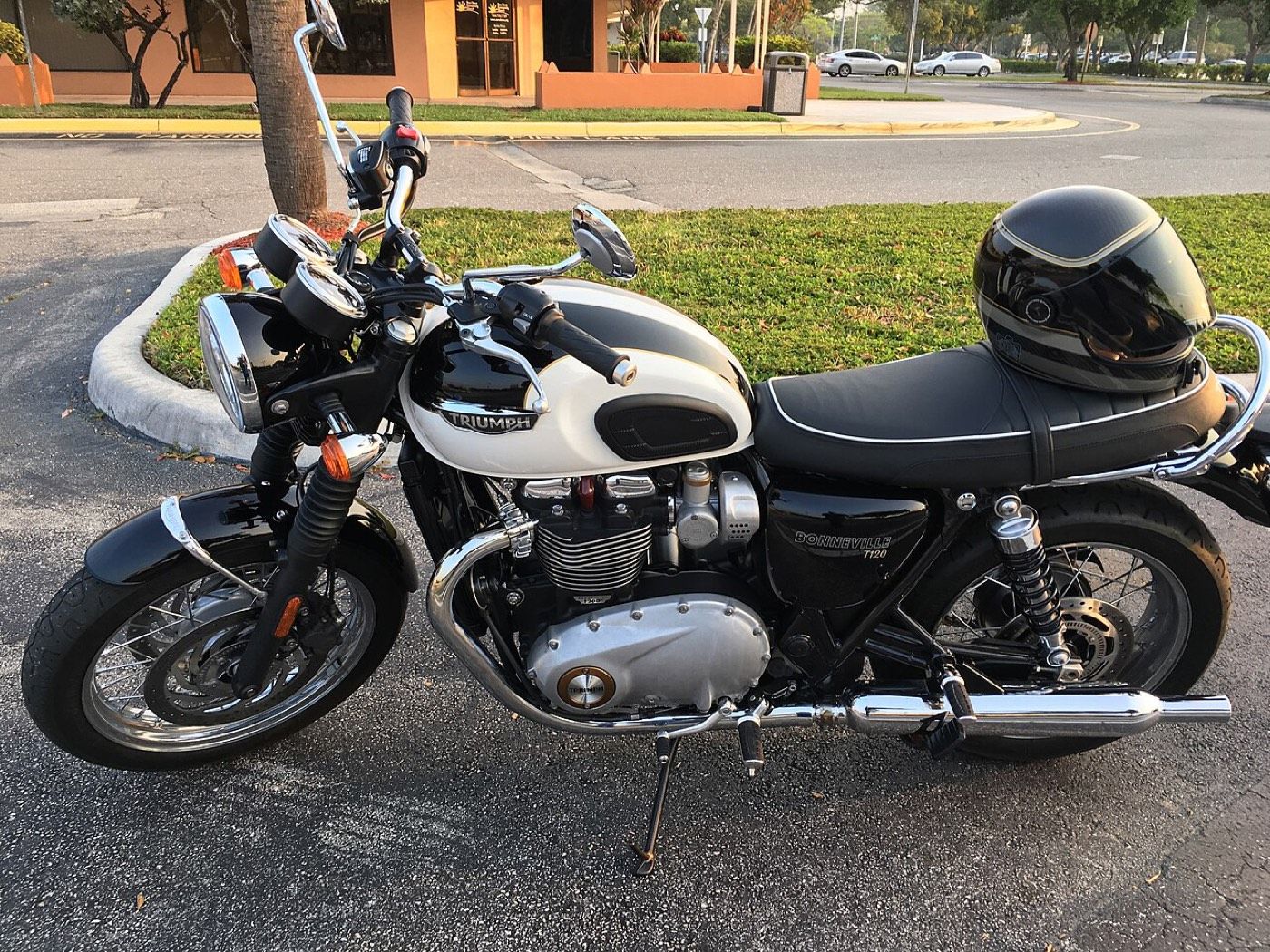
Triumph is in the catalogue at the Bonneville T120 and MotoSutra’s other Triumph ride is the 2020 Street Triple R. There is no Speed 400 record, so this review is the only place on the site that the model is discussed, and nothing on this page reflects what the bike costs or how it performs now.