Explainer
Six types of automobile transmission, and what each one does with the clutch
Manual, torque-converter automatic, CVT, dual-clutch, automated manual and sequential. What each design physically does to change ratio, why the clutch is the part that separates them, and where the brochure claims about efficiency and reliability actually hold.

Editor & Publisher
Originally published on MotoSutra in February 2021, and re-verified against current reference material during this recovery. Six gearbox designs, kept in the order the original set them out, and sorted by the one thing that actually separates them: what happens to the connection between the engine and the wheels while a change is being made.
Provenance. The taxonomy, the sequence and the powerband explanation are the 2021 article’s. Where the original made a claim that re-checking would not support, it has been corrected in place and the correction is named, so the reader can see what was changed rather than finding a quieter article. Two additions — how a torque converter gets around its own losses, and the naming of Suzuki’s AMT — are marked as current editorial context. Nothing on this page was sourced from the archived site’s later captures, which carry injected text inside the article body.
What a transmission is for
A transmission is a mechanical device that carries power from the engine to the differential at the driving wheels. The reason it exists at all is that an internal combustion engine does not deliver its output evenly: it has a band of engine speed where it makes power, and outside that band it makes much less.
So the transmission keeps the engine inside its powerband while still letting the driver choose the speed of the car. A lower ratio multiplies torque at the cost of wheel speed, which is what a hill or a launch asks for; a taller ratio lets the engine turn more slowly at the same road speed, which is what a highway cruise asks for. Every design below is a different answer to that one problem, and the differences are mostly about how the gear change is made and who or what operates the clutch.
1. Manual transmission
As the name says, the driver changes gears by hand, using a clutch pedal. There are three pedals: accelerator, brake and clutch. Pressing the clutch disengages the transmission from the engine so a gear can be selected; releasing it re-engages the engine and the gearbox.
Pros. Simple to manufacture, light for what it does, efficient because the connection is a direct mechanical one, and durable when it is used sensibly. The reason it retains an audience at all is that it is the only design here where the driver decides.
Cons. It has to be learned, and bad use — riding the clutch, forcing a gear before the revs have settled — damages parts that a smoother driver never touches.
Corrected. The original added “it is fuel-efficient” as an unqualified advantage over everything else. That was a 2021-era generalisation: against a torque-converter automatic of the same era it was usually true, and against a modern dual-clutch or a well-sorted CVT it is not a safe claim. It is stated here as a comparison to a converter automatic, which is where it belongs. The mechanics of how a manual achieves the change — sliding mesh, constant mesh, synchroniser rings, the reverse idler — are the subject of how a manual transmission works.
2. Torque-converter automatic
When people say “automatic” without further qualification, this is usually the box they mean. Instead of a clutch plate, the engine drives an impeller (the pump), which flings transmission fluid at a turbine bolted to the transmission’s input shaft. The fluid is the connection: the impeller spins, the fluid circulates, the turbine follows. It is one sealed unit doing the job of two separate ones, and the driver never touches it.
Pros. Smooth, since nothing has to be mechanically disconnected and reconnected; able to handle high torque; and long-lived when the fluid is changed on schedule.
Cons. Heavier than a manual, slower to change ratio, and lossy — a fluid coupling slips, and slipping turns some of the engine’s work into heat instead of motion.
Added 2026, and the reason this design survived. The original explained the losses but not the answer to them, which is why a reader could finish it thinking automatics are simply inefficient. Almost every modern torque-converter automatic has a lock-up clutch inside the converter: past a certain point the pump and turbine are clamped together, the fluid coupling is bypassed, and the drive becomes as direct as a manual’s. Converter losses are then confined to pulling away and low-speed creeping. That single part is the main reason the efficiency gap in the 2021 version of this article had already largely closed.
3. Continuously variable transmission
The CVT has no gears at all. It has two pulleys joined by a metal belt or chain, and the effective diameter of each pulley changes continuously. Varying the two diameters against each other varies the ratio, so the engine can be held wherever it is happiest while the car’s speed slides smoothly through the range.
Most production CVTs deliberately simulate a handful of steps instead of roaming the whole band, so the driving experience has the rhythm of a gearbox and the noise does not drone.
Pros. The smoothest of the six, because there is no shift to feel; light for the ratio range it covers; and on a steady part-throttle drive the most efficient way to keep an engine on its best point.
Cons. A belt drive has a torque ceiling, which is why CVTs sit on small and medium cars and scooters rather than on high-torque machines. And a genuinely continuous ratio is strange to drive: the engine revs hard in one place while the car accelerates, which many people find unpleasant.
Our guide to the CVT covers this design in more depth, including how it compares against the other four automatic families.
Corrected. The original called the CVT “extremely efficient even more than manual transmissions” as a flat statement. On a smooth, steady drive that is usually right; in mixed, hard or loaded use it is not, and it is not the whole answer against a modern geared automatic either. It is stated above as a condition, not a fact.
4. Dual-clutch transmission
The cleanest way to think about a DCT is two manual gearboxes in one housing, sharing one output. One clutch set carries the odd gears — first, third, fifth — and the other carries the even gears — second, fourth, sixth.
While you are sitting in second gear on the even clutch, third is already selected on the odd one and waiting. When the shift comes, the even clutch releases as the odd clutch picks up, so no power has to be interrupted while a gear is found and engaged. That is why a DCT is quick and yet smooth: the shift was prepared before it started.
Pros. Very fast changes, no interruption of drive, and high efficiency, because once a gear is engaged the path is a direct mechanical one.
Cons. More complex and more expensive to build than either of the boxes it combines, and it has more that can go wrong in traffic. A DCT that spends its life creeping in a jam is working its clutches in exactly the way a torque converter does not.
Corrected. The original wrote “It is also called DSG” as though the two were interchangeable names, and asserted that a DCT “is not as reliable as regular automatic transmissions.” DSG is Volkswagen’s name for its own dual-clutch gearbox, not a generic synonym — other makers call the same idea DCT, DKG, PDK, S tronic or LSD. And the reliability line was a blanket claim with no basis behind it: the honest position is that a dual-clutch is a wear-item design whose clutches are worked hardest in congested traffic, which is a statement about duty, not a verdict on any brand.
5. Automated manual transmission
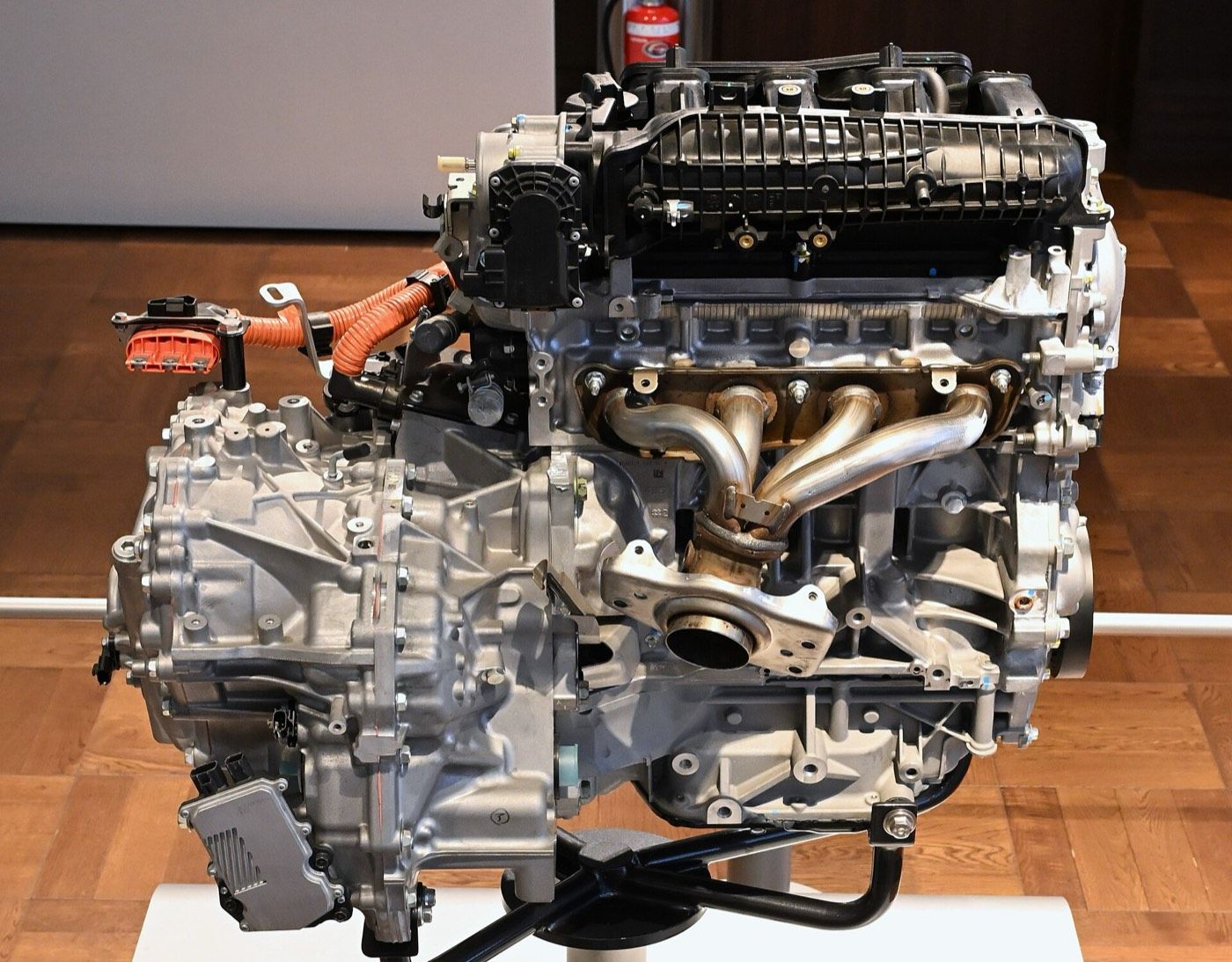
An AMT is a conventional manual gearbox whose clutch and gear lever have been replaced by actuators under electronic control. The gears, shafts and synchronisers are the manual’s; what has changed is that an ECU and motor system do the biting and the selecting that a left foot and a right hand used to do.
Because the drive path is a manual’s, an AMT keeps a manual’s efficiency and much of its simplicity — there is no torque converter, no second gearbox, no belt. The cost is in the change itself: interrupting drive to move a gear is exactly what a manual driver smooths out with the clutch pedal, and an actuator cannot always do it as gracefully. An AMT shift therefore tends to be felt as a jolt or a pause, and creep in traffic is noticeably jerky.
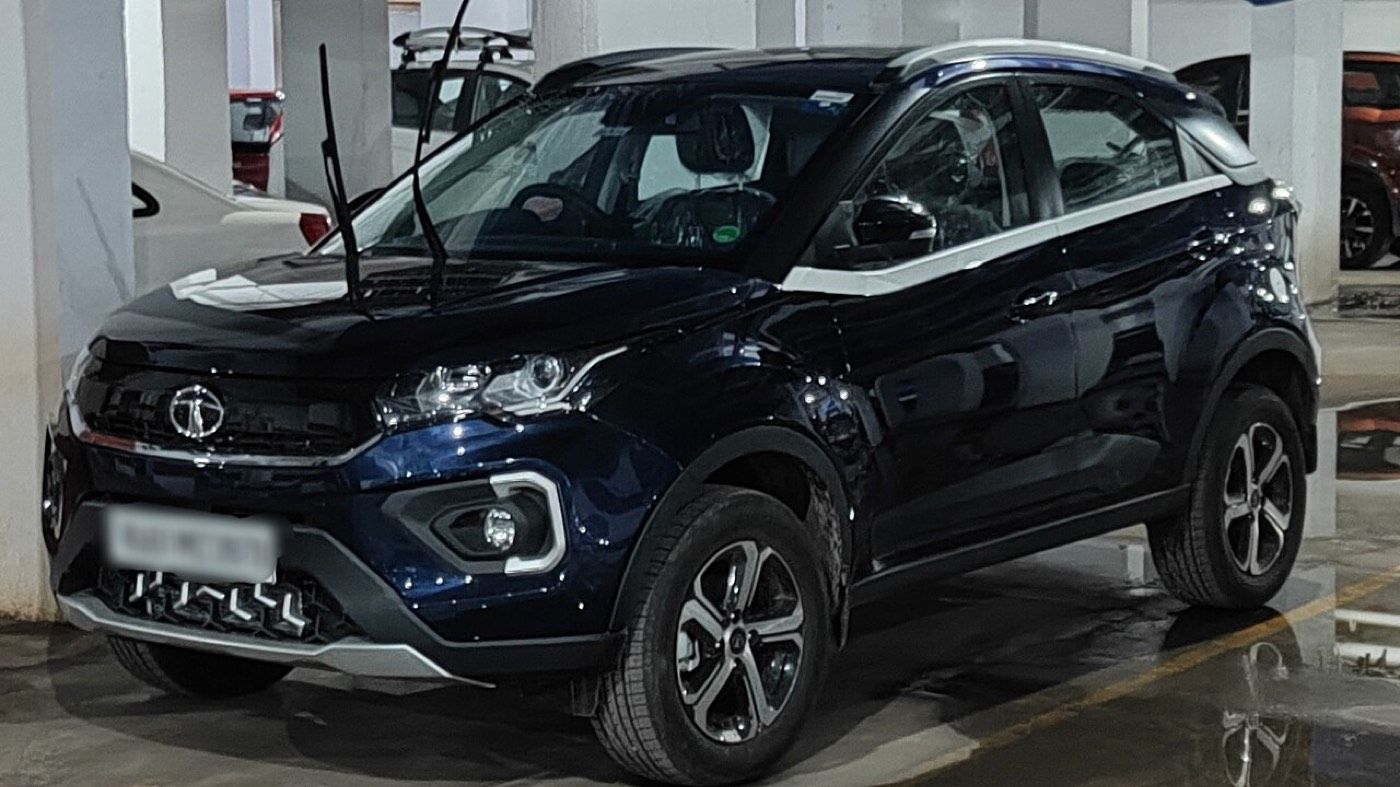
Naming, corrected. The original called this “a GS auto gear shift transmission”. The term it was reaching for is AGS — Auto Gear Shift — which is Maruti Suzuki’s name for its AMT. Other makers use their own labels for the same hardware, and “AMT” is the generic term.
6. Sequential manual transmission
This section is a reconstruction. In the archived article the passage that was supposed to explain how the gears are moved was corrupted at some point before it was first captured, and the surviving sentence does not make sense. Its intended meaning cannot be established from the archive, so nothing has been guessed at: the section below is rebuilt from standard practice, and it should be read as current editorial content rather than recovered wording.
A sequential box is a manual that has been stripped of the freedom to pick any gear. The lever moves forward or back one position at a time — hence “sequential” — and a gate or a drum makes skipping straight from second to fourth impossible.
Inside, the design is more aggressive than a road gearbox. Racing sequential boxes commonly use straight-cut gears rather than the helical gears of a road box, and engage them with dog claws rather than synchroniser rings. A helical gear’s angled teeth mesh progressively and quietly; straight-cut teeth meet face-on and loudly. A synchroniser brings two speeds together before they connect; a dog clutch simply shoves them together and relies on the operator having already matched them.
The consequences follow directly from that. Without synchronisers, shifts can be very fast and the assembly is light for the torque it carries, because there is no friction cone to wear. Straight-cut teeth do not try to push each other apart under load, so the gear set can be smaller. And the cost is exactly the noise the design trade creates: dog engagement is loud, it clunks on every change, it punishes an imprecise shift, and its vibration and harshness are why nobody puts one in a road car.
On the clutch. The original claimed these boxes “have three pedals as well like a manual transmission” and that the clutch is used only to move off. That conflates two different things, and it needed separating.
- A racing sequential is gated and hand-shifted, usually with a hand lever to the driver’s right. It does have a clutch — for moving off, and often for staging — but the upshifts themselves are made without touching it, by cutting ignition or torque for a moment and driving the dogs home.
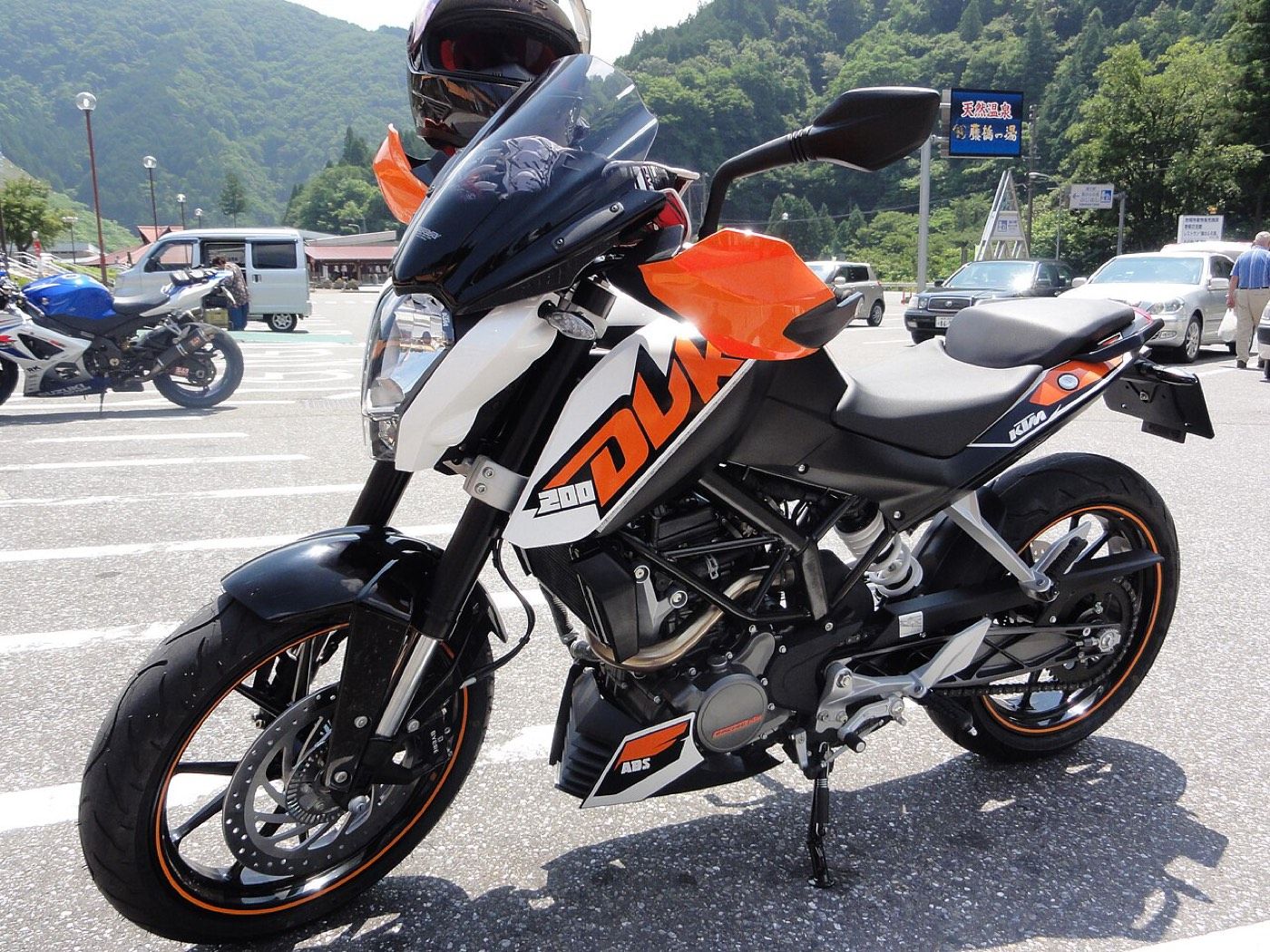
- A motorcycle gearbox is also sequential and also uses dog-type couplings, but it has no clutch pedal at all. The rider’s left foot works a lever, and the hand clutch is used to stop; changes are made without it. This is a genuinely clutchless-in-use design, which is what the original was gesturing at.
The shared principle is that once the transmission is loaded and rotating in step, the clutch has nothing left to do, and a dog coupling lets you exploit that. That is also the whole reason motorcycle gearboxes make the sound they do.
What the list actually tells you
The six designs are not six brands of the same idea; they rank cleanly on one question, which is what happens to the connection between engine and wheels during a change.
A manual and an AMT interrupt it. A torque converter never disconnects anything, which is why it is smooth and why it slips. A CVT has nothing to disengage in the first place. A DCT hides the interruption by making it somewhere else. A sequential stops worrying about it altogether and accepts the noise.
Every choice in this list is a trade against a use. The right question at a showroom is not which transmission is best, but whether the car will spend its life on a highway, in a jam, or on a mountain road — because each of those answers differently.